Heater Control Panel
CN → US| HS Code | Tariff Rate | Origin | Destination | Doc |
|---|---|---|---|---|
| 8516290030 | 38.7% | CN | US | Official Doc |
| 8516290060 | 38.7% | CN | US | Official Doc |
| 8419190160 | 35.0% | CN | US | Official Doc |
| 7321111030 | 90.7% | CN | US | Official Doc |
| 7321116000 | 85.0% | CN | US | Official Doc |
Product Images
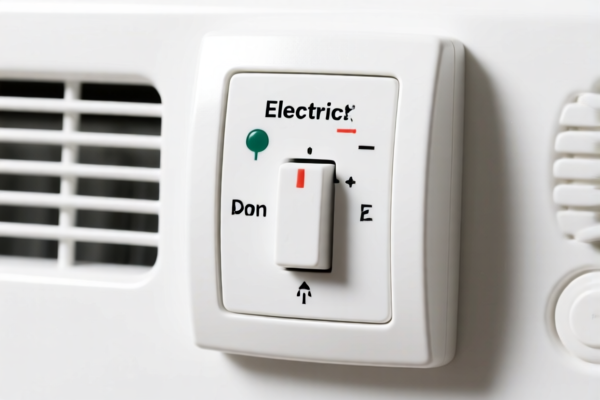
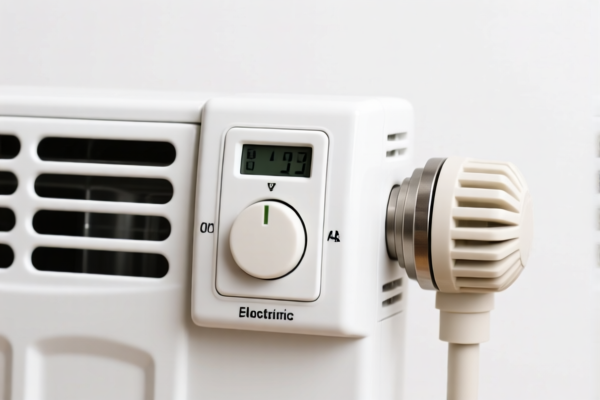
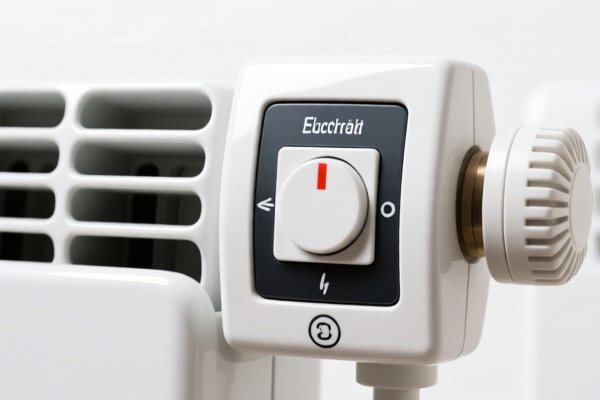
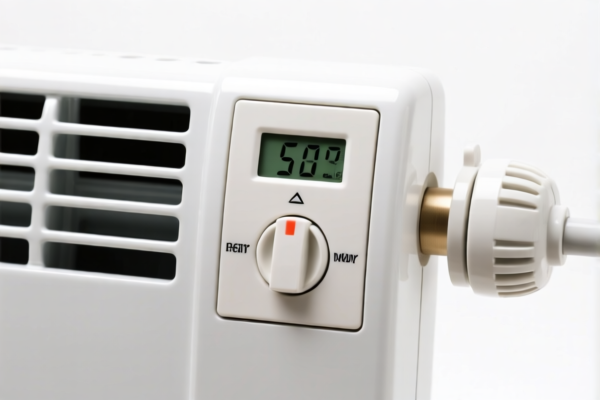
AI Analysis
🔥 Heater Control Panel (Heater HS Code Classification Guide)
🌐 HS Code Reference & Customs Clearance Guide | 2026 Latest Tariff Analysis | Professional-Level Clearance Strategy
📌 I. Product Definition & Classification: What Exactly is a "Heater Control Panel"?
In international trade, a "Heater Control Panel" is a broad term that can refer to different components depending on its function, material, and whether it operates via electricity or gas. The classification strictly depends on whether it is an electric space heater, a general heat exchanger/process heater, or a gas-fueled cooking/heating appliance.
⚠️ Key Distinction Point:
- If it is an electric space heater (residential/commercial) without specific features → Falls under 8516 (Electrical heating apparatus).
- If it is a general industrial/commercial heat exchanger or heater → Falls under 8419 (Machinery for heat treatment).
- If it is a gas-fueled heating device (especially household cooking-related) → Falls under 7321 (Iron/steel household appliances).
📦 II. HS Code Classification Details (2026 Latest Tariff Authoritative Comparison)
Based on the provided data, here are the precise HS Codes and their corresponding tax liabilities for "Heater Control Panel" scenarios:
| HS Code | Product Description | Application Scenario | Key Characteristic |
|---|---|---|---|
8516.29.00.30 |
Heater (Electric) | Electric space heating devices | Electrical, falls under the "other" catch-all category for electric heaters. |
8516.29.00.60 |
Heater (Electric) | Electric heating apparatus | Electrical, standard electric heating appliance category. |
8419.19.01.60 |
Heater (General/Industrial) | General heat exchange or heating machinery | Non-electric specific or industrial process heater, based on general name catch-all. |
7321.11.10.30 |
Heater (Metal/Gas) | Household cooking-related heating equipment | Metal (Steel/Aluminum/Copper), likely gas-fueled or specific metal appliance. |
7321.11.60.00 |
Heater (Iron/Steel/Gas) | Gas-fueled household heating apparatus | Iron/Steel, specifically for gas fuel household heating. |
🔍 Important Note:
- Electric Heaters (8516): Generally attract lower base tariffs but are subject to Section 301 and IEEPA duties.
- Industrial Heaters (8419): No base tariff, but still subject to Section 301 and IEEPA.
- Gas/Metal Heaters (7321): Extremely High Tariffs! Due to the "Section 232/Steel & Aluminum" surcharges (50%) combined with Section 301 and IEEPA.
💰 III. 2026 Latest Tariff Rate Details (Including Additional Taxes & Policy Surcharges)
✅ Applicable Country: United States (US)
✅ Origin: China (CN)
✅ Effective Date: Current rates apply (including Section 301, Section 232, and IEEPA surcharges)
🎯 1. 8516.29.00.30 & 8516.29.00.60 — Electric Heaters
| Item | Detail |
|---|---|
| Base Tariff | 3.7% (ad valorem) |
| Section 301 Surcharge | +25.0% |
| IEEPA Surcharge | +10.0% (Section 122 Tariff) |
| Total Tariff Rate | 38.7% |
| Tax Calculation | CIF Value × 38.7% |
| De Minimis Exemption | ❌ Not Available (High tariff rate exceeds thresholds) |
| Legal Basis Path | USITC:8516.29.00.30/60 → FOOTNOTE:301 → IEEPA:Section122 |
📌 Explanation:
- These codes cover electric space heaters and electric heating apparatus.
- The 38.7% total rate is a combination of the standard MFN rate (3.7%), the Section 301 tariff (25%), and the IEEPA Section 122 tariff (10%).
- This is the recommended classification for standard electric heaters unless they fall into specific metal/gas categories.
🎯 2. 8419.19.01.60 — General/Industrial Heaters
| Item | Detail |
|---|---|
| Base Tariff | 0.0% |
| Section 301 Surcharge | +25.0% |
| IEEPA Surcharge | +10.0% (Section 122 Tariff) |
| Total Tariff Rate | 35.0% |
| Tax Calculation | CIF Value × 35.0% |
| De Minimis Exemption | ❌ Not Available |
| Legal Basis Path | USITC:8419.19.01.60 → FOOTNOTE:301 → IEEPA:Section122 |
📌 Explanation:
- This code is used when the heater is considered a general-purpose heat exchange or heating machine not specifically listed under electric heaters.
- It offers a 3.7% savings compared to electric heaters (8516) due to the 0% base rate, but the total effective rate (35%) is still very high.
🎯 3. 7321.11.10.30 — Metal/Gas Heaters (Household/Cooking)
| Item | Detail |
|---|---|
| Base Tariff | 5.7% |
| Section 301 Surcharge | +25.0% |
| IEEPA Surcharge | +10.0% (Section 122 Tariff) |
| Steel/Aluminum/Copper Surcharge | +50.0% |
| Total Tariff Rate | 90.7% |
| Tax Calculation | CIF Value × 90.7% |
| De Minimis Exemption | ❌ Not Available |
| Legal Basis Path | USITC:7321.11.10.30 → FOOTNOTE:232 → FOOTNOTE:301 → IEEPA:Section122 |
📌 Explanation:
- ⚠️ DANGER ZONE: This code attracts the highest tariff.
- The 50% surcharge is due to Section 232 (Steel & Aluminum products).
- Combined with base, Section 301, and IEEPA, the total rate is 90.7%.
- Use this ONLY if the product is explicitly a gas-fueled household heating/cooking appliance made of steel, aluminum, or copper.
🎯 4. 7321.11.60.00 — Iron/Steel Gas Heaters
| Item | Detail |
|---|---|
| Base Tariff | 0.0% |
| Section 301 Surcharge | +25.0% |
| IEEPA Surcharge | +10.0% (Section 122 Tariff) |
| Steel/Aluminum/Copper Surcharge | +50.0% |
| Total Tariff Rate | 85.0% |
| Tax Calculation | CIF Value × 85.0% |
| De Minimis Exemption | ❌ Not Available |
| Legal Basis Path | USITC:7321.11.60.00 → FOOTNOTE:232 → FOOTNOTE:301 → IEEPA:Section122 |
📌 Explanation:
- Also high tariff, but slightly lower than7321.11.10.30due to 0% base rate.
- Applies to gas-fueled household heating apparatus made of iron or steel.
- Still subject to the crippling 50% steel/aluminum surcharge.
🛠️ IV. Customs Clearance Operational Advice (Practical Pitfall Avoidance Guide)
✅ 1. Preparation Checklist (Essential Documents)
| Document | Required | Purpose |
|---|---|---|
| ✅ Product Specification Sheet | ✔️ | Must clearly state: Electric vs. Gas, Power/Wattage, Fuel Type. |
| ✅ Schematic/Circuit Diagram | ✔️ | Proves if it contains electrical control panels (supports 8516/8419). |
| ✅ Product Photos (Label & Internal) | ✔️ | Shows brand, model, input/output, and material composition. |
| ✅ Third-Party Test Report | ✔️ | UL, ETL, CSA (if electrical); CSA or similar (if gas). |
| ✅ Commercial Invoice | ✔️ | Description must match HS Code: e.g., "Electric Space Heater" vs. "Gas Heater". |
| ✅ Certificate of Origin (CO) | ✔️ | Confirm Chinese origin to apply correct surcharges. |
✅ 2. Declaration Tips (Crucial Mnemonic)
🔥 "Identify Fuel First, Then Material, Then Base Rate!"
| Scenario | Correct HS Code | Error Consequence |
|---|---|---|
| Electric Heater (Plastic/Metal housing, no gas) | 8516.29.00.30 or 8516.29.00.60 |
Misclassifying as Gas (7321) → 90.7% vs 38.7% |
| Industrial/Process Heater (No specific electric classification) | 8419.19.01.60 |
Misclassifying as Electric → 35% vs 38.7% (Slight saving, but risk of audit) |
| Gas Heater (Made of Steel/Aluminum) | 7321.11.10.30 or 7321.11.60.00 |
Misclassifying as Electric → 38.7% vs 85-90.7% (Huge savings, but fraud risk if not truly gas) |
📌 Warning:
- Do not misclassify an electric heater as a gas heater to avoid steel tariffs. Customs will inspect the product. If it has a cord/plug, it is electric.
- Do not misclassify a steel gas heater as an electric one. The 50% steel surcharge is non-negotiable if the product is indeed steel/aluminum.
✅ 3. Special Cases
| Case | Advice |
|---|---|
| Hybrid Heaters (Electric + Gas Backup) | Classify based on primary function. If primarily electric, use 8516. |
| Control Panel Only (No Heater Body) | If sold separately as a component for an electric heater, it may still fall under 8516 or 8538 (Parts of electrical apparatus). Check with customs for part-specific classification. |
| OEM Custom Heaters | Provide customer design specs. Ensure the label matches the declared HS Code. |
🌍 V. Global Market Comparison (2026 Latest)
| Country/Region | Recommended HS Code | Total Tariff (China Origin) | Certification | Notes |
|---|---|---|---|---|
| 🇺🇸 USA | 8516.29.00.30 |
38.7% | UL/ETL + FCC | High tariffs due to Section 301 & IEEPA. |
| 🇨🇳 China | 8516.29.00.30 |
3.7% (Import) | CCC | Low base tariff, no Section 301. |
| 🇪🇺 EU | 8516.29.00 |
0-4% | CE + ErP | No Section 301/IEEPA equivalents. |
| 🇨🇦 Canada | 8516.29.00 |
0% (if under CUSMA) | CSAC | Check CUSMA eligibility. |
📌 Conclusion:
- USA is the most challenging market due to cumulative surcharges.
- Electric Heaters (8516) are the safest bet for classification clarity, despite the 38.7% rate.
- Gas/Metal Heaters (7321) are financially risky due to the 50% steel/aluminum surcharge.
📌 VI. Common Errors & Pitfall Guide (Lessons Learned)
❌ Error 1: Classifying an Electric Heater as 8419 (Industrial) to save base tariff.
👉 Consequence: Customs may reject if the product is clearly for space heating. Rate difference is small (35% vs 38.7%), but audit risk is high.
❌ Error 2: Classifying a Steel Gas Heater as 8516 (Electric) to avoid steel tariffs.
👉 Consequence: Smuggling/Fraud. If customs inspects and finds it's gas and steel, you face penalties, seizures, and potential criminal charges. The 50% steel surcharge is applied based on material and fuel type, not just description.
❌ Error 3: Ignoring the IEEPA Section 122 tariff.
👉 Consequence: Underpayment by 10%. All Chinese-origin heaters are subject to this 10% surcharge regardless of HS Code.
✅ Correct Approach:
"Electric? Use 8516. Industrial? Use 8419. Gas + Metal? Use 7321 (Brace for 85%+)."
🎯 VII. Conclusion: Professional Declaration, Cost Efficiency, Risk Reduction
🎯 Remember the Mnemonic:
🔹 "Electric 38.7%, Industrial 35%, Gas+Metal 85-90%!"
🔹 "Steel Tariff is 50%, Don't Guess, Check Material!"
🔹 "IEEPA 10% is Universal, Factor It In!"
📌 Tips:
- If your heater is not made of steel/aluminum (e.g., plastic, ceramic, glass), and is gas-fueled, it might fall under different 7321 subheadings with lower or no steel surcharge. Verify material composition!
- Consider Advance Ruling (Pre-classification) from U.S. CBP if the product is complex or hybrid.
- For electric heaters, ensure FCC certification is ready for customs inspection.
📣 Immediate Action:
📞 Contact a licensed customs broker + Provide product specs + Apply for HS Code Advance Ruling.
🚀 Clear customs smoothly, reduce costs, and maximize profits!
✨ Professional Customs Clearance Starts with Accurate Classification!
💼 Every cent of tariff counts!
Customer Reviews
About HS Code Classification
The Harmonized System (HS) is an internationally standardized nomenclature developed by the World Customs Organization (WCO) to classify traded products. Over 200 countries use the HS system as the basis for customs tariffs, trade statistics, and import/export regulations.
Each HS code follows a hierarchical structure:
- Chapter (2 digits) — Broad category of goods (e.g., Chapter 84: Machinery and Mechanical Appliances)
- Heading (4 digits) — More specific grouping within the chapter
- Subheading (6 digits) — Internationally standardized breakdown, used by all WCO member countries
- National subdivisions (8-10 digits) — Country-specific extensions for further classification, such as US HTSUS 10-digit codes
Correct HS code classification is essential for smooth customs clearance, accurate duty payment, and compliance with trade regulations. Misclassification can lead to customs delays, overpayment of duties, or penalties.
When importing from CN to US, the applicable tariff rates may include:
- Most-Favored-Nation (MFN) rate — The standard duty rate applied to WTO members
- General rate — Applied to countries without trade agreements
- Trade remedy duties — Additional tariffs such as Section 301 (anti-dumping), Section 232 (national security), or countervailing duties
The information provided on this page is for reference purposes only. For official classification, please consult with your local customs authority or a licensed customs broker.