Heating Appliance Parts
CN → US| HS Code | Tariff Rate | Origin | Destination | Doc |
|---|---|---|---|---|
| 8419190160 | 35.0% | CN | US | Official Doc |
| 8516290030 | 38.7% | CN | US | Official Doc |
| 8516290060 | 38.7% | CN | US | Official Doc |
| 7321111030 | 90.7% | CN | US | Official Doc |
| 7321116000 | 85.0% | CN | US | Official Doc |
Product Images
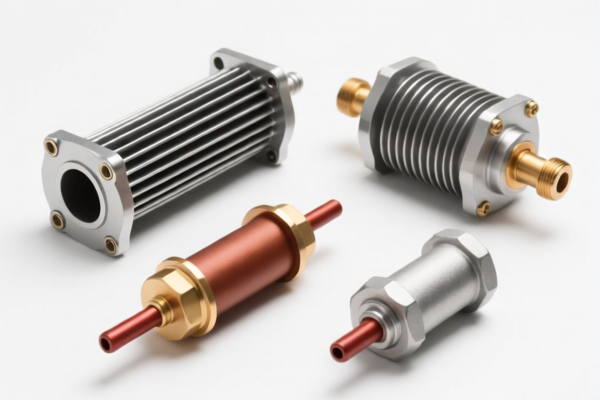
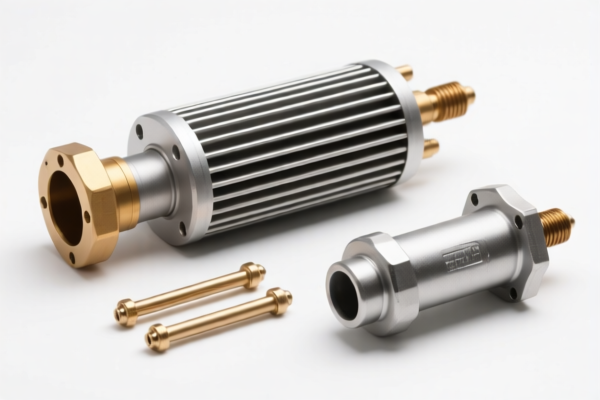
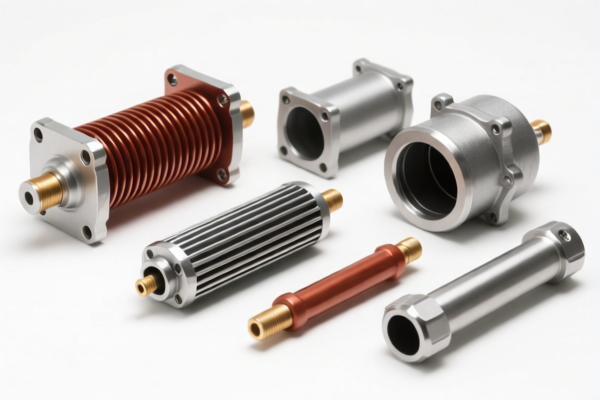

AI Analysis
🔥 Heating Appliance Parts: The Ultimate HS Code & Customs Clearance Guide (2026 Edition)
🌐 HS Code Reference & Customs Strategy | 2026 Latest Tariff Rates | Professional Clearance Guide
📌 I. Product Definition & Classification: What are "Heating Appliance Parts"?
"Heating Appliance Parts" is a broad category in international trade, encompassing components used for space heating, water heating, industrial heating, or cooking. In customs classification, the correct HS Code depends heavily on: 1. Function: Is it for heating air/space? Water? Cooking? 2. Material: Is it made of metal (iron/steel, copper, aluminum) or other materials? 3. Power Source: Electric vs. Gas/Fuel-driven. 4. Integration: Is it a standalone heater or just a component/part?
⚠️ Critical Distinction:
- If the item is a complete electric heater (e.g., space heater, water heater), it generally falls under Chapter 85.
- If the item is a complete non-electric heater/cooker (e.g., gas stove, metal burner), it generally falls under Chapter 73 (Iron/Steel).
- "Parts" vs. "Whole": Specific parts often have their own sub-headings, but many "parts" are classified under the code of the machine they belong to if no specific part code exists.
📦 II. HS Code Classification Details (Based on Provided Data)
The following HS Codes are derived from your provided data. Please note that these codes reflect specific interpretations of "Heating Appliances" and their parts under current tariff structures.
| HS Code | Product Description / Summary | Key Characteristics | Material/Type |
|---|---|---|---|
8419.19.01.60 |
Heaters (General/Fallback) | Used for heating; matches fallback category principles. | General Heating Equipment |
8516.29.00.30 |
Electric Space Heating Devices | Fits "other" fallback category for electric heaters. | Electric |
8516.29.00.60 |
Electric Heating Appliances | No material or form conflict; general electric heater. | Electric |
7321.11.10.30 |
Metal Household Cooking Heating Equipment | Metal material; fits "Stove/Hearth" description. | Iron, Steel, Copper, Aluminum |
7321.11.60.00 |
Iron/Steel Heating Appliances (Gas/Fuel) | Made of iron or steel; uses gas/fuel. | Iron, Steel |
💰 III. 2026 Latest Tariff Rate Details (Including Surtaxes)
✅ Applicable Country: USA (US)
✅ Origin: China (CN)
✅ Effective Date: Rates include Section 301, Section 232, and Section 122 tariffs.
🎯 1. 8419.19.01.60 – General Heaters (Fallback Category)
This code is used when the specific type of heater doesn't fit a more detailed sub-category. It often applies to industrial or non-specific space heaters.
| Item | Content |
|---|---|
| Base Tariff | 0.0% |
| Section 301 Surtax | +25.0% |
| Section 122 Tariff | +10.0% |
| Total Tax Rate | 35.0% |
| Tax Calculation | CIF Value × 35% |
| De Minimis Exemption | ❌ Not Eligible |
| Legal Basis Path | USITC:8419.19.01.60 → FOOTNOTE:301 → FOOTNOTE:122 |
📌 Explanation:
- This code has a 0% base tariff, making it attractive for base cost purposes.
- However, the 35% total effective rate (25% + 10%) is significant.
- It is a "fallback" code, so ensure your product genuinely doesn't fit more specific electric heater codes (8516) or metal stove codes (7321).
🎯 2. 8516.29.00.30 – Electric Space Heating Devices
This code specifically targets devices for heating rooms or spaces using electricity.
| Item | Content |
|---|---|
| Base Tariff | 3.7% |
| Section 301 Surtax | +25.0% |
| Section 122 Tariff | +10.0% |
| Total Tax Rate | 38.7% |
| Tax Calculation | CIF Value × 38.7% |
| De Minimis Exemption | ❌ Not Eligible |
| Legal Basis Path | USITC:8516.29.00.30 → FOOTNOTE:301 → FOOTNOTE:122 |
📌 Explanation:
- Common for electric space heaters, radiant heaters, and fan heaters.
- The base rate is higher than 8419, leading to a higher total tax.
- Ensure the device is primarily for space heating, not water heating (which may fall under 8516.80).
🎯 3. 8516.29.00.60 – Electric Heating Appliances
A broader code for electric heating devices where no specific sub-category fits, with no material/form conflict.
| Item | Content |
|---|---|
| Base Tariff | 3.7% |
| Section 301 Surtax | +25.0% |
| Section 122 Tariff | +10.0% |
| Total Tax Rate | 38.7% |
| Tax Calculation | CIF Value × 38.7% |
| De Minimis Exemption | ❌ Not Eligible |
| Legal Basis Path | USITC:8516.29.00.60 → FOOTNOTE:301 → FOOTNOTE:122 |
📌 Explanation:
- Similar to8516.29.00.30in rate, but may apply to different forms or slightly different functions.
- Use this if the product is an electric heater but doesn't fit the "space heating" definition strictly, or if customs officers prefer this "no conflict" classification.
🎯 4. 7321.11.10.30 – Metal Household Cooking Heating Equipment (Stoves)
This code applies to metallic (iron/steel/copper/aluminum) household cooking appliances.
| Item | Content |
|---|---|
| Base Tariff | 5.7% |
| Section 301 Surtax | +25.0% |
| Section 122 Tariff | +10.0% |
| Section 232 Surtax (Steel/Alu/Cu) | +50.0% |
| Total Tax Rate | 90.7% |
| Tax Calculation | CIF Value × 90.7% |
| De Minimis Exemption | ❌ Not Eligible |
| Legal Basis Path | USITC:7321.11.10.30 → FOOTNOTE:301 → FOOTNOTE:122 → FOOTNOTE:232 |
📌 Critical Warning:
- This is the highest tax rate in the dataset.
- The +50% Section 232 surtax applies because the item is made of steel, aluminum, or copper.
- This code is for household cooking stoves/burners made of metal. If your part is a metal burner for a stove, this code may apply, but the cost is prohibitive.
- Avoid this code unless absolutely necessary; consider if the part can be classified differently (e.g., as a generic part under 7326 or 8482).
🎯 5. 7321.11.60.00 – Iron/Steel Heating Appliances (Gas/Fuel)
This code applies to iron or steel heaters that use gas or other fuels (not electric).
| Item | Content |
|---|---|
| Base Tariff | 0.0% |
| Section 301 Surtax | +25.0% |
| Section 122 Tariff | +10.0% |
| Section 232 Surtax (Steel/Alu/Cu) | +50.0% |
| Total Tax Rate | 85.0% |
| Tax Calculation | CIF Value × 85.0% |
| De Minimis Exemption | ❌ Not Eligible |
| Legal Basis Path | USITC:7321.11.60.00 → FOOTNOTE:301 → FOOTNOTE:122 → FOOTNOTE:232 |
📌 Critical Warning:
- Similar to the previous code, this incurs the +50% Section 232 surtax due to iron/steel content.
- The base rate is 0%, but the total effective rate is 85%.
- This applies to gas heaters or fuel-burning heaters made of iron/steel.
- Do not use for electric heaters.
🛠️ IV. Customs Clearance Practical Advice (Avoid Pitfalls)
✅ 1. Preparation Checklist (Essential Documents)
| Document | Required | Notes |
|---|---|---|
| ✅ Product Specification Sheet | ✔️ | Must detail power source (electric/gas), material (steel/aluminum/etc.), and function. |
| ✅ Part vs. Whole Declaration | ✔️ | Clearly state if the item is a standalone appliance or a component/part. |
| ✅ Material Composition Report | ✔️ | Crucial for determining if Section 232 (50% surtax) applies. List % of steel, aluminum, copper. |
| ✅ Product Photos | ✔️ | Show connectors, fuel ports, and any labels indicating power source. |
| ✅ Commercial Invoice | ✔️ | Description must match HS Code logic (e.g., "Electric Space Heater" vs. "Gas Burner"). |
| ✅ Certificate of Origin | ✔️ | Required for determining eligibility for any potential exemptions (though unlikely for China origin under current tariffs). |
✅ 2. Declaration Strategy (Key Principles)
🔥 "Material Matters, Power Source Defines, Avoid Metal Surtax if Possible!"
| Scenario | Recommended HS Code | Reason |
|---|---|---|
| Electric Space Heater | 8516.29.00.30 or 8516.29.00.60 |
Electric heaters are in Chapter 85. No Section 232 tax. |
| General Heaters (Fallback) | 8419.19.01.60 |
If electric/non-specific, lower base rate (0%), but still 35% total. |
| Metal Cooking Stove | 7321.11.10.30 |
High tax (90.7%) due to Section 232. Avoid if possible. |
| Gas Heater (Iron/Steel) | 7321.11.60.00 |
High tax (85%) due to Section 232. Avoid if possible. |
| Parts for Electric Heaters | Check 8419.90 or 8516.90 | Parts for electric appliances may have different rates. Note: Your data does not include these, but they are common. |
| Parts for Metal Stoves | Check 7326.90 or 8482 | Parts for non-electric appliances might fall under general metal articles or other machinery. Note: Your data does not include these, but they are common. |
⚠️ Crucial Note:
Your provided data focuses on complete appliances or specific sub-categories. If you are importing actual parts (e.g., heating elements, burners, casings), ensure they are not mistakenly classified as complete appliances under the high-tariff codes (7321).
- Heating Elements (Electric): Often classified under 8516.80 or 8545.
- Burners (Gas): Often classified under 7321 or 8419.
- Casings/Accessories: May fall under 7326 (Other articles of iron/steel) or 8538 (Parts of appliances).
Always verify if a "part" specific code exists, as it may have a lower tariff than the "appliance" code.
✅ 3. Special Considerations
| Situation | Advice |
|---|---|
| Mixed Materials | If a heater is 51% steel and 49% plastic, and it's a gas heater, it may still trigger Section 232. Check the "essential character" rule. |
| Section 122 Tariff | This is a recent additional tariff. Ensure your broker is aware of the 10% add-on on top of 301 and 232. |
| De Minimis (Section 321) | All codes listed above are NOT eligible for the $800 de minimis exemption. You must file a formal entry and pay all duties. |
| Pre-Ruling | Due to the high variability in tax rates (35% to 90.7%), apply for a Customs Ruling before shipping. This provides legal certainty. |
🌍 V. Global Market Comparison (2026)
| Market | Recommended HS Code (Example) | Base Rate | Additional Surtaxes | Total Effective Rate (Approx.) | Notes |
|---|---|---|---|---|---|
| 🇺🇸 USA | 8516.29.00.30 (Electric) |
3.7% | 35% (301+122) | 38.7% | No Section 232 for electric. |
| 🇺🇸 USA | 7321.11.60.00 (Gas/Metal) |
0.0% | 85% (301+122+232) | 85.0% | High cost due to metal content. |
| 🇨🇳 China | 8516.29.00.30 |
10-15% | None | 10-15% | Lower tariffs for import into China. |
| 🇪🇺 EU | 8516.29.00 |
0-4% | None | 0-4% | No Section 301/232/122. |
| 🇬🇧 UK | 8516.29.00 |
0-4% | None | 0-4% | No Section 301/232/122. |
📌 Conclusion:
- USA is the most expensive market for heating appliances due to multiple layers of tariffs (301, 232, 122).
- Electric heaters (8516) are significantly cheaper to import into the US than metal fuel heaters (7321) because they avoid the 50% Section 232 surtax.
- Optimization Strategy: If possible, design products to be electric and avoid heavy iron/steel content where feasible, or ensure parts are classified under lower-tariff sub-headings.
📌 VI. Common Errors & Pitfalls (Learn from Mistakes)
❌ Error 1: Classifying a Metal Gas Heater under 8516 (Electric)
👉 Result: Severe Penalty! Misclassification leads to fraud charges, back taxes, and potential seizure.
❌ Error 2: Claiming De Minimis for a metal heating part
👉 Result: Rejection & Delay. These items are subject to Section 301/232/122 and cannot be shipped under $800 exemption.
❌ Error 3: Ignoring Section 122 Tariff
👉 Result: Underpayment of Duty. The 10% Section 122 tariff is new and often missed by brokers. Always confirm its applicability.
❌ Error 4: Using Generic Descriptions like "Heater Part"
👉 Result: Customs Examination. Provide detailed specs: "Electric Heating Element, 1500W, 120V, For Model X" vs. "Gas Burner, Steel, For Stove Model Y".
✅ Correct Approach:
"Electric Space Heater, 1500W, Plastic Housing, Model ABC, FCC Certified"
→ HS Code:8516.29.00.30→ Rate: 38.7%
🎯 VII. Conclusion: Smart Classification, Lower Costs!
🎯 Key Takeaways:
🔹 Electric = Cheaper (
8516codes: ~35-39% total)
🔹 Metal/Fuel = Expensive (7321codes: ~85-91% total)
🔹 Fallback Codes (8419) are useful but still carry 35% tax.
🔹 Always Pay Attention to Section 122 (10% add-on) and Section 232 (50% add-on for metals).
📌 Pro Tip:
If you are importing components (not complete units), investigate if they can be classified under Chapter 84 (Machinery parts) or Chapter 73 (Iron/steel articles) with lower specific rates. For example, a heating element might fall under 8545 or 8516.80, which could have different surtax applicability. Consult a licensed customs broker for a pre-filing ruling.
📣 Action Items:
- Verify Material Composition: Is it steel, aluminum, or plastic?
- Confirm Power Source: Electric or Gas?
- Calculate Total Landed Cost: Include 301, 232, and 122 tariffs.
- Apply for Ruling: If value is high, get a binding ruling from CBP.
🚀 Clear Customs Smoothly, Reduce Costs, and Maximize Profit!
✨ Professional Customs Clearance Starts with Accurate Classification!
💼 Every Dollar Saved in Tariffs is Pure Profit!
Customer Reviews
About HS Code Classification
The Harmonized System (HS) is an internationally standardized nomenclature developed by the World Customs Organization (WCO) to classify traded products. Over 200 countries use the HS system as the basis for customs tariffs, trade statistics, and import/export regulations.
Each HS code follows a hierarchical structure:
- Chapter (2 digits) — Broad category of goods (e.g., Chapter 84: Machinery and Mechanical Appliances)
- Heading (4 digits) — More specific grouping within the chapter
- Subheading (6 digits) — Internationally standardized breakdown, used by all WCO member countries
- National subdivisions (8-10 digits) — Country-specific extensions for further classification, such as US HTSUS 10-digit codes
Correct HS code classification is essential for smooth customs clearance, accurate duty payment, and compliance with trade regulations. Misclassification can lead to customs delays, overpayment of duties, or penalties.
When importing from CN to US, the applicable tariff rates may include:
- Most-Favored-Nation (MFN) rate — The standard duty rate applied to WTO members
- General rate — Applied to countries without trade agreements
- Trade remedy duties — Additional tariffs such as Section 301 (anti-dumping), Section 232 (national security), or countervailing duties
The information provided on this page is for reference purposes only. For official classification, please consult with your local customs authority or a licensed customs broker.