Heating Cup
CN → US| HS Code | Tariff Rate | Origin | Destination | Doc |
|---|---|---|---|---|
| 7323997000 | 65.3% | CN | US | Official Doc |
| 7323999030 | 88.4% | CN | US | Official Doc |
| 8516100080 | 17.5% | CN | US | Official Doc |
| 8516710080 | 21.2% | CN | US | Official Doc |
| 8419815080 | 17.5% | CN | US | Official Doc |
Product Images
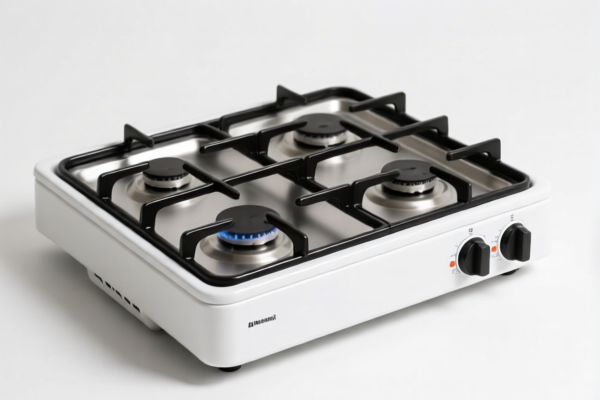
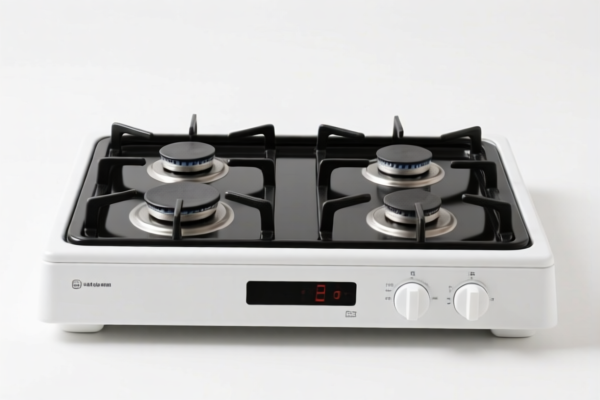
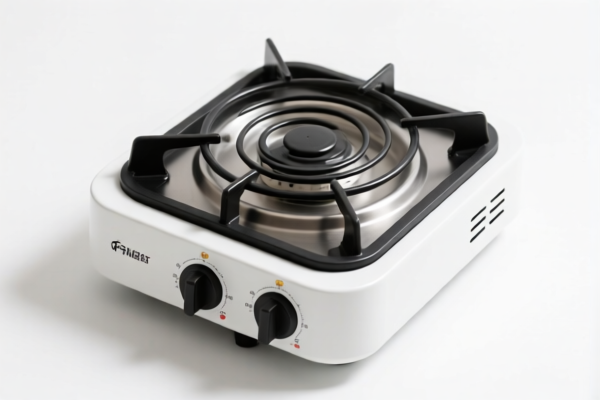
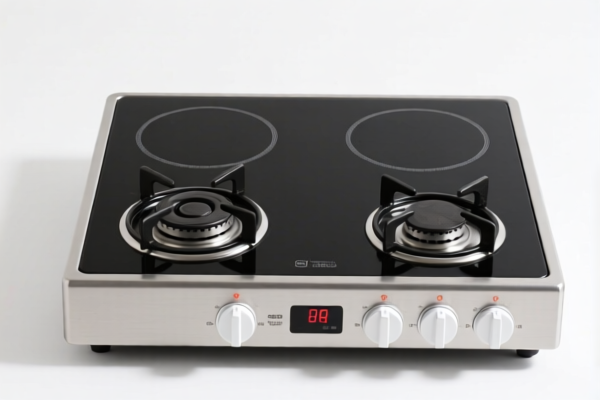
AI Analysis
🥤 Electric Heating Cup (Portable Electric Kettle/Cup)
🌐 HS Code Reference & Customs Clearance Guide | 2026 Latest Tariff Analysis | Professional Clearance Strategy
📌 I. Product Definition & Classification: Do You Truly Understand "Heating Cup"?
An Electric Heating Cup is a versatile device used for heating beverages (coffee, tea, water) or keeping them warm. It bridges the gap between home appliances and kitchenware. In international trade, its classification depends heavily on its primary function (heating vs. container) and material composition.
Two Main Categories in Trade:
- Electrical Heating Appliances (Section XVI):
Devices where the heating element is the core feature, designed specifically for heating liquids. These fall under Chapter 85 (Electrical Machinery). - Household Articles of Base Metal (Section XV):
Items primarily viewed as containers or kitchen utensils made of steel/aluminum, even if they have electric components attached in some contexts (though less common for powered cups, some low-power or passive heated items might fall here). Note: Most active electric cups fall under Chapter 85, but some specific metal-only classifications may apply if no distinct electrical function is recognized or if classified as parts.
⚠️ Key Distinction Point:
- If the device is a complete electric appliance with heating elements, circuits, and power sources → It belongs to Chapter 85 (Electrical).
- If it is classified strictly as a metal container or kitchen utensil (rare for active electric cups, but possible for specific sub-types or if misclassified) → It may fall under Chapter 73 (Iron/Steel Articles).
📦 II. HS Code Classification Details (2026 Latest Tariff Authority Comparison)
Based on the provided data, here are the five potential HS codes for "Heating Cup" with their respective tax implications:
| HS Code | Product Description & Logic | Applicable Scenario | Key Characteristic |
|---|---|---|---|
| 7323.99.70.00 | Iron/Steel articles, household or toilet, other. Classified as household/kitchen ware made of metal or non-precious metal plating. | Metal-bodied cups, perhaps with minimal electrical features or classified primarily as the vessel. | Material Focus: Iron/Steel/Kitchenware morphology. |
| 7323.99.90.30 | Other iron/steel articles for table, kitchen, or other household uses. Often stainless steel or plastic-lined for food contact. | Standard stainless steel electric cups, emphasizing food-contact safety and material. | Material & Safety Focus: Stainless steel/plastic for food/drink contact. |
| 8516.10.00.80 | Electric instantaneous water heaters, immersion heaters, space heating apparatus. Classified under "Other" immersion/heating devices. | Cups that function as immersion heaters or rapid water heaters. | Function Focus: Electric heating element (immersion/heater type). |
| 8516.71.00.80 | Other electro-thermic appliances. Fits the definition of "Other electro-thermic appliances." | General electric heating cups that don't fit specific "water heater" or "hair dryer" categories. | Function Focus: General electric heating appliance. |
| 8419.81.50.80 | Machinery, apparatus, or equipment for making hot drinks (e.g., coffee, tea machines). | Cups specifically designed as commercial or semi-commercial hot beverage makers. | Function Focus: Manufacturing/heating hot drinks (machinery aspect). |
🔍 Critical Reminder:
- 8516/8419 Codes generally reflect the electrical heating function and are often preferred for modern electric cups.
- 7323 Codes reflect the material/container aspect. Misclassification here can lead to significantly higher tariffs due to Section 301/122 additional duties.
- The choice often depends on how the manufacturer declares the principal function: Is it a "cup" or a "heater"?
💰 III. 2026 Latest Tariff Rate Breakdown (Including Additional Duties, Policies)
✅ Applicable Country: United States (US)
✅ Origin: China (CN)
✅ Effective Time: Includes imports post-2025 (Current Trade Policy Context)
🎯 1. 7323.99.70.00 —— Iron/Steel Kitchen Articles (Metal Focus)
| Item | Details |
|---|---|
| Base Tariff | 5.3% |
| Additional Duty (Section 301) | 0.0% |
| Section 122 Duty (Steel/Aluminum/Copper) | 50% |
| Total Tax Rate | 65.3% |
| Tax Calculation | CIF Value × 65.3% |
| De Minimis Exemption | ❌ Not Eligible |
| Legal Basis Path | Section 122 Tariff → USITC 7323.99.70.00 |
📌 Explanation:
- The 50% Section 122 Duty applies specifically to imported steel and aluminum products.
- Even though the base tariff is low (5.3%), the 50% surcharge makes this one of the most expensive classifications for metal-based cups.
- Warning: If your cup is steel or aluminum-plated, this penalty applies strictly.
🎯 2. 7323.99.90.30 —— Other Iron/Steel Household Articles (Material Focus)
| Item | Details |
|---|---|
| Base Tariff | 3.4% |
| Additional Duty (Section 301) | 25.0% |
| Section 122 Duty (Steel/Aluminum/Copper) | 50% |
| Total Tax Rate | 88.4% |
| Tax Calculation | CIF Value × 88.4% |
| De Minimis Exemption | ❌ Not Eligible |
| Legal Basis Path | USITC 7323.99.90.30 → Section 122 + Section 301 |
📌 Explanation:
- This is the highest tax burden among the options.
- Combines a 25% Section 301 Tariff (on many Chinese goods) + 50% Section 122 Steel/Aluminum Tariff.
- Strong Recommendation: Avoid this classification unless absolutely necessary. It is prohibitively expensive for most exporters.
🎯 3. 8516.10.00.80 —— Electric Immersion Heaters (Heating Function)
| Item | Details |
|---|---|
| Base Tariff | 0.0% |
| Additional Duty (Section 301) | 7.5% |
| Section 122 Duty | 10% |
| Total Tax Rate | 17.5% |
| Tax Calculation | CIF Value × 17.5% |
| De Minimis Exemption | ❌ Not Eligible |
| Legal Basis Path | Section 122 (10%) + Section 301 (7.5%) |
📌 Explanation:
- Highly Competitive Rate: Only 17.5% total.
- Base tariff is 0%, but Subject to 7.5% Section 301 and 10% Section 122.
- This classification recognizes the item as an electric heating device, avoiding the heavy steel-specific penalties of Chapter 73.
- Best Value Option for pure heating functionality.
🎯 4. 8516.71.00.80 —— Other Electro-Thermic Appliances (General Heating)
| Item | Details |
|---|---|
| Base Tariff | 3.7% |
| Additional Duty (Section 301) | 7.5% |
| Section 122 Duty | 10% |
| Total Tax Rate | 21.2% |
| Tax Calculation | CIF Value × 21.2% |
| De Minimis Exemption | ❌ Not Eligible |
| Legal Basis Path | Section 122 (10%) + Section 301 (7.5%) |
📌 Explanation:
- Slightly higher than8516.10due to a 3.7% Base Tariff.
- Still relatively low compared to Chapter 73 options.
- Suitable for cups that are general-purpose electric heaters.
🎯 5. 8419.81.50.80 —— Machinery for Making Hot Drinks (Appliance/Device)
| Item | Details |
|---|---|
| Base Tariff | 0.0% |
| Additional Duty (Section 301) | 7.5% |
| Section 122 Duty | 10% |
| Total Tax Rate | 17.5% |
| Tax Calculation | CIF Value × 17.5% |
| De Minimis Exemption | ❌ Not Eligible |
| Legal Basis Path | Section 122 (10%) + Section 301 (7.5%) |
📌 Explanation:
- Tied for Lowest Rate: 17.5%.
- Base tariff is 0%, with 7.5% Section 301 and 10% Section 122.
- Ideal if the product is marketed or designed as a "hot drink maker" or "beverage warming device" rather than just a "cup."
🛠️ IV. Customs Clearance Practical Advice (Real-World Pitfall Guide)
✅ 1. Required Documentation Checklist (All or Nothing)
| Document | Mandatory | Explanation |
|---|---|---|
| ✅ Product Spec Sheet | ✔️ | Must detail voltage, wattage, heating mechanism, and material composition. |
| ✅ Circuit Diagram | ✔️ | Crucial to prove it is an electric appliance (Ch 85) and not just a metal container (Ch 73). |
| ✅ Product Photos (with Label) | ✔️ | Clear view of power input, heating element, and brand/model. |
| ✅ Third-Party Test Reports | ✔️ | UL, ETL, or FCC (for electrical compliance) strengthens Ch 85 classification. |
| ✅ Commercial Invoice | ✔️ | Describe as "Electric Heating Cup" or "Beverage Warmer," NOT "Steel Cup" or "Kitchen Utensil." |
| ✅ Packing List | ✔️ | Show complete unit (cup + base + cable) to avoid parts classification. |
✅ 2. Declaration Tips (Key Mantra)
🔥 "Highlight Electricity, Not Metal; State Function, Not Material!"
| Scenario | Correct Declaration | Wrong Declaration |
|---|---|---|
| Standard Electric Cup | 8516.10.00.80 or 8419.81.50.80 |
"Steel Cup" → Triggers 65-88% Tax |
| Cup with Plastic Interior | 8516.71.00.80 |
"Plastic Container" → May face scrutiny |
| Commercial Beverage Warmer | 8419.81.50.80 |
"Coffee Pot" → Ambiguous, may be reclassified |
| OEM Custom Cup | Provide design + circuit | "Generic Cup" → High risk of misclassification |
✅ 3. Special Cases Handling
| Situation | Recommendation |
|---|---|
| High-End Stainless Steel Body | Do NOT declare as steel articles. Emphasize electric heating function. Use Ch 85. |
| Plastic Body with Metal Heating Element | Clearly declare as electro-thermic appliance. Avoid Ch 73. |
| Cup with USB/Power Bank Feature | If it includes a battery, consult additional codes for lithium batteries. Ensure heating function is primary. |
| Low-Power (<50W) Cups | Still classify as 8516 or 8419. Power level does not exempt from Section 301/122 if origin is China. |
🌍 V. Global Market Clearance Comparison (2026 Latest)
| Country/Region | Recommended HS Code | Tariff (China Origin) | Certification Required | Notes |
|---|---|---|---|---|
| 🇺🇸 USA | 8516.10.00.80 / 8419.81.50.80 |
17.5% | UL/ETL + FCC | Avoid Ch 73 (65-88% tax). |
| 🇪🇺 EU | 8516.10.00 / 8516.71.00 |
~2.9% - 6% | CE + RoHS | Lower tariffs, strict safety. |
| 🇨🇳 China | 8516.10.00 |
5% - 8% | CCC | Domestic standard applies. |
| 🇬🇧 UK | 8516.10.00 |
2.9% - 6% | UKCA + RoHS | Post-Brexit rules apply. |
| 🇯🇵 Japan | 8516.10.00 |
5% - 8% | PSE + METI | Electrical safety critical. |
📌 Conclusion:
- USA is the highest-cost market due to Section 301 and Section 122.
- Classification as Electric Appliance (Ch 85) is critical to save 40-70% in taxes compared to Ch 73.
- EU/Asia offer significantly lower duties, making them more competitive for high-margin products.
📌 VI. Common Errors & Pitfall Guide (Lessons Learned)
❌ Error 1: Declaring an electric cup as "Iron/Steel Kitchenware" (7323)
👉 Consequence: 65-88% Tariff → Profit margin destroyed.
Fix: Prove electrical function with circuit diagrams and marketing materials.
❌ Error 2: Ignoring Section 122 Steel/Aluminum Duties
👉 Consequence: Even if classified under Ch 85, some electric appliances with metal components may still trigger Section 122.
Fix: Verify if the specific HS code under Ch 85 is exempt from Section 122. Note: In the data provided, 8516/8419 still have 10% Section 122, but it is far better than 50%.
❌ Error 3: Using ambiguous terms like "Drink Container"
👉 Consequence: Customs may default to the more punitive material-based classification.
Fix: Use precise terms: "Electric Beverage Warmer," "Portable Electric Kettle."
❌ Error 4: Assuming Plastic Cups Avoid Steel Duties
👉 Consequence: If the heating element or base is metal, and classified under Ch 73, Section 122 may still apply.
Fix: Stick to Ch 85 for all active electric devices.
✅ Correct Declaration Example:
"Electric Heating Cup, 300ml, 120V, Stainless Steel Body with Plastic Exterior, Built-in Heating Element, Model XYZ, UL Listed"
🎯 VII. Conclusion: Precise Classification Saves Thousands!
🎯 Remember the Mantra:
🔹 "Electrical Function First! Not Metal Second!"
🔹 "Ch 85 = 17-21% Tax. Ch 73 = 65-88% Tax. Choose Wisely!"
🔹 "Circuit Diagram is Your Best Friend in US Customs!"
📌 Pro Tip:
If your product is originating from Vietnam, Mexico, or Thailand, you may be eligible for IEEPA Exemptions or USMCA Free Trade Agreement benefits, reducing tariffs to 0-5%.
Recommendation: Apply for an Advance Ruling with US Customs if your product structure is complex.
📣 Immediate Action:
📞 Contact a licensed customs broker + Provide product specs + Apply for HS Code Advance Ruling
🚀 Clear your Electric Heating Cups smoothly, maximize profit, and scale globally!
✨ Professional Clearance Starts with Accurate Classification!
💼 Every percentage point matters in the global trade!
Customer Reviews
About HS Code Classification
The Harmonized System (HS) is an internationally standardized nomenclature developed by the World Customs Organization (WCO) to classify traded products. Over 200 countries use the HS system as the basis for customs tariffs, trade statistics, and import/export regulations.
Each HS code follows a hierarchical structure:
- Chapter (2 digits) — Broad category of goods (e.g., Chapter 84: Machinery and Mechanical Appliances)
- Heading (4 digits) — More specific grouping within the chapter
- Subheading (6 digits) — Internationally standardized breakdown, used by all WCO member countries
- National subdivisions (8-10 digits) — Country-specific extensions for further classification, such as US HTSUS 10-digit codes
Correct HS code classification is essential for smooth customs clearance, accurate duty payment, and compliance with trade regulations. Misclassification can lead to customs delays, overpayment of duties, or penalties.
When importing from CN to US, the applicable tariff rates may include:
- Most-Favored-Nation (MFN) rate — The standard duty rate applied to WTO members
- General rate — Applied to countries without trade agreements
- Trade remedy duties — Additional tariffs such as Section 301 (anti-dumping), Section 232 (national security), or countervailing duties
The information provided on this page is for reference purposes only. For official classification, please consult with your local customs authority or a licensed customs broker.