Heating Element
CN → US| HS Code | Tariff Rate | Origin | Destination | Doc |
|---|---|---|---|---|
| 8516808000 | 35.0% | CN | US | Official Doc |
| 8516804000 | 35.0% | CN | US | Official Doc |
| 8419909580 | 39.0% | CN | US | Official Doc |
| 8419908500 | 35.0% | CN | US | Official Doc |
| 8516908050 | 85.0% | CN | US | Official Doc |
Product Images
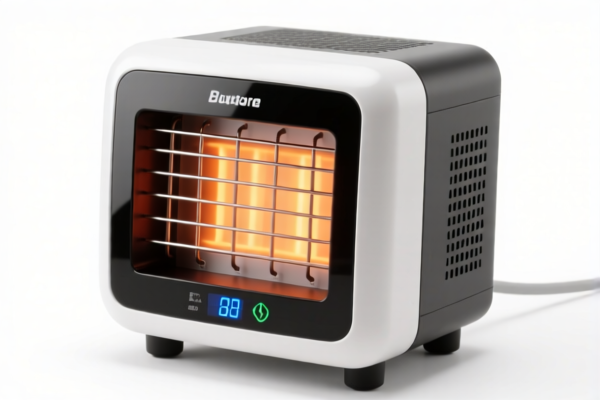
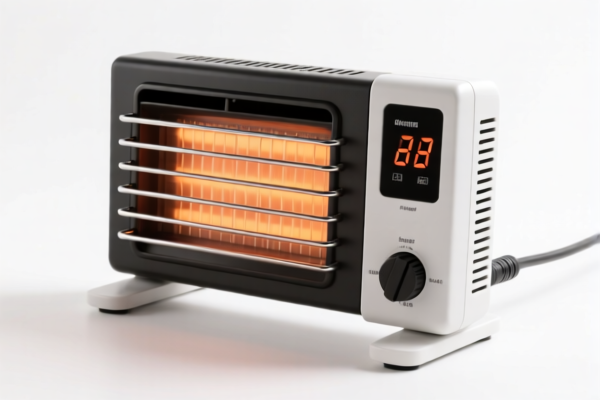
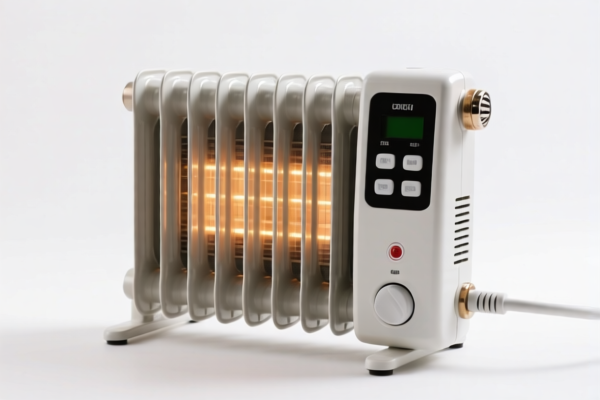
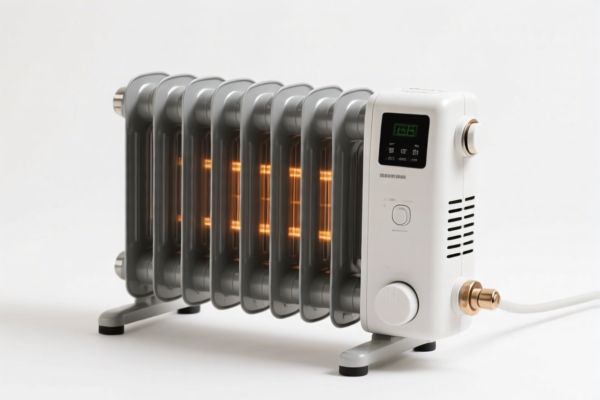
AI Analysis
🔥 Heating Elements (Stainless Steel & Electrical Resistance Heaters)
🌐 HS Code Reference & Customs Clearance Guide | 2026 Latest Tariff Analysis | Professional-Level Customs Strategy
📌 Part I: Product Definition & Classification: Do You Really Understand "Heating Elements"?
Heating elements, particularly those made of stainless steel and functioning as electrical resistance heaters, are core components in industrial equipment, household appliances (like induction cookers), and HVAC systems. In international trade, the classification depends heavily on: 1. Material: Stainless steel, metal alloys. 2. Function: Electrical resistance heating, temperature control, component of larger appliances. 3. Completeness: Is it a bare element, a component of a resistor, or a part of a finished appliance?
⚠️ Key Distinction Point:
- If it is a stainless steel resistance element functioning as a heater/resistor core → Look at Chapter 85 (Electrical Machinery) or Chapter 84 (Machinery Parts).
- If it is a component of an induction cooker or specific appliance → Look at 8516.90 (Parts of Electric Water Heaters/Room Heaters).
- If it falls under the general residual clause for other heating elements → Look at 8419.90.
📦 Part II: HS Code Classification Details (2026 Latest Tariff Authority Comparison)
Based on the provided data, here are the five possible HS Codes for stainless steel heating elements, along with their logical justifications and tax implications.
| HS Code | Product Description & Logic | Tax Rate (Total) | Tax Breakdown (US/China Origin) |
|---|---|---|---|
| 8516.80.80.00 | Stainless Steel Heating Element, matching electric heating resistors. Material: Metal. Logic: Falls under the "catch-all" principle for other categories. | 35.0% | Base: 0.0% Add-on (Sec 301): 25.0% 122-Clause Tariff: 10% |
| 8516.80.40.00 | Stainless Steel Heating Element, matching electric heating resistors. Material: Metal. Logic: Fits the basic composition logic of electric heaters. | 35.0% | Base: 0.0% Add-on (Sec 301): 25.0% 122-Clause Tariff: 10% |
| 8419.90.95.80 | Stainless Steel Heating Element, Material: Metal. Use: Heating Element. Logic: Components to other categories (General Residual). | 39.0% | Base: 4.0% Add-on (Sec 301): 25.0% 122-Clause Tariff: 10% |
| 8419.90.85.00 | Stainless Steel Heating Element, Material: Metal. Use: Parts for temperature change processing. Category: Parts/Machinery Components. | 35.0% | Base: 0.0% Add-on (Sec 301): 25.0% 122-Clause Tariff: 10% |
| 8516.90.80.50 | Induction Cooker Heating Element. Category: Parts of electrical appliances. Matches logic for electric heating resistors and their parts. | 85.0% | Base: 0.0% Add-on (Sec 301): 25.0% 122-Clause Tariff: 10% Steel/Aluminum/Copper Products Add-on: 50% |
🔍 Key Insight:
- Codes 8516.80.80.00 & 8516.80.40.00 are often preferred for standard stainless steel resistance elements as they align with "electric heaters" logic, resulting in 35% total tax.
- Code 8419.90.95.80 incurs a 4% base tariff, making the total 39%, which is slightly higher than the 8516 options.
- Code 8516.90.80.50 is extremely high risk for induction cooker parts due to the additional 50% tariff on steel/aluminum/copper products, totaling 85%. Avoid this unless specifically required for induction cooker parts.
💰 Part III: 2026 Latest Tariff Rate Details (Including Surtaxes & Policy Add-ons)
✅ Applicable Country: United States (US)
✅ Origin: China (CN)
✅ Effective Time: From November 10, 2025 (including subsequent imports)
🎯 1. 8516.80.80.00 & 8516.80.40.00 —— Stainless Steel Heating Elements (Electric Heater Logic)
| Item | Content |
|---|---|
| Base Tariff | 0% (ad valorem) |
| USITC Add-on Tariff | +25% (Under USITC Footnote for Section 301) |
| 122-Clause Tariff | +10% (Specific clause for certain steel/aluminum/heating products) |
| Total Tariff | 35.0% |
| Tax Calculation | CIF Value × 35% |
| De Minimis Eligibility | ❌ Not Eligible (Deny de minimis for Section 301 goods) |
| Legal Basis Path | USITC:8516.80.80.00 → SECTION 301: 25% → CLAUSE 122: 10% |
📌 Explanation:
- These codes are optimized for general stainless steel heating elements.
- The 25% is the standard Section 301 tariff on Chinese electrical machinery/parts.
- The 10% is a specific add-on under "122 Clause" for certain metal products.
- Total: 35%. This is a moderate-high tariff, but significantly lower than the induction cooker-specific code.
🎯 2. 8419.90.95.80 —— Heating Element (General Residual / Parts Category)
| Item | Content |
|---|---|
| Base Tariff | 4.0% |
| USITC Add-on Tariff | +25% |
| 122-Clause Tariff | +10% |
| Total Tariff | 39.0% |
| Tax Calculation | CIF Value × 39% |
| De Minimis Eligibility | ❌ Not Eligible |
| Legal Basis Path | USITC:8419.90.95.80 → SECTION 301: 25% → CLAUSE 122: 10% |
📌 Note:
- The 4% base tariff makes this option more expensive than the 8516 codes (35% vs 39%).
- Use this only if the element is clearly classified as a "part of machinery for heat treatment" under Chapter 84 and does not fit Chapter 85.
🎯 3. 8516.90.80.50 —— Induction Cooker Heating Element (High Risk!)
| Item | Content |
|---|---|
| Base Tariff | 0.0% |
| USITC Add-on Tariff | +25% |
| 122-Clause Tariff | +10% |
| Steel/Aluminum/Copper Add-on | +50% |
| Total Tariff | 85.0% |
| Tax Calculation | CIF Value × 85% |
| De Minimis Eligibility | ❌ Not Eligible |
| Legal Basis Path | USITC:8516.90.80.50 → SECTION 301: 25% → CLAUSE 122: 10% → STEEL/AL/CU ADD-ON: 50% |
📌 WARNING:
- This code carries a punitive 50% additional tariff for steel/aluminum/copper products.
- Total 85% is extremely high and likely prohibitive for most commercial shipments.
- Only use if the product is exclusively for induction cookers and no other classification fits. Avoid this code if possible.
🛠️ Part IV: Customs Clearance Practical Advice (Battle-Tested Pitfall Avoidance)
✅ 1. Document Checklist (Non-negotiable)
| Document | Required | Description |
|---|---|---|
| ✅ Product Specification Sheet | ✔️ | Must state: Material (Stainless Steel), Function (Resistance Heating), Power (Watts), Voltage. |
| ✅ Diagram/Structure Image | ✔️ | Show if it is a bare element or part of a larger assembly. |
| ✅ Commercial Invoice | ✔️ | Clearly describe as "Stainless Steel Electric Heating Element" or "Resistor Heating Component". Avoid vague terms like "Metal Part". |
| ✅ Bill of Lading / Packing List | ✔️ | Ensure weight and volume match HS code requirements. |
| ✅ Origin Certificate (CO) | ✔️ | Essential for determining Section 301 applicability. |
| ✅ Third-Party Test Report | ✔️ | UL, CE, or RoHS certification helps prove compliance and safety. |
✅ 2. Declaration Tips (Key Mnemonics)
🔥 "Material is Steel, Function is Heat, 8516 is Sweet, 8516 is Heat!"
| Scenario | Correct Declaration | Wrong Practice |
|---|---|---|
| General Stainless Steel Heating Element | 8516.80.80.00 or 8516.80.40.00 |
Misdeclare as 8516.90.80.50 → 85% Tax! |
| Part of an Induction Cooker | 8516.90.80.50 (if unavoidable) |
Try to classify as general heater → Risk of audit |
| Metal Part for Industrial Oven | 8419.90.95.80 |
Misdeclare as 8516.80 → Potential misclassification penalty |
| Bare Element vs. Assembled Heater | Bare Element → 8516.80.xxxxAssembled Heater → 8516.60.xxxx |
Do not split assembled units into parts unless justified. |
✅ 3. Special Handling
| Situation | Handling Advice |
|---|---|
| OEM Custom Elements | Provide customer design specs. Ensure description matches the client's intended use (e.g., "for water heater" vs. "for oven"). |
| Mixed Shipments | If shipping both 8516.80 (35%) and 8516.90 (85%) items, separate them on the invoice. Do not lump them together. |
| Origin Evasion Risk | If the element is made of Chinese steel but assembled elsewhere, ensure proper proof of substantial transformation. Otherwise, still subject to 35-85% tariffs. |
| 122 Clause Applicability | Verify if the specific product falls under the "122 Clause" list. Some stainless steel products may have different clauses. |
🌍 Part V: Global Market Customs Comparison (2026 Latest)
| Country/Region | Recommended HS Code | Tariff | Certification Required | Notes |
|---|---|---|---|---|
| 🇺🇸 USA | 8516.80.80.00 |
35% | FCC/UL (if applicable) | High risk of 85% if misclassified as induction part. |
| 🇨🇳 China | 8516.80.80.00 |
5-10% | CCC (if applicable) | No Section 301 tariffs. |
| 🇪🇺 EU | 8419.90.95 or 8516.80 |
0-2.7% | CE, RoHS | No major add-on tariffs. |
| 🇬🇧 UK | 8516.80 |
0-2.5% | UKCA, RoHS | Post-Brexit tariffs similar to EU pre-2021. |
| 🇯🇵 Japan | 8516.80 |
0-3% | PSE (if applicable) | Low tariffs, strict quality checks. |
📌 Conclusion:
- The USA is the most expensive market due to Section 301 and 122 Clause tariffs.
- Misclassification is the biggest cost driver: Choosing8516.90.80.50instead of8516.80.80.00adds 50% to your cost.
- China, EU, and Japan offer significantly lower tax burdens. Consider supply chain diversification if targeting the US market heavily.
📌 Part VI: Common Mistakes & Pitfall Guide (Lessons Learned)
❌ Mistake 1: Classifying a stainless steel heating element as an "Induction Cooker Part" (8516.90.80.50) without justification.
👉 Consequence: 85% tariff instead of 35%. Loss of 50% in profit.
❌ Mistake 2: Using vague descriptions like "Metal Heater Part" on the invoice.
👉 Consequence: Customs may reclassify to the highest applicable duty or demand extensive documentation, causing delays.
❌ Mistake 3: Ignoring the 122-Clause Tariff (10%).
👉 Consequence: Even with 0% base tariff, you still pay 35% total. Budgeting only for "0%" leads to cash flow issues.
❌ Mistake 4: Assuming De Minimis ($800) applies.
👉 Consequence: Section 301 goods are explicitly excluded from de minimis. All shipments, regardless of value, are subject to tariffs.
✅ Correct Approach:
"Stainless Steel Electric Heating Element, Resistance Type, 120V/240V, Model XYZ, For Use in [Specific Appliance], UL Certified"
🎯 Part VII: Conclusion: Professional Declaration, Save Money, Save Time!
🎯 Remember the Mantra:
🔹 "8516.80 is Safe (35%), 8516.90.80.50 is Suicide (85%)!"
🔹 "Base 0% + 25% Sec301 + 10% Clause122 = 35% Don't Mess Around!"
📌 Pro Tip:
If your heating elements are stainless steel, always double-check if they can be classified under 8516.80 (Electric Heaters/Resistors) rather than 8516.90 (Parts of Appliances). The 50% difference is significant.
For induction cooker parts, confirm if a lower-tariff alternative exists or if you can bundle them with non-charged items (where legal).
📣 Immediate Action:
📞 Consult a licensed customs broker + Provide product specs + Apply for Advance Ruling if shipping large volumes.
🚀 Let your heating elements pass customs smoothly, maximize profit, and avoid 85% traps!
✨ Professional Customs Clearance Starts with Accurate Classification!
💼 Every dollar of tariff is a dollar of profit lost! Be precise!
Customer Reviews
About HS Code Classification
The Harmonized System (HS) is an internationally standardized nomenclature developed by the World Customs Organization (WCO) to classify traded products. Over 200 countries use the HS system as the basis for customs tariffs, trade statistics, and import/export regulations.
Each HS code follows a hierarchical structure:
- Chapter (2 digits) — Broad category of goods (e.g., Chapter 84: Machinery and Mechanical Appliances)
- Heading (4 digits) — More specific grouping within the chapter
- Subheading (6 digits) — Internationally standardized breakdown, used by all WCO member countries
- National subdivisions (8-10 digits) — Country-specific extensions for further classification, such as US HTSUS 10-digit codes
Correct HS code classification is essential for smooth customs clearance, accurate duty payment, and compliance with trade regulations. Misclassification can lead to customs delays, overpayment of duties, or penalties.
When importing from CN to US, the applicable tariff rates may include:
- Most-Favored-Nation (MFN) rate — The standard duty rate applied to WTO members
- General rate — Applied to countries without trade agreements
- Trade remedy duties — Additional tariffs such as Section 301 (anti-dumping), Section 232 (national security), or countervailing duties
The information provided on this page is for reference purposes only. For official classification, please consult with your local customs authority or a licensed customs broker.