Heating Tool
CN → US| HS Code | Tariff Rate | Origin | Destination | Doc |
|---|---|---|---|---|
| 8416200080 | 17.5% | CN | US | Official Doc |
| 8416200040 | 17.5% | CN | US | Official Doc |
| 8479899599 | 87.5% | CN | US | Official Doc |
| 8479896500 | 20.3% | CN | US | Official Doc |
| 8467290090 | 17.5% | CN | US | Official Doc |
Product Images
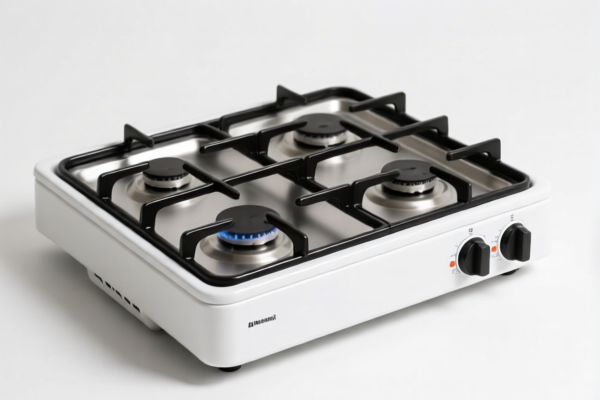
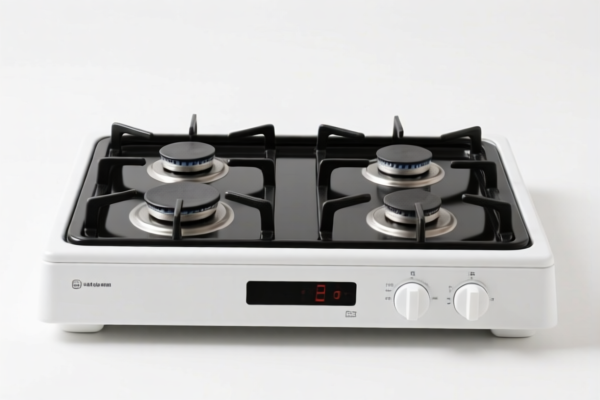
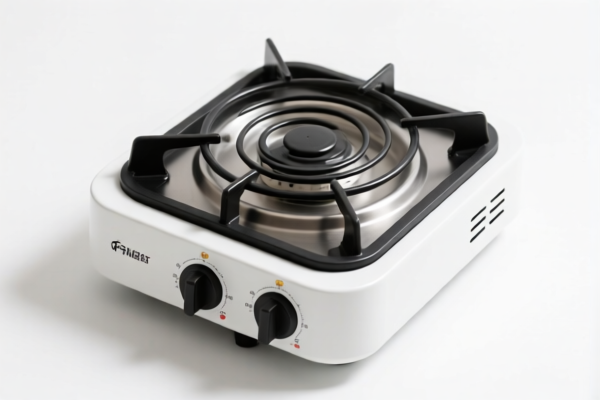
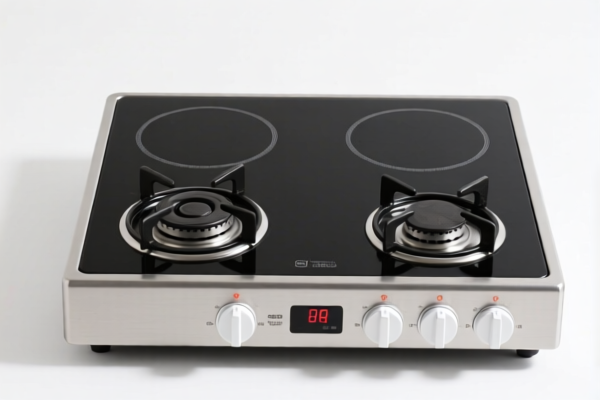
AI Analysis
🔥 Flame Heating Tool (Flame Heating Tools)
🌐 HS Code Reference & Customs Clearance Guide | 2026 Latest Tariff Breakdown | Professional Clearance Strategy
📌 I. Product Definition and Classification: Do You Truly Understand "Flame Heating Tools"?
A Flame Heating Tool refers to equipment that uses combustion (gas, oil, or other fuels) to generate heat. In international trade, its classification varies significantly depending on its power source, portability, and specific application. It is not a monolithic category; misclassification can lead to massive tariff discrepancies (from 17.5% to 87.5%).
Two Main Categories in Trade:
- Burners/Boiler Components (Stationary/Industrial): Devices designed to be installed into larger systems (boilers, furnaces) or used for stationary industrial heating. These are often classified under Heading 8416.
- Powered Handheld Tools (Portable/Manual): Devices with self-contained motors or batteries, used for handheld operations (e.g., blowtorches, soldering guns with motors). These are often classified under Heading 8467 or Heading 8479.
⚠️ Key Distinction Point:
- If it is a standalone burner designed for a boiler or industrial furnace, or a gas torch without an electric motor → Likely 8416 or 8479.
- If it is a handheld tool with a self-contained electric motor or power driver → Likely 8467.
- If it is a complex machine with independent functions not fitting other specific headings → Likely 8479 (Duty Trap!).
📦 II. HS Code Classification Details (2026 Latest Tariff Authority Comparison)
| HS Code | Product Description | Application Scenario | Motor/Power Type |
|---|---|---|---|
8416.20.00.80 |
Flame heating tool, classified as Boiler Burners or thermal equipment, fitting "Other boiler burners" | Industrial furnaces, large-scale heating systems, stationary burners | ❌ No (Combustion-based) |
8416.20.00.40 |
Flame heating tool, uses gas/fuel for heating, fits Gas Burners or boiler burner usage | Gas-fired industrial burners, specialized gas heating equipment | ❌ No (Gas-based) |
8479.89.95.99 |
Flame heating tool, classified as a Machine with Independent Function, fitting the "Other Machines" catch-all category | Complex autonomous heating machines, non-standard industrial heaters | ❓ Independent/Mixed |
8479.89.65.00 |
Flame heating tool, classified as a Specific Function Electrical Device, fitting other electrical apparatus | Specific purpose electrical heating apparatus, niche machinery | ⚡ Electric/Electrical |
8467.29.00.90 |
Flame heating tool, determined as a Handheld Tool, belonging to tools with self-contained electric motors or power-driven attributes | Handheld blowtorches, gas torches with electric starters, powered soldering/heating guns | ⚡ Electric/Motor-driven |
🔍 Crucial Reminder:
- All stationary industrial burners must be classified under 8416.
- Handheld tools with motors (even if they use gas as fuel, if the ignition/atomization is motor-driven) may fall under 8467.
- The 8479 category is a "catch-all" and often carries higher or punitive tariffs; avoid using this unless the product truly has no other specific heading.
💰 III. 2026 Latest Tariff Rate Detailed Breakdown (Including Surtaxes, Policy Add-ons)
✅ Applicable Country: United States (US)
✅ Origin: China (CN)
✅ Effective Time: Ongoing (including subsequent imports from Nov 2025 onwards)
🎯 1. 8416.20.00.80 & 8416.20.00.40 —— Industrial Burners / Flame Heating (Boiler Related)
| Item | Content |
|---|---|
| Base Tariff | 0.0% (ad valorem) |
| Section 301 / Added Tariff | +7.5% |
| Section 122 Tariff | +10% |
| Total Tariff | 17.5% |
| Tax Calculation | CIF Value × 17.5% |
| De Minimis Eligibility | ❌ No (denied) |
| Legal Basis Path | Base: 0% → Added: 7.5% → 122: 10% |
📌 Explanation:
- These codes fall under "Boiler Burners".
- While the base tariff is low (0%), the added surtaxes (17.5% total) are significant.
- No additional steel/aluminum tariffs apply here unless the burner is made entirely of specific steel components and classified differently (which is rare for the functional unit).
🎯 2. 8467.29.00.90 —— Handheld Power Tools (Flame Heating)
| Item | Content |
|---|---|
| Base Tariff | 0.0% |
| Section 301 / Added Tariff | +7.5% |
| Section 122 Tariff | +10% |
| Total Tariff | 17.5% |
| Tax Calculation | CIF Value × 17.5% |
| De Minimis Eligibility | ❌ No |
| Legal Basis Path | Base: 0% → Added: 7.5% → 122: 10% |
📌 Note:
- Classified as a handheld power tool.
- Same tax structure as industrial burners in this dataset: 17.5% total.
- Key Advantage: If classified here, it avoids the "Machine" category surcharges. Ensure the product is marketed and used as a handheld tool (ergonomics, usage context) to support this classification.
🎯 3. 8479.89.65.00 —— Other Specific Electrical Apparatus
| Item | Content |
|---|---|
| Base Tariff | 2.8% |
| Section 301 / Added Tariff | +7.5% |
| Section 122 Tariff | +10% |
| Total Tariff | 20.3% |
| Tax Calculation | CIF Value × 20.3% |
| De Minimis Eligibility | ❌ No |
| Legal Basis Path | Base: 2.8% → Added: 7.5% → 122: 10% |
📌 Analysis:
- Higher base tariff (2.8%) than burners.
- Total 20.3%.
- Use this only if the device is an electrical apparatus with a specific function that doesn't fit the "boiler burner" or "handheld tool" definitions.
🎯 4. 8479.89.95.99 —— Other Machines and Mechanical Appliances (The "Trap" Category)
| Item | Content |
|---|---|
| Base Tariff | 2.5% |
| Section 301 / Added Tariff | +25.0% |
| Section 122 Tariff | +10% |
| Steel/Aluminum/Copper Surcharge | +50% (if applicable to specific materials/components) |
| Total Tariff | 87.5% (Base Scenario) |
| Tax Calculation | CIF Value × 87.5% |
| De Minimis Eligibility | ❌ No |
| Legal Basis Path | Base: 2.5% → Added: 25% → 122: 10% + Section 232 (Steel/Alum): 50% |
⚠️ CRITICAL WARNING:
- This is the highest tariff bracket in the dataset.
- The 25% added tariff is much higher than the 7.5% for other categories.
- Avoid this classification for standard flame heating tools unless it is a highly specialized, non-standard machine that genuinely does not fit burners or hand tools.
- If the product contains significant steel, aluminum, or copper components and is classified here, the 50% surcharge may apply on top, making the effective rate even higher.
🛠️ IV. Customs Clearance Practical Advice (Battle-Tested Pitfall Avoidance Guide)
✅ 1. Documentation Checklist (Non-Negotiable)
| Document | Required | Description |
|---|---|---|
| ✅ Product Specification Sheet | ✔️ | Must detail fuel type (gas/oil), power source (electric motor for ignition?), weight, dimensions. |
| ✅ Circuit Diagram / Schematic | ✔️ | Critical to prove if it has a "self-contained electric motor." If yes → Argue for 8467. If no → Argue for 8416. |
| ✅ Product Photos (including Nameplate) | ✔️ | Clear view of model, voltage, power rating, and usage method (handheld vs. stationary). |
| ✅ Commercial Invoice | ✔️ | Describe precisely: e.g., "Handheld Gas Torch with Electric Ignition" vs. "Industrial Boiler Burner." |
| ✅ Declaration of Material Composition | ✔️ | To avoid the 50% steel/aluminum surcharge under 8479.95.99.99. |
| ✅ Third-Party Test Report | ✔️ | UL, CE, or CSA certification (if applicable) to prove safety and function. |
✅ 2. Declaration Tips (Key Mantra)
🔥 "Handheld with Motor? Go 8467! Stationary Burner? Go 8416! Complex Machine? Avoid 8479!"
| Scenario | Correct Declaration Strategy | Error to Avoid |
|---|---|---|
| Handheld gas torch with electric starter | Classify as 8467.29.00.90 (Power Tool). Argue "self-contained motor." | Classifying as 8479 → 87.5% tariff. |
| Industrial burner for a boiler | Classify as 8416.20.00.80/40. State "Boiler Component." | Classifying as 8467 (tool) → Misdeclaration risk. |
| Complex autonomous heater | Carefully evaluate if it fits 8416 or 8467. Only use 8479 if truly unique. | Using 8479 as a lazy fallback → 87.5% tariff. |
| Heating tool made of steel | If classified under 8479, declare material to mitigate surcharge if possible. | Ignoring material content in 8479 → 50% extra surcharge. |
✅ 3. Special Handling Cases
| Situation | Handling Advice |
|---|---|
| OEM Custom Heaters | Provide design drawings to prove if it's a "tool" or "burner." |
| Gas vs. Electric | Gas-only (no motor) → 8416. Gas + Electric Motor → 8467. Fully Electric Flame? → 8479. |
| Export to US from China | Budget for 17.5%-20.3%. Avoid 87.5% at all costs. |
| Small Sample Imports | Not eligible for de minimis due to high tariffs and product nature. |
🌍 V. Global Market Comparison (2026 Latest)
| Country/Region | Recommended HS Code | Tariff Rate | Certification | Notes |
|---|---|---|---|---|
| 🇺🇸 USA | 8416.20.00.80 or 8467.29.00.90 |
17.5% (CN Origin) | UL, CSA | Avoid 8479 (87.5%). |
| 🇨🇳 China | 8416.20.00.80 |
5-8% (Import) | CCC | Domestic sale varies. |
| 🇪🇺 EU | 8416.20.00 or 8467.29 |
0-4.5% | CE, RoHS | No Section 301 equivalent. |
| 🇬🇧 UK | 8416.20 or 8467.29 |
0-4% | UKCA | Post-Brexit rules apply. |
| 🇦🇺 Australia | 8416.20 or 8467.29 |
5-10% | RCM, SAA | No major surtaxes. |
📌 Conclusion:
- The US is the only market with significant punitive surtaxes (122, 301).
- Classification is critical: The difference between 17.5% (8416/8467) and 87.5% (8479) is 70 percentage points.
- Strategy: Always aim for 8416 (if stationary/boiler-related) or 8467 (if handheld/power-driven). Avoid 8479 unless absolutely necessary.
📌 VI. Common Errors & Pitfall Guide (Lessons from Blood and Tears)
❌ Mistake 1: Classifying a handheld electric gas torch under 8479.89.95.99.99
👉 Consequence: Tariff jumps from 17.5% to 87.5% → Profit wiped out.
❌ Mistake 2: Declaring an industrial burner as a "General Heater"
👉 Consequence: Customs may reclassify it, causing delays, audits, or back-taxes.
❌ Mistake 3: Ignoring material composition in 8479
👉 Consequence: If steel/aluminum content is high, the 50% surcharge applies → Total tariff exceeds 100%.
❌ Mistake 4: Using vague descriptions like "Heating Device"
👉 Consequence: Customs cannot determine if it's a burner (8416) or tool (8467) → Risk of misclassification penalty.
✅ Correct Practice:
"Handheld Gas Torch, Model X, with Electric Ignition Motor, 120V, UL Listed" → Target
8467.29.00.90
"Industrial Gas Burner for Boiler, Model Y, Non-Electric" → Target8416.20.00.80
🎯 VII. Conclusion: Precision in Classification Saves Millions!
🎯 Remember the Mantra:
🔹 "Motor-Driven? 8467 (17.5%)! Boiler Burner? 8416 (17.5%)! Lazy 'Other'? 8479 (87.5%)! Avoid the Trap!"
🔹 "HS Code Defines Your Cost. A 70% Difference Separates Profit from Loss!"
📌 Pro Tip:
If your product is a hybrid (gas + electric), provide technical data showing the motor's role. If the motor is essential for function (ignition/atomization), argue for 8467.
Apply for an Advance Ruling (Pre-classification) with US Customs (CBP) to lock in the 17.5% rate and avoid the 87.5% trap.
📣 Immediate Action:
📞 Consult a Professional Broker + Provide Technical Specs + File for Advance Ruling
🚀 Ensure your Flame Heating Tools clear US Customs efficiently, legally, and cost-effectively!
✨ Professional Clearance Starts with Accurate Classification!
💼 Every Cent of Tariff Should Be Precisely Calculated!
Customer Reviews
About HS Code Classification
The Harmonized System (HS) is an internationally standardized nomenclature developed by the World Customs Organization (WCO) to classify traded products. Over 200 countries use the HS system as the basis for customs tariffs, trade statistics, and import/export regulations.
Each HS code follows a hierarchical structure:
- Chapter (2 digits) — Broad category of goods (e.g., Chapter 84: Machinery and Mechanical Appliances)
- Heading (4 digits) — More specific grouping within the chapter
- Subheading (6 digits) — Internationally standardized breakdown, used by all WCO member countries
- National subdivisions (8-10 digits) — Country-specific extensions for further classification, such as US HTSUS 10-digit codes
Correct HS code classification is essential for smooth customs clearance, accurate duty payment, and compliance with trade regulations. Misclassification can lead to customs delays, overpayment of duties, or penalties.
When importing from CN to US, the applicable tariff rates may include:
- Most-Favored-Nation (MFN) rate — The standard duty rate applied to WTO members
- General rate — Applied to countries without trade agreements
- Trade remedy duties — Additional tariffs such as Section 301 (anti-dumping), Section 232 (national security), or countervailing duties
The information provided on this page is for reference purposes only. For official classification, please consult with your local customs authority or a licensed customs broker.