Heating Wire
CN → US| HS Code | Tariff Rate | Origin | Destination | Doc |
|---|---|---|---|---|
| 7508901000 | 38.0% | CN | US | Official Doc |
| 7508905000 | 38.0% | CN | US | Official Doc |
| 8516808000 | 35.0% | CN | US | Official Doc |
| 8516909000 | 38.9% | CN | US | Official Doc |
| 8545194000 | 35.0% | CN | US | Official Doc |
| 8545904000 | 35.0% | CN | US | Official Doc |
Product Images
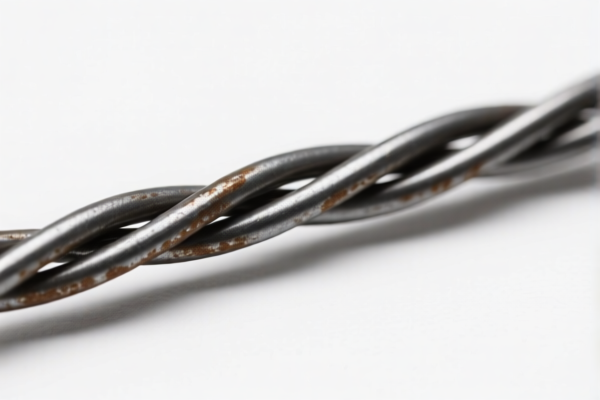
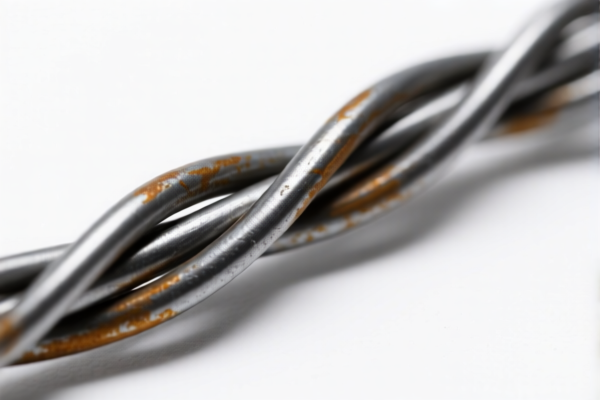
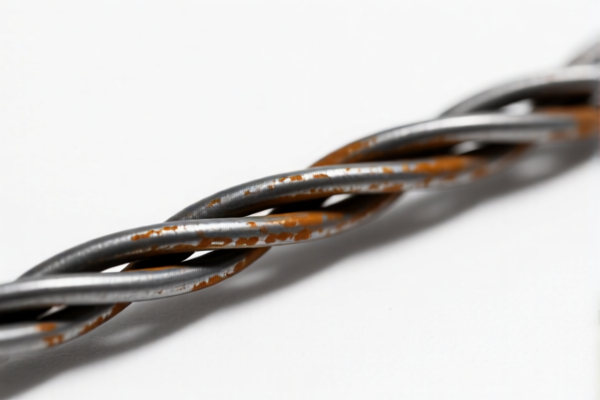
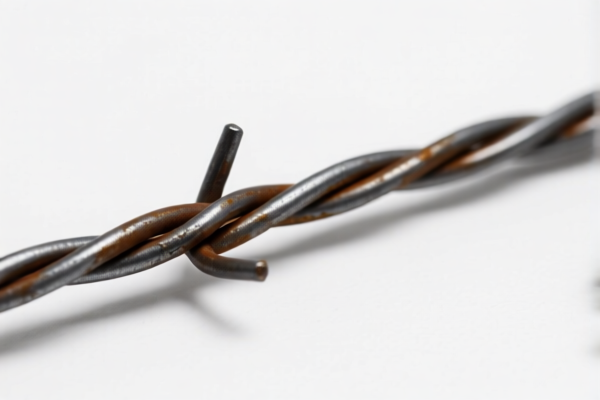
AI Analysis
🔥 Heating Wires (Resistive Heating Elements)
🌐 HS Code Reference & Customs Clearance Guide | 2026 Latest Tariff Analysis | Professional Clearance Strategy
📌 I. Product Definition & Classification: Do You Really Understand "Heating Wire"?
Heating wires, commonly known as resistive heating elements, are the core components in almost all electric heating appliances. They convert electrical energy into thermal energy through resistance. In international trade, the classification depends heavily on material composition and specific function:
1. Carbon/Graphite Based: If the wire is made of carbon, graphite, or similar non-metallic conductive materials (often used in high-temp industrial furnaces or specific carbon fiber heaters), it falls under Chapter 85 as carbon articles. 2. Metal Alloy Based (Ni-Cr, Fe-Cr-Al): Most common household and industrial heating wires are made of nickel-chromium or iron-chromium-aluminum alloys. These are typically classified as parts of electric heaters or other metallic articles. 3. Standalone Heating Appliances: If the wire is integrated into a specific device (like a heater or hair dryer), it might be classified as the appliance itself or its parts.
⚠️ Key Distinction Point:
- If the material is Carbon/Graphite → Look at 8545;
- If the material is Metal (Steel/Iron/Nickel) and used as a general "other article" → Look at 7326;
- If the wire is part of an Electric Heater or a Part of a Heater → Look at 8516.
📦 II. HS Code Classification Details (2026 Latest Tariff Authority Comparison)
Based on the provided data, here are the five most likely HS Code classifications for "Heating Wire," along with their matching logic and tax implications.
| HS Code | Product Description | Matching Logic & Summary | Total Tax Rate |
|---|---|---|---|
| 8545.90.40.00 | Carbon Articles for Electrical Purposes | Material Inference: Infers the material is conductive metal or graphite. The function is electrical heating. Fits "Carbon Articles/Other" for electrical purposes without material conflict. | 35.0% |
| 7326.90.86.88 | Other Articles of Iron or Steel | Material Inference: Infers metal material (Fe/Steel/Ni-Cr alloy). Fits "Other articles of iron or steel" attribute. Form is "Other" article. No obvious classification conflict. | 87.9% |
| 8516.79.00.00 | Other Electric Heating Appliances | Function Inference: Heating wires are electric heating elements. Function aligns with electric heating appliances. Inferred material is metal wire, consistent with electric heater properties. Fits "Other electric heating appliances." | 12.7% |
| 8545.19.40.00 | Other Electrodes (Carbon/Graphite) | Component Inference: Infer heating wire is made of Ni-Cr alloy or similar, part of electrode/electrical connection assemblies. Matches "Other electrodes" material attributes. Fits "Other" category fallback logic. | 35.0% |
| 8516.90.05.00 | Parts of Electric Heaters | Functional Inference: Heating wires are heating elements. Fits the definition of "Parts of heaters or heating equipment" (formally belongs to heating assemblies). | 38.7% |
🔍 Critical Note:
- 8516.79.00.00 offers the lowest total tax rate (12.7%) but requires the item to be classified as an "appliance" or broadly "electric heating device." This is often the best route if the wire can be described as a self-contained heating unit. - 7326.90.86.88 has the highest tax rate (87.9%) due to the "Section II/IV Steel/Aluminum/Copper Products Additional Tariff 50%"叠加 on top of standard tariffs. This should be avoided if possible. - 8545 Codes (35.0%) assume the wire is Carbon/Graphite. If it is metal, this classification may be rejected by customs as a material mismatch.
💰 III. 2026 Latest Tariff Rate Details (Including Surcharges & Policy Add-ons)
✅ Applicable Country: United States (US)
✅ Country of Origin: China (CN)
✅ Effective Date: From November 10, 2025 (and subsequent imports)
🎯 1. 8516.79.00.00 — Other Electric Heating Appliances (Lowest Tax Strategy)
| Item | Content |
|---|---|
| Base Tariff | 2.7% (ad valorem) |
| USITC Additional Tariff | +0.0% (No 301 Tariff for this subheading) |
| IEEPA Additional Tariff | +10.0% (Targeting China/HK products) |
| Total Tax Rate | 12.7% |
| Tax Calculation | CIF Value × 12.7% |
| De Minimis Eligibility | ❌ No (deny_de_minimis) |
| Legal Basis Path | IEEPA:9903.01.25 → IEEPA:9903.01.24 → USITC:8516.79.00.00 |
📌 Explanation:
- This is the most cost-effective classification if the customs authority accepts the heating wire as an "electric heating appliance" rather than a component. - The 10% IEEPA tariff is the only surcharge. - Warning: Ensure the product description justifies "Appliance" status (e.g., "Self-contained heating element module").
🎯 2. 8516.90.05.00 — Parts of Electric Heaters
| Item | Content |
|---|---|
| Base Tariff | 3.7% |
| USITC Additional Tariff | +25.0% (Section 301 Tariff) |
| IEEPA Additional Tariff | +10.0% |
| Total Tax Rate | 38.7% |
| Tax Calculation | CIF Value × 38.7% |
| De Minimis Eligibility | ❌ No |
| Legal Basis Path | IEEPA:9903.01.25 → IEEPA:9903.01.24 → USITC:8516.90.05.00 |
📌 Note:
- If the wire is clearly a "part" (e.g., sold separately for repair), it cannot use the lower "appliance" rate. - The 25% 301 tariff is applied because this falls under the general heating appliance parts category.
🎯 3. 8545.90.40.00 & 8545.19.40.00 — Carbon/Graphite Articles (High Tax)
| Item | Content |
|---|---|
| Base Tariff | 0.0% |
| USITC Additional Tariff | +25.0% |
| IEEPA Additional Tariff | +10.0% |
| Total Tax Rate | 35.0% |
| Tax Calculation | CIF Value × 35.0% |
| De Minimis Eligibility | ❌ No |
📌 Explanation:
- These codes apply only if the heating wire is made of Carbon or Graphite. - If you ship a standard Ni-Cr metal wire under this code, Customs will likely reclassify it, leading to penalties and delays.
🎯 4. 7326.90.86.88 — Other Iron/Steel Articles (Highest Tax Risk)
| Item | Content |
|---|---|
| Base Tariff | 2.9% |
| USITC Additional Tariff | +25.0% |
| IEEPA Additional Tariff | +10.0% |
| Section II Additional Tariff | +50.0% (Steel/Aluminum/Copper Products) |
| Total Tax Rate | 87.9% |
| Tax Calculation | CIF Value × 87.9% |
| De Minimis Eligibility | ❌ No |
📌 Critical Warning:
- This rate includes the 50% Section II Tariff for steel products. - Avoid this code unless the item is strictly defined as a generic steel article with no electrical function. Using this for a heating element is inefficient and expensive.
🛠️ IV. Customs Clearance Practical Advice (Battle-Tested Pitfall Guide)
✅ 1. Required Documentation Checklist (Non-negotiable)
| Document | Mandatory? | Description |
|---|---|---|
| ✅ Product Specification Sheet | ✔️ | Must include: Material (Ni-Cr, Graphite, etc.), Resistance Value (Ohms), Voltage, Power (Watts), Dimensions. |
| ✅ Material Test Report | ✔️ | Crucial: Proves the material is NOT just "steel" but a specific alloy or carbon. Needed for 8545 vs 7326 distinction. |
| ✅ Product Photos | ✔️ | Clear shots of the coil, ends (terminals), and insulation. Shows it’s an electrical component. |
| ✅ Commercial Invoice | ✔️ | Must state: "Heating Wire/Element for Electrical Heating," NOT just "Metal Wire." |
| ✅ Packing List | ✔️ | Show units per box. |
| ✅ Certificate of Origin (CO) | ✔️ | Required for IEEPA exemption checks (if applicable to other countries, but for China origin, it confirms tariff status). |
✅ 2. Declaration Tips (Key Mantra)
🔥 "Material Defines Code, Function Defines Rate, Avoid 'Steel' Trap!"
| Scenario | Correct Declaration | Incorrect Practice |
|---|---|---|
| Ni-Cr Alloy Wire | 8516.79.00.00 (Electric Heater) or 8516.90.05.00 (Part) |
Declaring as "Steel Wire" → 87.9% Tax |
| Graphite Heating Element | 8545.90.40.00 |
Declaring as "Metal Heater" → Mismatch |
| Standalone Coil Module | 8516.79.00.00 |
Declaring as "Part" → 38.7% Tax |
| Wire sold with heater | Integrated Declaration | Split declaration → Complex & Risky |
✅ 3. Special Case Handling
| Situation | Handling Advice |
|---|---|
| Customs Questions Material | Provide a Material Safety Data Sheet (MSDS) or Alloy Composition Report. If it says "Nickel-Chromium," it’s not simple "Iron/Steel." |
| Customs Questions Function | Provide a functional description: "Converts electricity to heat via resistance." Link it to Chapter 85 (Electrical Machinery). |
| OEM Custom Wire | Provide customer drawings and specifications. Show it’s a specialized electrical component, not a general hardware item. |
| Small Quantities (De Minimis) | ❌ Do NOT rely on De Minimis. The tax rates are high, and "deny_de_minimis" status applies. Pay the duties upfront. |
🌍 V. Global Main Market Customs Comparison (2026 Latest)
| Country/Region | Recommended HS Code | Tariff Rate (China Origin) | Certification Requirements | Notes |
|---|---|---|---|---|
| 🇺🇸 USA | 8516.79.00.00 |
12.7% (Best Case) | FCC (if applicable), UL | Avoid 7326 (87.9%). Carbon wires are 35%. |
| 🇨🇳 China | 8516.79.00.00 |
~13% (Import) | CCC (for finished appliances) | N/A for exports |
| 🇪🇺 EU | 8516.79.00.00 |
0% - 4% | CE, RoHS, REACH | No major trade wars on this specific HS. |
| 🇬🇧 UK | 8516.79.00.00 |
4% | UKCA, UKCA | Post-Brexit rules apply. |
| 🇯🇵 Japan | 8516.79.00.00 |
0% - 2% | PSE | Low tariffs, high compliance standards. |
📌 Conclusion:
- The US is the most challenging market due to Section 301 and IEEPA tariffs. - Optimizing the HS Code to8516.79.00.00(Electric Heater/Element) can save ~26% in taxes compared to "Parts" (8516.90) and ~75% compared to "Steel Articles" (7326). - Europe/Japan remain low-tax markets for this product.
📌 VI. Common Errors & Pitfall Guide (Blood & Tears Lessons)
❌ Error 1: Declaring "Heating Wire" as "Iron Wire" or "Steel Wire" (7326)
👉 Consequence: Attracts the 50% Section II Steel Tariff. Total tax hits 87.9%.
✅ Fix: Emphasize Electrical Resistance and Alloy Composition (Ni-Cr) in description.
❌ Error 2: Declaring Metal Wire as Carbon/Graphite (8545)
👉 Consequence: Customs inspection reveals metal material. Penalty + Back Tax.
✅ Fix: Only use 8545 if you have proof the product is Carbon/Graphite.
❌ Error 3: Declaring a Standalone Heating Coil as a "Part" (8516.90)
👉 Consequence: Tax jumps from 12.7% to 38.7%.
✅ Fix: If the coil is self-contained and functional, declare as "Other Electric Heating Appliance" (8516.79).
❌ Error 4: Missing Material Specs on Invoice
👉 Consequence: Customs cannot determine if it’s 8545, 7326, or 8516. Delays for 2-4 weeks.
✅ Fix: Always include "Material: Nickel-Chromium Alloy 80/20" on the commercial invoice.
🎯 VII. Conclusion: Professional Declaration Saves Money!
🎯 Remember the Mantra:
🔹 "Alloy is Key, Carbon is Rare, Avoid Steel Trap, Heater Rate is Best!"
🔹 "HS Code Determines Life or Death, Tax Rate Differs by 75%, Declare Correctly, Profit Doubles!"
📌 Pro Tip:
If your heating wire is non-chinese origin (e.g., assembled in Vietnam or Thailand with Chinese components), verify the Rules of Origin. You may be able to claim IEEPA Exemption or lower tariffs under USMCA (Mexico) or ASEAN agreements.
Action:
📞 Contact a Professional Customs Broker + Provide Material Composition Report + Apply for HS Code Pre-Ruling.
🚀 Let your heating wire clear customs smoothly, maximize profit, and scale efficiently!
✨ Professional Customs Clearance Starts with Accurate Classification!
💼 Every cent of cost deserves precise calculation!
Customer Reviews
About HS Code Classification
The Harmonized System (HS) is an internationally standardized nomenclature developed by the World Customs Organization (WCO) to classify traded products. Over 200 countries use the HS system as the basis for customs tariffs, trade statistics, and import/export regulations.
Each HS code follows a hierarchical structure:
- Chapter (2 digits) — Broad category of goods (e.g., Chapter 84: Machinery and Mechanical Appliances)
- Heading (4 digits) — More specific grouping within the chapter
- Subheading (6 digits) — Internationally standardized breakdown, used by all WCO member countries
- National subdivisions (8-10 digits) — Country-specific extensions for further classification, such as US HTSUS 10-digit codes
Correct HS code classification is essential for smooth customs clearance, accurate duty payment, and compliance with trade regulations. Misclassification can lead to customs delays, overpayment of duties, or penalties.
When importing from CN to US, the applicable tariff rates may include:
- Most-Favored-Nation (MFN) rate — The standard duty rate applied to WTO members
- General rate — Applied to countries without trade agreements
- Trade remedy duties — Additional tariffs such as Section 301 (anti-dumping), Section 232 (national security), or countervailing duties
The information provided on this page is for reference purposes only. For official classification, please consult with your local customs authority or a licensed customs broker.