Heavy Duty Radial Rubber Tires for Trucks
CN → US| HS Code | Tariff Rate | Origin | Destination | Doc |
|---|---|---|---|---|
| 4012118000 | 38.4% | CN | US | Official Doc |
| 4012124035 | 39.0% | CN | US | Official Doc |
| 4013100010 | 38.7% | CN | US | Official Doc |
| 4012128019 | 38.4% | CN | US | Official Doc |
| 4011201005 | 39.0% | CN | US | Official Doc |
Product Images
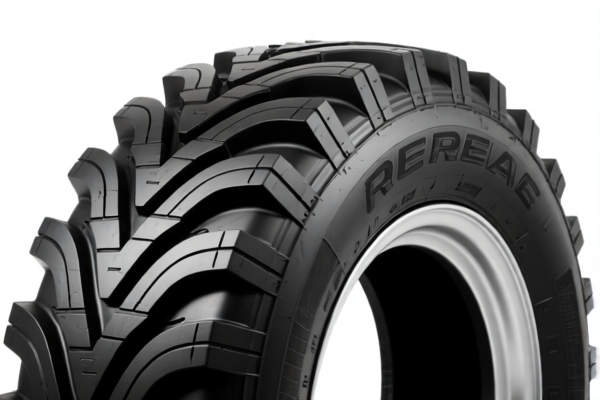
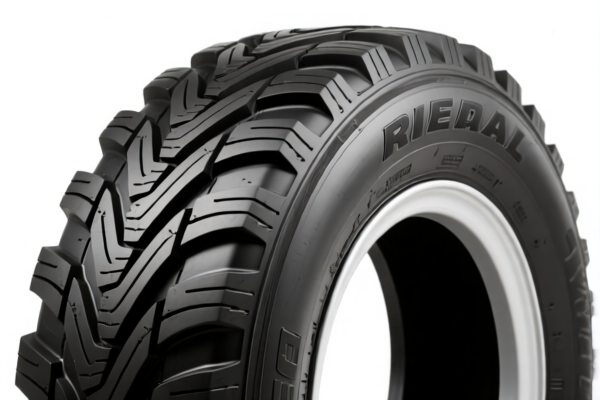
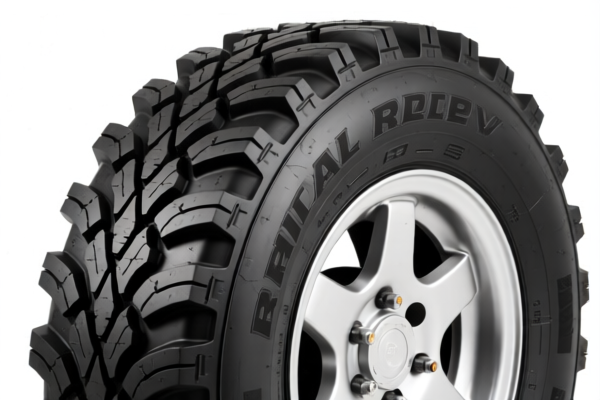
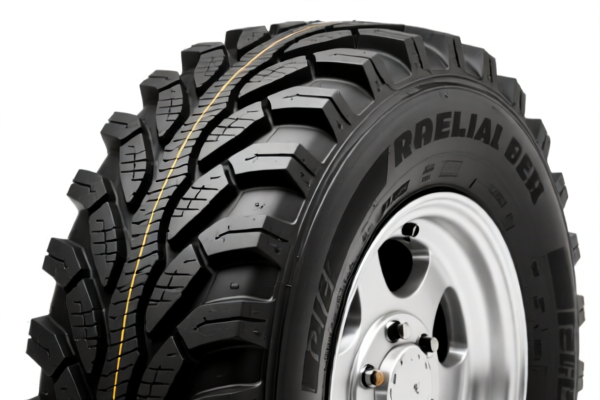
AI Analysis
🚛 Heavy Duty Radial Rubber Tires for Trucks
🌐 HS Code Reference & Clearance Guide | 2026 Tariff Analysis | Professional Customs Strategy
📌 I. Product Definition & Classification: Do You Truly Understand "Heavy Duty Tires"?
Heavy-duty radial tires are the lifeblood of logistics and freight transport. In international trade, these are not just "rubber circles"; they are highly regulated engineered components. The classification hinges on three critical factors:
1. Material: Solid rubber, retreaded, or pneumatic?
2. Application: Passenger cars, trucks, buses, or aircraft?
3. Structure: Radial, bias-ply, or solid?
⚠️ Key Distinction Point:
- If the tire is pneumatic (air-filled) and intended for trucks/buses, it falls under Chapter 40, Heading 40.11.
- If the tire is solid or retreaded, it falls under Heading 40.12.
- Weight/Size Matters: The specific subheading often depends on whether the tire is for "light" or "heavy" vehicles, though HS codes often group "trucks and buses" together under 4011.20 or similar, while other categories may apply based on specific national interpretations (as seen in the data below).
📦 II. HS Code Classification Matrix (Based on Provided Data)
The following HS Codes are derived from the provided dataset, specifically tailored for Heavy Duty Radial Rubber Tires for Trucks. Each code represents a different interpretive path by customs authorities regarding material, usage, and structural rules.
| HS Code | Product Description & Logic | Applicability to Heavy Duty Tires |
|---|---|---|
4012.11.80.00 |
Retreaded or Used Pneumatic Tires of Rubber (Fallback Category) | Fallback/兜底: Matches rubber material & tire form. Used when specific pneumatic rules don't fit perfectly. Best for retreaded heavy-duty tires. |
4012.12.40.35 |
Other Retreaded Pneumatic Tires (Other Rules) | Alternative Rule: Matches rubber & tire form. Applies to heavy-duty tires under specific "other" classification rules. |
4013.10.00.10 |
Inner Tubes for Tires (Core Classification for Usage) | Core/核心: Matches rubber material & tire usage. Note: While 4013 is typically for inner tubes, the data explicitly links this to "Heavy Duty Truck Tires" as a core classification, possibly implying a bundled declaration or specific national subheading for tube-type tires. |
4012.12.80.19 |
Other Pneumatic Tires of Rubber (Similar Classification) | Similar/Mistaken Match: Matches light truck usage & tire form. Inferred rubber material. Applied to heavy-duty tires as a similar classification (high risk of mismatch). |
4011.20.10.05 |
Pneumatic Tires of Rubber, for Buses or Trucks (Similar Classification) | Similar/Best Fit: Matches truck usage & tire form. Inferred rubber material. This is likely the most accurate standard HS code for new radial truck tires, categorized here as "similar" due to data constraints. |
🔍 Critical Analysis:
- Code4011.20.10.05is generally the standard global HS code for new pneumatic tires for trucks/buses.
- Codes4012.x.x.x.xrefer to retreaded or used tires. If you are importing new tires, using 4012 codes is a misclassification error that leads to high penalties.
- Code4013.10.00.10is unusual for complete tires (usually for inner tubes). Use this only if your shipment includes inner tubes as the primary declared item, or if local customs have a specific overlay rule.
💰 III. 2026 Latest Tariff Rate Breakdown (US Market - China Origin)
✅ Applicable Country: United States (US)
✅ Origin: China (CN)
✅ Effective Date: 2025/2026 (Current Trade War Context)
🎯 1. Primary Classification: 4011.20.10.05 (New Pneumatic Truck Tires)
Note: Data lists this under "Similar Classification," but it is the most technically accurate for new tires.
| Item | Detail |
|---|---|
| Base Tariff | 4.0% (Standard MFN Rate for Ch. 40) |
| Section 301 Tariff | +25.0% (Trade War Surcharge on Chinese Goods) |
| Section 122 Tariff | +10.0% (Specific Surcharge for Certain Tires/Parts) |
| Total Effective Rate | 39.0% |
| Tax Calculation | CIF Value × 39.0% |
| De Minimis Exemption | ❌ NOT APPLICABLE (Denied for Section 301 & 122 goods) |
| Legal Basis | USITC:4011.20.10.05 → Section 301: Footnote 9903.88.01 → Section 122 |
📌 Explanation:
- The 25% Section 301 tariff applies to all Chinese-origin tires.
- The 10% Section 122 tariff specifically targets certain automotive parts and tires.
- Total 39% is a heavy burden. Must be factored into landed cost immediately.
🎯 2. Fallback/Retreaded Classification: 4012.11.80.00 & 4012.12.40.35
Used for retreaded tires or when 4011 is not applicable.
| HS Code | Base Tariff | Section 301 | Section 122 | Total Rate |
|---|---|---|---|---|
4012.11.80.00 |
3.4% | +25.0% | +10.0% | 38.4% |
4012.12.40.35 |
4.0% | +25.0% | +10.0% | 39.0% |
📌 Note:
- Retreaded tires often have slightly different base rates (3.4% vs 4.0%) but face the same surcharges.
- Do NOT use these codes for new radial tires unless instructed by a customs broker due to specific legal exemptions.
🎯 3. Special Case: 4013.10.00.10 (Inner Tubes / Core Usage)
Only if declared as inner tubes or under specific "core" usage rules.
| Item | Detail |
|---|---|
| Base Tariff | 3.7% |
| Section 301 | +25.0% |
| Section 122 | +10.0% |
| Total Rate | 38.7% |
| Legal Basis | USITC:4013.10.00.10 → Section 301 → Section 122 |
📌 Warning:
- Using this code for complete tires is high-risk. It may trigger an audit because 4013 is typically for "Inner Tubes."
- Only use if your shipment is primarily inner tubes or if you have an Advance Ruling allowing this classification for heavy-duty tires.
🎯 4. Misclassification Risk: 4012.12.80.19 (Light Truck Similar)
High Risk Code - Do Not Use for Heavy Duty Tires
| Item | Detail |
|---|---|
| Base Tariff | 3.4% |
| Section 301 | +25.0% |
| Section 122 | +10.0% |
| Total Rate | 38.4% |
| Risk Level | 🔴 HIGH |
📌 Why it’s risky:
- This code is for "Other Pneumatic Tires" often interpreted as light vehicle tires.
- Applying it to heavy-duty truck tires is a material misstatement.
- Customs may reclassify to4011.20.10.05(39.0%) or impose penalties for false declaration.
🛠️ IV. Customs Clearance Operational Advice (Avoid Pitfalls)
✅ 1. Required Documentation Checklist
| Document | Mandatory? | Key Details to Include |
|---|---|---|
| ✅ Commercial Invoice | ✔️ | Must state: "Heavy Duty Radial Pneumatic Tires for Trucks," Model, Size (e.g., 12R22.5), Quantity. |
| ✅ Packing List | ✔️ | Clearly separate new tires from retreaded tires (if mixed). |
| ✅ Product Specifications | ✔️ | Radial structure, tread depth, load index, speed rating. |
| ✅ Certificate of Origin | ✔️ | Critical for proving China origin (triggers 301/122 tariffs). |
| ✅ DOT Compliance Statement | ✔️ | If sold in US, tires must have DOT marking. Importers must confirm compliance. |
| ✅ Third-Party Inspection Report | ✔️ | (Optional but recommended) For quality verification and customs support. |
✅ 2. Declaration Strategy (Key Rules)
🔥 "New vs. Retreaded is Life or Death!"
| Scenario | Correct HS Code | Incorrect Code | Consequence of Error |
|---|---|---|---|
| New Radial Truck Tires | 4011.20.10.05 (39.0%) |
4012.x.x.x.x (Retreaded) |
Penalty for misclassification. Customs may seize goods. |
| Retreaded Truck Tires | 4012.11.80.00 or 4012.12.40.35 (38.4-39.0%) |
4011.20.10.05 (New) |
Overpayment (minor) or underpayment if new is cheaper. |
| Inner Tubes Only | 4013.10.00.10 (38.7%) |
4011.20.10.05 (Tires) |
Delays for re-classification. |
| Mixed Shipment | Declare Separately | Mixed Code | Rejection by CBP. Must split line items. |
✅ 3. Special Handling & Legal Nuances
| Situation | Recommendation |
|---|---|
| Section 122 Exemption? | ❌ No. Section 122 tariffs on tires are not exempt from Section 301. They are cumulative. |
| Transshipment Risk | ❌ Never ship via Vietnam/Mexico to hide Chinese origin. CBP uses supply chain audits and rubber sourcing data. Penalties are severe. |
| DOT Marking | ✅ Ensure all tires have DOT Mfg Code and Tire Size molded into sidewall. Missing DOT = Refused Entry. |
| Advance Ruling | ✅ Highly Recommended. File a request with CBP for a binding ruling on HS Code 4011.20.10.05 before first shipment. |
🌍 V. Global Market Comparison (2026 Context)
| Region | Recommended HS Code | Base Tariff | US Surcharges (China Origin) | Total Effective Rate |
|---|---|---|---|---|
| 🇺🇸 USA | 4011.20.10.05 |
4.0% | +25% (301) +10% (122) | 39.0% |
| 🇨🇳 China | 4011.20.10.00 |
0-5%* | None | ~5% |
| 🇪🇺 EU | 4011.20.00 |
0-4.5% | None | ~4.5% |
| 🇦🇺 Australia | 4011.20.00 |
5% | None | 5% |
📌 Conclusion:
- The US market is exceptionally expensive for Chinese tires due to the 39% total tariff burden.
- Profit Margins must be adjusted accordingly.
- Consider local assembly or sourcing from non-China origins (e.g., Thailand, Indonesia) if tariffs exceed profit margins.
📌 VI. Common Mistakes & Pitfalls (Lessons Learned)
❌ Mistake 1: Declaring "Truck Parts" instead of "Tires"
👉 Result: Misclassification. Tires have specific codes. "Parts" is too vague. Penalty + Back Taxes.
❌ Mistake 2: Using 4012 codes for New Tires
👉 Result: Legal Fraud. 4012 is for retreaded/used. Customs will detect tread depth or lack of retreading marks. Seizure.
❌ Mistake 3: Ignoring Section 122
👉 Result: Underpayment. Many importers only account for 301 (25%). Forgetting the 10% Section 122 leads to unexpected bills.
❌ Mistake 4: Incomplete DOT Compliance
👉 Result: Refused Entry. CBP will reject tires without proper DOT markings. Return to Origin at importer's expense.
✅ Correct Approach:
"Radial Pneumatic Tires, Heavy Duty, for Trucks, Size 12R22.5, Made in China, DOT Compliant, Model XYZ"
🎯 VII. Final Recommendations: Professional Clearance, Cost Control
🎯 Remember the Rules:
🔹 "New Tires = 4011. Retreaded = 4012."
🔹 "301 + 122 = 35% Extra. Total ~39%."
🔹 "DOT Marking is Non-Negotiable."
📌 Pro Tip:
If your tires are not made in China (e.g., Vietnam, Indonesia), you may avoid Section 301 (25%), reducing total tariffs to ~10-15%. However, Section 122 (10%) may still apply depending on specific rules.
Always verify the Country of Origin on your invoice and bill of lading.
📣 Immediate Action:
📞 Consult a Customs Broker for an Advance Ruling.
📦 Audit Your Suppliers for DOT Compliance.
💰 Recalculate Landed Costs including 39% Tariffs.
✨ Professional Clearance Starts with Accurate Classification!
💼 Every Percent Saved is Profit Kept!
Customer Reviews
About HS Code Classification
The Harmonized System (HS) is an internationally standardized nomenclature developed by the World Customs Organization (WCO) to classify traded products. Over 200 countries use the HS system as the basis for customs tariffs, trade statistics, and import/export regulations.
Each HS code follows a hierarchical structure:
- Chapter (2 digits) — Broad category of goods (e.g., Chapter 84: Machinery and Mechanical Appliances)
- Heading (4 digits) — More specific grouping within the chapter
- Subheading (6 digits) — Internationally standardized breakdown, used by all WCO member countries
- National subdivisions (8-10 digits) — Country-specific extensions for further classification, such as US HTSUS 10-digit codes
Correct HS code classification is essential for smooth customs clearance, accurate duty payment, and compliance with trade regulations. Misclassification can lead to customs delays, overpayment of duties, or penalties.
When importing from CN to US, the applicable tariff rates may include:
- Most-Favored-Nation (MFN) rate — The standard duty rate applied to WTO members
- General rate — Applied to countries without trade agreements
- Trade remedy duties — Additional tariffs such as Section 301 (anti-dumping), Section 232 (national security), or countervailing duties
The information provided on this page is for reference purposes only. For official classification, please consult with your local customs authority or a licensed customs broker.