Heavy duty Clamp
CN → US| HS Code | Tariff Rate | Origin | Destination | Doc |
|---|---|---|---|---|
| 8466201010 | 39.6% | CN | US | Official Doc |
| 8466208040 | 38.7% | CN | US | Official Doc |
| 8205700090 | 40.0% | CN | US | Official Doc |
| 7326908630 | 87.9% | CN | US | Official Doc |
| 8205700060 | 40.0% | CN | US | Official Doc |
| 7326908688 | 87.9% | CN | US | Official Doc |
Product Images
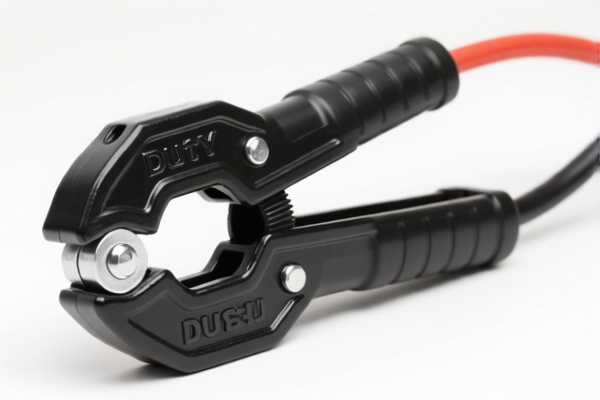
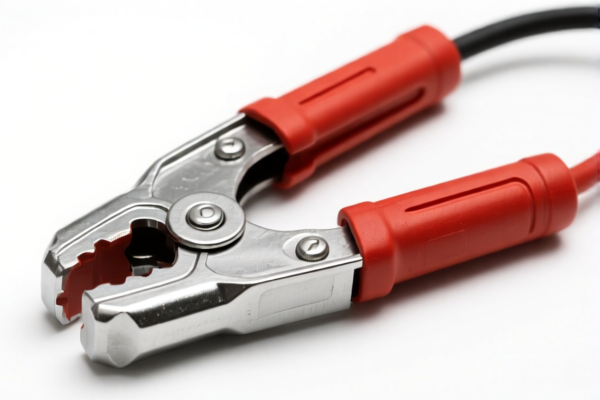
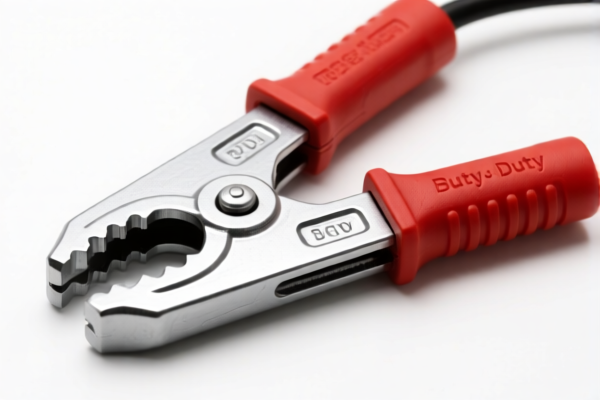
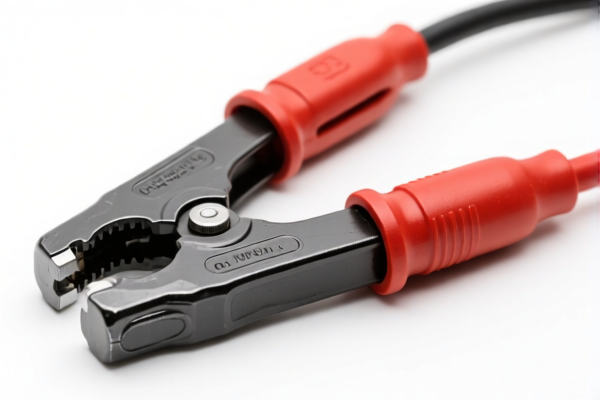
AI Analysis
🛠️ Heavy Duty Clamp (Industrial Jigs & Fixtures)
🌐 HS Code Reference & Customs Clearance Guide | 2026 Latest Tariff Analysis | Professional-Level Strategy
📌 Part 1: Product Definition & Classification: Do You Really Understand "Clamps"?
In international trade, "Heavy Duty Clamps" are ambiguous. They can refer to Jigs and Fixtures (used in machining to hold workpieces) or Pliers/Gripping Tools (manual or mechanical gripping devices). The classification depends entirely on the specific function, structure, and material, leading to vastly different tax outcomes.
⚠️ Key Distinction Point:
- If used to hold, support, or position a workpiece during machining/assembly (e.g., drilling, welding, milling) → Classified as Jigs and Fixtures (Usually HS 8466).
- If used as a gripping tool to hold objects together mechanically (e.g., clamps, tongs, pliers) → Classified as Hand Tools/Other Articles (Usually HS 8205 or 7326).
- Material Conflict: Steel/Aluminum/Copper clamps often face higher "Section 232" tariffs (50%) if misclassified under general steel articles (7326), whereas specialized machine tools (8466) face "Section 301/IEEPA" tariffs (25-35%).
📦 Part 2: HS Code Classification Details (2026 Latest Tariff Authority Comparison)
Based on the provided data, here are the 6 possible classifications for "Heavy Duty Clamp," ranging from optimal to high-risk.
| HS Code | Product Description | Application Scenario | Tax Rate (Total) | Risk Level |
|---|---|---|---|---|
8466.20.10.10 |
Jigs and Fixtures: Specifically for machine tools; core purpose matches "Fixture". | Machining center fixtures, welding jigs, assembly holders. | 39.6% | 🟢 Low (Best Match) |
8466.20.80.40 |
Jigs and Fixtures: Other jigs and fixtures; default metallic/composite assumption. | General industrial fixtures; no material conflict noted. | 38.7% | 🟢 Low (Good Alternative) |
8205.70.00.90 |
Other Tools: Pliers and similar articles; "Other" category; high functional match. | Manual clamps, locking pliers, grippers. | 40.0% | 🟡 Medium (Functional Match) |
8205.70.00.60 |
Other Tools: Clamps and similar articles; exact functional match. | Industrial gripping devices, non-machining clamps. | 40.0% | 🟡 Medium (Functional Match) |
7326.90.86.30 |
Other Articles of Iron/Steel: Supports/brackets for pipes and tubes. | Pipe hangers, structural supports, steel brackets. | 87.9% | 🔴 High (Material Conflict) |
7326.90.86.88 |
Other Articles of Iron/Steel: Parts/accessories; default ferrous assumption. | Generic steel parts, generic brackets. | 87.9% | 🔴 High (Material Conflict) |
🔍 Critical Reminder:
- Do NOT classify standard Machining Fixtures as "Steel Articles" (7326). While the material is steel, the function as a "Jig/Fixture" takes precedence under Chapter 84. Misclassification leads to a 48%+ tax increase (from ~40% to ~88%).
- Chapter 84 (Jigs/Fixtures) incurs Section 301/IEEPA tariffs.
- Chapter 73/82 (Steel/Tools) may incur Section 232 tariffs (50%) on steel/aluminum/copper, in addition to base and 301/IEEPA taxes.
💰 Part 3: 2026 Latest Tariff Rate Breakdown (Including Surtaxes & Policy Add-ons)
✅ Applicable Country: United States (US)
✅ Origin: China (CN)
✅ Effective Time: 2025/2026 Tariff Schedule
🎯 1. 8466.20.10.10 & 8466.20.80.40 — Jigs and Fixtures (Recommended)
These codes are categorized under Chapter 84 (Nuclear reactors, boilers, machinery). They are subject to Section 301 (Trade Act of 1974) and IEEPA (International Emergency Economic Powers Act) tariffs.
| Item | Content for 8466.20.10.10 |
Content for 8466.20.80.40 |
|---|---|---|
| Base Tariff | 4.6% | 3.7% |
| Section 301 Surtax | +25.0% | +25.0% |
| IEEPA Surtax | +10.0% | +10.0% |
| Total Tariff | 39.6% | 38.7% |
| Calculation | CIF Value × 39.6% | CIF Value × 38.7% |
| De Minimis | ❌ Denied (High value items) | ❌ Denied (High value items) |
📌 Explanation:
- Section 301 (25%): The standard "Trade War" tariff on Chinese machinery parts.
- IEEPA (10%): Additional tariff on specific Chinese industrial goods.
- Base Tariff: Varies slightly by specific sub-heading (10 vs 80).
- No Section 232: Chapter 84 generally avoids the 50% steel tariff because these are considered "Machinery Accessories," not raw steel articles.
🎯 2. 8205.70.00.90 & 8205.70.00.60 — Pliers & Similar Articles (Alternative)
Classified under Chapter 82 (Tools, Implements, etc.). These are subject to Section 301 and IEEPA, but NOT typically Section 232 (unless specifically designated as stainless steel tools, which is rare for general clamps).
| Item | Content |
|---|---|
| Base Tariff | 5.0% |
| Section 301 Surtax | +25.0% |
| IEEPA Surtax | +10.0% |
| Total Tariff | 40.0% |
| Calculation | CIF Value × 40.0% |
📌 Explanation:
- Slightly higher base rate (5.0%) than Chapter 84, but functionally identical for gripping tools.
- Useful if the product is a manual tool (like locking pliers) rather than a machine-mounted fixture.
🎯 3. 7326.90.86.30 & 7326.90.86.88 — Other Articles of Iron/Steel (High Risk)
Classified under Chapter 73 (Articles of Iron/Steel). DANGER ZONE: These are subject to Section 232 (National Security) tariffs on steel/aluminum/copper.
| Item | Content |
|---|---|
| Base Tariff | 2.9% |
| Section 301 Surtax | +25.0% |
| IEEPA Surtax | +10.0% |
| Section 232 Surtax | +50.0% (For Steel/Aluminum/Copper) |
| Total Tariff | 87.9% |
| Calculation | CIF Value × 87.9% |
📌 Critical Warning:
- Section 232 (50%): Applies to iron and steel products.
- If you classify a "Clamp" as a generic "Steel Bracket" (7326) instead of a "Machine Fixture" (8466), you pay almost double the tax.
- Customs may challenge 8466 if the fixture is not clearly "specialized for machine tools." However, "Heavy Duty Clamp" in an industrial context usually justifies 8466.
🛠️ Part 4: Customs Clearance Practical Advice (Battle-Proven Pitfall Avoidance)
✅ 1. Document Preparation Checklist (Non-Negotiable)
| Document | Mandatory? | Description |
|---|---|---|
| ✅ Product Specifications | ✔️ | Must clearly state: "Used to hold workpiece during [Milling/Welding/Drilling]." Do not just say "Clamp." |
| ✅ Usage Diagram/Photo | ✔️ | Show the clamp attached to a machine or holding a part in a machining context. |
| ✅ Bill of Lading/Invoice | ✔️ | Describe as: "Jigs and Fixtures for Machine Tools, Steel, Model XYZ" or "Industrial Gripping Fixture." |
| ✅ Material Declaration | ✔️ | Specify if it is Steel, Aluminum, or Composite. If Steel, emphasize it is not a "generic steel article." |
| ✅ Origin Certificate | ✔️ | For US origin, if applicable (to avoid China tariffs), but "Heavy Duty Clamp" from China is subject to tariffs. |
✅ 2. Declaration Strategy (Key Mantra)
🔥 "Function Over Material! Fixtures are Machines, Not Just Steel!"
| Scenario | Correct Declaration | Wrong Declaration | Result |
|---|---|---|---|
| Machining Fixture | 8466.20.10.10 (Jigs & Fixtures) |
"Steel Clamp" or "Bracket" | Save ~48% Tax |
| Manual Locking Pliers | 8205.70.00.60 (Pliers) |
"Steel Tool" (Generic) | Correct at 40% |
| Pipe Hanger/Support | 7326.90.86.30 (Steel Article) |
"Fixture" | Painfully Expensive at 87.9% |
| General Steel Bracket | 7326.90.86.88 (Steel Part) |
"Jig" | Audit Risk + High Tax |
📌 Key Tip:
- If the clamp is mounted on a CNC machine, welding table, or assembly line, it is a Fixture (8466).
- If the clamp is hand-held or standalone for simple holding, it might be a Tool (8205).
- Never declare a specialized jig as a generic "Steel Part" (7326) to "save" on complexity. The Section 232 tariff will destroy your margin.
✅ 3. Special Case Handling
| Case | Handling Advice |
|---|---|
| Custom/Machined Fixtures | Provide engineering drawings showing the specific geometry for holding a workpiece. Justifies HS 8466. |
| Clamps with Pneumatic/Hydraulic Elements | Still HS 8466 if they are fixtures. Do not split into parts. |
| Raw Steel Clamps (Unmachined) | If sold as raw bars to be machined into clamps later, it might be 7304 (Seamless Tubes) or 7228 (Steel Bars). But finished clamps are 8466 or 7326. |
| Aluminum Clamps | Careful! Aluminum clamps in Chapter 73 (if misclassified) also face 50% Section 232. Chapter 84 (8466) avoids Section 232, making it even more critical to use 8466 for Aluminum Fixtures. |
🌍 Part 5: Global Market Customs Comparison (2026 Latest)
| Country/Region | Recommended HS Code | Tariff (China Origin) | Key Certification | Note |
|---|---|---|---|---|
| 🇺🇸 USA | 8466.20.10.10 |
39.6% | None specific | Avoid 7326 (87.9%). High scrutiny on Section 232. |
| 🇨🇳 China | 8466.20.10.10 |
~0-5% | None | Low domestic tax. |
| 🇪🇺 EU | 8466.20.00 |
0-1.7% | CE (if electromechanical) | Generally low tariffs for machinery parts. |
| 🇲🇽 Mexico | 8466.20.01 |
0% (USMCA) | USMCA Certificate | If US origin or sufficient local content. |
| 🇻🇳 Vietnam | 8466.20.00 |
0-1.4% | None | Potential tariff avoidance via transshipment (Risky). |
📌 Conclusion:
- USA is the highest cost market due to Section 301 (25%) + IEEPA (10%).
- Misclassification as Steel (7326) is the #1 error, adding an extra 50%.
- Chapter 84 is the safest and most cost-effective for industrial clamps/fixtures in the US.
📌 Part 6: Common Errors & Pitfalls (Blood Tears Lessons)
❌ Error 1: Declaring "Steel Clamp" as 7326.90.86.88
👉 Consequence: You pay 87.9% instead of 39.6%. Loss of ~48% profit margin.
👉 Why: Customs sees "Steel" → Applies Section 232 (50%). You ignored the "Fixture" function.
❌ Error 2: Declaring "CNC Fixture" as "General Machine Part"
👉 Consequence: Potential misclassification audit. If not specifically "Jigs/Fixtures," it might fall to 8466.80 (Other parts) with different rates.
👉 Fix: Be specific. Use "Jig and Fixture" in the description.
❌ Error 3: Ignoring Material for Aluminum Clamps
👉 Consequence: Aluminum is also subject to Section 232.
👉 Fix: Ensure HS Code is 8466 (Machinery), not 7616 (Aluminum articles). Chapter 84 exemptions from Section 232 are critical for Aluminum.
✅ Correct Declaration Example:
"Industrial Jig and Fixture, Steel, Used to Hold Automotive Parts During Welding Process, Model CLAMP-X, Not for Use as Hand Tool"
🎯 Part 7: Conclusion: Professional Classification Saves Thousands!
🎯 Remember the Mantra:
🔹 "Function First, Material Second! Fixtures are 8466, Not 7326!"
🔹 "Steel Tariff is 50% Extra! Jig Tariff is 25% Fixed!"
🔹 "Check the IEEPA: 10% on Top of 301!"
📌 Pro Tip:
If your clamps are aluminum, classification as 7326 is dangerous. Strictly use 8466 to avoid the 50% Section 232 tariff.
If your clamps are steel, 8466 is still better than 7326 due to the 50% Section 232 surcharge.
📣 Immediate Action:
📞 Contact a Customs Broker + Provide Product Photos Showing Fixturing
🚀 Apply for Advance Ruling (if possible) to lock in HS Code8466.20.10.10and avoid audits.
💼 Your Clamps Are Machinery, Not Just Metal. Classify Accordingly!
✨ Professional Customs Clearance Starts with Precise Classification!
💼 Every 48% Saved is Pure Profit!
Customer Reviews
About HS Code Classification
The Harmonized System (HS) is an internationally standardized nomenclature developed by the World Customs Organization (WCO) to classify traded products. Over 200 countries use the HS system as the basis for customs tariffs, trade statistics, and import/export regulations.
Each HS code follows a hierarchical structure:
- Chapter (2 digits) — Broad category of goods (e.g., Chapter 84: Machinery and Mechanical Appliances)
- Heading (4 digits) — More specific grouping within the chapter
- Subheading (6 digits) — Internationally standardized breakdown, used by all WCO member countries
- National subdivisions (8-10 digits) — Country-specific extensions for further classification, such as US HTSUS 10-digit codes
Correct HS code classification is essential for smooth customs clearance, accurate duty payment, and compliance with trade regulations. Misclassification can lead to customs delays, overpayment of duties, or penalties.
When importing from CN to US, the applicable tariff rates may include:
- Most-Favored-Nation (MFN) rate — The standard duty rate applied to WTO members
- General rate — Applied to countries without trade agreements
- Trade remedy duties — Additional tariffs such as Section 301 (anti-dumping), Section 232 (national security), or countervailing duties
The information provided on this page is for reference purposes only. For official classification, please consult with your local customs authority or a licensed customs broker.