Heavy duty Outdoor High performance Animal Fur Pants
CN → US| HS Code | Tariff Rate | Origin | Destination | Doc |
|---|---|---|---|---|
| 6103498024 | 23.1% | CN | US | Official Doc |
| 6103411010 | 0.0% | CN | US | Official Doc |
| 6104698038 | 23.1% | CN | US | Official Doc |
| 6104610010 | 32.4% | CN | US | Official Doc |
| 6203410110 | 25.1% | CN | US | Official Doc |
| 6203410610 | 0.0% | CN | US | Official Doc |
Product Images
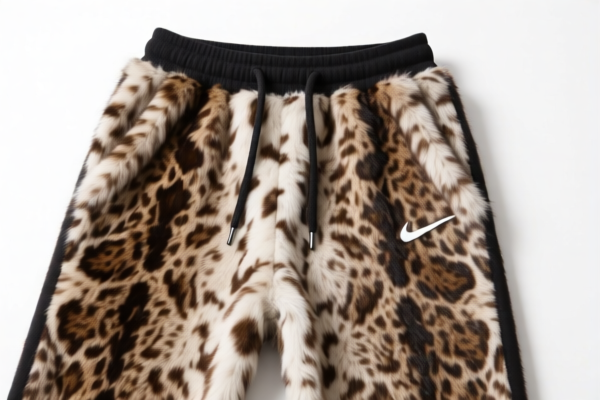
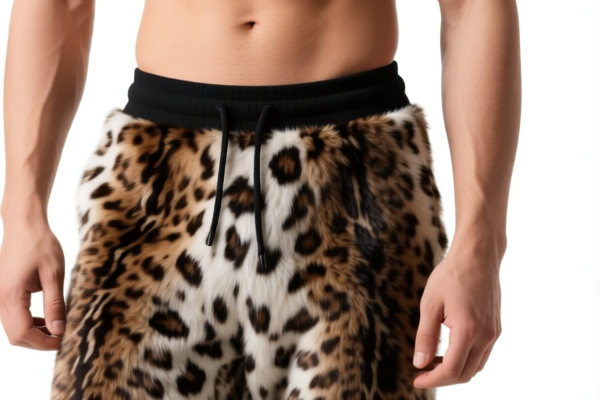
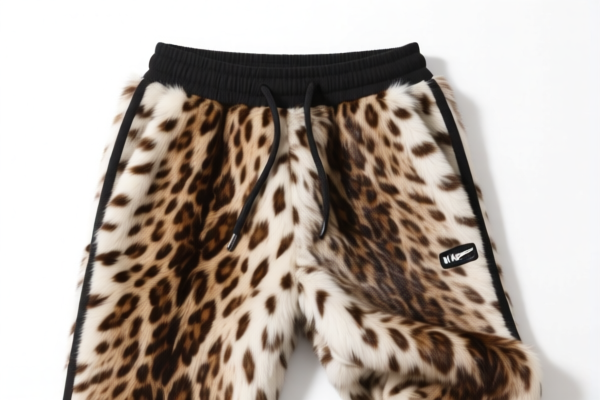
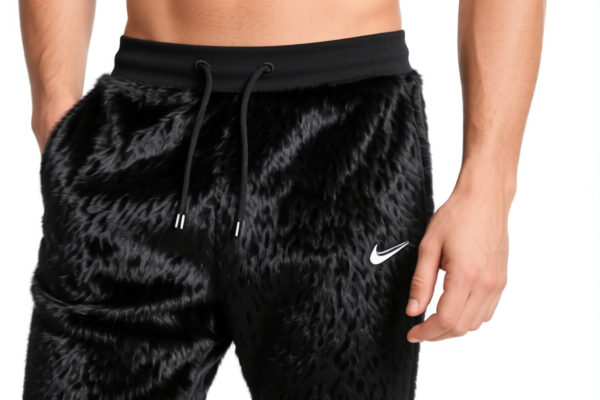
AI Analysis
👖 Heavy Duty Outdoor High Performance Animal Fur Pants
🌐 HS Code Reference & Customs Clearance Guide | 2026 Latest Tariff Analysis | Professional Clearance Strategy
📌 Part 1: Product Definition & Classification: Do You Really Understand "Animal Fur Pants"?
"Heavy Duty Outdoor High Performance Animal Fur Pants" represent a niche but high-value category in international trade. These are not standard winter trousers; they are specialized gear designed for extreme environments, featuring specific material compositions (animal fur/wool) and functional properties ("heavy duty," "outdoor performance"). In international trade, the classification hinges on three critical factors: 1. Material Composition: Is it 100% animal hair/fur, or mixed with other textiles? 2. Product Form: Are they general "trousers," or specifically "long trousers/pants for riding (jodhpurs)"? 3. Knitted vs. Woven: Are they knitted (Chapter 61) or woven (Chapter 62)?
⚠️ Key Distinction Points:
- Chapter 61 (Knitted/Crocheted): If the fabric is knitted, it falls under headings 6103 (Men's/Boys') or 6104 (Women's/Girls').
- Chapter 62 (Woven): If the fabric is woven, it falls under headings 6203 (Men's/Boys') or 6204 (Women's/Girls').
- "Animal Fur" Nuance: HS codes often distinguish between "Of Wool," "Of Fine Animal Hair," and "Other Animal Hair."
- "Outdoor Performance": This is a functional description. While it doesn't change the HS code directly, it justifies the "Heavy Duty" nature, but customs will strictly look at the material and construction.
📦 Part 2: Detailed HS Code Classification Matrix (2026 Latest Tariff Reference)
Based on the provided data, here is the breakdown of the 6 specific HS codes applicable to this product, categorized by Chapter (Knitted vs. Woven) and Material.
| HS Code | Product Description | Material Type | Form/Style | Tax Structure |
|---|---|---|---|---|
6103.49.80.24 |
Animal Fur Heavy Duty Outdoor Performance Pants | Animal Hair | Trousers (General) | 23.1% |
6103.41.10.10 |
Animal Fur Heavy Duty Outdoor Performance Pants | Animal Hair | Long Trousers / Riding Pants | $0.611/kg + 15.8% + 17.5% |
6104.69.80.38 |
Animal Fur Heavy Duty Outdoor Performance Pants | Other Textile Materials | Trousers (General) | 23.1% |
6104.61.00.10 |
Animal Fur Heavy Duty Outdoor Performance Pants | Animal Hair | Long Trousers / Riding Pants | 32.4% |
6203.41.01.10 |
Animal Fur Heavy Duty Outdoor Performance Pants | Animal Hair | Trousers (General) | 25.1% |
6203.41.06.10 |
Animal Fur Heavy Duty Outdoor Performance Pants | Wool or Fine Animal Hair | Casual Performance Outdoor Pants | $0.419/kg + 16.3% + 17.5% |
🔍 Important Note on Data Consistency:
- Notice that6104.69.80.38lists "Other Textile Materials" despite the product name specifying "Animal Fur." This implies a potential classification error in the source data or a mixed-blend scenario where the dominant material is not animal hair.
-6103and6104are Knitted trousers.
-6203is a Woven trouser.
- The presence of both Knitted (61xx) and Woven (62xx) codes suggests the manufacturer must clarify the fabric construction.
💰 Part 3: 2026 Latest Tariff Rate Breakdown (Including Additional Duties)
✅ Applicable Country: United States (US)
✅ Origin: China (CN)
✅ Effective Time: Current regulations apply (including Section 301 and Section 122 tariffs).
🎯 1. 6103.49.80.24 — Men's Knitted Trousers, Other Animal Hair (General)
| Item | Content |
|---|---|
| Base Tariff | 5.6% (Ad Valorem) |
| Section 301 Tariff | 7.5% |
| Section 122 Tariff | 10% |
| Total Tariff | 23.1% |
| Calculation | CIF Value × 23.1% |
| De Minimis Exemption | ❌ Not Eligible |
| Legal Basis | Standard HTSUS + Trade Acts |
📌 Explanation:
- This code applies to knitted trousers made of animal hair (other than wool or fine animal hair) that are not "riding pants."
- The 23.1% rate is a flat ad valorem rate. It is simpler to calculate but still significant.
🎯 2. 6103.41.10.10 — Men's Knitted Trousers, Wool or Fine Animal Hair (Riding Pants)
| Item | Content |
|---|---|
| Base Tariff | $0.611/kg + 15.8% (Specific + Ad Valorem) |
| Section 301 Tariff | 7.5% |
| Section 122 Tariff | 10% |
| Total Tariff | $0.611/kg + 33.3% (15.8% + 7.5% + 10%) |
| Calculation | ($0.611 × Weight in kg) + (CIF Value × 33.3%) |
| De Minimis Exemption | ❌ Not Eligible |
| Legal Basis | HTSUS + Trade Acts |
📌 Explanation:
- This is a compound tariff (Specific + Ad Valorem).
- It applies specifically to Riding Pants/Jodhpurs. If your "Heavy Duty" pants are styled as riding pants, this code applies.
- Warning: The combination of specific duty and high ad valorem rates makes this one of the more expensive options per unit if the pants are heavy.
🎯 3. 6104.69.80.38 — Women's Knitted Trousers, Other Textile Materials (General)
| Item | Content |
|---|---|
| Base Tariff | 5.6% |
| Section 301 Tariff | 7.5% |
| Section 122 Tariff | 10% |
| Total Tariff | 23.1% |
| Calculation | CIF Value × 23.1% |
| De Minimis Exemption | ❌ Not Eligible |
| Legal Basis | HTSUS + Trade Acts |
📌 CRITICAL FLAG:
- Discrepancy Alert: The product name is "Animal Fur Pants," but this HS code is for "Other Textile Materials."
- If your pants are truly made of animal fur, this code is likely incorrect and may lead to customs penalties for misclassification.
- Use this code ONLY if the "Animal Fur" claim is marketing fluff and the actual material is synthetic or other textile fibers.
🎯 4. 6104.61.00.10 — Women's Knitted Trousers, Wool or Fine Animal Hair (Riding Pants)
| Item | Content |
|---|---|
| Base Tariff | 14.9% |
| Section 301 Tariff | 7.5% |
| Section 122 Tariff | 10% |
| Total Tariff | 32.4% |
| Calculation | CIF Value × 32.4% |
| De Minimis Exemption | ❌ Not Eligible |
| Legal Basis | HTSUS + Trade Acts |
📌 Explanation:
- Applies to women's knitted riding pants made of wool or fine animal hair.
- 32.4% is a higher ad valorem rate than the general trousers code due to the specific "wool/fine hair" classification for riding gear.
🎯 5. 6203.41.01.10 — Men's Woven Trousers, Animal Hair (General)
| Item | Content |
|---|---|
| Base Tariff | 7.6% |
| Section 301 Tariff | 7.5% |
| Section 122 Tariff | 10% |
| Total Tariff | 25.1% |
| Calculation | CIF Value × 25.1% |
| De Minimis Exemption | ❌ Not Eligible |
| Legal Basis | HTSUS + Trade Acts |
📌 Explanation:
- This is for Woven (not knitted) trousers made of animal hair.
- If your "Heavy Duty" pants are woven fabric (e.g., wool tweed or fur fabric), this is the correct Men's code.
- 25.1% is the lowest ad valorem rate among the animal-fur-specific codes, but higher than the knitted general code.
🎯 6. 6203.41.06.10 — Men's Woven Trousers, Wool or Fine Animal Hair (Casual/Outdoor)
| Item | Content |
|---|---|
| Base Tariff | $0.419/kg + 16.3% |
| Section 301 Tariff | 7.5% |
| Section 122 Tariff | 10% |
| Total Tariff | $0.419/kg + 33.8% (16.3% + 7.5% + 10%) |
| Calculation | ($0.419 × Weight in kg) + (CIF Value × 33.8%) |
| De Minimis Exemption | ❌ Not Eligible |
| Legal Basis | HTSUS + Trade Acts |
📌 Explanation:
- Applies to woven trousers made of Wool or Fine Animal Hair.
- Note the Specific Duty ($0.419/kg). This penalizes heavy garments.
- If the pants are heavy, the per-unit cost could exceed the ad valorem rates of lighter garments.
🛠️ Part 4: Customs Clearance Practical Advice (Pitfall Avoidance Guide)
✅ 1. Preparation Checklist (Non-Negotiable)
| Document | Required? | Description |
|---|---|---|
| ✅ Product Specification Sheet | ✔️ | Must detail: Fabric composition (e.g., 100% Camel Hair, 80% Wool 20% Nylon), Weight, Knitted vs. Woven. |
| ✅ Photos of Product | ✔️ | Clear images of label, stitching, and texture. |
| ✅ Composition Test Report | ✔️ | Crucial: Third-party lab report proving "Animal Fur" vs. "Synthetic" vs. "Wool." |
| ✅ Commercial Invoice | ✔️ | Must clearly state: "Heavy Duty Outdoor Pants, Animal Hair Material." |
| ✅ Packing List | ✔️ | Must show gross weight (kg) for compound tariffs. |
| ✅ Origin Certificate | ✔️ | To prove origin (China) and trigger applicable tariffs. |
📌 Key Warning:
- If you claim "Animal Fur" but the lab report shows "Polyester," you risk fraud penalties.
- If you claim "Animal Fur" but the code used is6104.69.80.38("Other Textile Materials"), customs may reject it as misclassification.
✅ 2. Declaration Strategy (Critical Tips)
🔥 “Material First, Form Second, Function Third!”
| Scenario | Correct Declaration | Common Error |
|---|---|---|
| Knitted, General Trousers, Animal Hair | HS 6103.49.80.24 or 6104.69.80.38 (if mixed) |
Declaring as "Synthetic Pants" → 0% tax but fraud risk |
| Knitted, Riding Pants, Wool | HS 6103.41.10.10 or 6104.61.00.10 |
Declaring as "General Trousers" → Underpayment of 14.9% base + specific duty |
| Woven, Animal Hair, General | HS 6203.41.01.10 |
Declaring as Knitted → Wrong Chapter (61 vs 62) |
| Woven, Wool, Heavy Weight | HS 6203.41.06.10 |
Ignoring specific duty ($/kg) → Unexpected cost |
📌 Note on "Animal Fur":
- In HS codes, "Animal Hair" often includes Wool, Camel Hair, Cashmere, Mohair, etc.
- "Fine Animal Hair" usually refers to Cashmere/Mohair, which attracts higher base tariffs.
- "Wool" has its own subheading. Ensure your composition report distinguishes between Wool and Fine Animal Hair.
✅ 3. Special Circumstances & Handling
| Situation | Recommendation |
|---|---|
| Mixed Materials | If the pants are 70% Animal Hair, 30% Nylon, classify based on the dominant material. If it's animal hair, use the animal hair codes. |
| "Outdoor Performance" Marketing | Do not declare as "Sports Gear" unless it fits specific athletic headings. "Outdoor" is a functional descriptor, not a classification key. Stick to Trousers. |
| Heavy Weight | For codes with Specific Duties ($0.611/kg or $0.419/kg), lighter pants are cheaper per unit. Consider reducing weight (e.g., thinner lining) if possible to save on specific duties. |
| Pre-Ruling | Highly Recommended: Apply for an Advance Ruling from CBP. Given the complexity (Knitted vs. Woven, Animal vs. Wool, General vs. Riding), a pre-ruling protects you from retroactive penalties. |
🌍 Part 5: Global Market Comparison (2026 Outlook)
| Region | Recommended HS Code | Approx. Tariff (China Origin) | Notes |
|---|---|---|---|
| 🇺🇸 USA | 6103.49.80.24 or 6203.41.01.10 |
23.1% - 25.1% (Ad Valorem) or $/kg + ~33% |
High Section 301 & 122 tariffs. Compound tariffs make heavy items expensive. |
| 🇨🇳 China (Export) | Varies | Varies | Check China's export tax rebate policies for animal hair products. |
| 🇪🇺 EU | Similar HTS codes | ~12% - 16% | No Section 301/122 equivalent. But check Anti-Dumping duties if applicable. |
| 🇬🇧 UK | Similar HTS codes | ~12% - 16% | Post-Brexit rules apply. Ensure UKCA/CE marking if applicable. |
📌 Conclusion:
- The US market is the most expensive due to layered tariffs.
- Compound tariffs (Specific + Ad Valorem) pose a risk for heavy items.
- Accurate material identification is the single biggest factor in avoiding penalties.
📌 Part 6: Common Mistakes & Pitfalls (Lessons Learned)
❌ Mistake 1: Using 6104.69.80.38 for True Animal Fur Pants.
👉 Result: Customs rejects the declaration as "Other Textile Materials." You face misclassification penalties and potential re-classification fees.
👉 Fix: Use 6103.49.80.24 or 6104.61.00.10 depending on form.
❌ Mistake 2: Ignoring Knitted vs. Woven distinction.
👉 Result: Declaring Knitted pants as Woven (62xx).
👉 Fix: Check the fabric structure. Knitted has loops; Woven has a grid. This changes the Chapter entirely.
❌ Mistake 3: Failing to account for Specific Duties ($/kg).
👉 Result: Budgeting based on % only leads to underpayment.
👉 Fix: Calculate: (CIF * Total %) + (Weight * $/kg).
❌ Mistake 4: Vague Product Description "Animal Fur Pants."
👉 Result: Customs asks for clarification, causing delays.
👉 Fix: Use specific terms: "Men's Knitted Trousers, 100% Camel Hair, General Style."
✅ Correct Practice:
"Men's Knitted Heavy Duty Trousers, 100% Animal Hair (Camel), General Style, Model XYZ, Certified."
🎯 Part 7: Conclusion: Precise Classification Saves Money!
🎯 Remember This Rule:
🔹 "Material First: Wool vs. Fur vs. Other."
🔹 "Form Second: General vs. Riding Pants."
🔹 "Construction Third: Knitted (61) vs. Woven (62)."
🔹 "Compound Tariffs: Watch the Weight!"🔹 "HS Code Dictates Tariff: A small change in material can save or cost thousands!"
📌 Pro Tip:
If your pants are made of Camel Hair or Cashmere, they fall under "Fine Animal Hair" or "Wool," which often have higher base tariffs than "Other Animal Hair." Be prepared for higher costs.
Action: Apply for a CBP Advance Ruling before shipping your first container to the US.
📣 Immediate Action:
📞 Contact your customs broker with Lab Reports confirming the exact animal fiber type.
🚀 Ensure smooth clearance, avoid delays, and protect your margins!
✨ Professional Clearance Starts with Accurate Classification!
💼 Your Every Dollar Should Be Precisely Calculated!
Customer Reviews
About HS Code Classification
The Harmonized System (HS) is an internationally standardized nomenclature developed by the World Customs Organization (WCO) to classify traded products. Over 200 countries use the HS system as the basis for customs tariffs, trade statistics, and import/export regulations.
Each HS code follows a hierarchical structure:
- Chapter (2 digits) — Broad category of goods (e.g., Chapter 84: Machinery and Mechanical Appliances)
- Heading (4 digits) — More specific grouping within the chapter
- Subheading (6 digits) — Internationally standardized breakdown, used by all WCO member countries
- National subdivisions (8-10 digits) — Country-specific extensions for further classification, such as US HTSUS 10-digit codes
Correct HS code classification is essential for smooth customs clearance, accurate duty payment, and compliance with trade regulations. Misclassification can lead to customs delays, overpayment of duties, or penalties.
When importing from CN to US, the applicable tariff rates may include:
- Most-Favored-Nation (MFN) rate — The standard duty rate applied to WTO members
- General rate — Applied to countries without trade agreements
- Trade remedy duties — Additional tariffs such as Section 301 (anti-dumping), Section 232 (national security), or countervailing duties
The information provided on this page is for reference purposes only. For official classification, please consult with your local customs authority or a licensed customs broker.