Heavy duty Radial Bus Tires
CN → US| HS Code | Tariff Rate | Origin | Destination | Doc |
|---|---|---|---|---|
| 4011201005 | 39.0% | CN | US | Official Doc |
| 4012124025 | 39.0% | CN | US | Official Doc |
| 4011201015 | 39.0% | CN | US | Official Doc |
| 4013100020 | 38.7% | CN | US | Official Doc |
| 4012124035 | 39.0% | CN | US | Official Doc |
Product Images
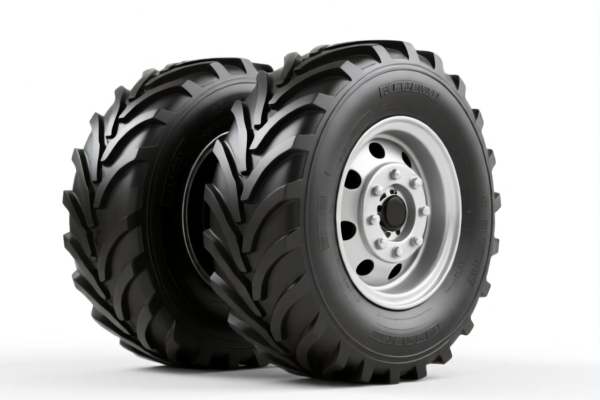
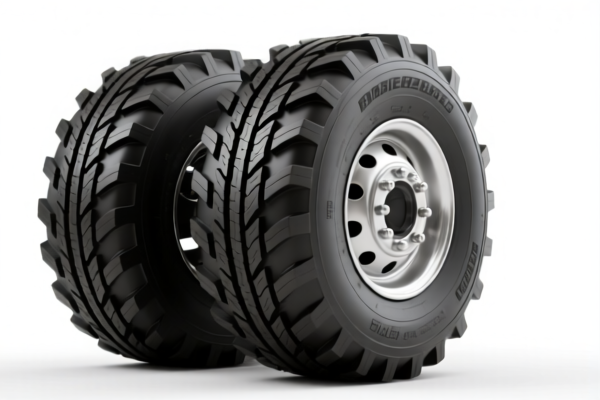
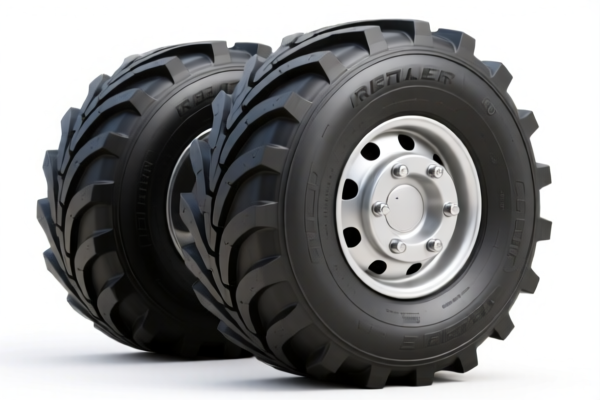
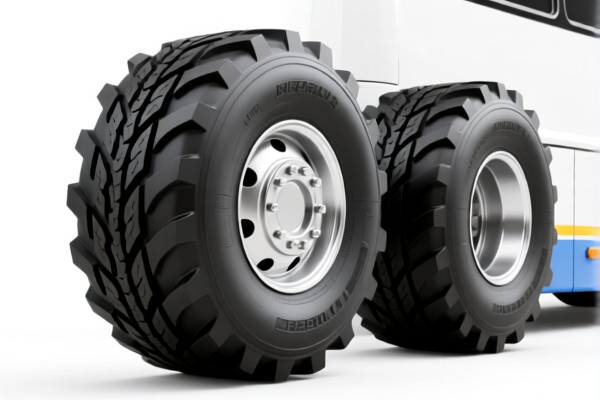
AI Analysis
🚌 Heavy Duty Radial Bus Tires: The Ultimate HS Code & Customs Clearance Guide (2026 Update)
🌐 HS Code Reference & Customs Strategy | 2026 Latest Tariff Analysis | Professional Clearance Tactics
📌 Part 1: Product Definition & Classification – Do You Really Understand "Bus Tires"?
Heavy-duty radial bus tires are critical components for commercial transportation, designed to withstand high loads, long distances, and diverse road conditions. In international trade, they fall under Chapter 40 (Rubber and Articles Thereof), specifically under heading 4011 (New Pneumatic Tires).
The key distinction lies in the structure and application: * Radial Construction: The cord plies run perpendicular to the direction of travel (indicated by "R" in tire size or specific HS subheadings). * Application: Specifically for buses, coaches, or heavy-duty trucks. * Material: Vulcanized rubber.
⚠️ Key Classification Point:
- If the tire is non-pneumatic (solid), it falls under a different heading.
- If the tire is pneumatic (air-filled) and radial, it must be classified under 4011.
- "High Capacity" (Heavy Duty) is a performance characteristic that does not change the basic HS code structure but is crucial for accurate description to avoid customs delays.
📦 Part 2: HS Code Classification Details (2026 Latest Tariff Authority对照)
Based on the provided data, here are the specific HS Codes for Heavy Duty Radial Bus Tires and their corresponding tax structures. Note that most of these codes attract a high tariff burden due to current trade policies (Section 301 & Section 122).
| HS Code | Product Description | Application Scope | Tax Rate (China Origin to US) |
|---|---|---|---|
4011.20.10.05 |
Bus Tires (Radial) - High Capacity | Specifically for buses, radial structure, heavy-load capability. | 39.0% |
4012.12.40.25 |
Bus Tires (Radial) - Heavy Duty | Matches road truck/bus tire category, radial, high-load performance. | 39.0% |
4011.20.10.15 |
Bus Tires (Radial) - Other Categories | For bus/truck use, radial, high-capacity for road use. | 39.0% |
4013.10.00.20 |
Bus Tire Inner Tubes / Related | Note: This code refers to Inner Tubes or specific rubber parts for buses, not the outer tire itself in some contexts, but listed here for bus-related rubber goods. | 38.7% |
4012.12.40.35 |
Bus/Truck Heavy Rubber Tires | Fits heavy attributes of trucks/buses, radial, rubber material. | 39.0% |
🔍 Critical Insight:
- Code4012.12.40.xxoften relates to recapped or retreaded tires or specific sub-categories under "Other tires". However, given the summary mentions "New Pneumatic Tires" logic in other codes, ensure your product is NEW vs. RETREADED. If new,4011.20.10.xxis the primary candidate. If retreaded,4012.xx.xxapplies.
- Code4013.10.00.20is distinctively lower in base tax (3.7% vs 4.0%) but still subject to heavy surcharges. Be cautious: this code may apply to inner tubes or specific rubber components for buses, not the main pneumatic tire. Double-check your product type! If it’s the main air-filled tire,4011is more likely.
💰 Part 3: 2026 Latest Tariff Rate Breakdown (Including Surcharges & Policy Add-ons)
✅ Applicable Country: United States (US)
✅ Country of Origin: China (CN)
✅ Effective Date: Ongoing (Includes Section 301 & Section 122 measures)
🎯 1. Standard Radial Bus Tires (4011.20.10.05, 4011.20.10.15, 4012.12.40.25, 4012.12.40.35)
| Item | Detail |
|---|---|
| Base Tariff Rate | 4.0% (Ad Valorem) |
| Section 301 Surcharge (USITC) | +25% (List 4 / Footnote 9903.88.01) |
| Section 122 Surcharge | +10% (Specific to certain rubber/tire categories) |
| Total Tariff Rate | 39.0% |
| Tax Calculation | CIF Value × 39.0% |
| De Minimis Exemption | ❌ NOT Eligible (Deny De Minimis) |
| Legal Basis Path | USITC:4011.20.10.05 → FOOTNOTE:9903.88.01 (25%) + IEEPA:122 (10%) |
📌 Explanation:
- The 25% surcharge is from the Section 301 trade remedy against China, which explicitly lists tires.
- The 10% surcharge is from Section 122 of the Trade Act of 1974, which can be applied to specific goods to address national security or economic imbalances.
- Total 39% is extremely high. This significantly impacts profit margins.
- No De Minimis: Small shipments (under $800) do not qualify for tax exemption. Every package is taxable.
🎯 2. Bus Tire Inner Tubes / Rubber Components (4013.10.00.20)
| Item | Detail |
|---|---|
| Base Tariff Rate | 3.7% (Ad Valorem) |
| Section 301 Surcharge (USITC) | +25% |
| Section 122 Surcharge | +10% |
| Total Tariff Rate | 38.7% |
| Tax Calculation | CIF Value × 38.7% |
| De Minimis Exemption | ❌ NOT Eligible |
| Legal Basis Path | USITC:4013.10.00.20 → FOOTNOTE:9903.88.01 + IEEPA:122 |
📌 Note:
- Even though the base rate is slightly lower (3.7% vs 4.0%), the surcharges are identical (35% total).
- Crucial Check: Ensure you are not misclassifying a main tire as an inner tube. Misclassification can lead to penalties, seizures, and legal action.
🛠️ Part 4: Customs Clearance Practical Advice (Real-World Pitfall Guide)
✅ 1. Essential Documentation Checklist (Non-Negotiable)
| Document | Required | Notes |
|---|---|---|
| ✅ Commercial Invoice | ✔️ | Must clearly state "Heavy Duty Radial Bus Tires", HS Code, CIF Value. |
| ✅ Packing List | ✔️ | Detail number of tires, dimensions, weight per tire. |
| ✅ Product Specification Sheet | ✔️ | Include tire size (e.g., 11R22.5), load index, speed rating, radials structure. |
| ✅ Certificate of Origin (CO) | ✔️ | Critical for proving China origin (triggers tariffs). |
| ✅ Manufacturer’s Declaration | ✔️ | Confirm product is new, radial, and for bus/truck use. |
| ✅ Bill of Lading (B/L) | ✔️ | Ensure consignee and notify party details match invoice. |
✅ 2. Declaration Tips (Key Mnemonics)
🔥 "Radial is Key, Bus is Specific, No De Minimis, Tax is High!"
| Scenario | Correct Declaration | Incorrect Action |
|---|---|---|
| New Radial Bus Tires | HS 4011.20.10.05 |
Misclassifying as passenger car tires (4011.30.xx) → Audit Risk |
| Retreaded Bus Tires | HS 4012.12.40.xx |
Declaring as "New Tires" → Fraud Risk |
| Small Quantity (<$800) | Pay Full Tax | Attempting De Minimis Exemption → Confiscation |
| Inner Tubes Only | HS 4013.10.00.20 |
Declaring main tire as tube → Penalty |
✅ 3. Special Circumstances Handling
| Situation | Handling Advice |
|---|---|
| OEM/Custom Tires | Provide customer order + technical drawings to prove specific bus/truck application. |
| Mixed Containers | Ensure all tires in one shipment are correctly classified. Mixed HS codes require separate declaration lines. |
| Transshipment | If transshipped through Vietnam/Malaysia, Rules of Origin still require China origin declaration. No tariff avoidance. |
| Sample Shipments | No tax exemption. Pay 39% even for 1 tire. Factor this into cost. |
🌍 Part 5: Global Market Comparison (2026 Latest)
| Country/Region | Recommended HS Code | Tariff (China Origin) | Certification | Notes |
|---|---|---|---|---|
| 🇺🇸 USA | 4011.20.10.05 |
39.0% | DOT, FMVSS | Highest Risk. Section 301 + 122. No de minimis. |
| 🇨🇳 China | 4011.20.10.05 |
~10-15% | CCC (if applicable) | Lower tariff, but export restrictions may apply. |
| 🇪🇺 EU | 4011.20.10 |
0% - 4% | E-Mark, ECE R108 | Generally low tariff, but strict safety standards. |
| 🇦🇺 Australia | 4011.20.10 |
5% | ADR | Moderate tariff. |
| 🇯🇵 Japan | 4011.20.10 |
0% - 5% | JIS | Low tariff, high quality standards. |
📌 Conclusion:
- USA is the most challenging market for Chinese bus tires due to 39% total tariff.
- EU, Japan, Australia offer much better tariff conditions (0-5%).
- Strategy: If targeting the US, consider supply chain diversification (e.g., tires manufactured in Thailand/Vietnam with substantial transformation) to avoid Section 301 tariffs. Note: Simple transshipment does NOT work.
📌 Part 6: Common Errors & Pitfall Guide (Lessons Learned)
❌ Error 1: Using "Car Tire" HS Code for Bus Tires
👉 Consequence: Customs will reclassify to 4011.20.xx, assess 39% tax, plus fines.
❌ Error 2: Assuming Small Shipments are Tax-Free
👉 Consequence: De Minimis exemption is denied for Section 301 goods. Goods seized.
❌ Error 3: Misclassifying Retreaded Tires as New
👉 Consequence: Different HS Code (4012 vs 4011) may have different scrutiny levels. Fraud accusation.
❌ Error 4: Ignoring Section 122 Surcharge
👉 Consequence: Underestimating cost by 10%. Profit margin eroded.
✅ Correct Approach:
Declare: "New Pneumatic Radial Tires, for Buses/Trucks, Size [XXX], Load Index [XXX], HS Code 4011.20.10.05, Origin: China"
🎯 Part 7: Conclusion – Professional Clearance, Cost Control, Efficiency!
🎯 Remember the Mnemonic:
🔹 "Radial Bus Tire, HS 4011, Tax 39%, No De Minimis, Plan Ahead!"
🔹 "HS Code Decides Fate, Tariff Difference 35%, One Mistake, Cost Skyrockets!"
📌 Pro Tip:
If your tires are manufactured in Thailand, Vietnam, or Malaysia (with substantial transformation), you may apply for Section 301 Exclusion or lower tariffs. However, simple re-labeling does not work.
建议提前申请预裁定(Advance Ruling) from CBP to confirm the correct HS Code and tax liability.
📣 Immediate Action:
📞 Contact a licensed customs broker + Provide product specs + Apply for Advance Ruling
🚀 Ensure your tires clear customs smoothly, avoid penalties, and protect your margins!
✨ Professional Clearance Starts with Accurate Classification!
💼 Every dollar of cost deserves precise calculation!
Customer Reviews
About HS Code Classification
The Harmonized System (HS) is an internationally standardized nomenclature developed by the World Customs Organization (WCO) to classify traded products. Over 200 countries use the HS system as the basis for customs tariffs, trade statistics, and import/export regulations.
Each HS code follows a hierarchical structure:
- Chapter (2 digits) — Broad category of goods (e.g., Chapter 84: Machinery and Mechanical Appliances)
- Heading (4 digits) — More specific grouping within the chapter
- Subheading (6 digits) — Internationally standardized breakdown, used by all WCO member countries
- National subdivisions (8-10 digits) — Country-specific extensions for further classification, such as US HTSUS 10-digit codes
Correct HS code classification is essential for smooth customs clearance, accurate duty payment, and compliance with trade regulations. Misclassification can lead to customs delays, overpayment of duties, or penalties.
When importing from CN to US, the applicable tariff rates may include:
- Most-Favored-Nation (MFN) rate — The standard duty rate applied to WTO members
- General rate — Applied to countries without trade agreements
- Trade remedy duties — Additional tariffs such as Section 301 (anti-dumping), Section 232 (national security), or countervailing duties
The information provided on this page is for reference purposes only. For official classification, please consult with your local customs authority or a licensed customs broker.