Heel Grip
CN → US| HS Code | Tariff Rate | Origin | Destination | Doc |
|---|---|---|---|---|
| 4821904000 | 35.0% | CN | US | Official Doc |
| 4821902000 | 35.0% | CN | US | Official Doc |
| 3919905060 | 40.8% | CN | US | Official Doc |
| 3919102055 | 40.8% | CN | US | Official Doc |
| 6406109090 | 22.0% | CN | US | Official Doc |
Product Images
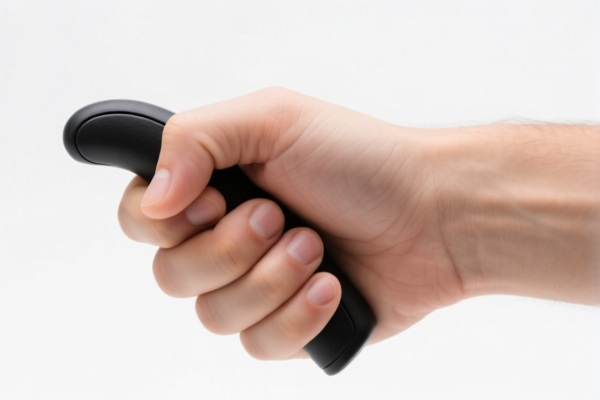
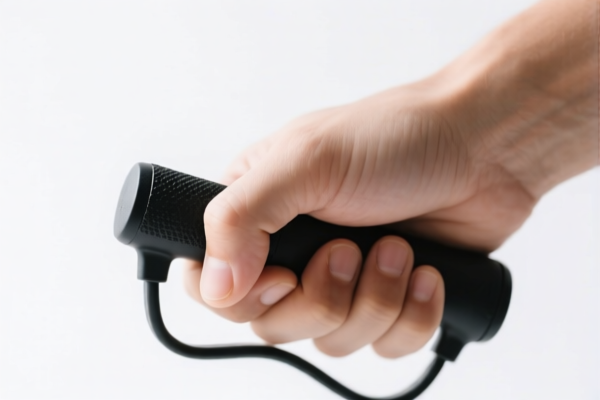
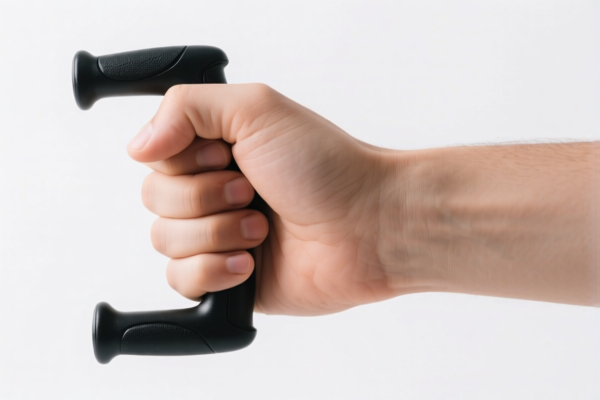
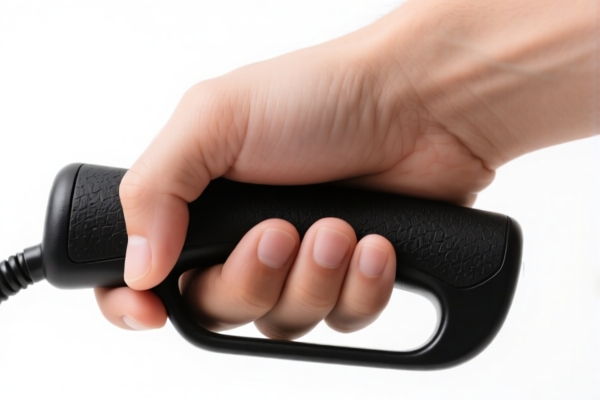
AI Analysis
👟 Heel Grip / Insole Padding (Shoe Accessories)
🌐 HS Code Reference & Customs Clearance Guide | 2026 Latest Tariff Analysis | Professional Clearance Strategy
📌 I. Product Definition & Classification: Do You Really Understand “Heel Grip”?
Heel Grips (also known as heel liners, shoe pads, or anti-slip heel cushions) are small accessories inserted into footwear to prevent slippage, reduce friction, and improve comfort. They are typically made from foam, felt, leather, or adhesive-backed materials.
In international trade, they are classified differently based on their material composition: 1. Shoe Components (Non-adhesive/Fabric/Felt): If made of textile, leather, or foam without a strong self-adhesive backing, they are often considered "parts of footwear." 2. Self-Adhesive Labels/Stickers (Plastic/PE): If made of plastic film with a self-adhesive backing (like a sticker), they may be classified under plastic tapes or labels. 3. Paper Labels: Rare for heel grips, but if made of paper, they fall under paper labels.
⚠️ Key Distinction Point:
- If it is a soft, non-adhesive foam or felt insert → It is a footwear part.
- If it is a plastic sticker with adhesive → It is a plastic tape/label.
- Do not mix materials in one shipment declaration to avoid customs audits.
📦 II. HS Code Classification Details (Based on Provided Data)
According to the provided <DATA>, the product is classified into three main categories based on material. Here is the detailed breakdown:
| HS Code | Product Description (Based on Material) | Applicability | Key Feature |
|---|---|---|---|
| 6406.10.90.90 | Heel Grips & Similar Articles (Footwear Parts) | Foam, felt, leather, textile heel liners | ✅ Non-adhesive or loosely attached; classified as "Parts of Footwear" |
| 3919.90.50.60 | Other Self-Adhesive Plastic Sheets/Films (Flat Shape) | Plastic film heel grips with adhesive backing | ✅ Plastic material, self-adhesive, flat shape |
| 3919.10.20.55 | Other Self-Adhesive Tape/Labels (Plastic) | Plastic tape-style heel grips | ✅ Plastic material, tape-like form, self-adhesive |
| 4821.90.40.00 | Other Paper Labels | Paper-based heel grip stickers (Rare) | ✅ Paper material |
| 4821.90.20.00 | Self-Adhesive Paper Labels | Self-adhesive paper labels | ✅ Paper material, self-adhesive |
🔍 Important Note:
- Most common: The majority of commercial "Heel Grips" are foam or felt inserts that slip into the shoe. These should primarily be classified under6406.10.90.90.
- If plastic adhesive: If the product is a plastic sticker that sticks to the shoe interior, use3919.90.50.60or3919.10.20.55.
- Do not misclassify foam grips as "paper labels" or "plastic tapes" unless they literally are stickers.
💰 III. 2026 Latest Tariff Rate Details (Including Additional Taxes)
✅ Applicable Country: United States (US)
✅ Origin: China (CN)
✅ Effective Time: November 10, 2025 onwards
🎯 1. 6406.10.90.90 —— Heel Grips / Footwear Parts (Foam/Felt/Leather)
| Item | Content |
|---|---|
| Base Tariff | 4.5% (ad valorem) |
| USITC Additional Tariff | +7.5% (Section 301 / Trade Remedy) |
| 122 Section Tariff (IEEPA) | +10% (Targeted China import restriction) |
| Total Tariff Rate | 22.0% |
| Tax Calculation | CIF Value × 22% |
| De Minimis Exemption? | ❌ No (Not eligible for $800 de minimis waiver if combined with other restricted goods, or if explicitly excluded) |
| Legal Basis Path | 122 Section: 10% → USITC: 7.5% → Base: 4.5% |
📌 Explanation:
- Base 4.5%: Standard MFN rate for footwear parts.
- 7.5% USITC: Additional duty for certain footwear components.
- 10% 122 Section: Specific tariff under Section 122 (or similar IEEPA authority) targeting Chinese goods.
- Total 22%: This is a moderate-high tariff compared to simple paper labels, but lower than plastic adhesive tapes.
🎯 2. 3919.90.50.60 —— Self-Adhesive Plastic Sheets (Flat Shape)
| Item | Content |
|---|---|
| Base Tariff | 5.8% (ad valorem) |
| USITC Additional Tariff | +25.0% (Section 301) |
| 122 Section Tariff (IEEPA) | +10% |
| Total Tariff Rate | 40.8% |
| Tax Calculation | CIF Value × 40.8% |
| De Minimis Exemption? | ❌ No |
| Legal Basis Path | 122 Section: 10% → USITC: 25.0% → Base: 5.8% |
📌 Explanation:
- Base 5.8%: Standard rate for plastic articles.
- 25% USITC: Heavy Section 301 tariff on plastic products from China.
- 10% 122 Section: Additional penalty.
- Total 40.8%: Very High Tariff! Avoid this classification unless absolutely necessary.
🎯 3. 3919.10.20.55 —— Self-Adhesive Tape/Labels (Plastic)
| Item | Content |
|---|---|
| Base Tariff | 5.8% (ad valorem) |
| USITC Additional Tariff | +25.0% (Section 301) |
| 122 Section Tariff (IEEPA) | +10% |
| Total Tariff Rate | 40.8% |
| Tax Calculation | CIF Value × 40.8% |
| De Minimis Exemption? | ❌ No |
| Legal Basis Path | 122 Section: 10% → USITC: 25.0% → Base: 5.8% |
📌 Explanation:
- Same tariff structure as above. 40.8% is punitive for plastic adhesive goods.
🎯 4. 4821.90.40.00 & 4821.90.20.00 —— Paper Labels
| Item | Content |
|---|---|
| Base Tariff | 0.0% |
| USITC Additional Tariff | +25.0% (Section 301) |
| 122 Section Tariff (IEEPA) | +10% |
| Total Tariff Rate | 35.0% |
| Tax Calculation | CIF Value × 35.0% |
| De Minimis Exemption? | ❌ No |
| Legal Basis Path | 122 Section: 10% → USITC: 25.0% → Base: 0.0% |
📌 Explanation:
- Even though base duty is 0%, the 25% + 10% = 35% makes paper labels significantly more expensive than expected.
- Note: Heel grips are rarely made of paper, so this is likely not applicable unless it’s a paper sticker.
🛠️ IV. Customs Clearance Practical Advice (Real-World Pitfall Guide)
✅ 1. Preparation Checklist (Mandatory)
| Document | Required | Description |
|---|---|---|
| ✅ Product Photos | ✔️ | Clear images showing material (foam vs. plastic vs. paper) and structure |
| ✅ Material Composition Certificate | ✔️ | Specify: "90% EVA Foam, 10% Adhesive" or "100% Plastic Film" |
| ✅ Commercial Invoice | ✔️ | Describe accurately: "Heel Grip Pads, Foam, Non-Adhesive" or "Self-Adhesive Heel Liner, Plastic" |
| ✅ Packing List | ✔️ | Ensure quantity matches invoice |
| ✅ Origin Certificate | ✔️ | To prove China origin (triggers tariffs) |
✅ 2. Declaration Strategy (Key Rules)
🔥 “Match Material, Don’t Guess!”
| Scenario | Correct HS Code | Incorrect HS Code | Consequence of Error |
|---|---|---|---|
| Foam/Felt Heel Grips (Slip-in) | 6406.10.90.90 |
3919... or 4821... |
If misclassified as plastic/paper, you may face audits for underpayment or overpayment. But correct is 22% (lowest among all options if plastic/paper is 35-40.8%). |
| Plastic Adhesive Stickers | 3919.90.50.60 |
6406.10.90.90 |
If you declare plastic adhesive as "footwear part," customs may reject it as "not a part of footwear" and reclassify, causing delays. |
| Paper Labels (Rare) | 4821.90.40.00 |
3919.10.20.55 |
Mixing materials leads to customs seizure. |
📌 Critical Insight:
- Heel Grips are primarily footwear parts. If they are not self-adhesive (i.e., you just put them in your shoe), they MUST be classified under6406.10.90.90.
- Only if they have a strong adhesive backing like a sticker, consider plastic or paper codes.
- Tariff Advantage:6406.10.90.90has the lowest total tariff (22%) compared to plastic (40.8%) or paper (35%). Therefore, if your product is a soft foam grip, insist on6406.10.90.90.
✅ 3. Special Cases
| Situation | Handling Advice |
|---|---|
| Mixed Shipment | Do NOT mix foam grips and plastic stickers in one HS Code declaration. Split them. |
| OEM Customization | Provide design specs to prove material. If it’s foam, get a material test report. |
| High-Value Shipments | Consider Section 301 Exclusion if available (check USTR website), but currently, most footwear/plastic parts are not exempt. |
| De Minimis ($800) | Not Applicable. Even if value < $800, if classified under these HS codes, customs may still require formal entry due to high scrutiny on China-origin goods. |
🌍 V. Global Market Comparison (2026)
| Country/Region | Recommended HS Code | Tariff (China Origin) | Certification | Notes |
|---|---|---|---|---|
| 🇺🇸 USA | 6406.10.90.90 |
22.0% | N/A | Best rate among options. Avoid plastic/paper codes due to higher taxes. |
| 🇨🇳 China | 6406.10.90.90 |
~5-10% | CCC (if applicable) | Lower tariffs in China. |
| 🇪🇺 EU | 6406.90 |
4.5-10% | CE (if applicable) | No Section 301 or 122 tariffs. |
| 🇬🇧 UK | 6406.90 |
4.5-10% | UKCA | Post-Brexit rules apply. |
📌 Conclusion:
- USA is the most challenging market due to 22-40.8% combined tariffs.
- Choose6406.10.90.90if possible (foam/felt) to minimize cost.
- Avoid plastic adhesive classification unless the product is literally a sticker.
📌 VI. Common Mistakes & Pitfalls (Blood & Tears Lessons)
❌ Mistake 1: Declaring foam heel grips as "Plastic Adhesive Tape" (3919.90.50.60)
👉 Result: You pay 40.8% instead of 22%. Overpay by 18.8%!
❌ Mistake 2: Declaring plastic adhesive grips as "Footwear Parts" (6406.10.90.90)
👉 Result: Customs may reject the declaration because plastic adhesive is not a "part of footwear" in the traditional sense. Delays, audits, fines.
❌ Mistake 3: Using "Heel Grip" without specifying material in the invoice
👉 Result: Customs will ask for clarification. If you can’t prove it’s foam, they may default to the highest possible tariff (plastic/paper).
✅ Correct Declaration Example:
"Heel Grip Pads, EVA Foam, Non-Adhesive, 10 Pairs per Bag, Model HG-001, HS Code 6406.10.90.90"
🎯 VII. Conclusion: Smart Declaration, Save Money!
🎯 Remember the Mantra:
🔹 "Foam is 22%, Plastic is 40%, Paper is 35%!"
🔹 "Don’t guess material! Get a report!"
🔹 "Foam grips are footwear parts, not plastic stickers!"
📌 Pro Tip:
If you are importing large quantities, consider pre-classification rulings from CBP (U.S. Customs and Border Protection) to confirm the HS Code. This protects you from post-entry audits and penalties.
📣 Action Step:
📞 Contact your freight forwarder + Provide material test report + Declare as
6406.10.90.90if foam/felt.
🚀 Minimize tariff, maximize profit!
✨ Professional clearance starts with accurate classification!
💼 Every dollar saved in tariff is pure profit!
Customer Reviews
About HS Code Classification
The Harmonized System (HS) is an internationally standardized nomenclature developed by the World Customs Organization (WCO) to classify traded products. Over 200 countries use the HS system as the basis for customs tariffs, trade statistics, and import/export regulations.
Each HS code follows a hierarchical structure:
- Chapter (2 digits) — Broad category of goods (e.g., Chapter 84: Machinery and Mechanical Appliances)
- Heading (4 digits) — More specific grouping within the chapter
- Subheading (6 digits) — Internationally standardized breakdown, used by all WCO member countries
- National subdivisions (8-10 digits) — Country-specific extensions for further classification, such as US HTSUS 10-digit codes
Correct HS code classification is essential for smooth customs clearance, accurate duty payment, and compliance with trade regulations. Misclassification can lead to customs delays, overpayment of duties, or penalties.
When importing from CN to US, the applicable tariff rates may include:
- Most-Favored-Nation (MFN) rate — The standard duty rate applied to WTO members
- General rate — Applied to countries without trade agreements
- Trade remedy duties — Additional tariffs such as Section 301 (anti-dumping), Section 232 (national security), or countervailing duties
The information provided on this page is for reference purposes only. For official classification, please consult with your local customs authority or a licensed customs broker.