Helmet
CN → US| HS Code | Tariff Rate | Origin | Destination | Doc |
|---|---|---|---|---|
| 6506103030 | 17.5% | CN | US | Official Doc |
| 6506103045 | 17.5% | CN | US | Official Doc |
| 6506106030 | 17.5% | CN | US | Official Doc |
| 4016990500 | 20.9% | CN | US | Official Doc |
| 4016996050 | 37.5% | CN | US | Official Doc |
Product Images
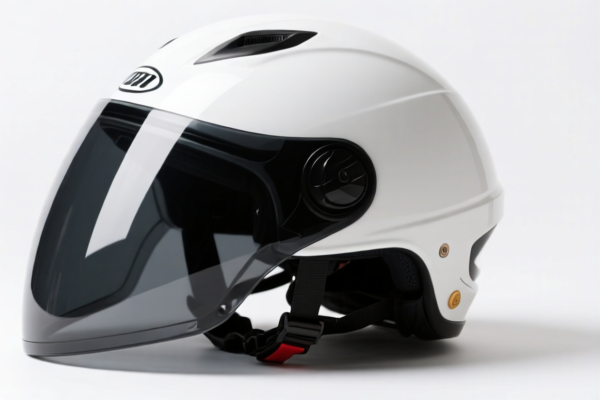
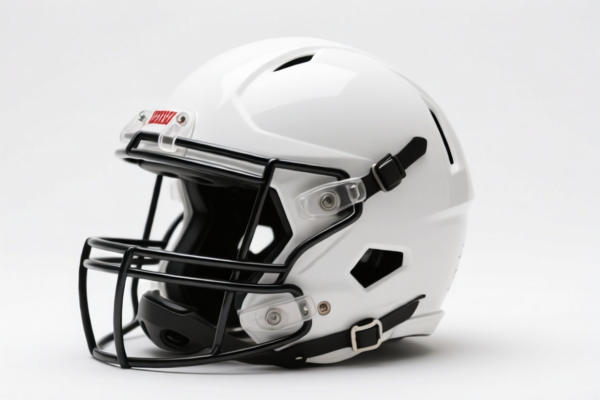
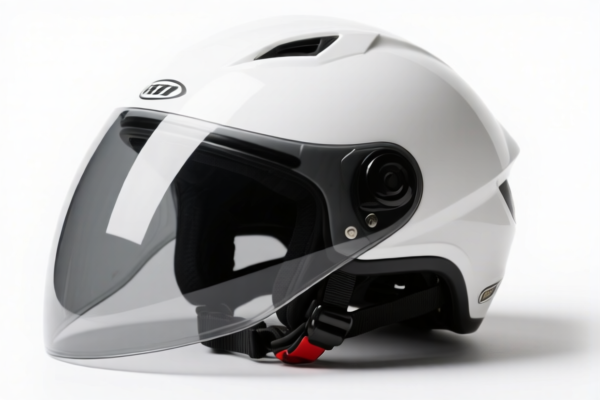
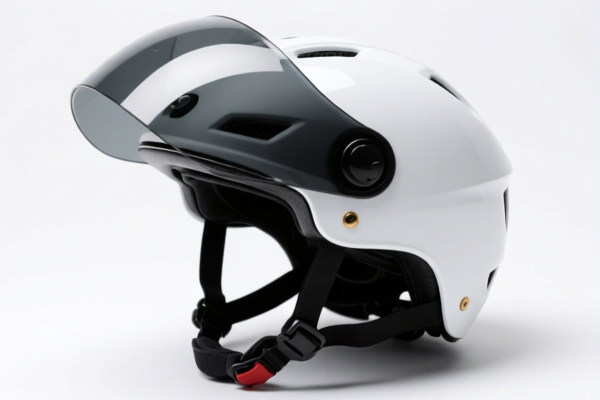
AI Analysis
🪖 Helmet (Protective Headgear)
🌐 HS Code Reference & Customs Clearance Guide | 2026 Latest Tariff Analysis | Professional Clearance Strategy
📌 1. Product Definition & Classification: Do You Really Understand "Helmets"?
Helmets are essential personal protective equipment (PPE) used in construction, sports, military, and industrial applications. In international trade, they are generally classified under Chapter 65 (Headgear) or Chapter 40 (Rubber Articles), depending on the material and specific protective function.
Key Classification Distinctions: * Textile/Plastic/Metal Shells: Typically fall under Chapter 65 (e.g., Safety Helmets). * Rubber/Plastic Components: If the helmet is primarily made of vulcanized rubber or certain plastic compounds without a hard shell, it might fall under Chapter 40 (Other articles of rubber).
⚠️ Critical Distinction Point: * If the helmet has a rigid shell (plastic, fiberglass, metal) → Chapter 65. * If the helmet is primarily a soft rubber/plastic cushion or non-rigid protective gear → Chapter 40.
📦 2. HS Code Classification Details (2026 Latest Tariff Authority Comparison)
Based on the provided data, here are the potential HS Codes for "Helmet" imports into the US, along with their tax implications.
| HS Code | Product Description | Applicability & Logic | Total Tax Rate |
|---|---|---|---|
6506.10.30.30 |
Safety Helmets (Plastic/Reinforced) | Matches "Helmet" usage; reasonably inferred material as reinforced/laminated plastic; no material conflict. | 17.5% |
6506.10.30.45 |
Other Headgear (Helmet Category) | "Helmet" falls under headgear; "Other" category applies where no specific material conflict exists. | 17.5% |
6506.10.60.30 |
Safety Helmets (Catch-all) | "Helmet" matches "Safety Helmet" usage; "Catch-all" rule applies if no material/specific use conflict. | 17.5% |
4016.99.05.00 |
Other Vulcanized Rubber Articles | Home/personal protection item; material inferred as vulcanized rubber or polymer; no conflict with "Other vulcanized rubber articles". | 20.9% |
4016.99.60.50 |
Other Rubber/Plastic Protective Items | Inferred material as rubber/plastic; non-specific protective item; fits "Other vulcanized rubber articles" logic. | 37.5% |
🔍 Key Reminder: * Chapter 65 Codes (
6506...) are generally more common for hard-shell safety helmets (construction, industrial). * Chapter 40 Codes (4016...) may apply to softer rubber-based helmets or specific protective components, but carry higher potential duties (up to 37.5%). * Material Declaration is Crucial: The classification heavily depends on whether the helmet is primarily plastic (Ch 65) or rubber (Ch 40).
💰 3. 2026 Latest Tariff Rate Details (Including Additional Duties & Policy Surcharges)
✅ Applicable Country: United States (US)
✅ Country of Origin: China (CN)
✅ Effective Date: From 2025 November 10 (for subsequent imports)
🎯 1. 6506.10.30.30 / 6506.10.30.45 / 6506.10.60.30 — Safety Helmets (Plastic/Textile Base)
| Item | Content |
|---|---|
| Base Duty Rate | 0.0% (ad valorem) |
| Section 301 Duty | +7.5% (Additional Duty) |
| Section 122 Duty | +10% (Section 122 Tariff) |
| Total Duty Rate | 17.5% |
| Tax Calculation | CIF Value × 17.5% |
| De Minimis Exemption | ❌ Not Eligible (deny_de_minimis) |
| Legal Basis Path | Base: 0% → Section 301: 7.5% → Section 122: 10% |
📌 Explanation: * These three HS codes share the same tax structure. * Base Tariff 0%: Safety helmets often have low base duties. * Section 301 (7.5%): Standard additional tariff for Chinese goods. * Section 122 (10%): A specific additional tariff applied to these categories. * Total 17.5%: This is the effective duty rate for most hard-shell plastic helmets from China.
🎯 2. 4016.99.05.00 — Other Vulcanized Rubber Articles
| Item | Content |
|---|---|
| Base Duty Rate | 3.4% (ad valorem) |
| Section 301 Duty | +7.5% (Additional Duty) |
| Section 122 Duty | +10% (Section 122 Tariff) |
| Total Duty Rate | 20.9% |
| Tax Calculation | CIF Value × 20.9% |
| De Minimis Exemption | ❌ Not Eligible (deny_de_minimis) |
| Legal Basis Path | Base: 3.4% → Section 301: 7.5% → Section 122: 10% |
📌 Explanation: * Base rate is higher (3.4%) for rubber articles. * Additional duties remain the same (7.5% + 10%). * Total 20.9%: Slightly higher than plastic helmets.
🎯 3. 4016.99.60.50 — Other Rubber/Plastic Protective Items
| Item | Content |
|---|---|
| Base Duty Rate | 2.5% (ad valorem) |
| Section 301 Duty | +25.0% (Additional Duty) |
| Section 122 Duty | +10% (Section 122 Tariff) |
| Total Duty Rate | 37.5% |
| Tax Calculation | CIF Value × 37.5% |
| De Minimis Exemption | ❌ Not Eligible (deny_de_minimis) |
| Legal Basis Path | Base: 2.5% → Section 301: 25.0% → Section 122: 10% |
📌 Warning: * This code attracts a much higher Section 301 duty (25%). * Total 37.5%: This is a high-cost classification. It applies to specific "other" rubber articles that may not fit neatly into standard safety helmet definitions or are classified as general protective rubber goods. * Avoid this code if your product is a standard safety helmet, as it significantly increases costs.
🛠️ 4. Customs Clearance Practical Advice (Real-World Pitfall Guide)
✅ 1. Required Documentation Checklist (Non-negotiable)
| Document | Must Provide | Description |
|---|---|---|
| ✅ Product Specification Sheet | ✔️ | Material composition (e.g., "High-density polyethylene shell", "Vulcanized rubber lining"), size, certification standards (ANSI, CPSC, EN). |
| ✅ Product Photos | ✔️ | Clear images showing the helmet, inner padding, label, and any unique features. |
| ✅ Commercial Invoice | ✔️ | Must clearly state "Safety Helmet" or "Protective Headgear" and material composition. |
| ✅ Packing List | ✔️ | Detailed list of items per carton. |
| ✅ Certificate of Origin (CO) | ✔️ | Proof of origin (China). |
| ✅ Test Reports | ✔️ | ANSI Z89.1, CPSC, or other relevant safety certifications. |
✅ 2. Declaration Tips (Key Mantra)
🔥 "Material First, Function Second; Avoid 'Rubber' if Plastic!"
| Scenario | Correct Declaration | Incorrect Action |
|---|---|---|
| Standard Hard Shell Helmet (Plastic/Fiberglass) | HS Code: 6506.10.30.30 / 6506.10.60.30 Duty: 17.5% |
Declare as Rubber Article → Duty jumps to 37.5%! |
| Soft Rubber Cap/Helmet | HS Code: 4016.99.05.00 Duty: 20.9% |
Declare as Plastic Helmet → Potential misclassification risk. |
| Generic "Protective Headgear" | Use 6506.10.30.45 (17.5%) if material is ambiguous but likely plastic. |
Vague description → Customs delay or reclassification. |
✅ 3. Special Case Handling
| Scenario | Handling Advice |
|---|---|
| OEM Custom Helmets | Provide customer PO and design specs. Ensure material description matches the physical product. |
| Helmet with Electronics (e.g., Bluetooth, LED) | Still generally 6506... if the shell is the primary feature. Do not split into electronics if integrated. |
| Military/Police Helmets | May require additional import licenses or specific security clearances. Verify with CBP. |
| Sports Helmets (Cycling, Motorcycle) | Check for specific safety standards (CPSC for bikes). Classification may vary slightly but often falls under 6506 or 4016 if rubber-based. |
🌍 5. Global Market Comparison (2026 Latest)
| Country/Region | Recommended HS Code | Duty Rate | Certification Required | Notes |
|---|---|---|---|---|
| 🇺🇸 USA | 6506.10.30.30 / .60.30 |
17.5% (China Origin) | ANSI/CPSC | High duty due to Section 301 & 122. |
| 🇨🇳 China | 6506.10.30.30 |
~5-10% | GB Standards | Lower duty. |
| 🇪🇺 EU | 6506.10.00 |
0% (if CE marked) | CE + EN 397/12492 | No Section 301 impact. |
| 🇬🇧 UK | 6506.10.00 |
0% | UKCA + EN Standards | Post-Brexit rules apply. |
📌 Conclusion: * US Market is High-Cost: The 17.5%–37.5% duty burden makes US clearance expensive for Chinese-made helmets. * Material Accuracy is Key: Misclassifying a plastic helmet as rubber (
4016.99.60.50) can triple your tax bill.
📌 6. Common Errors & Pitfalls (Lessons Learned)
❌ Error 1: Declaring a plastic helmet as "Rubber Headgear" to avoid Section 301
👉 Consequence: If found to be plastic, customs will reclassify to 6506 or impose penalties for misdeclaration.
Risk: High.
❌ Error 2: Using vague terms like "Protective Gear"
👉 Consequence: Customs may assign a generic "Other" code with higher duties or demand extensive documentation.
Risk: Medium.
❌ Error 3: Ignoring Section 122 Tariff (10%)
👉 Consequence: Underpayment of duties.
Risk: High (Financial).
❌ Error 4: Confusing 4016.99.05.00 (20.9%) with 4016.99.60.50 (37.5%)
👉 Consequence: Unnecessary 16.6% cost increase.
Risk: Medium.
✅ Correct Approach:
"Safety Helmet, HDPE Shell, Liner: Foam/Rubber, Meets ANSI Z89.1, Model XYZ, Made in China"
🎯 7. Conclusion: Professional Declaration Saves Money!
🎯 Remember the Mantra:
🔹 "Plastic Shell? Go 6506 (17.5%). Rubber Shell? Check 4016. Vague? Pay More!"
🔹 "Section 301 + Section 122 = 17.5% Min. Avoid the 37.5% Trap!"
📌 Pro Tip:
If your helmet is originally from Vietnam, Mexico, or Thailand, you may be eligible for Section 301 exemptions or lower duties.
Recommendation: Apply for a Advance Ruling (CBP Ruling) before shipment to confirm the correct HS Code and avoid post-entry audits.
📣 Immediate Action:
📞 Consult a Licensed Customs Broker + Provide Product Samples + Request HS Code Pre-Ruling
🚀 Ensure Smooth Customs Clearance, Control Costs, and Maximize Profit!
✨ Professional Clearance Starts with Accurate Classification!
💼 Every Percent of Duty Saved is Profit Gained!
Customer Reviews
About HS Code Classification
The Harmonized System (HS) is an internationally standardized nomenclature developed by the World Customs Organization (WCO) to classify traded products. Over 200 countries use the HS system as the basis for customs tariffs, trade statistics, and import/export regulations.
Each HS code follows a hierarchical structure:
- Chapter (2 digits) — Broad category of goods (e.g., Chapter 84: Machinery and Mechanical Appliances)
- Heading (4 digits) — More specific grouping within the chapter
- Subheading (6 digits) — Internationally standardized breakdown, used by all WCO member countries
- National subdivisions (8-10 digits) — Country-specific extensions for further classification, such as US HTSUS 10-digit codes
Correct HS code classification is essential for smooth customs clearance, accurate duty payment, and compliance with trade regulations. Misclassification can lead to customs delays, overpayment of duties, or penalties.
When importing from CN to US, the applicable tariff rates may include:
- Most-Favored-Nation (MFN) rate — The standard duty rate applied to WTO members
- General rate — Applied to countries without trade agreements
- Trade remedy duties — Additional tariffs such as Section 301 (anti-dumping), Section 232 (national security), or countervailing duties
The information provided on this page is for reference purposes only. For official classification, please consult with your local customs authority or a licensed customs broker.