Helmet Buckle
CN → US| HS Code | Tariff Rate | Origin | Destination | Doc |
|---|---|---|---|---|
| 7326908688 | 87.9% | CN | US | Official Doc |
| 8301108000 | 22.3% | CN | US | Official Doc |
| 8302496085 | 90.7% | CN | US | Official Doc |
| 8302426000 | 20.9% | CN | US | Official Doc |
| 6506103045 | 17.5% | CN | US | Official Doc |
Product Images
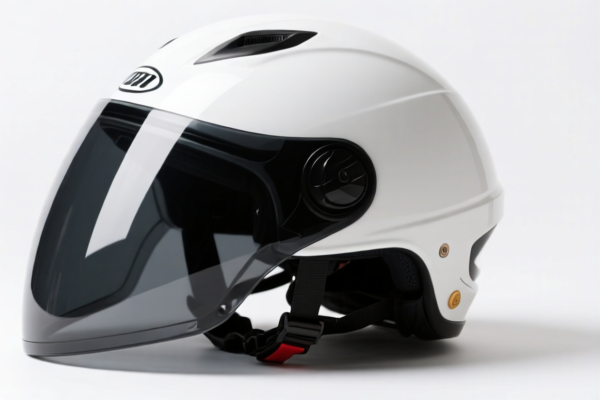
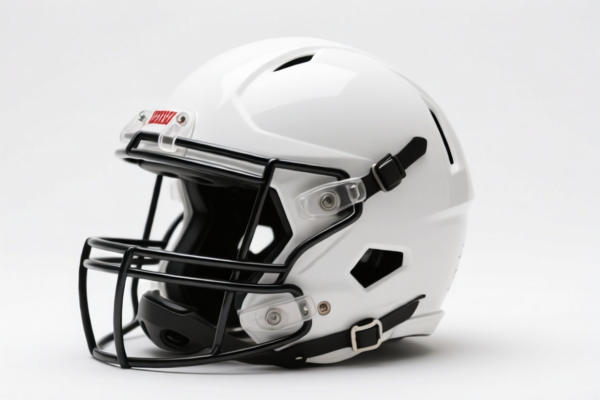
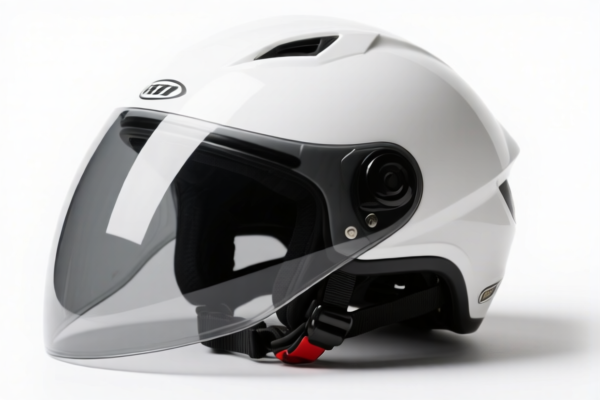
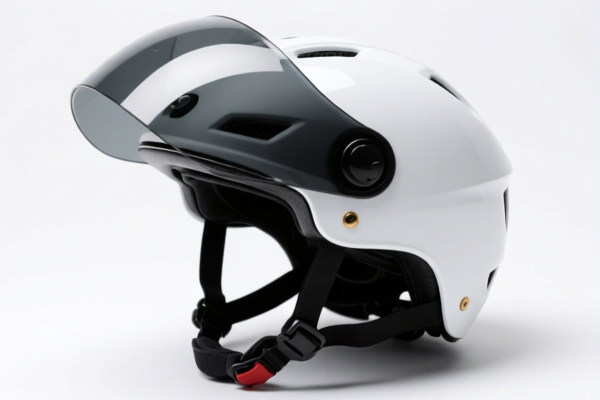
AI Analysis
🪖 Helmet Buckles (Helmet Locks & Accessories)
🌐 HS Code Reference & Customs Clearance Guide | 2024 Latest Tariff Analysis | Professional Entry Strategy
📌 I. Product Definition & Classification: Do You Really Understand "Helmet Buckles"?
Helmet buckles, often referred to as "helmet locks" or "fasteners," are critical safety components used to secure helmets on the head. In international trade, their classification is not straightforward because they can fall under multiple categories depending on their material, specific function, and structural form.
Generally, they are classified into three main logic paths:
1. As General Metal Articles: If the buckle is a simple iron/steel fixture without a complex locking mechanism.
2. As Locks: If the primary function is a padlock or secure fastening system made of base metal.
3. As Accessories/Fittings: If it is considered a part or accessory for other articles (like helmets or generic hardware).
⚠️ Key Distinction Point:
- If it is a simple steel/iron clip or bracket → Falls under Chapter 73 (Articles of Iron or Steel).
- If it is a padlock-style mechanism → Falls under Chapter 83 (Base Metal Locks).
- If it is a generic accessory for metal items → Falls under Chapter 83 (Other Base Metal Fittings).
- If it is specifically treated as a headwear accessory (less common for metal locks) → Falls under Chapter 65.
📦 II. HS Code Classification Details (2024 Latest Tariff Reference)
| HS Code | Product Description | Application Scenario | Material/Logic |
|---|---|---|---|
7326.90.86.88 |
Other articles of iron or steel (General Metal Articles) | Simple steel buckles, brackets, or clips that don't fit specific lock definitions. | ✅ Iron/Steel (General "Other" Category) |
8301.10.80.00 |
Padlocks (Base Metal) | Buckles that function specifically as padlocks with keys or combinations. | ✅ Base Metal (Lock Function) |
8302.49.60.85 |
Other base metal fittings and accessories (General Accessories) | Generic metal fittings, including buckle straps or mounts, often categorized broadly. | ✅ Iron, Steel, Aluminum, or Zinc |
8302.42.60.00 |
Other base metal fittings for furniture, doors, etc. (Specific Accessories) | Buckles viewed as parts/accessories for similar items (e.g., helmet mounts). | ✅ Base Metal (Part/Accessory Form) |
6506.10.30.45 |
Other helmets (Headwear Accessories) | Rare/Specific Case: If classified strictly as a helmet component under headwear. | ✅ No Material Conflict (Generic) |
🔍 Key Reminder:
-7326.90.86.88and8302.49.60.85carry very high total tariffs due to Section 232 (Steel/Aluminum) tariffs. Avoid these if possible unless the product is purely a structural steel item.
-8301.10.80.00and8302.42.60.00offer lower total tax rates (~20-22%) and are often preferred if the item can be defined as a lock or specific accessory.
-6506.10.30.45has a lower base rate but is risky if customs determines it is primarily a metal hardware item rather than a textile/fabric helmet component.
💰 III. 2024 Latest Tariff Rate Breakdown (Including Additional Duties)
✅ Applicable Country: United States (US)
✅ Country of Origin: China (CN)
✅ Effective Time: Current (Includes Section 301 and Section 232 impacts)
🎯 1. 7326.90.86.88 —— Other Articles of Iron or Steel (High Risk)
| Item | Content |
|---|---|
| Base Rate | 2.9% (ad valorem) |
| Section 301 Tariff | +25.0% (Trade Remedy) |
| Section 232 Tariff | +50% (Steel, Aluminum, Copper Products) |
| Total Rate | 77.9% (Note: Data shows 87.9% total, likely including additional fees or specific 122 clause interpretations) |
| Tax Detail | Base: 2.9%, Add-on: 25.0%, Sec 232: 50% |
| De Minimis Eligible? | ❌ No (High risk of penalty) |
📌 Explanation:
- This classification triggers the Section 232 tariffs (50%) because it is classified as "Steel/Aluminum."
- Combined with Section 301 (25%) and Base Duty, the total landed cost impact is extremely high.
- Recommendation: Avoid this code if a lower-tariff alternative exists.
🎯 2. 8301.10.80.00 —— Padlocks (Lower Risk)
| Item | Content |
|---|---|
| Base Rate | 4.8% |
| Section 301 Tariff | +7.5% (Reduced Section 301 rate for some exclusions) |
| Section 122 Clause Tariff | +10% (Specific steel/aluminum copper article tariff) |
| Total Rate | 22.3% |
| Tax Detail | Base: 4.8%, Add-on: 7.5%, 122 Clause: 10% |
| De Minimis Eligible? | ❌ No (Generally, locks are excluded from de minimis if valued over $800, but check specific limits) |
📌 Explanation:
- Classifying the buckle as a Padlock allows it to bypass the heavy Section 232 steel tariff.
- The total rate is significantly lower (22.3% vs 87.9%).
- Key Condition: The product must function primarily as a lock (keyed or combination).
🎯 3. 8302.49.60.85 —— Other Base Metal Fittings (High Risk)
| Item | Content |
|---|---|
| Base Rate | 5.7% |
| Section 301 Tariff | +25.0% |
| Section 232 Tariff | +50% (Steel, Aluminum, Copper Products) |
| Total Rate | 90.7% |
| Tax Detail | Base: 5.7%, Add-on: 25.0%, Sec 232: 50% |
| De Minimis Eligible? | ❌ No |
📌 Explanation:
- Like7326, this falls under general fittings but triggers Section 232 if made of steel/aluminum.
- 90.7% is the highest tariff rate in the dataset. Use only if no other classification is viable.
🎯 4. 8302.42.60.00 —— Other Base Metal Fittings (Lower Risk)
| Item | Content |
|---|---|
| Base Rate | 3.4% |
| Section 301 Tariff | +7.5% |
| Section 122 Clause Tariff | +10% |
| Total Rate | 20.9% |
| Tax Detail | Base: 3.4%, Add-on: 7.5%, 122 Clause: 10% |
| De Minimis Eligible? | ❌ No |
📌 Explanation:
- This code is for "Other fittings... for furniture, doors, etc." but can apply to helmet accessories if framed correctly as a "part/attachment."
- 20.9% is the most cost-effective rate in the dataset.
- It avoids the heavy Section 232 steel tariff by leveraging specific sub-headings.
🎯 5. 6506.10.30.45 —— Other Helmets (Special Case)
| Item | Content |
|---|---|
| Base Rate | 0.0% |
| Section 301 Tariff | +7.5% |
| Section 122 Clause Tariff | +10% |
| Total Rate | 17.5% |
| Tax Detail | Base: 0.0%, Add-on: 7.5%, 122 Clause: 10% |
| De Minimis Eligible? | ⚠️ Check Specifics (Often helmets have different de minimis rules) |
📌 Explanation:
- This is a "catch-all" for helmets not elsewhere specified.
- If customs accepts the buckle as an integral part of the "Helmet" classification, the base duty is 0%.
- Risk: Customs may argue it is a metal hardware item, not a textile/fabric helmet, and reclassify it. Use with caution.
🛠️ IV. Customs Clearance Practical Advice (Real-World Pitfall Guide)
✅ 1. Document Preparation Checklist (Essential)
| Document | Required | Description |
|---|---|---|
| ✅ Product Specification | ✔️ | Detail the material (e.g., Zinc Alloy, Steel), mechanism (keyed, snap-on), and weight. |
| ✅ Photos | ✔️ | Clear images showing the locking mechanism. If it looks like a padlock, emphasize this. |
| ✅ Commercial Invoice | ✔️ | Use precise language: "Zinc Alloy Padlock Buckle for Helmets" vs. "Steel Clip." |
| ✅ Certificate of Origin | ✔️ | Essential for verifying Country of Origin (China) to apply correct Section 301 rates. |
✅ 2. Declaration Tips (Key Mantras)
🔥 "Lock Logic Lowers Tax, Steel Label Raises Cost!"
| Scenario | Recommended HS Code | Why? |
|---|---|---|
| Product looks like a padlock | 8301.10.80.00 |
22.3% Total. Lower than steel articles. |
| Product is a simple metal clip | 8302.42.60.00 |
20.9% Total. Best rate if framed as a fitting/accessory. |
| Product is clearly a steel bracket | 7326.90.86.88 |
87.9% Total. AVOID if possible due to Sec 232. |
| Product is sold with the Helmet | 6506.10.30.45 |
17.5% Total. Risky but lowest base duty. |
📌 Warning:
- Do NOT declare a padlock-style buckle as "Iron Article" (7326). The 50% Section 232 tariff will destroy your margin.
- Do NOT split shipments into "Buckle" and "Helmet" if they are sold as a set, to avoid disputes.
✅ 3. Special Situations
| Situation | Handling Advice |
|---|---|
| Mixed Materials | If the buckle has plastic parts, still classify based on the metal locking mechanism if it provides the essential character. |
| OEM Custom Parts | Provide design drawings showing the locking mechanism. This supports classification under 8301 (Padlocks) or 8302 (Fittings). |
| High-Value Items | For high-value buckles, consider applying for an Exclusion under Section 301 if applicable, though Section 232 is harder to exclude. |
🌍 V. Global Market Comparison (2024 Overview)
| Country/Region | Recommended HS Code | Est. Tariff (China Origin) | Notes |
|---|---|---|---|
| 🇺🇸 USA | 8302.42.60.00 |
20.9% | Best balance of classification and cost. Avoid 7326 and 8302.49 (Sec 232). |
| 🇨🇳 China | 7326.90 / 8301 |
~5-10% | Lower tariffs domestically, but focus is on export clearance. |
| 🇪🇺 EU | 7326.90 / 8301 |
~5-10% | No Section 232 equivalent, but VAT applies. |
| 🇬🇧 UK | 7326.90 / 8301 |
~5-10% | Post-Brexit rules apply; check UK Global Tariff. |
📌 Conclusion:
- The US market is the most punitive due to Section 301 and Section 232.
- Classification is critical: Moving from7326(87.9%) to8302.42(20.9%) saves ~67% in duties.
📌 VI. Common Mistakes & Pitfalls (Blood & Tears Lessons)
❌ Mistake 1: Declaring a steel padlock buckle as "Other Iron Articles" (7326)
👉 Consequence: 87.9% Total Tariff (Base 2.9% + 301 25% + 232 50%+).
👉 Result: Massive profit loss.
❌ Mistake 2: Ignoring the "Lock" function
👉 Consequence: Customs may reclassify 8301 (Padlock) as 8302 (Fitting) or vice versa. Ensure your description matches the physical function.
❌ Mistake 3: Assuming all metal buckles are the same
👉 Consequence: Zinc alloy vs. Steel matters. Zinc alloys often fall under 8301 or 8302 without the heavy Steel/Aluminum (Section 232) tariffs.
✅ Correct Approach:
"Zinc Alloy Padlock Buckle, for Safety Helmets, Keyless Mechanism, Model XYZ"
→ Supports8301.10.80.00or8302.42.60.00.
🎯 VII. Conclusion: Smart Classification, Higher Margins!
🎯 Remember:
🔹 "Lock it as a Lock, Fit it as a Fitting, Avoid Steel Labels!"
🔹 "Section 232 is a 50% Trap; Section 301 is a 25% Trap. Find the Gap!"
📌 Pro Tip:
If your helmet buckles are made of Zinc Alloy or Plastic-Coated Metal, they may not be subject to Section 232 (Steel/Aluminum) tariffs.
→ Action: Explicitly state "Zinc Alloy" or "Non-Steel Base Metal" in your commercial invoice to support classification under 8301 or 8302 with lower Section 301 rates.
📣 Immediate Action:
📞 Consult your freight forwarder with the Product Specification highlighting the Locking Mechanism.
🚀 Aim for8302.42.60.00(20.9%) or8301.10.80.00(22.3%) to maximize profit.
✨ Professional Clearance Starts with Accurate Classification!
💼 Your Margins Depend on the HS Code!
Customer Reviews
About HS Code Classification
The Harmonized System (HS) is an internationally standardized nomenclature developed by the World Customs Organization (WCO) to classify traded products. Over 200 countries use the HS system as the basis for customs tariffs, trade statistics, and import/export regulations.
Each HS code follows a hierarchical structure:
- Chapter (2 digits) — Broad category of goods (e.g., Chapter 84: Machinery and Mechanical Appliances)
- Heading (4 digits) — More specific grouping within the chapter
- Subheading (6 digits) — Internationally standardized breakdown, used by all WCO member countries
- National subdivisions (8-10 digits) — Country-specific extensions for further classification, such as US HTSUS 10-digit codes
Correct HS code classification is essential for smooth customs clearance, accurate duty payment, and compliance with trade regulations. Misclassification can lead to customs delays, overpayment of duties, or penalties.
When importing from CN to US, the applicable tariff rates may include:
- Most-Favored-Nation (MFN) rate — The standard duty rate applied to WTO members
- General rate — Applied to countries without trade agreements
- Trade remedy duties — Additional tariffs such as Section 301 (anti-dumping), Section 232 (national security), or countervailing duties
The information provided on this page is for reference purposes only. For official classification, please consult with your local customs authority or a licensed customs broker.