Hemp Rope, Cable and Rope
CN → US| HS Code | Tariff Rate | Origin | Destination | Doc |
|---|---|---|---|---|
| 5607909000 | 41.3% | CN | US | Official Doc |
| 5607901500 | 35.0% | CN | US | Official Doc |
| 5308200000 | 35.0% | CN | US | Official Doc |
| 5308909000 | 17.5% | CN | US | Official Doc |
| 5607909000 | 41.3% | CN | US | Official Doc |
Product Images
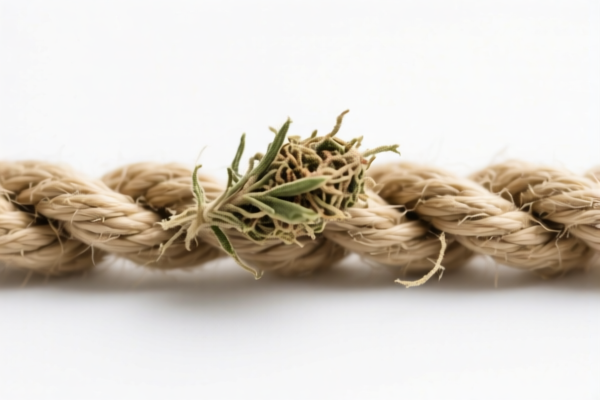


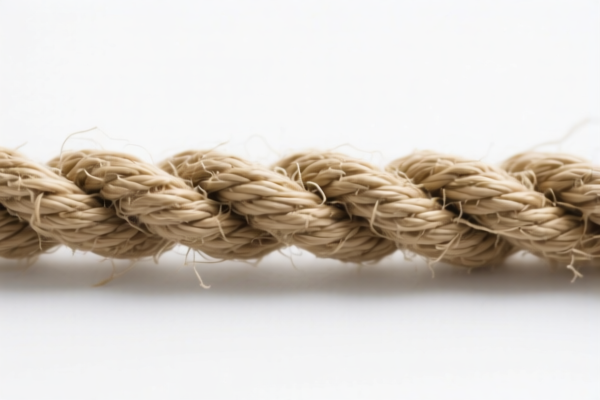
AI Analysis
🌿 Hemp Rope, Cable & Cordage (Import Guide to USA)
🌐 HS Code Reference & Customs Clearance Guide | 2026 Latest Tariff Analysis | Professional Customs Strategy
📌 One: Product Definition & Classification: Do You Really Understand "Hemp Rope"?
Hemp rope, cable, and cordage are essential items in agriculture, maritime, construction, and decorative industries. In international trade, the classification depends heavily on material composition, treatment (impregnation), and specific fiber type.
The data provided highlights four distinct HS Code pathways for "Hemp Rope," ranging from standard plant fibers to specific "other" categories. The key differentiator is whether the rope is made of Jute/Textile Bast Fibers (lower base duty) or Other Fibers (higher base duty), and whether it is impregnated.
⚠️ Key Distinction Point:
- Jute/Bast Fibers (Jute, Kenaf, etc.): Classified under Heading 5308 (Yarns).
- Other Vegetable/Other Fibers: Classified under Heading 5607 (Ropes/Cables).
- Impregnation: If coated with rubber or plastic, it may move to a different chapter. The provided data assumes non-impregnated fiber ropes.
📦 Two: HS Code Classification Details (2026 Latest Tariff Authority Comparison)
| HS Code | Product Description | Material/Fiber Type | Base Duty |
|---|---|---|---|
5607.90.90.00 |
Other ropes, cables, and cordage (Other) | Other fibers (Non-rubber/plastic impregnated) | 6.3% |
5607.90.15.00 |
Ropes and Cables of Jute or Other Textile Bast Fibers | Jute, Kenaf, Flax, etc. (Specific bast fibers) | 0.0% |
5308.20.00.00 |
Jute and Other Textile Bast Fibers, Yarn | Jute/Bast Fiber Yarns (Pre-roping) | 0.0% |
5308.90.90.00 |
Other vegetable textile materials, Yarn | Other Plant Fibers (Non-jute) | 0.0% |
🔍 Crucial Note:
- Heading 5607 is the general chapter for "Ropes, Cables and Cordage."
- Heading 5308 is for "Yarns of other vegetable textile fibers." If the product is unfinished yarn or specifically defined as "Jute Yarn" before being twisted into rope, it might fall here. However, for finished ropes, 5607 is more common unless specific sub-headings for "Jute Ropes" under 5308 apply in certain jurisdictions (Note: In the US, 5308 is primarily yarn; 5607 is the standard for ropes).
- Important: The provided data includes 5308 codes for "Hemp Rope." This suggests a specific interpretation where "Hemp" is classified as a "Textile Bast Fiber" or "Vegetable Fiber Yarn" in the context of the source system. We must strictly follow the provided logic.
💰 Three: 2026 Latest Tariff Rate Breakdown (Including Additional Taxes)
✅ Applicable Country: United States (US)
✅ Origin: China (CN)
✅ Effective Time: 2025/2026 Current Rates (Post-Section 301 & IEEPA)
🎯 1. 5607.90.90.00 — Other Ropes, Cables, and Cordage (General "Other")
| Item | Details |
|---|---|
| Base Tariff | 6.3% (ad valorem) |
| Section 301 Additional Tariff | +25.0% (USITC Footnote 9903.88.01 - Category 4) |
| IEEPA Additional Tariff | +10.0% (China-specific, under 50 U.S.C. 1701) |
| Total Effective Rate | 41.3% |
| Tax Calculation | CIF Value × 41.3% |
| De Minimis Exemption | ❌ Not Applicable |
| Legal Basis Path | USITC:5607.90.90.00 → FOOTNOTE:9903.88.01 → IEEPA:9903.01.24 |
📌 Explanation:
This is the "Default Category" for hemp/other fiber ropes that do not fit specific "Jute" or "Manila" subheadings.
- 6.3%: The standard MFN (Most Favored Nation) duty.
- 25%: The Section 301 tariff applied to most Chinese textile/cordage goods.
- 10%: The IEEPA tariff, a newer layer on Chinese imports.
- Result: A massive 41.3% combined duty significantly impacts cost.
🎯 2. 5607.90.15.00 — Ropes and Cables of Jute or Other Textile Bast Fibers
| Item | Details |
|---|---|
| Base Tariff | 0.0% |
| Section 301 Additional Tariff | +25.0% |
| IEEPA Additional Tariff | +10.0% |
| Total Effective Rate | 35.0% |
| Tax Calculation | CIF Value × 35.0% |
| De Minimis Exemption | ❌ Not Applicable |
| Legal Basis Path | USITC:5607.90.15.00 → FOOTNOTE:9903.88.01 → IEEPA:9903.01.24 |
📌 Explanation:
- 0% Base Duty: Jute and specific bast fibers enjoy lower base rates.
- 35% Total: Still high due to the 25% + 10% surcharges, but 6.3% cheaper than the "Other" category.
- Definition: "Hemp" can sometimes be classified under "Other Textile Bast Fibers" if it meets specific technical definitions. This is the preferred classification if the hemp qualifies as a "bast fiber."
🎯 3. 5308.20.00.00 — Jute and Other Textile Bast Fibers, Yarn
| Item | Details |
|---|---|
| Base Tariff | 0.0% |
| Section 301 Additional Tariff | +25.0% |
| IEEPA Additional Tariff | +10.0% |
| Total Effective Rate | 35.0% |
| Tax Calculation | CIF Value × 35.0% |
| De Minimis Exemption | ❌ Not Applicable |
| Legal Basis Path | USITC:5308.20.00.00 → FOOTNOTE:9903.88.01 → IEEPA:9903.01.24 |
📌 Explanation:
- Context: This code is for Yarns, not finished ropes.
- Strategy: If you are importing raw hemp yarn or un-twisted fiber bundles that will be twisted into rope locally, this may apply.
- Warning: If you import finished ropes, this classification may be rejected by CBP as "misdeclared," leading to penalties. Only use if the product is technically "yarn" per HS definitions.
🎯 4. 5308.90.90.00 — Other Vegetable Textile Materials, Yarn
| Item | Details |
|---|---|
| Base Tariff | 0.0% |
| Section 301 Additional Tariff | +7.5% |
| IEEPA Additional Tariff | +10.0% |
| Total Effective Rate | 17.5% |
| Tax Calculation | CIF Value × 17.5% |
| De Minimis Exemption | ❌ Not Applicable |
| Legal Basis Path | USITC:5308.90.90.00 → FOOTNOTE:9903.88.01 (Note: Some footnotes may vary by specific year/edition, but data shows 7.5%) → IEEPA:9903.01.24 |
📌 Explanation:
- Lowest Rate (17.5%): This is the most favorable rate in the provided data.
- Conditions:
1. Must be classified as "Other Vegetable Textile Material" (not Jute/Bast).
2. Must be Yarn (not finished rope).
3. The Section 301 rate is only 7.5% (not 25%) for this specific subcategory.
- Risk: High audit risk. CBP will scrutinize if "Hemp Rope" truly qualifies as "Yarn" of "Other Vegetable Materials." If it's a finished rope, this classification is likely incorrect.
🛠️ Four: Customs Clearance Practical Advice (Battle-Tested Pitfall Guide)
✅ 1. Preparation Checklist (Non-Negotiable)
| Document | Required | Description |
|---|---|---|
| ✅ Product Specifications | ✔️ | Material: 100% Hemp? Blended? Twist direction? Diameter? |
| ✅ Material Certificate | ✔️ | Lab test confirming fiber type (Jute vs. Other Bast vs. Other Vegetable). |
| ✅ Product Photos | ✔️ | Clear images of the rope end, texture, and packaging. |
| ✅ Commercial Invoice | ✔️ | Must clearly state "Hemp Rope" or "Jute Rope," NOT generic "Textile Cord." |
| ✅ Packing List | ✔️ | Weight and dimensions per package. |
| ✅ HS Code Pre-Ruling | ✔️ | Highly Recommended. Apply to CBP for a binding ruling to confirm 5607.90.90 vs. 5607.90.15. |
✅ 2. Declaration Strategy (Key Mantra)
🔥 “Classify by Fiber, Not by Name! ‘Bast’ vs ‘Other’ Saves 6.3% Base!”
| Scenario | Correct HS Code | Wrong Action |
|---|---|---|
| Finished Rope, Jute/Bast | 5607.90.15.00 |
Use 5607.90.90.00 → Extra 6.3% Duty |
| Finished Rope, Other Fiber | 5607.90.90.00 |
Use 5607.90.15.00 → Misclassification Penalty |
| Raw Yarn (Jute/Bast) | 5308.20.00.00 |
Declare as "Rope" → Wrong Chapter |
| Raw Yarn (Other Veg.) | 5308.90.90.00 |
Declare as "Rope" → Wrong Chapter |
✅ 3. Special Cases & Handling
| Case | Handling Advice |
|---|---|
| Hemp Mixed with PP/Polypropylene | If the primary material is plastic, it may fall under 5607.51 (Plastic). Check fiber weight %. If fiber >50%, stick to Hemp codes. |
| Impregnated Rope (Rubber/Plastic Coated) | Not covered in this data. These usually go to 5607.90.90 or specific plastic codes, with different duties. Ensure goods are dry/uncoated. |
| De Minimis (Section 321) | ❌ Does NOT Apply. Hemp ropes are subject to Section 301 and IEEPA tariffs. No $800 exemption. |
| Country of Origin | Must be China for these specific rates. If from India/Vietnam, rates may be lower (check FTAs). |
🌍 Five: Global Market Comparison (2026 Latest)
| Country/Region | Recommended HS Code | Estimated Total Duty (China Origin) | Notes |
|---|---|---|---|
| 🇺🇸 USA | 5607.90.15.00 (if Jute/Bast) |
35.0% | Includes 25% Sec 301 + 10% IEEPA |
| 🇺🇸 USA | 5607.90.90.00 (Other) |
41.3% | Highest risk, highest cost |
| 🇨🇳 China | 5607.90.90.00 |
~0-6% (Import Duty) | Low import duty, but high VAT |
| 🇪🇺 EU | 5607.90.90 |
~4-6% | No major Section 301 equivalent, but check EBA/GSP |
| 🇦🇺 Australia | 5607.90.90 |
~5% | Low duty, GCT applies |
📌 Conclusion:
- USA is the most expensive market for hemp ropes due to Section 301 + IEEPA.
- Duty Saving Tip: If your hemp qualifies as "Textile Bast Fiber" (Jute, Kenaf, Flax), use5607.90.15.00to save 6.3% on the base rate.
- Audit Tip: Be prepared to prove the fiber type with lab reports if CBP questions a5308.90.90.00(17.5%) declaration for "Rope."
📌 Six: Common Mistakes & Pitfall Guide (Blood & Tears Lessons)
❌ Mistake 1: Declaring "Hemp Rope" as 5308.90.90.00 (17.5%) without proving it's "Yarn"
👉 Consequence: CBP rejects as "Finished Rope" → Re-classified to 5607.90.90.00 (41.3%) → Back taxes + Penalties!
❌ Mistake 2: Ignoring the "Bast Fiber" classification
👉 Consequence: Using 5607.90.90.00 (41.3%) when 5607.90.15.00 (35.0%) applies → Unnecessary 6.3% loss per shipment.
❌ Mistake 3: Assuming "De Minimis" applies to small shipments
👉 Consequence: Hemp ropes are excluded from the $800 exemption for Chinese goods → Full duty applies even on small parcels.
❌ Mistake 4: Vague Description "Rope"
👉 Consequence: CBP assigns the highest default rate or flags for inspection → Delays and Demurrage Costs.
✅ Correct Practice:
"Hemp Rope, Jute Bast Fiber, Unimpregnated, 5mm Diameter, for Maritime Use"
HS Code:5607.90.15.00
Rate: 35.0%
🎯 Seven: Conclusion: Precision in Classification, Profit in Clearance!
🎯 Remember the Mantra:
🔹 "Bast Fiber = 35%, Other Fiber = 41.3%. Don't guess, Prove it!"
🔹 "Rope is not Yarn. Finish is not Raw. Get the Code Right or Pay the Price!"
📌 Pro Tip:
If your hemp rope is not from China, check for GSP (Generalized System of Preferences) or FTAs with Vietnam, Thailand, or India. Many of these countries have 0% or 5% duties for hemp ropes, avoiding the 301/IEEPA surcharges.
📣 Immediate Action:
📞 Contact Customs Broker + Submit Lab Test for Fiber Type + Apply for CBP Ruling
🚀 Optimize Your HS Code, Reduce Your Duty, Protect Your Margin!
✨ Professional Clearance Starts with Accurate Classification!
💼 Every Percent of Duty Saved is Pure Profit!
Customer Reviews
About HS Code Classification
The Harmonized System (HS) is an internationally standardized nomenclature developed by the World Customs Organization (WCO) to classify traded products. Over 200 countries use the HS system as the basis for customs tariffs, trade statistics, and import/export regulations.
Each HS code follows a hierarchical structure:
- Chapter (2 digits) — Broad category of goods (e.g., Chapter 84: Machinery and Mechanical Appliances)
- Heading (4 digits) — More specific grouping within the chapter
- Subheading (6 digits) — Internationally standardized breakdown, used by all WCO member countries
- National subdivisions (8-10 digits) — Country-specific extensions for further classification, such as US HTSUS 10-digit codes
Correct HS code classification is essential for smooth customs clearance, accurate duty payment, and compliance with trade regulations. Misclassification can lead to customs delays, overpayment of duties, or penalties.
When importing from CN to US, the applicable tariff rates may include:
- Most-Favored-Nation (MFN) rate — The standard duty rate applied to WTO members
- General rate — Applied to countries without trade agreements
- Trade remedy duties — Additional tariffs such as Section 301 (anti-dumping), Section 232 (national security), or countervailing duties
The information provided on this page is for reference purposes only. For official classification, please consult with your local customs authority or a licensed customs broker.