Herbal Infused Wine
CN → US| HS Code | Tariff Rate | Origin | Destination | Doc |
|---|---|---|---|---|
| 2208202000 | 17.5% | CN | US | Official Doc |
| 2106901200 | 0.0% | CN | US | Official Doc |
| 2208901000 | 17.5% | CN | US | Official Doc |
| 2106909987 | 16.4% | CN | US | Official Doc |
| 2206006000 | 0.0% | CN | US | Official Doc |
Product Images
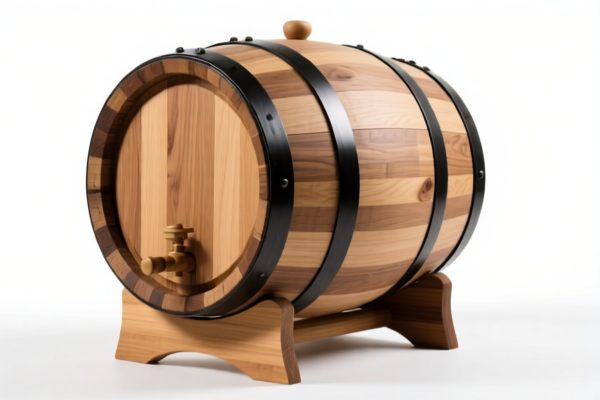
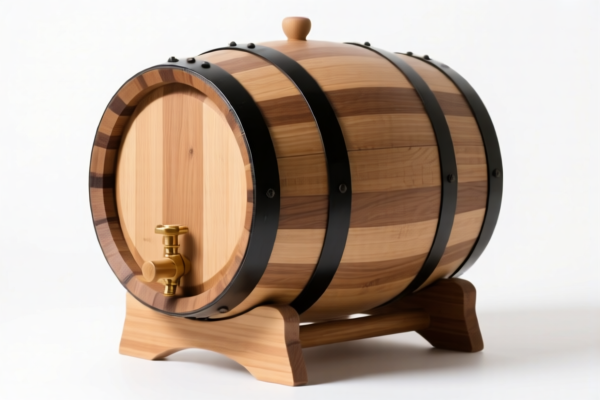
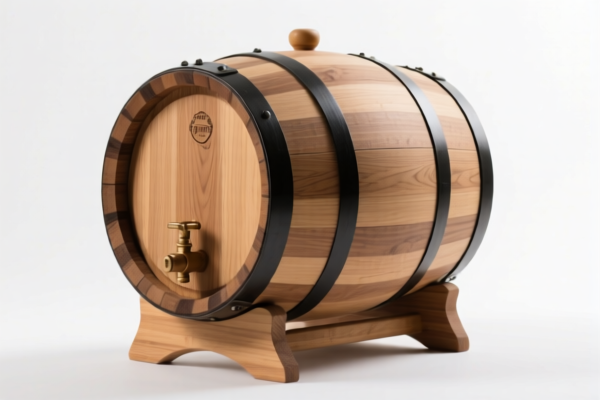
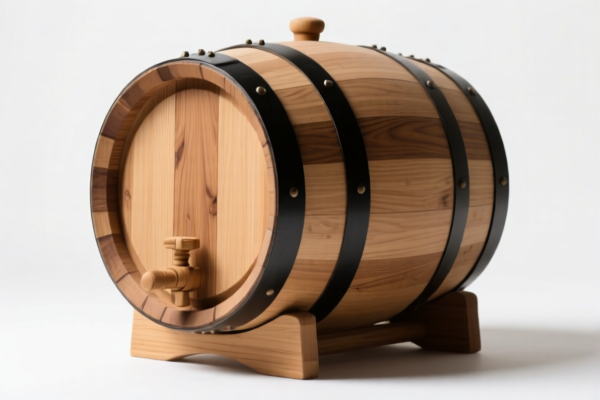
AI Analysis
🍷 Herbal Infused Wine (草本浸泡酒)
🌐 HS Code Reference & Customs Clearance Guide | 2026 Latest Tariff Analysis | Professional Clearance Strategy
📌 I. Product Definition & Classification: Do You Really Understand "Herbal Infused Wine"?
Herbal Infused Wine falls into the complex category of alcohol beverages. It is not a simple single-category item; its classification depends heavily on production method (fermented vs. compounded), alcohol content, and ingredients (herbal extracts vs. whole plant material). In international trade, it is primarily split between spirit-like liqueurs, compound alcohol preparations, and fermented wine analogs.
⚠️ Key Distinction Points:
- If it is explicitly classified as a spirit/liqueur with herbal flavoring → Goes to Chapter 22 (2208).
- If it is considered a compound preparation for beverage manufacturing or a herbal extract with alcohol base → Goes to Chapter 21 (2106).
- If it is fermented with herbal additives and bubbles → Goes to Chapter 22 (2206).
📦 II. HS Code Classification Details (2026 Latest Tariff Authority Cross-Reference)
| HS Code | Product Description | Application Scenario | Key Classification Logic |
|---|---|---|---|
2208.20.20.00 |
Herbal Liqueurs/Spirits | Herbal soaked wine classified as alcoholic beverages | Matches "Spirits/Liqueurs" material attributes |
2106.90.12.00 |
Compound Alcohol Preparations | Herbal alcohol preparations for beverage manufacturing | Matches "Alcohol preparations for beverage manufacture" |
2208.90.10.00 |
Other Undrinkable/Non-Standard Spirits | Herbal products fitting "Bitters" typical characteristics | Matches "Alcoholic beverages" with herbal bitterness |
2106.90.99.87 |
Other Food Preparations | Herbal/Composite herbal extracts in infusion form | Matches "Herbal extracts/infusions" morphology |
2206.00.60.00 |
Other Fermented Beverages | Fermented or alcoholic beverages, sparkling type | Matches "Other sparkling wine/beverage" attributes |
🔍 Key Reminder:
- If the product is ready-to-drink and marketed as a spirit or liqueur,2208.20.20.00is the most common classification.
- If it is a concentrate or extract intended for mixing or industrial use,2106.90.12.00or2106.90.99.87may apply.
- Misclassification between "Liqueur" (Ch 22) and "Preparation" (Ch 21) can lead to significant duty differences and customs holds.
💰 III. 2026 Latest Tariff Rate Details (Including Surtaxes, Policy Add-ons)
✅ Applicable Country: United States (US)
✅ Origin: China (CN)
✅ Effective Date: From November 10, 2025 (including subsequent imports)
🎯 1. 2208.20.20.00 — Herbal Liqueurs (Spirits/Liqueur Category)
| Item | Details |
|---|---|
| Base Tariff | 0.0% (ad valorem) |
| USITC Surtax | +7.5% (Trade Remedy Surtax) |
| Section 301 Surtax (122 Clause) | +10% (Targeted Chinese Products) |
| Total Tax Rate | 17.5% |
| Tax Calculation | CIF Value × 17.5% |
| De Minimis Eligibility | ❌ No (denied for Section 301 goods) |
| Legal Basis Path | USITC:2208.20.20.00 → SECTION 301:122 → Surtax:7.5% |
📌 Explanation:
- "Base Tariff 0%" is standard for most spirits under HTSUS 2208.20.
- "Surtax 7.5%" applies to specific Chinese alcohol products under USITC trade remedies.
- "Section 301 10%" is the additional tariff on Chinese goods listed in Section 122.
- Total 17.5%: This is a moderate-high rate for alcohol, requiring careful cost calculation.
🎯 2. 2106.90.12.00 — Compound Alcohol Preparations
| Item | Details |
|---|---|
| Base Tariff | 4.2¢/kg + 1.9% (ad valorem) |
| USITC Surtax | +7.5% |
| Section 301 Surtax (122 Clause) | +10% |
| Total Tax Structure | 4.2¢/kg + 1.9% + 7.5% + 10% |
| Tax Calculation | (Weight in kg × 4.2¢) + (CIF × 1.9%) + (CIF × 7.5%) + (CIF × 10%) |
| De Minimis Eligibility | ❌ No |
| Legal Basis Path | USITC:2106.90.12.00 → Surtax:7.5% → SECTION 301:122 |
📌 Note:
- This is a mixed duty (specific + ad valorem).
- If the product is dense or heavy, the per-kg duty may add up.
- Total effective rate depends on weight-to-value ratio, but generally higher than2208for high-value liquors.
🎯 3. 2208.90.10.00 — Other Spirits (Bitters/Herbal)
| Item | Details |
|---|---|
| Base Tariff | 0.0% |
| USITC Surtax | +7.5% |
| Section 301 Surtax (122 Clause) | +10% |
| Total Tax Rate | 17.5% |
| Tax Calculation | CIF Value × 17.5% |
| De Minimis Eligibility | ❌ No |
| Legal Basis Path | USITC:2208.90.10.00 → Surtax:7.5% → SECTION 301:122 |
📌 Note:
- Classified under "Other" spirits if it doesn't fit standard liqueur definitions but still alcoholic.
- Same 17.5% total rate as2208.20.20.00.
- Common for traditional herbal bitters or medicinal-style wines.
🎯 4. 2106.90.99.87 — Other Food Preparations (Herbal Extracts)
| Item | Details |
|---|---|
| Base Tariff | 6.4% |
| USITC Surtax | 0.0% |
| Section 301 Surtax (122 Clause) | +10% |
| Total Tax Rate | 16.4% |
| Tax Calculation | CIF Value × 16.4% |
| De Minimis Eligibility | ❌ No |
| Legal Basis Path | USITC:2106.90.99.87 → SECTION 301:122 |
📌 Note:
- No USITC surtax here! Only base + Section 301.
- Total 16.4% is the lowest effective rate among alcoholic/semi-alcoholic classifications listed.
- Suitable for herbal tinctures or non-standard alcohol preparations.
🎯 5. 2206.00.60.00 — Other Fermented Beverages (Sparkling)
| Item | Details |
|---|---|
| Base Tariff | 13.9¢/liter |
| USITC Surtax | +7.5% |
| Section 301 Surtax (122 Clause) | +10% |
| Total Tax Structure | 13.9¢/liter + 1.9% + 7.5% + 10% |
| Tax Calculation | (Volume in liters × 13.9¢) + (CIF × 1.9% + 7.5% + 10%) |
| De Minimis Eligibility | ❌ No |
| Legal Basis Path | USITC:2206.00.60.00 → Surtax:7.5% → SECTION 301:122 |
📌 Note:
- If the herbal wine is fermented (not distilled/mixed) and sparkling, this applies.
- Specific duty per liter can be significant for high-volume shipments.
- Ad valorem portion is lower (1.9% vs 10%), but volume-based duty adds complexity.
🛠️ IV. Customs Clearance Practical Advice (Battle-Tested Pitfall Avoidance)
✅ 1. Documentation Checklist (Mandatory)
| Document | Required | Explanation |
|---|---|---|
| ✅ Product Spec Sheet | ✔️ | Alcohol content, ingredients (herbs vs. extracts), production method |
| ✅ Certificate of Analysis (COA) | ✔️ | To prove alcohol content and herbal composition |
| ✅ Commercial Invoice | ✔️ | Must clearly state "Herbal Infused Wine" or "Compound Alcohol Preparation" |
| ✅ Formula/Ingredient List | ✔️ | Critical for distinguishing between Ch 22 (Beverage) and Ch 21 (Preparation) |
| ✅ Certificate of Origin | ✔️ | To determine Section 301 applicability |
| ✅ TTB Approval (if US-focused) | ✔️ | If marketed as consumable alcoholic beverage in the US |
✅ 2. Declaration Strategy (Key Mnemonics)
🔥 "Spirit vs. Prep, Check Alcohol %!"
| Scenario | Correct HS Code | Wrong Approach |
|---|---|---|
| Ready-to-drink, >20% ABV, herbal liqueur style | 2208.20.20.00 (17.5%) |
Misclassifying as "Food Prep" → Audit risk |
| Herbal extract with alcohol base, for mixing | 2106.90.12.00 (Mixed) |
Misclassifying as "Beverage" → Wrong duty base |
| Traditional Bitters or Medicinal Wine | 2208.90.10.00 (17.5%) |
Missing "Bitters" classification → Delay |
| Herbal Tincture/Infusion (lower alcohol) | 2106.90.99.87 (16.4%) |
Best if eligible for lower rate |
| Fermented Herbal Wine (Sparkling) | 2206.00.60.00 (Mixed) |
Misclassifying as "Beer" or "Spirits" |
✅ 3. Special Cases Handling
| Scenario | Recommendation |
|---|---|
| High Alcohol Content (>40%) | Likely 2208 category; ensure "Spirits" declaration |
| Low Alcohol (<20%) but Herbed | May fall under 2106 as preparation; consult TTB |
| Gift Sets with Wine + Herbs | Declare as set; primary purpose determines HS code |
| Bulk vs. Retail | Bulk may qualify for different specific duty rates |
🌍 V. Global Market Comparison (2026 Latest)
| Country/Region | Recommended HS Code | Tariff | Certification | Notes |
|---|---|---|---|---|
| 🇺🇸 USA | 2208.20.20.00 |
17.5% | FDA + TTB | High scrutiny on herbal claims |
| 🇪🇺 EU | 2208.90.10 |
14.4% (approx.) | EU Alcohol Labeling | No Section 301; lower base rate |
| 🇬🇧 UK | 2208.90.10 |
14.4% | UK Alcohol Duty | Post-Brexit independent rules |
| 🇨🇳 China | 2208.20.20 |
14% + VAT | CCC (if applicable) | Import duty + VAT + Consumption Tax |
| 🇯🇵 Japan | 2208.90.10 |
15% | Shoku-Hin Eisei | Strict herbal ingredient list |
📌 Conclusion:
- USA has unique Section 301 surtaxes not seen in EU/UK/Japan.
- EU/UK have lower base tariffs but stricter herbal ingredient regulations.
- China applies consumption tax on top of import duty, making it expensive for imported spirits.
📌 VI. Common Mistakes & Pitfalls (Lessons Learned)
❌ Mistake 1: Classifying "Herbal Wine" as "Beer" or "Cider"
👉 Consequence: Wrong HS code → Rejection + Backlog
❌ Mistake 2: Ignoring "Section 301" for Chinese origin
👉 Consequence: Unexpected 10%–17.5% duty → Profit Margin Erosion
❌ Mistake 3: Declaring "Herbal Extract" as "Food" without alcohol disclosure
👉 Consequence: Customs Hold + Penalties for undeclared alcohol content
❌ Mistake 4: Using vague terms like "Drink" or "Liquid"
👉 Consequence: Customs Query → Delayed Clearance
✅ Correct Declaration:
"Herbal Infused Wine, 20% ABV, Containing Ginseng and Licorice, Bottled, Classify as Liqueur/Herbal Spirit"
🎯 VII. Conclusion: Precise Classification Saves Money!
🎯 Remember the Rule:
🔹 "Spirit = 2208, Prep = 2106, Fermented = 2206"
🔹 "Chinese Origin = +10% Section 301 + 7.5% Surtax"
🔹 "Lowest Rate = 2106.90.99.87 (16.4%) if eligible!"
📌 Pro Tip:
If your herbal wine is not Chinese-origin (e.g., France, Germany), you avoid Section 301, reducing total tax to 7.5% (for Ch 22 items).
Consider supply chain diversification to mitigate US trade tensions.
📣 Immediate Action:
📞 Contact a Licensed Customs Broker + Provide Formula & ABV + Apply for Advance Ruling
🚀 Ensure Smooth Customs Clearance, Maximize Profit, Avoid Penalties!
✨ Professional Clearance Starts with Accurate Classification!
💼 Every Cent of Duty Matters — Optimize Now!
Customer Reviews
About HS Code Classification
The Harmonized System (HS) is an internationally standardized nomenclature developed by the World Customs Organization (WCO) to classify traded products. Over 200 countries use the HS system as the basis for customs tariffs, trade statistics, and import/export regulations.
Each HS code follows a hierarchical structure:
- Chapter (2 digits) — Broad category of goods (e.g., Chapter 84: Machinery and Mechanical Appliances)
- Heading (4 digits) — More specific grouping within the chapter
- Subheading (6 digits) — Internationally standardized breakdown, used by all WCO member countries
- National subdivisions (8-10 digits) — Country-specific extensions for further classification, such as US HTSUS 10-digit codes
Correct HS code classification is essential for smooth customs clearance, accurate duty payment, and compliance with trade regulations. Misclassification can lead to customs delays, overpayment of duties, or penalties.
When importing from CN to US, the applicable tariff rates may include:
- Most-Favored-Nation (MFN) rate — The standard duty rate applied to WTO members
- General rate — Applied to countries without trade agreements
- Trade remedy duties — Additional tariffs such as Section 301 (anti-dumping), Section 232 (national security), or countervailing duties
The information provided on this page is for reference purposes only. For official classification, please consult with your local customs authority or a licensed customs broker.