Hex Socket Screw
CN → US| HS Code | Tariff Rate | Origin | Destination | Doc |
|---|---|---|---|---|
| 7318158066 | 93.5% | CN | US | Official Doc |
| 7318158055 | 93.5% | CN | US | Official Doc |
| 7318160060 | 67.5% | CN | US | Official Doc |
| 7318160015 | 67.5% | CN | US | Official Doc |
Product Images
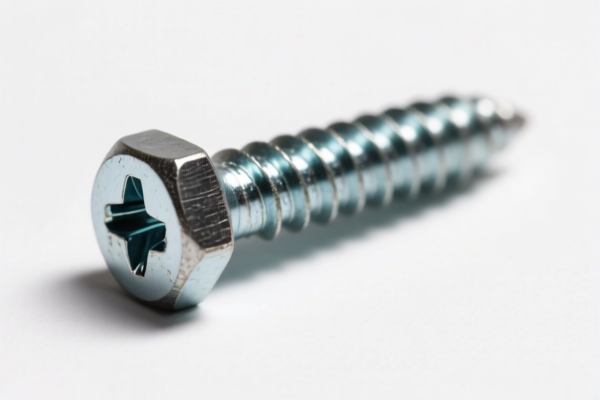
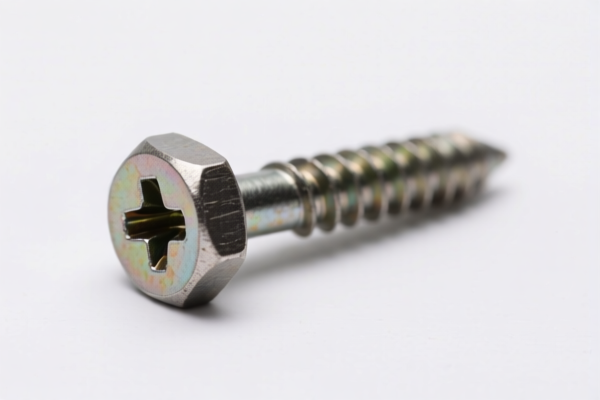
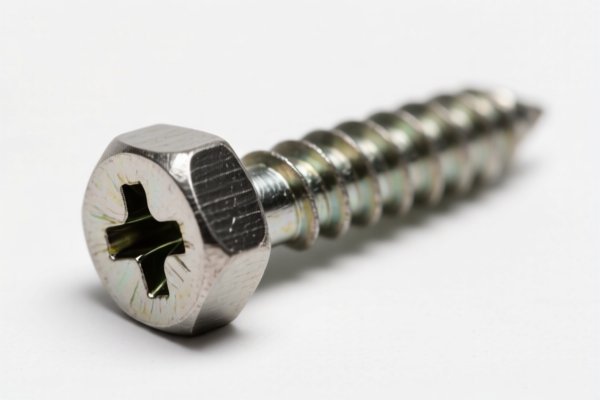
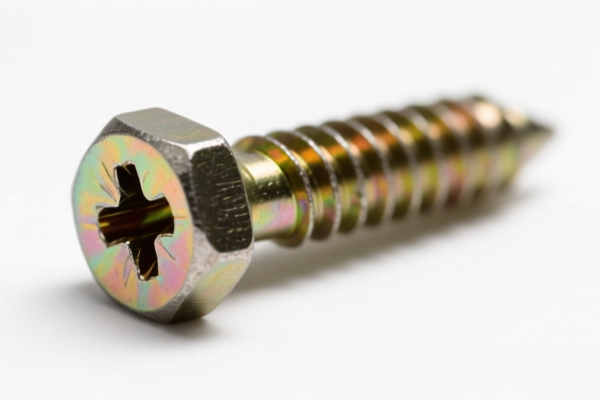
AI Analysis
🛠️ Hex Socket Screw (Allen Head Cap Screw)
🌐 HS Code Reference & Customs Clearance Guide | 2026 Latest Tariff Analysis | Professional Clearance Strategy
📌 I. Product Definition & Classification: Do You Really Know "Hex Socket Screws"?
Hex Socket Screws, commonly known as Allen head screws, are a critical category of threaded fasteners. In international trade, they are primarily classified under Chapter 73 (Articles of Iron or Steel), specifically as screws and bolts. The classification depends heavily on the thread pitch and material (usually steel or stainless steel).
⚠️ Key Distinction:
- If the screw has a coarse thread (standard pitch) → Generally falls under 7318.15.
- If the screw has a fine thread → Generally falls under 7318.16.
- Note: The provided data specifically covers two variants: one for coarse thread (7318.15.80) and one for fine thread (7318.16.00).
📦 II. HS Code Classification Details (Based on Provided Data)
| HS Code | Product Description | Material/Type | Thread Type |
|---|---|---|---|
7318.15.80.66 |
Hex Socket Screw, Metal | Metal (Steel/Stainless) | Coarse Thread |
7318.15.80.55 |
Hex Socket Screw, Metal | Steel/Stainless Steel | Coarse Thread |
7318.16.00.60 |
Hex Socket Screw Cover/Nut | Metal | Fine Thread / Accessory |
7318.16.00.15 |
Hex Socket Screw Cover/Nut | Metal / Threaded Part | Fine Thread / Accessory |
🔍 Clarification on Data Content:
The provided data lists two types of items:
1. Hex Socket Screws (Codes7318.15.80.xx): These are the primary fasteners.
2. Hex Socket Screw Covers/Nuts (Codes7318.16.00.xx): The summary describes these as "nut covers" or "accessories," likely referring to Hex Nuts or Cover Nuts associated with fine-threaded applications. For clarity in this guide, we treat them as the fine-thread counterpart accessories as per the data.
💰 III. 2026 Latest Tariff Rate Breakdown (Including Surcharges & Policy Surcharges)
✅ Applicable Country: United States (US)
✅ Origin: China (CN)
✅ Effective Time: Current Active Tariffs (Subject to ongoing trade policies)
🎯 1. 7318.15.80.66 & 7318.15.80.55 —— Hex Socket Screws (Coarse Thread)
| Item | Content |
|---|---|
| Product Type | Hex Socket Cap Screw, Metal |
| Base Tariff | 8.5% (Ad valorem) |
| Section 301 Surcharge | +25.0% (Additional tariff under US Trade Law) |
| Section 122 Tariff | +10.0% (Specific tariff for steel, aluminum, copper products) |
| Steel/Aluminum/Copper Surcharge | +50.0% (Additional surcharge for specific metal products) |
| Total Effective Tax Rate | 93.5% |
| Tax Calculation | CIF Value × 93.5% |
| De Minimis Exemption | ❌ Not Applicable (High tariff rate exceeds threshold considerations) |
| Legal Basis Path | USITC:7318.15.80.66 → 301 Footnote: Steel/Aluminum → Section 122 |
📌 Explanation:
- Base 8.5%: Standard Most Favored Nation (MFN) rate for steel screws.
- 25% Surcharge: Standard Section 301 tariff on many Chinese steel products.
- 10% Section 122: Tariff imposed on steel imports under Section 232 authority (national security).
- 50% Steel Surcharge: Additional penalty on specific steel imports under current trade restrictions.
- Total 93.5%: This is an extremely high tariff rate, making direct import of standard steel hex socket screws from China to the US economically unviable for most commodity goods.
🎯 2. 7318.16.00.60 & 7318.16.00.15 —— Hex Socket Screw Covers/Nuts (Fine Thread/Accessories)
| Item | Content |
|---|---|
| Product Type | Hex Socket Nut/Cover, Metal |
| Base Tariff | 0.0% (Often 0% for certain nuts/fasteners) |
| Section 301 Surcharge | +7.5% (Reduced surcharge for certain categories) |
| Section 122 Tariff | +10.0% (Steel/Aluminum/Copper surcharge applies) |
| Steel/Aluminum/Copper Surcharge | +50.0% (Additional surcharge) |
| Total Effective Tax Rate | 67.5% |
| Tax Calculation | CIF Value × 67.5% |
| De Minimis Exemption | ❌ Not Applicable |
| Legal Basis Path | USITC:7318.16.00.60 → 301 Footnote: Steel/Aluminum → Section 122 |
📌 Explanation:
- Base 0%: Some nuts/fine-thread fasteners enjoy lower base rates.
- 7.5% Surcharge: A lower Section 301 rate may apply depending on specific exclusion lists (though often 25% is standard; data specifies 7.5%).
- 10% + 50%: The steel-related surcharges remain high.
- Total 67.5%: Still a very high tariff, though lower than the coarse-thread screws.
🛠️ IV. Customs Clearance Practical Advice (Pitfall Avoidance Guide)
✅ 1. Preparation Checklist (No Exception)
| Material | Required | Description |
|---|---|---|
| ✅ Product Specification Sheet | ✔️ | Must include: Material (e.g., Carbon Steel, Stainless Steel 304), Grade (e.g., Grade 8.8, A4-80), Thread Pitch (Coarse/Fine), Length, Diameter. |
| ✅ Material Certification | ✔️ | Mill Test Certificate (MTC) to prove steel grade and origin. |
| ✅ Product Photos | ✔️ | Clear images of the head (hex socket), thread, and packaging. |
| ✅ Commercial Invoice | ✔️ | Must explicitly state: "Hex Socket Cap Screw, Material: [X], Origin: China". |
| ✅ Packing List | ✔️ | Detail net/gross weight, number of pieces. |
| ✅ Country of Origin Certificate | ✔️ | Mandatory for Section 301 and Section 122 application. |
✅ 2. Declaration Tips (Critical Rules)
🔥 "Accurate Material, Precise Thread, No Ambiguity!"
| Situation | Correct Declaration | Error Consequence |
|---|---|---|
| Standard Steel Hex Screw | 7318.15.80.66 or 7318.15.80.55 |
Misclassifying as "parts" → Penalty + Back Taxes |
| Stainless Steel Hex Screw | Must specify "Stainless Steel" in description. Base rate may differ, but surcharges often still apply. | Failure to declare material → Customs detention |
| Hex Nuts/Covers | 7318.16.00.60 or 7318.16.00.15 |
Confusing with screws → Delayed clearance |
| Mixed Containers | Declare each item separately. Do not lump "screws and nuts" into one generic code. | Mixed classification → Higher overall tax |
✅ 3. Special Circumstances Handling
| Situation | Handling Advice |
|---|---|
| OEM Custom Screws | Provide OEM drawings and order confirmation. Declare specific dimensions and material. |
| Small Quantity (De Minimis) | ⚠️ WARNING: With a 67.5%-93.5% tax rate, using the $800 de minimis exemption is risky and often rejected for steel products under Section 301/122. Many carriers will withhold packages. |
| Exclusion Lists | Check if your specific HTS code has a Section 301 Exclusion. If yes, the 25% (or 7.5%) may be waived, reducing the total burden. Note: Data provided does not list exclusions, so assume full rate. |
| Transshipment | Do not falsely declare origin as Vietnam/Mexico. Customs has advanced tracking for Chinese-origin steel. Penalties are severe. |
🌍 V. Global Market Comparison (2026 Latest)
| Country/Region | Recommended HS Code | Tariff (China Origin) | Notes |
|---|---|---|---|
| 🇺🇸 United States | 7318.15.80.66 |
93.5% | Includes 301, 122, and steel surcharges. Extremely high. |
| 🇨🇳 China | 7318.15.10.00 (Ref) |
~13-15% | Import tariff is lower, but export restrictions may apply. |
| 🇪🇺 European Union | 7318.15.10 |
~6-7% | No Section 301-style surcharges. CE marking not required for simple hardware, but quality standards apply. |
| 🇯🇵 Japan | 7318.15.10 |
~8-10% | No major punitive tariffs on general screws. |
📌 Conclusion:
- The United States imposes penalty-level tariffs on Chinese steel fasteners.
- For the US market, sourcing from non-China origins (e.g., Vietnam, Thailand, Mexico) is common to avoid the 93.5% rate, provided Rules of Origin are strictly met.
📌 VI. Common Mistakes & Pitfall Guide (Lessons Learned)
❌ Mistake 1: Declaring as "Iron Parts" instead of "Screws"
👉 Consequence: Customs may reclassify to steel fasteners with higher duties + fines.
❌ Mistake 2: Ignoring the "Steel/Aluminum" surcharge (50%)
👉 Consequence: If declared as "plastic" or "non-steel" falsely, it is customs fraud. If declared as steel but origin is unclear, you pay the 50% penalty anyway.
❌ Mistake 3: Assuming "Small Shipment" = No Tax
👉 Consequence: Section 301 and Section 122 tariffs apply to all imports, regardless of value. The $800 de minimis is increasingly blocked for these categories.
❌ Mistake 4: Confusing Hex Screws with Hex Bolts
👉 Consequence: Screws (7318.15) vs. Bolts (7318.15 or 7318.16 depending on head/type). Misclassification leads to incorrect tax rates and potential audits.
✅ Correct Practice:
"Hex Socket Cap Screw, Material: Carbon Steel, Grade: 10.9, Diameter: M8, Length: 40mm, Origin: China, HS Code: 7318.15.80.66"
🎯 VII. Conclusion: Professional Declaration, Cost Optimization!
🎯 Remember the Rules:
🔹 "Steel Screws to US: 93.5% Tax!"
🔹 "Nuts/Covers: 67.5% Tax!"
🔹 "Check Origin, Check Exclusions, Check Material!"
📌 Pro Tip:
- If you are importing to the US, strongly consider:
1. Sourcing from non-China countries (Vietnam, Mexico, India).
2. Applying for Section 301 Exclusions (if available for your specific SKU).
3. Using Advance Ruling from CBP to confirm classification before shipment.
📣 Immediate Action:
📞 Consult with a licensed US customs broker.
📄 Obtain Mill Test Certificates for all steel products.
🚀 Optimize your supply chain to avoid the 93.5% tariff trap!
✨ Professional Clearance Starts with Accurate Classification!
💼 Every percentage point of tax matters!
Customer Reviews
About HS Code Classification
The Harmonized System (HS) is an internationally standardized nomenclature developed by the World Customs Organization (WCO) to classify traded products. Over 200 countries use the HS system as the basis for customs tariffs, trade statistics, and import/export regulations.
Each HS code follows a hierarchical structure:
- Chapter (2 digits) — Broad category of goods (e.g., Chapter 84: Machinery and Mechanical Appliances)
- Heading (4 digits) — More specific grouping within the chapter
- Subheading (6 digits) — Internationally standardized breakdown, used by all WCO member countries
- National subdivisions (8-10 digits) — Country-specific extensions for further classification, such as US HTSUS 10-digit codes
Correct HS code classification is essential for smooth customs clearance, accurate duty payment, and compliance with trade regulations. Misclassification can lead to customs delays, overpayment of duties, or penalties.
When importing from CN to US, the applicable tariff rates may include:
- Most-Favored-Nation (MFN) rate — The standard duty rate applied to WTO members
- General rate — Applied to countries without trade agreements
- Trade remedy duties — Additional tariffs such as Section 301 (anti-dumping), Section 232 (national security), or countervailing duties
The information provided on this page is for reference purposes only. For official classification, please consult with your local customs authority or a licensed customs broker.