Hexagonal Light
CN → US| HS Code | Tariff Rate | Origin | Destination | Doc |
|---|---|---|---|---|
| 9405194020 | 38.9% | CN | US | Official Doc |
| 9405294010 | 38.7% | CN | US | Official Doc |
| 7020006000 | 40.0% | CN | US | Official Doc |
| 3926909910 | 22.8% | CN | US | Official Doc |
| 9405428440 | 38.9% | CN | US | Official Doc |
Product Images

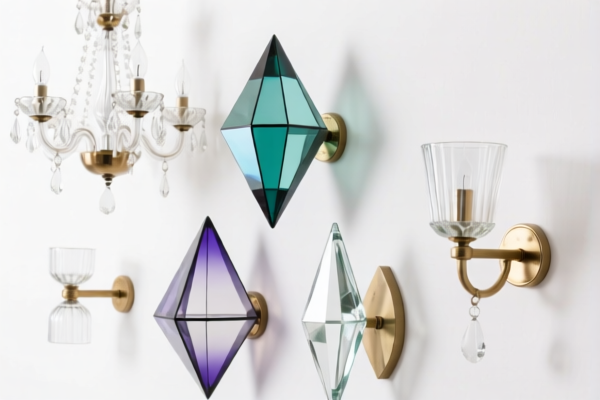
AI Analysis
🔦 Hexagonal Light (Hexagonal Luminaires)
🌐 HS Code Reference & Customs Clearance Guide | 2026 Latest Tariff Analysis | Professional Strategy
📌 I. Product Definition & Classification: Do You Really Understand “Hexagonal Lights”?
Hexagonal lights are decorative or functional lighting fixtures characterized by their six-sided geometric shape. In international trade, they are primarily classified based on material composition and light source type. The classification significantly impacts the tariff rate and clearance process.
⚠️ Key Distinction:
- If the hexagonal shape is made of glass, it falls under specific lighting accessories or general glass articles.
- If made of plastic, it may fall under general plastic articles or lighting fixtures depending on integration.
- If made of metal (e.g., brass, iron) or contains LED/electric components, it falls under Chapter 94 (Lamps and Lighting Fittings).
📦 II. HS Code Classification Details (2026 Latest Tariff Authority)
Based on the provided data, here are the possible HS Code classifications for "Hexagonal Light," categorized by material and function:
| HS Code | Product Description | Material/Type | Tax Rate Summary |
|---|---|---|---|
7020.00.60.00 |
Other articles of glass | Glass (likely lampshade/part) | 40.0% |
3926.90.99.10 |
Other plastic articles | Plastic (general plastic part) | 22.8% |
9405.42.84.40 |
Other electric lighting fittings | LED/Electric (Light source based) | 38.9% |
9405.19.40.20 |
Chandeliers and similar lighting fittings | Metal (Brass/Other base metal) | 38.9% |
9405.29.40.10 |
Other electric lighting fittings | Metal/Plastic (Based on form) | 38.7% |
🔍 Key Insight:
- Chapter 94 (9405) is the most common for finished lighting fixtures.
- Chapter 70 (Glass) and Chapter 39 (Plastic) apply if the item is considered a component or if the material overrides the function (less common for finished lights but possible for parts).
- Tariff Impact: Metal-based or LED-based lights generally face higher tariffs (~38-39%) compared to plastic parts (~22.8%) or glass parts (~40%).
💰 III. 2026 Latest Tariff Rate Details (Including Surcharges)
✅ Applicable Country: USA
✅ Origin: China (CN)
✅ Effective Time: 2025 onwards (subject to current policies)
🎯 1. 7020.00.60.00 —— Glass Articles (Hexagonal Lamp Part/Shade)
| Item | Details |
|---|---|
| Base Tariff | 5.0% |
| Section 301 Surcharge | 25.0% |
| Section 122 Surcharge | 10.0% |
| Total Tariff | 40.0% |
| Calculation | CIF Value × 40% |
| De Minimis Exemption | ❌ Not Applicable |
| Legal Basis | Base: 5% + 301: 25% + 122: 10% |
📌 Note:
- Glass lighting parts are taxed heavily due to combined base and surcharges.
- Total 40% makes this a high-cost entry point for glass-based hexagonal fixtures.
🎯 2. 3926.90.99.10 —— Plastic Articles (Hexagonal Plastic Part)
| Item | Details |
|---|---|
| Base Tariff | 5.3% |
| Section 301 Surcharge | 7.5% |
| Section 122 Surcharge | 10.0% |
| Total Tariff | 22.8% |
| Calculation | CIF Value × 22.8% |
| De Minimis Exemption | ❌ Not Applicable |
| Legal Basis | Base: 5.3% + 301: 7.5% + 122: 10% |
📌 Note:
- Plastic items have a lower total tariff (22.8%) compared to glass and most Chapter 94 items.
- This applies if the hexagonal light is considered a "plastic article" rather than a complete lighting fixture (e.g., plastic housing only).
🎯 3. 9405.42.84.40 —— LED/Electric Lighting Fittings
| Item | Details |
|---|---|
| Base Tariff | 3.9% |
| Section 301 Surcharge | 25.0% |
| Section 122 Surcharge | 10.0% |
| Total Tariff | 38.9% |
| Calculation | CIF Value × 38.9% |
| De Minimis Exemption | ❌ Not Applicable |
| Legal Basis | Base: 3.9% + 301: 25% + 122: 10% |
📌 Note:
- LED lights are classified under Chapter 94, attracting a 38.9% total tariff.
- Base tariff is low (3.9%), but the 301 surcharge (25%) drives the cost up.
🎯 4. 9405.19.40.20 —— Metal Chandeliers/Lighting Fittings (Brass/Base Metal)
| Item | Details |
|---|---|
| Base Tariff | 3.9% |
| Section 301 Surcharge | 25.0% |
| Section 122 Surcharge | 10.0% |
| Total Tariff | 38.9% |
| Calculation | CIF Value × 38.9% |
| De Minimis Exemption | ❌ Not Applicable |
| Legal Basis | Base: 3.9% + 301: 25% + 122: 10% |
📌 Note:
- Metal hexagonal lights (e.g., brass frames) fall under chandeliers/similar fittings.
- Same tariff structure as LED lights: 38.9%.
🎯 5. 9405.29.40.10 —— Other Electric Lighting Fittings (Metal/Plastic)
| Item | Details |
|---|---|
| Base Tariff | 3.7% |
| Section 301 Surcharge | 25.0% |
| Section 122 Surcharge | 10.0% |
| Total Tariff | 38.7% |
| Calculation | CIF Value × 38.7% |
| De Minimis Exemption | ❌ Not Applicable |
| Legal Basis | Base: 3.7% + 301: 25% + 122: 10% |
📌 Note:
- This is a "catch-all" for other electric lighting fittings.
- Slightly lower total tariff (38.7%) compared to chandeliers (38.9%).
🛠️ IV. Customs Clearance Practical Advice (Avoid Pitfalls)
✅ 1. Preparation Checklist
| Document | Required | Purpose |
|---|---|---|
| ✅ Product Photos | ✔️ | Show hexagonal shape, material (glass/plastic/metal), and light source. |
| ✅ Material Declaration | ✔️ | Clearly state if glass, plastic, brass, or steel. |
| ✅ Circuit Diagram | ✔️ | For LED types, prove it’s an electric fitting (Chapter 94). |
| ✅ Commercial Invoice | ✔️ | Describe as "Hexagonal Lighting Fixture" + Material. |
| ✅ Packing List | ✔️ | Detail components (e.g., shade, base, LED bulb). |
✅ 2. Declaration Tips (Crucial!)
🔥 “Material First, Function Second: Glass/Plastic vs. Chapter 94!”
| Scenario | Correct HS Code | Risk if Wrong |
|---|---|---|
| Glass Hexagonal Shade | 7020.00.60.00 |
If declared as light, tariff jumps to ~39%. |
| Plastic Hexagonal Housing | 3926.90.99.10 |
If declared as light, tariff jumps to ~39%. |
| Complete LED Hexagonal Light | 9405.42.84.40 |
If declared as plastic part, underpay tax → penalty. |
| Metal Brass Hexagonal Light | 9405.19.40.20 |
If declared as glass, classification error. |
✅ 3. Special Cases
| Case | Recommendation |
|---|---|
| Mixed Material | Declare the principal material or the function. Usually, if it’s a finished light, Chapter 94 applies. |
| DIY Kits | If sold as a kit with separate parts, declare each part separately (Glass part to 7020, Plastic to 3926). |
| OEM Custom | Provide design specs to prove material composition. |
🌍 V. Global Market Comparison (2026)
| Country/Region | Recommended HS Code | Tariff (China Origin) | Notes |
|---|---|---|---|
| 🇺🇸 USA | 9405.42.84.40 (LED) |
38.9% | High due to 301 + 122 surcharges. |
| 🇪🇺 EU | 9405.10.00 |
0% | No Section 301 equivalent. |
| 🇨🇳 China | 9405.42.00.00 |
5-8% | Low import duty for finished lights. |
| 🇬🇧 UK | 9405.10.00 |
0% | Post-Brexit, competitive rates. |
📌 Conclusion:
- USA is the most expensive market for Chinese-made hexagonal lights due to叠加 surcharges.
- EU and UK offer better opportunities with lower or zero tariffs.
📌 VI. Common Mistakes & Pitfalls
❌ Mistake 1: Declaring a glass hexagonal shade as a "Light Fixture" under Chapter 94.
👉 Result: Overpaying tax? No, but customs may reclassify and penalize if it’s truly a glass article.
❌ Mistake 2: Declaring a complete LED light as "Plastic Articles" (3926).
👉 Result: Underpayment of tax → Fines + Back Duties. (22.8% vs 38.9%).
❌ Mistake 3: Ignoring the Section 122 Surcharge.
👉 Result: Missing the 10% extra cost, leading to budget miscalculations.
✅ Correct Practice:
"Hexagonal LED Lighting Fixture, Plastic Housing, Aluminum Base, 120V, UL Certified, Model XYZ."
🎯 VII. Conclusion: Strategic Classification for Cost Efficiency
🎯 Key Takeaway:
🔹 Glass/Plastic Parts: Lower risk, but specific HS codes apply (
7020,3926).
🔹 Finished Lights (Chapter 94): Higher tariff (38.7-38.9%), but more straightforward for complete products.
🔹 Always Verify Material: The material (Glass vs. Plastic vs. Metal) drastically changes the HS code and tariff.
📌 Pro Tip:
- If exporting to the USA, consider supply chain diversification (e.g., Vietnam, Thailand) to avoid Section 301 surcharges.
- Apply for a Pre-Ruling from US Customs if the material is mixed or ambiguous.
📣 Take Action Now:
📞 Consult a Licensed Customs Broker + Provide Product Samples + Get HS Code Pre-Ruling
🚀 Ensure Smooth Clearance, Avoid Delays, and Maximize Profit Margins!
✨ Precision in Classification, Profit in Clearance!
💼 Every Percentage Point Counts!
Customer Reviews
About HS Code Classification
The Harmonized System (HS) is an internationally standardized nomenclature developed by the World Customs Organization (WCO) to classify traded products. Over 200 countries use the HS system as the basis for customs tariffs, trade statistics, and import/export regulations.
Each HS code follows a hierarchical structure:
- Chapter (2 digits) — Broad category of goods (e.g., Chapter 84: Machinery and Mechanical Appliances)
- Heading (4 digits) — More specific grouping within the chapter
- Subheading (6 digits) — Internationally standardized breakdown, used by all WCO member countries
- National subdivisions (8-10 digits) — Country-specific extensions for further classification, such as US HTSUS 10-digit codes
Correct HS code classification is essential for smooth customs clearance, accurate duty payment, and compliance with trade regulations. Misclassification can lead to customs delays, overpayment of duties, or penalties.
When importing from CN to US, the applicable tariff rates may include:
- Most-Favored-Nation (MFN) rate — The standard duty rate applied to WTO members
- General rate — Applied to countries without trade agreements
- Trade remedy duties — Additional tariffs such as Section 301 (anti-dumping), Section 232 (national security), or countervailing duties
The information provided on this page is for reference purposes only. For official classification, please consult with your local customs authority or a licensed customs broker.