High Brightness Thermal Paper Base
CN → US| HS Code | Tariff Rate | Origin | Destination | Doc |
|---|---|---|---|---|
| 4802202000 | 35.0% | CN | US | Official Doc |
| 4802201000 | 35.0% | CN | US | Official Doc |
| 4811908030 | 35.0% | CN | US | Official Doc |
| 4811909030 | 35.0% | CN | US | Official Doc |
| 4911998000 | 17.5% | CN | US | Official Doc |
Product Images

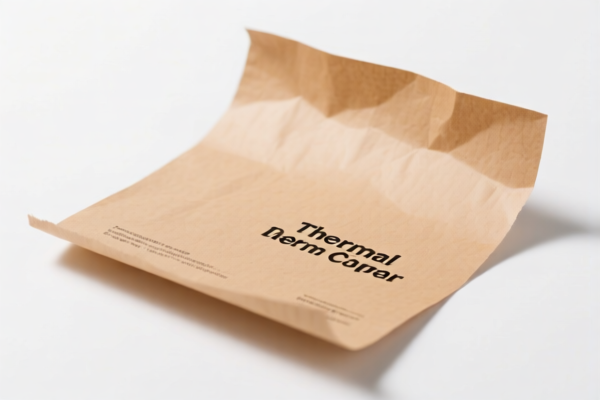
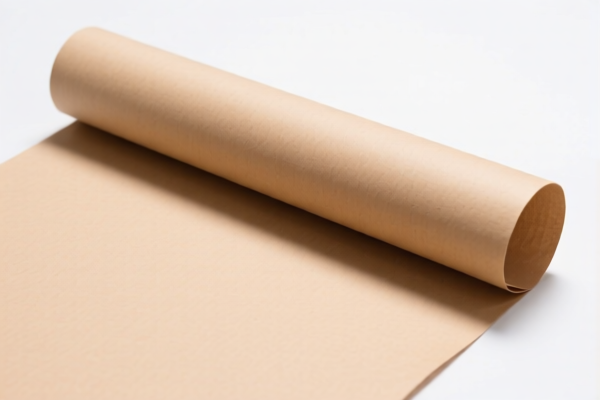
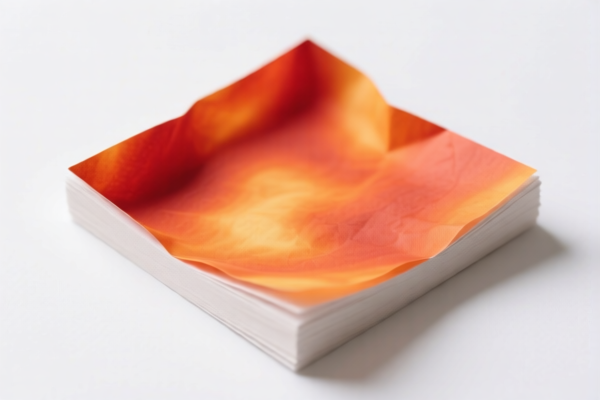
AI Analysis
🔥 High Brightness Thermal Paper Base (热敏纸基)
🌐 HS Code Reference & Clearance Guide | 2026 Latest Tariff Analysis | Professional Compliance Strategy
📌 1. Product Definition & Classification: Understanding "Thermal Paper Base"
High Brightness Thermal Paper Base is a specialized paper product designed to serve as the foundational substrate for thermal transfer printing or direct thermal recording. It is characterized by high brightness (reflectivity), smooth surface calendering, and specific chemical resistance properties to ensure image clarity and longevity when coated with thermal-sensitive chemicals.
In international trade, classification depends heavily on whether the paper is: * Uncoated Base Paper: Just the raw paper ready for coating. * Coated Thermal Paper: Pre-coated and ready for use in receipts, faxes, or labels.
⚠️ Key Distinction:
- If the product is raw paper stock intended for further processing (coating) → Often falls under 4802 (Uncoated Paper).
- If the product is finished thermal paper (pre-coated) → Often falls under 4811 (Coated/Impregnated Paper).
- If the product is printed (e.g., pre-printed thermal labels) → May fall under 4911 (Printed Matter).
📦 2. HS Code Classification Details (2026 Tariff Reference)
Based on the provided data, here are the matched HS Codes for "High Brightness Thermal Paper Base":
| HS Code | Description | Matching Logic from Data | Total Tax Rate |
|---|---|---|---|
| 4802.20.20.00 | Base paper for photosensitive, heat-sensitive, or electric-sensitive paper/cardboard. | ✅ Matched: The name "Thermal Paper" aligns perfectly with "Base paper for... heat-sensitive paper" in terms of usage and material attributes. | 35.0% |
| 4802.20.10.00 | Base paper for thermal sensitivity; matches material (thermal) and usage. | ✅ Matched: Based on material and name consistency, though specific size specs may vary, it is preliminarily determined to fit. | 35.0% |
| 4811.90.80.30 | Coated/impregnated paper; matches "thermal" attribute and inferred paper material. | ✅ Matched: Directly corresponds to "thermal" core attribute; inferred as paper with thermal coating, fitting "thermally coated paper" definition. | 35.0% |
| 4811.90.90.30 | Other coated/impregnated paper; matches paper material and direct thermal coating usage. | ✅ Matched: "Thermal Paper" name matches paper material and core usage (direct thermal coating) completely. | 35.0% |
| 4911.99.80.00 | Other printed matter; inferred as paper-based and printed category. | ⚠️ Conditional Match: Based on the assumption that thermal paper belongs to "printed matter" due to common usage (receipts/labels), fits material attribute of paper with no conflict in form or usage. | 17.5% |
🔍 Critical Note:
- 4802 codes refer to uncoated base paper.
- 4811 codes refer to coated/finished thermal paper.
- 4911 applies only if the paper is already printed with text/logos.
- Tax rates vary significantly: 35% for raw/coated paper vs. 17.5% for printed matter. Misclassification can lead to severe penalties or delayed clearance.
💰 3. 2026 Latest Tariff Rate Breakdown (Including Surcharges & Policy Add-ons)
✅ Applicable Country: United States (US)
✅ Origin: China (CN)
✅ Effective Date: November 10, 2025 (and onwards)
🎯 A. HS Codes 4802.20.20.00 & 4802.20.10.00 (Uncoated Base Paper)
| Item | Detail |
|---|---|
| Base Duty | 0% (ad valorem) |
| USITC Surcharge (Section 301) | +25% |
| IEEPA Surcharge (China-specific) | +10% |
| Total Effective Tax Rate | 35.0% |
| Calculation Basis | CIF Value × 35% |
| De Minimis Eligibility | ❌ NO (deny_de_minimis) |
| Legal Path | IEEPA:9903.01.25 → IEEPA:9903.01.24 → USITC:4802.20.xx.xx → FOOTNOTE:301 |
📌 Explanation:
- The 25% USITC surcharge is applied under Section 301 of the Trade Act.
- The 10% IEEPA surcharge is a targeted duty on Chinese-origin goods.
- Total 35% is high, impacting cost competitiveness.
- No de minimis exemption: Small shipments are still subject to full duty.
🎯 B. HS Codes 4811.90.80.30 & 4811.90.90.30 (Coated Thermal Paper)
| Item | Detail |
|---|---|
| Base Duty | 0% (ad valorem) |
| USITC Surcharge (Section 301) | +25% |
| IEEPA Surcharge (China-specific) | +10% |
| Total Effective Tax Rate | 35.0% |
| Calculation Basis | CIF Value × 35% |
| De Minimis Eligibility | ❌ NO (deny_de_minimis) |
| Legal Path | IEEPA:9903.01.25 → IEEPA:9903.01.24 → USITC:4811.90.xx.xx → FOOTNOTE:301 |
📌 Explanation:
- Identical tax treatment to uncoated base paper.
- Even if coated, it is still classified as paper under Chapter 48, not as a printed product (unless printed).
- High tariff burden requires careful cost planning.
🎯 C. HS Code 4911.99.80.00 (Printed Thermal Paper)
| Item | Detail |
|---|---|
| Base Duty | 0% (ad valorem) |
| USITC Surcharge (Section 301) | +7.5% (Note: Data shows 7.5% for this code) |
| IEEPA Surcharge (China-specific) | +10% |
| Total Effective Tax Rate | 17.5% |
| Calculation Basis | CIF Value × 17.5% |
| De Minimis Eligibility | ⚠️ Check Specific Rules |
| Legal Path | IEEPA:9903.01.25 → IEEPA:9903.01.24 → USITC:4911.99.80.00 |
📌 Explanation:
- Lower tax rate (17.5%) due to classification as "Printed Matter."
- Crucial Condition: The paper must be pre-printed with content (text, logos, barcodes).
- If shipping blank thermal paper, this classification is incorrect and risky.
- The USITC surcharge for this code is lower (7.5%) compared to 25% for paper base/coated paper.
🛠️ 4. Customs Clearance Practical Advice (Avoid Pitfalls)
✅ 1. Documentation Checklist (Essential)
| Document | Required? | Notes |
|---|---|---|
| ✅ Product Spec Sheet | ✔️ | Must specify: Brightness, basis weight (gsm), coating type (BPA-free if applicable), roll/core size. |
| ✅ Material Composition | ✔️ | Confirm: Is it uncoated base paper (4802) or pre-coated (4811)? |
| ✅ Commercial Invoice | ✔️ | Clearly state: "Thermal Paper Base" OR "Pre-Coated Thermal Paper" OR "Printed Thermal Paper." |
| ✅ Packing List | ✔️ | Detail roll dimensions, weight, and quantity. |
| ✅ Certificate of Origin (CO) | ✔️ | Required for origin determination. |
| ✅ FSC/Chain of Custody | ⚠️ | If claiming sustainable sourcing, provide FSC certificate. |
✅ 2. Declaration Strategy (Key Mnemonics)
🔥 "Know Your State: Base, Coated, or Printed? Choose Right!"
| Scenario | Correct HS Code | Risk of Misclassification |
|---|---|---|
| Blank, Uncoated Paper | 4802.20.20.00 / 4802.20.10.00 |
If declared as printed (4911) → 17.5% vs 35% → Audit risk. |
| Pre-Coated, Blank | 4811.90.80.30 / 4811.90.90.30 |
If declared as printed → Risk of duty evasion finding. |
| Pre-Printed (Receipts/Labels) | 4911.99.80.00 |
If declared as uncoated → Underpayment of tax → Penalty. |
| Mix of Blank & Printed | Separate Lines | Never mix blank and printed in one line item. |
✅ 3. Special Cases & Handling
| Situation | Recommendation |
|---|---|
| BPA-Free Thermal Paper | Specify "BPA-Free" in description to meet environmental regulations (EU/California Prop 65), though doesn't change HS Code directly. |
| Small Samples (De Minimis) | ❌ Not Eligible: For HS Codes 4802/4811, de minimis ($800) exemption does not apply due to surcharges. Declare formally. |
| OEM Custom Printing | If printing is done after import, still classify as 4802/4811. If printed before export, use 4911. |
| Roll vs. Sheet | Both can fall under these codes, but ensure dimensions are clear. |
🌍 5. Global Market Comparison (2026)
| Country/Region | Recommended HS Code | Base Duty | Surcharges | Total Est. Duty | Notes |
|---|---|---|---|---|---|
| 🇺🇸 USA | 4802.20.20.00 / 4811.90.xx.xx |
0% | 25% (301) + 10% (IEEPA) | 35% | High cost. Printed paper (4911) is 17.5%. |
| 🇺🇸 USA | 4911.99.80.00 |
0% | 7.5% (301) + 10% (IEEPA) | 17.5% | Only for pre-printed paper. |
| 🇨🇳 China | 4811.90.90.30 |
5-7% | None | ~5-7% | No US surcharges. |
| 🇪🇺 EU | 4811.90.90.30 |
6.5% | None | ~6.5% | No Section 301 equivalent. |
| 🇬🇧 UK | 4811.90.90.30 |
6.5% | None | ~6.5% | Post-Brexit, aligned with EU tariffs. |
| 🇦🇺 Australia | 4811.90.90.30 |
5% | None | ~5% | No high surcharges. |
📌 Conclusion:
- USA is the most expensive market due to 301 and IEEPA surcharges.
- Printing status is critical: Printed paper (4911) enjoys nearly half the tax burden of blank thermal paper.
- Consider Supply Chain Strategy: If possible, import blank paper to US and print domestically to avoid the 35% duty, but weigh against local printing costs.
📌 6. Common Errors & Pitfalls (Lessons Learned)
❌ Error 1: Declaring blank thermal paper as "Printed Matter" (4911)
👉 Consequence: Underpayment of tax (17.5% vs 35%) → Severe penalties, back duties, and potential fraud charges.
❌ Error 2: Ignoring the "Coated" vs. "Uncoated" distinction
👉 Consequence: Confusion between 4802 and 4811. Both have 35% tax, but incorrect description leads to customs delays and requests for clarification.
❌ Error 3: Assuming de minimis applies to all thermal paper shipments
👉 Consequence: Small shipments valued under $800 are still taxed at 35% for 4802/4811 codes. Carrier may refuse clearance or charge high administrative fees.
❌ Error 4: Not specifying "BPA-Free" when required by end-market
👉 Consequence: Rejection by retailers (e.g., major US retailers require BPA-Free) → Product returned or destroyed.
✅ Correct Approach:
"Thermal Paper Base, Uncoated, High Brightness, 57mm Width, 80gsm, BPA-Free, for Label Printing"
HS Code:4802.20.20.00
Duty: 35%
🎯 7. Conclusion: Precise Classification Saves Money!
🎯 Key Takeaways:
🔹 "Blank is 35%, Printed is 17.5%" – Structure your supply chain accordingly.
🔹 "No De Minimis for 4802/4811" – Even small shipments face full tariffs.
🔹 "Be Specific" – Clearly state coating status and print status on invoices.
📌 Pro Tip:
If you are importing large volumes, consider applying for an HS Code Advance Ruling from CBP to confirm whether your specific product fits 4802, 4811, or 4911. This provides legal certainty and avoids surprise audits.
📣 Immediate Action:
📞 Consult a Customs Broker + Provide Product Samples + Confirm Print Status
🚀 Optimize Your Tax Burden by choosing the correct HS Code based on your product state!
✨ Professional Clearance Starts with Accurate Classification!
💼 Every Percentage Point Counts in International Trade!
Customer Reviews
About HS Code Classification
The Harmonized System (HS) is an internationally standardized nomenclature developed by the World Customs Organization (WCO) to classify traded products. Over 200 countries use the HS system as the basis for customs tariffs, trade statistics, and import/export regulations.
Each HS code follows a hierarchical structure:
- Chapter (2 digits) — Broad category of goods (e.g., Chapter 84: Machinery and Mechanical Appliances)
- Heading (4 digits) — More specific grouping within the chapter
- Subheading (6 digits) — Internationally standardized breakdown, used by all WCO member countries
- National subdivisions (8-10 digits) — Country-specific extensions for further classification, such as US HTSUS 10-digit codes
Correct HS code classification is essential for smooth customs clearance, accurate duty payment, and compliance with trade regulations. Misclassification can lead to customs delays, overpayment of duties, or penalties.
When importing from CN to US, the applicable tariff rates may include:
- Most-Favored-Nation (MFN) rate — The standard duty rate applied to WTO members
- General rate — Applied to countries without trade agreements
- Trade remedy duties — Additional tariffs such as Section 301 (anti-dumping), Section 232 (national security), or countervailing duties
The information provided on this page is for reference purposes only. For official classification, please consult with your local customs authority or a licensed customs broker.