High Carbon Fatty Acid
CN → US| HS Code | Tariff Rate | Origin | Destination | Doc |
|---|---|---|---|---|
| 151790 | 0.0% | CN | US | Official Doc |
| 382499 | 0.0% | CN | US | Official Doc |
| 3824994140 | 39.6% | CN | US | Official Doc |
| 3824994190 | 39.6% | CN | US | Official Doc |
Product Images

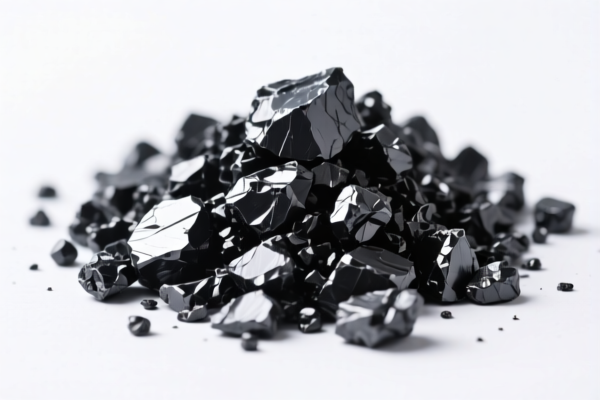
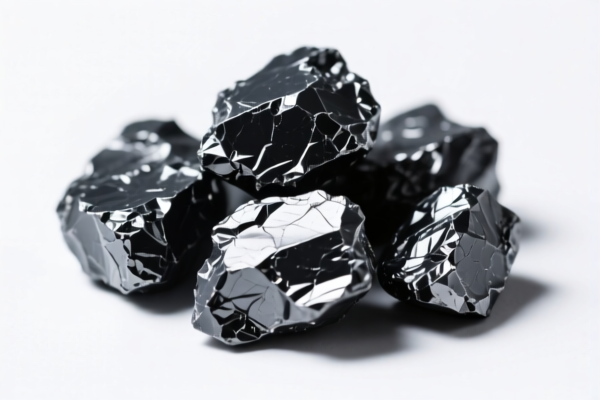
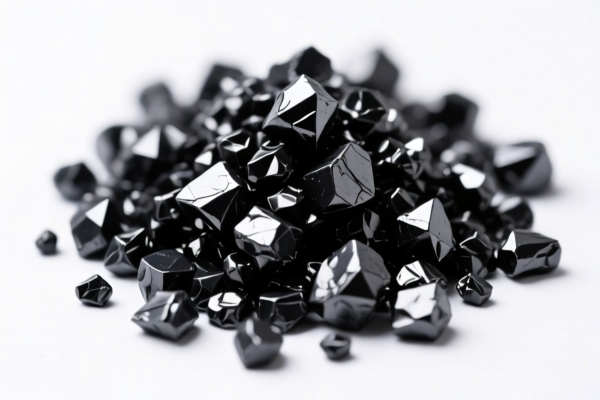
AI Analysis
🧪 High Carbon Fatty Acids (Industrial Chemicals)
🌐 HS Code Reference & Customs Clearance Guide | 2026 Latest Tariff Analysis | Professional Compliance Strategy
📌 I. Product Definition & Classification: What Exactly Are "High Carbon Fatty Acids"?
High Carbon Fatty Acids (HCFA) are chemical substances derived from animal or vegetable fats and oils, characterized by a carbon chain length of 12 or more. In international trade, these are not simple food ingredients but industrial chemical intermediates. They are crucial raw materials for:
- Lubricants & Greases: Enhancing stability and wear resistance.
- Surfactants: Used in detergents and emulsifiers.
- Chemical Intermediates: Precursors for polymers, resins, and cosmetics.
⚠️ Critical Distinction:
- If the product is a pure, chemically defined fatty acid (e.g., Stearic Acid, Palmitic Acid) intended for chemical use → It falls under Chapter 15.
- If the product is a mixture, a preparation, or a specialty binder for foundries → It falls under Chapter 38.
- Warning: Misclassification leads to massive tax discrepancies and clearance delays.
📦 II. HS Code Classification Matrix (2026 Latest Tariff Authority对照)
Based on the provided data, here are the precise HS Codes and their tax implications. Note that tax retrieval for some codes failed in the source system, requiring manual verification.
| HS Code | Product Description | Key Characteristics | Tax Status |
|---|---|---|---|
1517.90 |
Fatty acids, chemically defined, derived from animal/vegetable fats, carbon chain ≥12, not elsewhere specified. | Pure high-carbon fatty acids (C12+). Industrial chemical grade. | ⚠️ Error: Failed to retrieve tax info. |
3824.99 |
Other chemical products/preparations (including mixtures of fatty acids) not elsewhere specified. | Mixtures, industrial preparations, surfactant blends. | ⚠️ Error: Failed to retrieve tax info. |
3824.99.41.40 |
Prepared binders for foundry molds/cores; Mixtures of fatty acid esters. | Specific use: Foundry binders. Mixture of esters. | ✅ Total Tax: 29.6% (Base 4.6% + Add. 25.0%) |
3824.99.41.90 |
Prepared binders for foundry molds/cores; Other fatty substances of animal/vegetable origin. | Generic foundry binders or other fatty mixtures. | ✅ Total Tax: 29.6% (Base 4.6% + Add. 25.0%) |
🔍 Key Insight:
- HS 1517.90 and HS 3824.99 represent the parent chapters but lack specific tax data in the provided source.
- HS 3824.99.41.40 and 3824.99.41.90 are sub-classifications specifically for foundry binders or fatty substance mixtures, with clear tax rates.
- If your product is a pure fatty acid (e.g., C18 Stearic Acid), it likely belongs to 1517.90, but you must verify the exact tax rate with local customs as the source data shows an "Error".
- If your product is a mixture or preparation (e.g., a binder for molds), it falls under 3824.99, with the specific sub-codes 41.40 or 41.90 applying.
💰 III. 2026 Latest Tariff Rate Details (Including Surtaxes & Policy Additions)
✅ Applicable Country: United States (US)
✅ Origin: China (CN)
✅ Effective Date: 2025-11-10 (Including subsequent imports)
🎯 1. HS Code 1517.90 —— Pure High Carbon Fatty Acids (C12+)
| Item | Content |
|---|---|
| Base Tariff | ⚠️ Failed to Retrieve (Typically ~4-5% for general fatty acids, but must be confirmed) |
| Surtax (Section 301) | ⚠️ Failed to Retrieve (Likely 25% if classified as industrial chemicals) |
| Total Tariff | Unknown/Error |
| Tax Calculation | CIF × (Base + Surtax) |
| De Minimis Exemption | ❌ Not Applicable (High-value industrial chemicals usually excluded) |
| Legal Basis | HTSUS:1517.90 (Check USITC for current status) |
📌 Explanation:
- The source data indicates a retrieval failure for this code.
- Action Required: You must consult a licensed customs broker or check the latest USITC database. Historically, fatty acids may face 25% additional tariffs under Section 301 if deemed industrial inputs.
- Risk: Do not assume a low rate; prepare for potential 25% surtax on top of the base rate.
🎯 2. HS Code 3824.99 —— Chemical Preparations & Mixtures (Including Fatty Acid Mixtures)
| Item | Content |
|---|---|
| Base Tariff | ⚠️ Failed to Retrieve (Typically ~4-5%) |
| Surtax (Section 301) | ⚠️ Failed to Retrieve (Likely 25%) |
| Total Tariff | Unknown/Error |
| Tax Calculation | CIF × (Base + Surtax) |
| De Minimis Exemption | ❌ Not Applicable |
| Legal Basis | HTSUS:3824.99 (Check USITC for current status) |
📌 Explanation:
- Similar to1517.90, the specific tax rate for the general code3824.99is not provided in the source.
- However, its sub-codes (41.40and41.90) are clearly defined.
🎯 3. HS Code 3824.99.41.40 —— Prepared Foundry Binders (Fatty Acid Ester Mixtures)
| Item | Content |
|---|---|
| Base Tariff | 4.6% |
| USITC Surtax | +25.0% (Section 301) |
| IEEPA Surtax | +10% (If applicable for China-origin, verify current status) |
| Total Tariff | 29.6% (Base 4.6% + 25.0% Surtax) |
| Tax Calculation | CIF × 29.6% |
| De Minimis Exemption | ❌ Not Applicable |
| Legal Basis Path | HTSUS:3824.99.41.40 → FOOTNOTE:301 |
📌 Explanation:
- Clear Tax Structure: Total tariff is 29.6%.
- Applicability: Only for prepared binders for foundry molds/cores, specifically mixtures of fatty acid esters.
- Key Condition: The product must be explicitly a binder or mixture for industrial molding.
🎯 4. HS Code 3824.99.41.90 —— Other Foundry Binders (Fatty Substances)
| Item | Content |
|---|---|
| Base Tariff | 4.6% |
| USITC Surtax | +25.0% (Section 301) |
| Total Tariff | 29.6% |
| Tax Calculation | CIF × 29.6% |
| De Minimis Exemption | ❌ Not Applicable |
| Legal Basis Path | HTSUS:3824.99.41.90 → FOOTNOTE:301 |
📌 Explanation:
- Same tax rate as41.40.
- Applicability: Other fatty substances of animal/vegetable origin used in foundry applications, not otherwise specified.
🛠️ IV. Customs Clearance Practical Advice (Pitfall Avoidance Guide)
✅ 1. Documentation Checklist (Non-Negotiable)
| Document | Required | Description |
|---|---|---|
| ✅ Product Specification Sheet | ✔️ | Must specify Carbon Chain Length (e.g., C12-C18), purity, and physical state. |
| ✅ MSDS (Material Safety Data Sheet) | ✔️ | Critical for chemical products. Must list ingredients and hazards. |
| ✅ Formula/Composition Analysis | ✔️ | To distinguish between pure fatty acid (1517.90) and mixture/preparation (3824.99). |
| ✅ Commercial Invoice | ✔️ | Clearly state "High Carbon Fatty Acid" or "Prepared Foundry Binder". Avoid vague terms like "Oil". |
| ✅ Certificate of Origin (CO) | ✔️ | Essential for proving USMCA/China origin and applying surtaxes. |
| ✅ Foundry Use Declaration | ✔️ | If claiming HS 3824.99.41.40/90, provide evidence of use in foundry molds/cores. |
✅ 2. Declaration Tips (Key Mantras)
🔥 “Purity Defines Chapter, Use Defines Code, Name Matters Most!”
| Scenario | Correct Declaration | Wrong Declaration |
|---|---|---|
| Pure Stearic Acid (C18) | HS 1517.90 - "Stearic Acid, 99% Purity" |
"Fatty Acid Mixture" → May be misclassified to 3824.99 |
| Foundry Binder (Mixture) | HS 3824.99.41.40 - "Prepared Binder for Foundry Molds, Fatty Ester Mixture" |
"Vegetable Oil" → Wrong Chapter (15 vs 38) |
| Industrial Surfactant Blend | HS 3824.99 - "Chemical Preparation, Not Elsewhere Specified" |
"Fatty Acid" → May trigger incorrect tax rate |
| Generic "Fatty Substance" | HS 3824.99.41.90 - "Other Fatty Substance, Animal/Vegetable Origin" |
"Animal Fat" → May be misclassified under Chapter 15 if not processed |
✅ 3. Special Cases
| Scenario | Handling Advice |
|---|---|
| OEM Custom Blend | Provide the exact formula to customs. If the blend is proprietary, declare as "Chemical Preparation" (3824.99) but be prepared for scrutiny. |
| Mixed Shipments | Do not combine pure fatty acids (1517.90) with binders (3824.99) in one line item. Separate declarations are required to avoid tax confusion. |
| Non-Foundry Use | If the product is used for cosmetics or food, do NOT use HS 3824.99.41.40/90. Use 1517.90 or other specific codes. |
| Tariff Engineering | Consider modifying the product to fall under 1517.90 (if pure) if the tax rate is lower than 29.6%. Consult a trade lawyer. |
🌍 V. Global Market Comparison (2026 Latest)
| Country/Region | Recommended HS Code | Tariff Rate | Certification Requirements | Notes |
|---|---|---|---|---|
| 🇺🇸 USA | 1517.90 or 3824.99.41.40 |
29.6% (for 3824.99.41.x) | TSCA, SDS | High surtax for Chapter 38 products. |
| 🇨🇳 China | 1517.90 |
~5% | No special certification | Lower base rate, no US surtax. |
| 🇪🇺 EU | 1518.00 or 3824.99 |
~5-6.5% | REACH Registration | Strict chemical compliance. |
| 🇦🇺 Australia | 1517.90 |
~5% | AICIS Compliance | Similar to EU, chemical inventory required. |
| 🇯🇵 Japan | 1517.90 |
~3-5% | FSCA Approval | Food/cosmetic grades need stricter approval. |
📌 Conclusion:
- USA has the highest risk due to 25% Section 301 surtax on industrial chemicals (Chapter 38).
- China and EU have lower tariffs but stricter chemical registration (REACH, TSCA).
- Cost Optimization: If possible, classify as pure fatty acid (1517.90) to avoid the 29.6% rate, provided the product meets purity standards.
📌 VI. Common Errors & Pitfalls (Lessons Learned)
❌ Error 1: Declaring a mixture of fatty acid esters as "Vegetable Oil"
👉 Consequence: Misclassification under Chapter 15 (lower tax) → Customs audit, fines, and back taxes!
❌ Error 2: Using HS 1517.90 for a preparation/binder
👉 Consequence: Customs may reclassify to 3824.99 → 29.6% tax instead of ~5%, plus penalties.
❌ Error 3: Ignoring TSCA/REACH Compliance
👉 Consequence: Shipment held at border until chemical registration is proven.
❌ Error 4: Vague Description "Fatty Acid Mixture"
👉 Consequence: Customs cannot determine if it's a pure substance (1517.90) or a preparation (3824.99) → Delay in clearance.
✅ Correct Approach:
"High Carbon Fatty Acid Mixture, C12-C18, Prepared Binder for Foundry Molds, 95% Purity, SDS Attached, TSCA Compliant"
🎯 VII. Conclusion: Professional Declaration, Cost Efficiency!
🎯 Remember the Mantra:
🔹 "Purity = Chapter 15, Mixture = Chapter 38."
🔹 "Foundry Binder = 29.6%, Pure Acid = Check 1517.90 Rate."
🔹 "Document Everything, Avoid 25% Surtax Surprise!"
📌 Pro Tip:
If your product is a mixture, ensure it is explicitly marketed as a "Foundry Binder" to justify HS 3824.99.41.40/90. If it is a pure acid, declare it as "Stearic Acid" or "Palmitic Acid" under 1517.90, but verify the tax rate due to the "Error" in the source data.
📣 Immediate Action:
📞 Contact a Customs Broker to verify the exact tax rate for
1517.90.
📄 Prepare SDS and Formula Sheets for all chemical shipments.
🚀 Clear, Accurate Declarations = Smooth Customs Clearance.
✨ Professional Customs Clearance Starts with Precise Classification!
💼 Every Percent of Tax Matters!
Customer Reviews
About HS Code Classification
The Harmonized System (HS) is an internationally standardized nomenclature developed by the World Customs Organization (WCO) to classify traded products. Over 200 countries use the HS system as the basis for customs tariffs, trade statistics, and import/export regulations.
Each HS code follows a hierarchical structure:
- Chapter (2 digits) — Broad category of goods (e.g., Chapter 84: Machinery and Mechanical Appliances)
- Heading (4 digits) — More specific grouping within the chapter
- Subheading (6 digits) — Internationally standardized breakdown, used by all WCO member countries
- National subdivisions (8-10 digits) — Country-specific extensions for further classification, such as US HTSUS 10-digit codes
Correct HS code classification is essential for smooth customs clearance, accurate duty payment, and compliance with trade regulations. Misclassification can lead to customs delays, overpayment of duties, or penalties.
When importing from CN to US, the applicable tariff rates may include:
- Most-Favored-Nation (MFN) rate — The standard duty rate applied to WTO members
- General rate — Applied to countries without trade agreements
- Trade remedy duties — Additional tariffs such as Section 301 (anti-dumping), Section 232 (national security), or countervailing duties
The information provided on this page is for reference purposes only. For official classification, please consult with your local customs authority or a licensed customs broker.