High Color Rendering Color Dye Film
CN → US| HS Code | Tariff Rate | Origin | Destination | Doc |
|---|---|---|---|---|
| 3921110000 | 40.3% | CN | US | Official Doc |
| 3921905050 | 39.8% | CN | US | Official Doc |
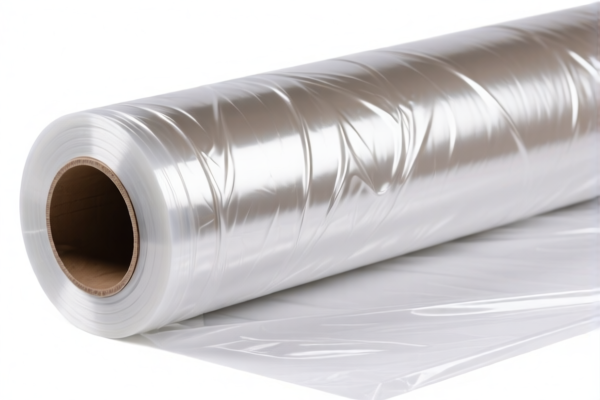
Product Images


AI Analysis
🌈 High Color Rendering Color Dye Film (Polymer of Styrene)
🌐 HS Code Reference & Customs Clearance Guide | 2026 Latest Tariff Analysis | Professional通关 Strategy
📌 1. Product Definition & Classification: What is "Color Dye Film"?
High Color Rendering Color Dye Film typically refers to thin plastic films (usually Polymeric Styrene, i.e., PS) that have been dyed or pigmented to achieve specific optical properties (high color rendering, light transmission, or specific hues). In international trade, these are classified under Chapter 39 (Plastics and Articles Thereof).
The critical distinction for classification lies in the material structure and application:
- Cellular Polymers of Styrene (Expanded Styrofoam/Polystyrene): If the film has a foamed/porous structure, it falls under 3921.11.00.00.
- Non-Cellular Polymers of Styrene (Solid Sheets/Film): If the film is solid, non-porous, and does not fit other specific sub-headings (like self-adhesive, reinforced, or hard rubber), it falls under "Other" in Chapter 39, typically 3921.90.50.50.
⚠️ Key Classification Point:
- Most common industrial/color dye films are solid sheets/films, not cellular (foamed). Therefore, they are generally classified under "Other" (3921.90).
- Cellular refers to expanded polystyrene (EPS) foam, which is bulky and lightweight. Color dye film for optical/display use is usually solid.
- Incorrect Classification Risk: Misclassifying a solid film as "Cellular" (3921.11) is a common error that leads to lower tax but is factually incorrect for solid films.
📦 2. HS Code Classification Details (2026 Latest Tariff Authority Comparison)
| HS Code | Product Description | Applicable Scenario | Cellular? | Typical Use |
|---|---|---|---|---|
3921.11.00.00 |
Other plates, sheets, film, foil and strip, of plastics: Cellular: Of polymers of styrene | Expanded Polystyrene (EPS) foam sheets/rolls | ✅ Yes (Foamed) | Packaging insulation, craft foam, buoyancy |
3921.90.50.50 |
Other plates, sheets, film, foil and strip, of plastics: Other: Other: Other Other | Solid plastic films/sheets, not elsewhere specified | ❌ No (Solid) | Color dye films, optical filters, packaging films, decorative sheets |
🔍 Critical Reminder:
- If your "Color Dye Film" is a solid, non-foamed plastic film (which is 95% of color/transparent dye films for optics/display), it MUST be classified under 3921.90.50.50.
- Only if the product is explicitly expanded polystyrene foam (lightweight, bubbly texture) should it be classified under 3921.11.00.00.
💰 3. 2026 Latest Tariff Rate Details (Including Surtaxes)
✅ Applicable Country: United States (US)
✅ Origin: China (CN)
✅ Effective Time: 2026 Tariff Schedule (Includes Section 301 Surtaxes)
🎯 1. 3921.11.00.00 —— Cellular Polymers of Styrene (Foam)
| Item | Content |
|---|---|
| Base Duty Rate | 0.0% |
| Surtax (Section 301) | 0.0% |
| Total Tariff Rate | 0.0% |
| Tax Calculation | CIF Value × 0% = $0 |
| De Minimis Exemption | ❌ Not Applicable (Section 321 de minimis rules do not apply to duties; however, 0% duty means no duty is owed regardless. But value thresholds for reporting may still apply.) |
| Legal Basis | HTSUS 3921.11.00.00; No Section 301 surtax listed for this specific subheading in current USITC data. |
📌 Explanation:
- 0% Total Tax: This is a highly favorable classification if the product is truly cellular foam.
- Risk: Customs may audit to prove it is not solid film. If proven solid, you face back taxes + penalties.
🎯 2. 3921.90.50.50 —— Other Solid Plastic Films/Sheets (Most Likely for Color Dye Film)
| Item | Content |
|---|---|
| Base Duty Rate | 4.8% |
| Surtax (Section 301) | 25.0% |
| Total Tariff Rate | 29.8% |
| Tax Calculation | CIF Value × 29.8% |
| De Minimis Exemption | ❌ Not Eligible (Value > $800 or product type restrictions; even if < $800, Section 301 taxes may still apply depending on current CBP enforcement for small packages. Assume Taxable for safety.) |
| Legal Basis | HTSUS:3921.90.50.50 → Section 301 Footnote: US Note 20 to Subchapter III of Chapter 99 |
📌 Explanation:
- 29.8% Total Tax: This is the standard high tariff for most Chinese-made plastic films/sheets under Section 301.
- Breakdown:
- 4.8%: Standard Most Favored Nation (MFN) duty for "Other plastics."
- 25.0%: Section 301 surtax on "Plastics and articles thereof" from China.
- Impact: This significantly increases landed cost. Accurate classification is vital to avoid overpaying if exempt, or underpaying if liable.
🛠️ 4. Customs Clearance Practical Advice (Battle-Tested Pitfall Guide)
✅ 1. Required Documentation Checklist (Non-Negotiable)
| Document | Mandatory | Purpose |
|---|---|---|
| ✅ Product Specification Sheet | ✔️ | Must clearly state: Material (Polystyrene), Structure (Cellular vs. Solid), Thickness, Density. |
| ✅ Physical Sample/Photo | ✔️ | Clear photo showing cross-section. Foam = Bubbles; Solid = Smooth/Cut Edge. |
| ✅ Bill of Lading / Invoice | ✔️ | Must match HS Code description exactly. |
| ✅ Material Safety Data Sheet (MSDS) | ✔️ | Confirms plastic type (PS). |
| ✅ Proof of Origin | ✔️ | To verify China origin (triggers 301 tax). |
✅ 2. Declaration Tips (Key Mantra)
🔥 "Solid Film ≠ Foam; Check Density & Structure!"
| Scenario | Correct Declaration | Error Risk |
|---|---|---|
| Solid Color Dye Film (Smooth, dense, rigid/flexible) | 3921.90.50.50 (29.8% Tax) |
❌ Under-Declaration: If claimed as 3921.11 (0%), Customs will seize & fine. |
| Expanded PS Foam Sheet (Light, bubbly, low density) | 3921.11.00.00 (0% Tax) |
✅ Safe if True: Ensure density < 150 kg/m³ (typical for EPS). |
| Polycarbonate/Acrylic Film | Different HS Code (e.g., 3920.xx) | ❌ Wrong Material: PS vs. PC/PMMA have different codes. |
✅ 3. Special Cases & Optimization
| Situation | Recommendation |
|---|---|
| High-Value Color Film | Calculate if 3921.90.50.50 (29.8%) vs. 3921.11 (0%). If solid, 29.8% is unavoidable. Consider supply chain diversification (e.g., Vietnam, Thailand) for Section 301 Exclusions (if available). |
| Sample Shipments (< $800) | Still subject to Section 301 taxes if classified under 3921.90.50.50. Do not assume de minimis exemption from duty. |
| Labeling | Must clearly state: "Plastic Film, Polystyrene, Solid". Do not use vague terms like "Color Film" without material specification. |
🌍 5. Global Market Comparison (2026)
| Country/Region | Recommended HS Code | Tariff (China Origin) | Notes |
|---|---|---|---|
| 🇺🇸 USA | 3921.90.50.50 |
29.8% (4.8% Base + 25% 301) | High Tax. Most likely classification for solid dye film. |
| 🇺🇸 USA | 3921.11.00.00 |
0.0% | Only if truly cellular foam. |
| 🇪🇺 EU | 3921.90 | 3.9% (Standard) | No Section 301 equivalent. Lower cost than US. |
| 🇨🇳 China | 3921.90 | 6.5% (Import Duty) | Domestic production may have different VAT. |
📌 Conclusion:
- The USA imposes a 29.8% tariff on solid color dye films from China.
- Do not misclassify solid film as foam (3921.11) to avoid 0% duty. The risk of penalties is high.
- If using Polystyrene Foam for packaging, use3921.11.00.00for 0% duty.
📌 6. Common Errors & Pitfalls (Lessons Learned)
❌ Error 1: Calling "Color Dye Film" a generic term without specifying "Cellular" vs. "Solid."
👉 Consequence: Customs demands clarification, delays clearance, or assigns the highest duty.
❌ Error 2: Claiming 0% duty for solid film by misclassifying as 3921.11.00.00.
👉 Consequence: 29.8% back tax + Penalties (up to 30% of value) + Possible Seizure.
❌ Error 3: Ignoring Section 301 surtax for US imports.
👉 Consequence: Underpayment of 25%. Customs will demand payment + interest.
✅ Correct Approach:
"Solid Polystyrene Dye Film, 3921.90.50.50, CIF Value $X, Duty 29.8%."
🎯 7. Conclusion: Precision in Classification Saves Cost
🎯 Key Takeaway:
🔹 Solid Film = 29.8% Tax (USA)
🔹 Foam/Cellular = 0% Tax (USA)
🔹 Verify Material Structure FIRST!
📌 Pro Tip:
If you are importing solid color dye film into the US, budget for 29.8% duty. Consider:
1. Supply Chain Diversification: Source from non-China countries to avoid Section 301.
2. Pre-Ruling: Request a Binding Ruling from CBP if unsure about "Cellular vs. Solid" status.
3. Accurate Description: Always include "Solid" or "Non-Cellular" in commercial invoices.
📣 Action Required:
📞 Confirm with your supplier: "Is this film Cellular (Foam) or Solid?"
📦 If Solid → Prepare for 29.8% US Duty.
🚀 Avoid Misclassification Risks!
✨ Professional Customs Clearance Starts with Accurate HS Codes!
💼 Every Percent of Tax Matters — Don't Leave Money on the Table or Risk Penalties!
Customer Reviews
About HS Code Classification
The Harmonized System (HS) is an internationally standardized nomenclature developed by the World Customs Organization (WCO) to classify traded products. Over 200 countries use the HS system as the basis for customs tariffs, trade statistics, and import/export regulations.
Each HS code follows a hierarchical structure:
- Chapter (2 digits) — Broad category of goods (e.g., Chapter 84: Machinery and Mechanical Appliances)
- Heading (4 digits) — More specific grouping within the chapter
- Subheading (6 digits) — Internationally standardized breakdown, used by all WCO member countries
- National subdivisions (8-10 digits) — Country-specific extensions for further classification, such as US HTSUS 10-digit codes
Correct HS code classification is essential for smooth customs clearance, accurate duty payment, and compliance with trade regulations. Misclassification can lead to customs delays, overpayment of duties, or penalties.
When importing from CN to US, the applicable tariff rates may include:
- Most-Favored-Nation (MFN) rate — The standard duty rate applied to WTO members
- General rate — Applied to countries without trade agreements
- Trade remedy duties — Additional tariffs such as Section 301 (anti-dumping), Section 232 (national security), or countervailing duties
The information provided on this page is for reference purposes only. For official classification, please consult with your local customs authority or a licensed customs broker.