High Density Polyethylene Agricultural Mulch Film
CN → US| HS Code | Tariff Rate | Origin | Destination | Doc |
|---|---|---|---|---|
| 3921190010 | 41.5% | CN | US | Official Doc |
| 3921905050 | 39.8% | CN | US | Official Doc |
| 3901105020 | 41.5% | CN | US | Official Doc |
| 3920991000 | 41.0% | CN | US | Official Doc |
| 3901105010 | 41.5% | CN | US | Official Doc |
Product Images
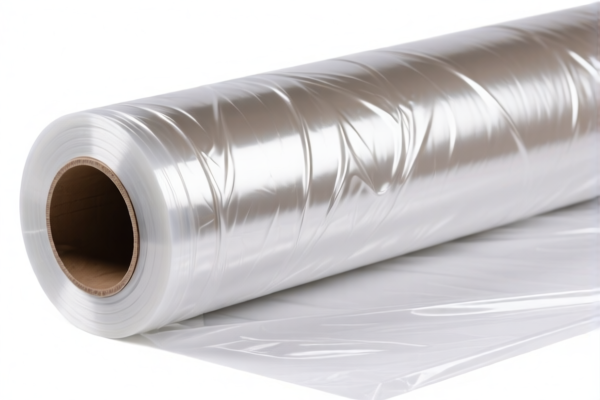

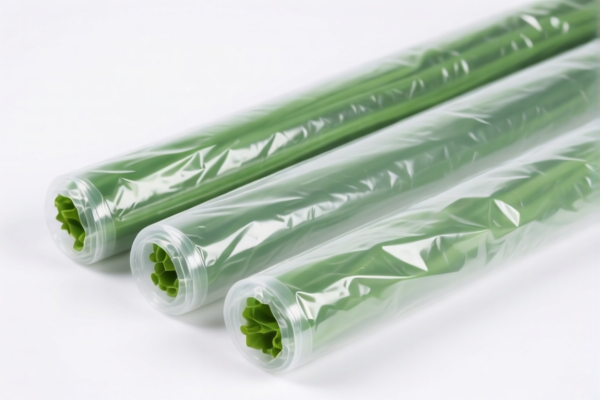

AI Analysis
🚜 HDPE Agricultural Mulch Film & Resin (Polyethylene Products)
🌐 HS Code Reference & Customs Clearance Guide | 2026 Latest Tariff Analysis | Strategic Clearance Strategy
📌 I. Product Definition & Classification: Do You Really Know "HDPE Mulch Film"?
High-Density Polyethylene (HDPE) agricultural mulch film is a critical input in modern farming, used to suppress weeds, retain moisture, and regulate soil temperature. In international trade, the classification depends heavily on the physical form (finished film vs. raw material/resin) and the specific polyethylene density characteristics.
1. Finished Mulch Film (Ready-to-use)
These are thin sheets/rolls intended directly for agricultural use. They fall under Chapter 39 (Plastics and Articles Thereof), specifically headings 3920 or 3921.
* Key Distinction: If it is a finished sheet/film with specific agricultural properties, it is generally classified under 3921 (Other plates, sheets, film, foil and strip, of plastics) or 3920 (Other plates, sheets, film, foil and strip, of plastics, non-cellular).
2. Raw Material / Resin (Pellets/Granules)
These are the "beads" or pellets used to manufacture the film via extrusion. They fall under Chapter 39, heading 3901 (Polymers of ethylene).
* Key Distinction: If it is in the form of raw material (pellets/granules) for further processing, it is classified under 3901.
⚠️ Critical Classification Point:
- If the product is a finished film/roll ready for field use →归类 to 3921.19.00.10 or 3921.90.50.50.
- If the product is raw resin/pellets (LDPE/HDPE granules) →归类 to 3901.10.50.20 or 3901.10.50.10.
- If the product is described as "film material" but is technically a semi-finished plastic sheet/film not yet cut/rolled for direct use →归类 to 3920.99.10.00.
📦 II. HS Code Classification Details (2026 Latest Tariff Authority Comparison)
| HS Code | Product Description | Application Scenario | Physical Form |
|---|---|---|---|
3921.19.00.10 |
HDPE Agricultural Mulch Film, classified as film/sheet | Finished agricultural mulch rolls | ✅ Finished Film/Sheet |
3921.90.50.50 |
Other plastic films/sheets, HDPE Mulch Film | General purpose plastic film category | ✅ Finished Film/Sheet |
3901.10.50.20 |
Polyethylene Agricultural Film Resin (Raw Material) | Raw pellets/granules for film extrusion | ✅ Raw Material/Premix |
3920.99.10.00 |
Polyethylene Agricultural Film Material (Plastic Sheet) | Semi-finished plastic sheets/films | ✅ Semi-finished Film |
3901.10.50.10 |
Polyethylene Agricultural Film Resin (Primary Form) | Primary form/semi-finished pellets | ✅ Raw Material/Primary |
🔍 Key Reminder:
- Finished Film (3921.19,3921.90,3920.99) vs. Raw Resin (3901.10): This is the most common error. Customs officers will inspect the product form. Pellets = 3901; Rolls/Sheets = 3920/3921. - "Film Material" Ambiguity: If described vaguely as "film material," clarify if it is raw resin (3901) or a semi-finished plastic sheet (3920). Misclassification leads to significant duty discrepancies.
💰 III. 2026 Latest Tariff Rate Details (Including Surcharges & Policy Add-ons)
✅ Applicable Country: United States (US)
✅ Origin: China (CN)
✅ Effective Date: 2025/2026 (Subject to ongoing Trade Act Section 301 and IEEPA tariffs)
🎯 1. 3921.19.00.10 —— HDPE Agricultural Mulch Film (Finished)
| Item | Detail |
|---|---|
| Base Duty Rate | 6.5% (ad valorem) |
| Section 301 Surcharge | +25.0% (USITC Footnote) |
| IEEPA / 122 Clause Surcharge | +10.0% (Targeted Chinese goods) |
| Total Tax Rate | 41.5% |
| Tax Calculation | CIF Value × 41.5% |
| De Minimis Exemption | ❌ Not Eligible (High value agricultural inputs usually exceed thresholds or are explicitly excluded) |
| Legal Basis Path | Base:3921 → Section301:25% → IEEPA:10% |
📌 Explanation:
- This is the most direct classification for finished HDPE mulch film. - The 41.5% rate is high due to the cumulative effect of base tariffs and political surcharges. - Note: Even though it is an agricultural product, it does not automatically qualify for lower "agricultural exemptions" if it is a plastic film subject to Section 301.
🎯 2. 3921.90.50.50 —— Other Plastic Films (HDPE Mulch)
| Item | Detail |
|---|---|
| Base Duty Rate | 4.8% (ad valorem) |
| Section 301 Surcharge | +25.0% |
| IEEPA / 122 Clause Surcharge | +10.0% |
| Total Tax Rate | 39.8% |
| Tax Calculation | CIF Value × 39.8% |
| De Minimis Exemption | ❌ Not Eligible |
| Legal Basis Path | Base:3921.90 → Section301:25% → IEEPA:10% |
📌 Explanation:
- Slightly lower base rate (4.8% vs 6.5%) results in a 39.8% total rate. - Used when the film does not fit the specific "19.00" subheading but is still a finished plastic film.
🎯 3. 3901.10.50.20 & 3901.10.50.10 —— Polyethylene Resin (Raw Material)
| Item | Detail |
|---|---|
| Base Duty Rate | 6.5% (ad valorem) |
| Section 301 Surcharge | +25.0% |
| IEEPA / 122 Clause Surcharge | +10.0% |
| Total Tax Rate | 41.5% |
| Tax Calculation | CIF Value × 41.5% |
| De Minimis Exemption | ❌ Not Eligible |
| Legal Basis Path | Base:3901 → Section301:25% → IEEPA:10% |
📌 Explanation:
- Important: Raw resin (pellets) is NOT lower in tariff than finished film. The 25% + 10% surcharges apply equally to plastic raw materials. -3901.10.50.20vs3901.10.50.10: Minor differences in specific polymer density descriptions, but identical tax rates.
🎯 4. 3920.99.10.00 —— Polyethylene Film Material (Semi-finished)
| Item | Detail |
|---|---|
| Base Duty Rate | 6.0% (ad valorem) |
| Section 301 Surcharge | +25.0% |
| IEEPA / 122 Clause Surcharge | +10.0% |
| Total Tax Rate | 41.0% |
| Tax Calculation | CIF Value × 41.0% |
| De Minimis Exemption | ❌ Not Eligible |
| Legal Basis Path | Base:3920 → Section301:25% → IEEPA:10% |
📌 Explanation:
- If the product is a "plastic sheet/film" not yet classified as finished mulch, it may fall here. - Total rate is 41.0%, the lowest among the film categories but still high.
🛠️ IV. Customs Clearance Practical Advice (Battle-Tested Pitfall Guide)
✅ 1. Required Documentation Checklist (Non-negotiable)
| Document | Mandatory? | Description |
|---|---|---|
| ✅ Product Specification Sheet | ✔️ | Must clearly state: HDPE/LDPE content, thickness (microns/mils), width, length, and final use (Agricultural Mulch). |
| ✅ Material Safety Data Sheet (MSDS) | ✔️ | Required for all plastic polymers and films. |
| ✅ Commercial Invoice | ✔️ | Must accurately describe product as "HDPE Mulch Film" or "Polyethylene Resin Pellets" – DO NOT use vague terms like "Plastic Sheet." |
| ✅ Packing List | ✔️ | Detail net/gross weight, dimensions, and number of rolls/pallets. |
| ✅ Certificate of Origin (CO) | ✔️ | To determine eligibility for any potential exemptions (though unlikely for Section 301 goods from China). |
| ✅ Third-Party Test Report | ✔️ | Optional but recommended: ASTM/ISO standards for film thickness and density. |
✅ 2. Declaration Tips (Key Mantras)
🔥 “Form Determines Code, Use Determines Description!”
| Scenario | Correct Declaration | Wrong Practice |
|---|---|---|
| Finished Film Rolls | 3921.19.00.10 - HDPE Agricultural Mulch Film |
Describing as "Plastic Bag" → 3923.29 (Different tax, audit risk) |
| Raw Resin Pellets | 3901.10.50.20 - PE Resin for Film Production |
Describing as "Finished Film" → Penalty for misclassification |
| Semi-finished Sheets | 3920.99.10.00 - PE Plastic Sheet/Film |
Describing as "Raw Material" if it's already extruded sheet |
📌 Critical Warning:
- Do not declare mulch film as "Plastic Bags" (3923) or "Containers" (3923) to avoid higher duties. Customs may reject this as it doesn't match the physical form (sheet vs. container). - Ensure the HS code matches the physical form. Pellets ≠ Rolls.
✅ 3. Special Circumstances Handling
| Scenario | Handling Advice |
|---|---|
| Biodegradable Mulch Film | If the product is not pure PE but biodegradable, it may fall under different HS codes (e.g., 3920.62 for PVC or 3921 with different subheadings). Verify composition first! Note: The provided data assumes standard PE. |
| Multi-layer Co-extruded Film | If it contains multiple layers (e.g., EVOH barrier layer), it is still generally classified under the primary polymer (PE) in Chapter 39, but specify "Co-extruded" in description. |
| Used/Recycled Film | If the product is used mulch film, it may be classified as waste/recycled plastic (3915), which has different duty structures. Ensure it is new film for the codes above. |
| Samples vs. Commercial | Samples under $800 may qualify for de minimis, but commercial shipments of HDPE film are subject to full duties. |
🌍 V. Global Market Customs Comparison (2026 Latest)
| Country/Region | Recommended HS Code | Tariff Rate (China Origin) | Certification Requirements | Notes |
|---|---|---|---|---|
| 🇺🇸 USA | 3921.19.00.10 |
41.5% | None specific, but FDA compliance for food-contact if applicable | High due to Section 301 + IEEPA |
| 🇨🇳 China | 3921.19.00.10 |
~6.5% | GB Standards | No Section 301 surcharges |
| 🇪🇺 EU | 3920.99.00 / 3921.10 |
~6.5% | REACH Registration Required | No 25% surcharge |
| 🇨🇦 Canada | 3921.13.00 |
~5% | CFIA Approval (if food contact) | Lower base rates |
| 🇲🇽 Mexico | 3921.19.00 |
~5% | NOM Standards | USMCA may apply if origin is US/Mexico |
📌 Conclusion:
- USA is the most expensive market due to the叠加 (stacking) of Base, Section 301, and IEEPA tariffs. - EU/Canada/Mexico offer significantly lower duty burdens, making them attractive alternatives if supply chain diversification is possible. - China-origin goods face the highest barriers in the US market for plastic products.
📌 VI. Common Errors & Pitfall Guide (Lessons Learned)
❌ Error 1: Declaring HDPE Mulch Film as "Plastic Bags" (3923.29)
👉 Consequence: Customs may reject the declaration for mismatched product form. If accepted, potential penalty for incorrect HTS classification. Also, duties might differ, triggering an audit.
❌ Error 2: Confusing "Resin Pellets" with "Finished Film"
👉 Consequence: Misclassification leads to delayed customs clearance. If pelleted resin is declared as film, it may be held for physical inspection.
❌ Error 3: Ignoring the "122 Clause" / IEEPA Surcharge
👉 Consequence: Underestimating landed cost. The 41.5% rate includes the 10% IEEPA surcharge. Budgeting for only 6.5% + 25% = 31.5% will result in unexpected cash flow gaps.
❌ Error 4: Using Generic Descriptions like "Plastic Sheet"
👉 Consequence: Lack of specificity may lead to manual review by CBP. Always specify "HDPE Agricultural Mulch Film" or "Polyethylene Resin."
✅ Correct Practice:
"HDPE Agricultural Mulch Film, 2 mil thickness, 480 inches width, roll format, for field use. Material: 100% High-Density Polyethylene. HS Code: 3921.19.00.10."
🎯 VII. Conclusion: Precise Classification Saves Money & Time!
🎯 Remember the Mantra:
🔹 "Pellets are 3901, Finished Film is 3921."
🔹 "Don't forget the 35% Add-on (25% + 10%)!"
🔹 "Clear Description = Fast Clearance."
📌 Pro Tip:
- If you are importing large volumes, consider applying for a Customs Ruling Letter in advance to confirm the HS Code.
- Explore if any exclusions apply to specific Section 301 items (check the USITC exclusion list periodically).
- Consider supply chain diversification to Vietnam, India, or Mexico to bypass China-origin surcharges.
📣 Immediate Action:
📞 Consult your customs broker with product specs + HS Code Proposal
🚀 Optimize your landed cost, ensure compliance, and keep your agricultural supply chain flowing!
✨ Professional Customs Clearance Starts with Accurate Classification!
💼 Every Percent in Duty is Pure Profit Lost if Misclassified!
Customer Reviews
About HS Code Classification
The Harmonized System (HS) is an internationally standardized nomenclature developed by the World Customs Organization (WCO) to classify traded products. Over 200 countries use the HS system as the basis for customs tariffs, trade statistics, and import/export regulations.
Each HS code follows a hierarchical structure:
- Chapter (2 digits) — Broad category of goods (e.g., Chapter 84: Machinery and Mechanical Appliances)
- Heading (4 digits) — More specific grouping within the chapter
- Subheading (6 digits) — Internationally standardized breakdown, used by all WCO member countries
- National subdivisions (8-10 digits) — Country-specific extensions for further classification, such as US HTSUS 10-digit codes
Correct HS code classification is essential for smooth customs clearance, accurate duty payment, and compliance with trade regulations. Misclassification can lead to customs delays, overpayment of duties, or penalties.
When importing from CN to US, the applicable tariff rates may include:
- Most-Favored-Nation (MFN) rate — The standard duty rate applied to WTO members
- General rate — Applied to countries without trade agreements
- Trade remedy duties — Additional tariffs such as Section 301 (anti-dumping), Section 232 (national security), or countervailing duties
The information provided on this page is for reference purposes only. For official classification, please consult with your local customs authority or a licensed customs broker.