High Density Polyethylene HDPE Resin
CN → US| HS Code | Tariff Rate | Origin | Destination | Doc |
|---|---|---|---|---|
| 3901201000 | 41.5% | CN | US | Official Doc |
| 3901205000 | 41.5% | CN | US | Official Doc |
| 3915900090 | 35.0% | CN | US | Official Doc |
| 3915100000 | 35.0% | CN | US | Official Doc |
| 3901105020 | 41.5% | CN | US | Official Doc |
Product Images
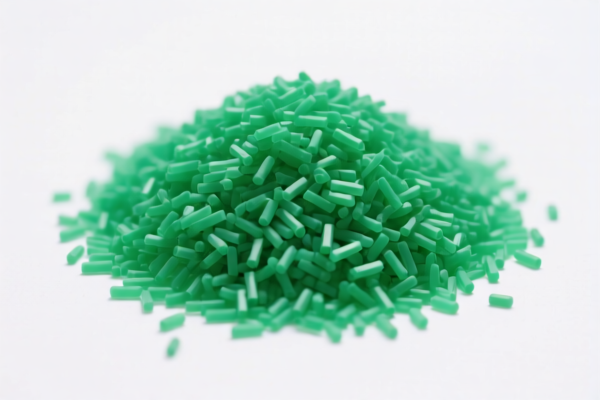
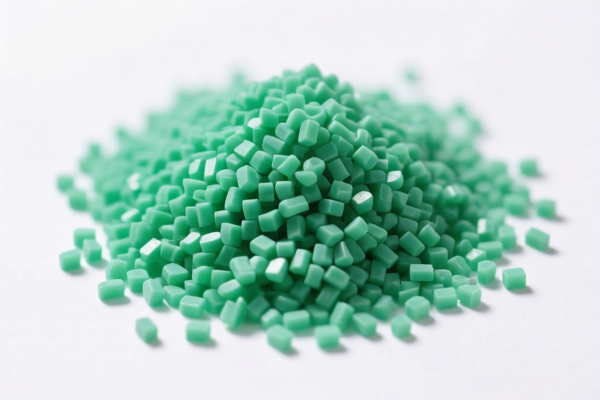

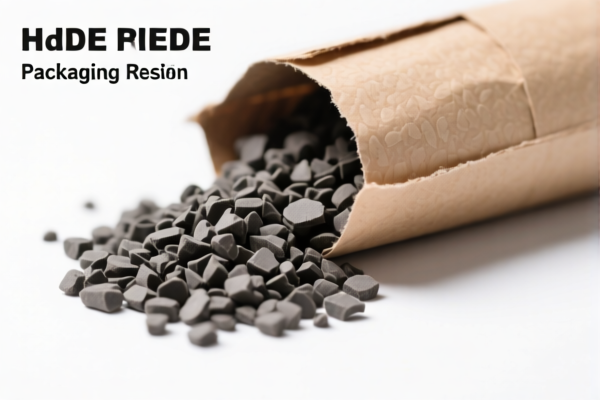
AI Analysis
🧪 High Density Polyethylene (HDPE) Resin & Powder
🌐 HS Code Reference & Clearance Guide | 2026 Latest Tariff Analysis | Professional Customs Strategy
📌 1. Product Definition & Classification: What Exactly is "HDPE"?
High Density Polyethylene (HDPE) is a thermoplastic polymer made from the monomer ethylene. In international trade, HDPE is primarily classified based on its physical state (resin/granules vs. waste/scrap/powder) and specific gravity.
Two Main Categories in Trade: * HDPE Resin (Primary Forms): Granules, pellets, or beads ready for molding/extrusion. These are classified under Chapter 3901 (Polyethylene in primary forms). * HDPE Waste/Powder/Scrap: Leftover materials, rejected pieces, or powders from processing. These are classified under Chapter 3915 (Waste, scrap, and powder of plastics).
⚠️ Critical Distinction:
- If it is raw material for manufacturing (pellets/granules) → Look at 3901.xxxx.
- If it is waste, scrap, or fine powder not suitable for direct use without reprocessing → Look at 3915.xxxx.
📦 2. HS Code Classification Details (2026 Latest Tariff Authority)
Based on the provided dataset, here are the specific classifications for HDPE products:
| HS Code | Product Description | Scenario | Density/State |
|---|---|---|---|
3901.20.10.00 |
High Density Polyethylene Resin, primary form | Raw material for plastic products (bottles, pipes, films) | Primary Form (Granules) |
3901.20.50.00 |
High Density Polyethylene Resin, density ≥ 0.94 | Specific grade HDPE, often used for heavy-duty applications | Primary Form (Density ≥ 0.94) |
3915.90.00.90 |
HDPE Powder, other plastic waste/powder | Processing waste, powder form not classified elsewhere | Waste/Powder |
3915.10.00.00 |
HDPE Waste, Scrap, and Powder | Rejected pellets, off-spec material, industrial scrap | Waste/Scrap |
3901.10.50.20 |
Low Density Polyethylene (LDPE) Resin | Note: Listed in data, but this is LDPE, not HDPE | Primary Form (LDPE) |
🔍 Key Insight for HDPE:
- Resin (3901) is generally treated as a standard industrial raw material.
- Waste/Powder (3915) is often viewed as recycling material or scrap.
- Density Matters: For3901.20, densities of 0.94 or higher are specifically highlighted in the tariff structure (3901.20.50.00).
💰 3. 2026 Latest Tariff Rate Breakdown (Including Surcharges)
✅ Applicable Country: United States (US)
✅ Origin: China (CN)
✅ Effective Time: Current trade war policies active
All HDPE entries in the provided data are subject to significant additional tariffs due to U.S.-China trade policies (Section 301 and Section 122).
🎯 1. 3901.20.10.00 & 3901.20.50.00 —— HDPE Resin (Primary Forms)
| Item | Detail |
|---|---|
| Base Tariff | 6.5% (MFN Rate) |
| Section 301 Surcharge | +25.0% (Trade War Tariff) |
| Section 122 Tariff | +10.0% (Specific U.S. provision) |
| Total Tax Rate | 41.5% |
| Tax Calculation | CIF Value × 41.5% |
| De Minimis Eligibility | ❌ Not Eligible (Deny de minimis) |
| Legal Basis | Base Rate + 301 Footnote + 122 Provision |
📌 Explanation:
- The 25% Section 301 tariff is the primary driver, applied to all Chinese-origin plastics.
- The 10% Section 122 tariff adds further burden.
- Even the base 6.5% applies.
- Total: 41.5%. This is a high-cost category for importers.
🎯 2. 3915.90.00.90 & 3915.10.00.00 —— HDPE Waste, Scrap, and Powder
| Item | Detail |
|---|---|
| Base Tariff | 0.0% (Often zero-rated for waste/scrap) |
| Section 301 Surcharge | +25.0% |
| Section 122 Tariff | +10.0% |
| Total Tax Rate | 35.0% |
| Tax Calculation | CIF Value × 35.0% |
| De Minimis Eligibility | ❌ Not Eligible |
| Legal Basis | 301 Footnote + 122 Provision |
📌 Note:
- Although the base tariff is 0%, the 25% + 10% surcharges still apply.
- Total rate is 35%, slightly lower than resin (41.5%) due to the 0% base rate.
- Warning: Importing "waste" or "powder" may trigger stricter environmental and customs inspections.
🛠️ 4. Customs Clearance Practical Advice (Avoid Pitfalls)
✅ 1. Document Preparation Checklist
| Document | Required? | Explanation |
|---|---|---|
| ✅ Commercial Invoice | ✔️ | Must clearly state: "High Density Polyethylene Resin/Powder", HS Code, Country of Origin. |
| ✅ Certificate of Origin (CO) | ✔️ | Essential to confirm Chinese origin. |
| ✅ Product Specification Sheet | ✔️ | Must include: Density, Melt Flow Index (MFI), Form (Granule/Powder), Application. |
| ✅ Material Safety Data Sheet (MSDS) | ✔️ | Required for hazardous materials handling, even if HDPE is generally non-hazardous. |
| ✅ Packaging List | ✔️ | Detail net/gross weight, number of bags/pallets. |
| ✅ Proof of Non-Waste (if claiming Resin) | ✔️ | If shipping 3901 (Resin), prove it is new primary form, not waste. |
✅ 2. Declaration Tips (Key Keywords)
🔥 "Be Precise: 'Resin' vs. 'Waste' Changes Everything!"
| Scenario | Correct Declaration | Wrong Practice |
|---|---|---|
| New HDPE Pellets for Manufacturing | "HDPE Resin, Primary Form, HS 3901.20.10.00" | Calling it "Plastic Waste" → Risk of 3915 classification + penalties |
| Rejected/Broken HDPE Pieces | "HDPE Scrap/Waste, HS 3915.10.00.00" | Calling it "Resin" → Customs may reject as misdeclaration |
| HDPE Powder | "HDPE Powder, Waste/Scrap, HS 3915.90.00.90" | Ambiguous description → Delays for inspection |
| LDPE Resin | "LDPE Resin, HS 3901.10.50.20" | Confusing LDPE with HDPE → Wrong HS Code |
⚠️ Critical Warning:
- Do not mix "Resin" and "Waste" in one shipment unless clearly separated on the invoice.
- HDPE Powder is often scrutinized for origin and whether it is truly "waste" or "new powder" (which might still be 3901). If it's new powder, it should ideally be under 3901, but the dataset lists it under 3915. Verify with your broker.
✅ 3. Cost Optimization Strategies
| Strategy | Description |
|---|---|
| Supply Chain Diversification | Source HDPE from Vietnam, Thailand, or Malaysia to avoid China-specific surcharges (25% + 10%). |
| Pre-Ruling Application | Apply for a Customs Ruling from U.S. CBP if the product form (e.g., powder vs. granule) is ambiguous. |
| Bonded Warehouses | Use bonded warehouses to defer tariff payments until the goods enter U.S. commerce. |
| De Minimis Exemption Check | ❌ Not available for these HS codes from China. Do not rely on $800 de minimis for LCL shipments. |
🌍 5. Global Market Comparison (2026)
| Country/Region | Recommended HS Code | Tariff Rate (China Origin) | Key Requirement | Notes |
|---|---|---|---|---|
| 🇺🇸 USA | 3901.20.10.00 / 3915.10.00.00 |
41.5% (Resin) / 35% (Waste) | Section 301 + 122 | Highest cost. Avoid if possible. |
| 🇨🇳 China | 3901.20.10.00 |
6.5% (Import Duty) | Standard | Domestic production dominates. |
| 🇪🇺 EU | 3901.10.90 / 3901.20.90 |
6.5% | REACH Registration | No additional war tariffs. Much cheaper than US. |
| 🇮🇳 India | 3901.10 / 3901.20 |
7.5% - 10% | BIS Certification | Moderate tariffs. |
| 🇻🇳 Vietnam | 3901.20 |
0% - 5% (if local value added) | Proof of Origin | Hub for re-export to US to avoid tariffs. |
📌 Conclusion:
- USA is the most expensive market for HDPE from China due to 41.5% total tariff.
- EU and India offer significantly lower tariffs (~6-10%).
- Consider re-sourcing or re-packaging in third countries (like Vietnam) to mitigate U.S. tariffs, but ensure compliance with Rules of Origin to avoid circumvention penalties.
📌 6. Common Mistakes & Pitfalls (Lessons Learned)
❌ Mistake 1: Declaring HDPE Waste as "Resin" to claim lower base rates
👉 Consequence: Customs inspection reveals physical evidence of waste → Penalties + Back Taxes + Possible Ban.
❌ Mistake 2: Ignoring Section 122 Tariff
👉 Consequence: Underpayment by 10% → Audit + Interest + Fines.
❌ Mistake 3: Mixing LDPE and HDPE in one container without clear separation
👉 Consequence: Misclassification of LDPE (3901.10.50.20) → Delays + Re-evaluation.
❌ Mistake 4: Assuming "Powder" is automatically cheaper
👉 Consequence: If powder is new (not waste), it should be 3901. Misdeclaration leads to customs hold.
✅ Correct Practice:
"High Density Polyethylene Resin, Grade XYZ, Density 0.95, Melt Flow 2.0, Packaged in 25kg PP Bags, HS 3901.20.10.00, Made in China"
🎯 7. Conclusion: Professional Declaration, Save Costs, Smooth Clearance!
🎯 Remember the Golden Rules:
🔹 "Resin is 41.5%, Waste is 35% – Both are HIGH!"
🔹 "Base rate doesn't matter as much as Surcharges!"
🔹 "Think Global: USA is expensive, EU is cheaper, Vietnam is smart."
📌 Pro Tip:
If your HDPE is not of Chinese origin, you can often avoid the 25% + 10% surcharges.
For example, HDPE from Saudi Arabia, South Korea, or Thailand may face lower or zero additional tariffs in the U.S.
👉 Action: Verify the Country of Origin on your Bill of Lading. If it's China, budget for ~40% tax. If not, check for FTZ (Free Trade Zone) benefits.
📣 Immediate Action Required:
📞 Consult a Licensed Customs Broker
📄 Prepare MSDS & Technical Specs
🚀 Evaluate Supply Chain Costs Including 41.5% Tariff
✨ Professional Customs Clearance Starts with Accurate Classification!
💼 Your Margins Depend on Precision!
Customer Reviews
About HS Code Classification
The Harmonized System (HS) is an internationally standardized nomenclature developed by the World Customs Organization (WCO) to classify traded products. Over 200 countries use the HS system as the basis for customs tariffs, trade statistics, and import/export regulations.
Each HS code follows a hierarchical structure:
- Chapter (2 digits) — Broad category of goods (e.g., Chapter 84: Machinery and Mechanical Appliances)
- Heading (4 digits) — More specific grouping within the chapter
- Subheading (6 digits) — Internationally standardized breakdown, used by all WCO member countries
- National subdivisions (8-10 digits) — Country-specific extensions for further classification, such as US HTSUS 10-digit codes
Correct HS code classification is essential for smooth customs clearance, accurate duty payment, and compliance with trade regulations. Misclassification can lead to customs delays, overpayment of duties, or penalties.
When importing from CN to US, the applicable tariff rates may include:
- Most-Favored-Nation (MFN) rate — The standard duty rate applied to WTO members
- General rate — Applied to countries without trade agreements
- Trade remedy duties — Additional tariffs such as Section 301 (anti-dumping), Section 232 (national security), or countervailing duties
The information provided on this page is for reference purposes only. For official classification, please consult with your local customs authority or a licensed customs broker.