High Density Polyethylene Pipe
CN → US| HS Code | Tariff Rate | Origin | Destination | Doc |
|---|---|---|---|---|
| 3917210000 | 38.1% | CN | US | Official Doc |
| 3917290090 | 38.1% | CN | US | Official Doc |
| 3901201000 | 41.5% | CN | US | Official Doc |
| 3901205000 | 41.5% | CN | US | Official Doc |
| 3923900016 | 38.0% | CN | US | Official Doc |
Product Images
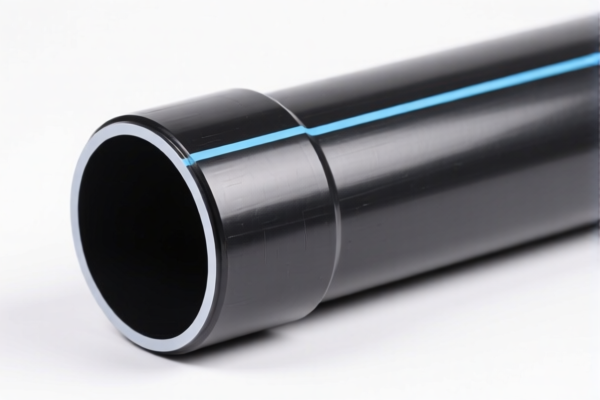
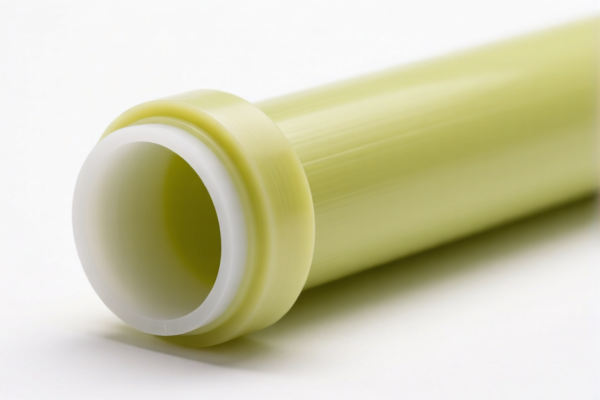
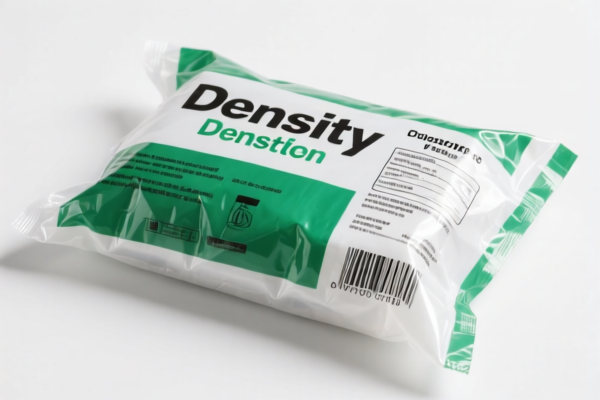
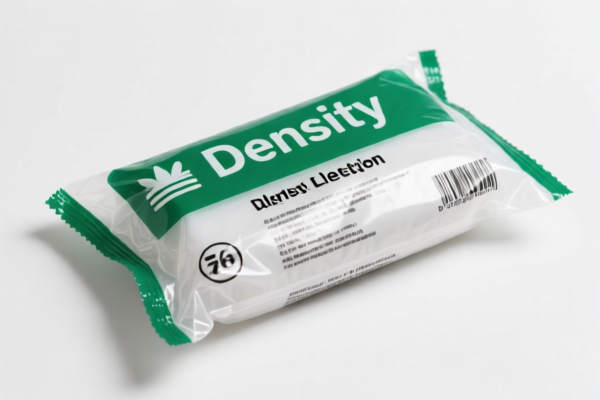
AI Analysis
🏗️ High Density Polyethylene (HDPE) Pipe
🌐 HS Code Reference & Customs Clearance Guide | 2026 Latest Tariff Analysis | Professional Clearance Strategy
📌 1. Product Definition & Classification: What Exactly is "HDPE Pipe"?
High-Density Polyethylene (HDPE) pipes are rigid, durable plastic conduits widely used in water supply, gas distribution, sewage systems, and industrial applications. In international trade, HS Code classification depends strictly on whether the product is in its "resin/raw material" form or finished into a "pipe/piping fitting" form.
⚠️ Critical Distinction:
- Resin/Granules/Chips → Classified under Chapter 3901 (Primary Forms/Polymers).
- Finished Pipes/Tubes → Classified under Chapter 3917 (Plastic Pipes and Fittings).
- Containers (Barrels/Drums) → Classified under Chapter 3923 (Plastic Articles for the Conveyance or Packing of Goods).
Misclassification between "Resin" and "Pipe" can lead to significant tariff discrepancies and customs delays.
📦 2. HS Code Classification Details (2026 Latest Tariff Alignment)
Based on the provided data, here are the precise HS Codes for HDPE-related products:
| HS Code | Product Description | Form/State | Material | Key Classification Feature |
|---|---|---|---|---|
3917.21.00.00 |
HDPE Pipe | Pipe/Tube | HDPE | Specifically classified as a pipe made of ethylene polymers. |
3917.29.00.90 |
HDPE Pipe (Other) | Pipe/Tube | HDPE | Plastic pipes not specified elsewhere (generic HDPE pipe). |
3901.20.10.00 |
HDPE Resin | Primary Form | PE Resin | Unprocessed ethylene polymer (resin/granules). |
3901.20.50.00 |
HDPE Resin (High Density) | Primary Form | PE | Resin with specific gravity ≥ 0.94. |
3923.90.00.16 |
HDPE Drum/Barrel | Container | HDPE | Plastic container/barrel for conveying goods. |
🔍 Key Reminder:
- Pipes (3917): Must be rigid, hollow, and intended for conveying fluids/gases.
- Resin (3901): Must be in raw form (pellets, powder, lumps) before extrusion into pipes.
- Containers (3923): Must be closed vessels (drums, cans, jerry cans), not pipes.
💰 3. 2026 Latest Tariff Rate Breakdown (Including Surtaxes & Policy Levies)
✅ Applicable Country: China (CN) → United States (US)
✅ Effective Date: Tariffs apply to imports from China.
✅ Note: Rates vary slightly based on specific subcategory but follow a consistent pattern of Base + 301 Tariff + Section 122 Tariff.
🎯 1. 3917.21.00.00 & 3917.29.00.90 —— HDPE Pipes
| Item | Detail |
|---|---|
| Base Duty | 3.1% |
| Section 301 Surtax | 25.0% |
| Section 122 Tariff | 10.0% |
| Total Effective Rate | 38.1% |
| Tax Calculation | CIF Value × 38.1% |
| De Minimis Exemption | ❌ Not Eligible |
📌 Explanation:
- Base Duty (3.1%): Standard MFN rate for plastic pipes.
- Section 301 (25%): Imposed under US Trade Act Section 301 on Chinese goods.
- Section 122 (10%): Additional tariff on certain Chinese imports (often applied to specific plastic/manufacturing goods).
- Total: 38.1%. This is a high-cost entry, requiring precise declaration.
🎯 2. 3901.20.10.00 & 3901.20.50.00 —— HDPE Resin (Raw Material)
| Item | Detail |
|---|---|
| Base Duty | 6.5% |
| Section 301 Surtax | 25.0% |
| Section 122 Tariff | 10.0% |
| Total Effective Rate | 41.5% |
| Tax Calculation | CIF Value × 41.5% |
| De Minimis Exemption | ❌ Not Eligible |
📌 Explanation:
- Base Duty (6.5%): Higher base rate for primary polymer forms compared to finished pipes.
- Surtaxes: Same 25% + 10% structure applies to Chinese-origin resin.
- Total: 41.5%. Note that raw material often incurs a higher total tariff than finished pipes due to the higher base rate.
🎯 3. 3923.90.00.16 —— HDPE Drums/Barrels
| Item | Detail |
|---|---|
| Base Duty | 3.0% |
| Section 301 Surtax | 25.0% |
| Section 122 Tariff | 10.0% |
| Total Effective Rate | 38.0% |
| Tax Calculation | CIF Value × 38.0% |
| De Minimis Exemption | ❌ Not Eligible |
📌 Explanation:
- Base Duty (3.0%): Slightly lower base rate for plastic containers.
- Total: 38.0%. Ensure the product is indeed a container (e.g., 55-gallon drum) and not a pipe segment.
🛠️ 4. Customs Clearance Practical Advice (Pitfall Avoidance Guide)
✅ 1. Required Documentation Checklist
| Document | Required? | Notes |
|---|---|---|
| Product Specification Sheet | ✔️ | Must specify: Material (HDPE), Density, Pipe Diameter/Thickness, Pressure Rating. |
| Commercial Invoice | ✔️ | Clearly state "HDPE Pipe" or "HDPE Resin" — do not use vague terms like "Plastic Items." |
| Packing List | ✔️ | Distinguish between raw resin bags and finished pipe coils/lengths. |
| Certificate of Origin | ✔️ | To confirm Chinese origin (triggering surtaxes). |
| Material Safety Data Sheet (MSDS) | ✔️ | Especially critical for Resin (powder/pellet) to classify as hazardous or non-hazardous. |
| Test Reports | ✔️ | For pipes: ASTM D3350 (PE material specification), pressure test results. |
✅ 2. Declaration Tips (Key Mnemonics)
🔥 “Form Defines Code: Resin = 3901, Pipe = 3917, Barrel = 3923”
| Scenario | Correct HS Code | Common Mistake | Consequence |
|---|---|---|---|
| Pellets/Granules shipped for manufacturing | 3901.20.50.00 |
Declared as "Pipe" | ❌ Wrong code; 41.5% vs 38.1%; Customs delay |
| Finished Pipes (coils/straight lengths) | 3917.21.00.00 or 3917.29.00.90 |
Declared as "Resin" | ❌ Wrong code; Underpayment risk; Penalties |
| HDPE Drums/Barrels | 3923.90.00.16 |
Declared as "Pipe" | ❌ Wrong code; 38.0% vs 38.1%; Minor discrepancy |
| Pipe Fittings (elbows, tees) | Check 3917.29 or 3917.30 |
Lumped into Pipe | ✅ Usually acceptable under 3917.29 if similar material |
✅ 3. Special Cases & Handling
| Scenario | Handling Advice |
|---|---|
| Mixed Shipment (Pipes + Fittings + Resin) | Split Declaration: Each item must have its own HS Code. Do not lump them under one code. |
| Colorants/Additives in Resin | If additives are < 10% by weight, still classified as 3901. If > 10%, may change classification. |
| Recycled HDPE | Ensure "Virgin" vs "Recycled" is declared. Some surtax exemptions may apply to recycled content (verify current USITC rulings). |
| Small Diameter Tubing | If diameter < 9mm, it may still be 3917.29 but check for specific "Tubing" vs "Pipe" definitions in HTSUS. |
🌍 5. Global Market Comparison (2026)
| Country/Region | Recommended HS Code | Tariff Rate (China Origin) | Certification Requirements | Notes |
|---|---|---|---|---|
| 🇺🇸 USA | 3917.21.00.00 (Pipe) |
38.1% | No specific certification, but ASTM standards often requested | High surtax due to 301 + 122 |
| 🇨🇳 China | 3917.21.00.00 |
5.0% (Import) | GB/T Standards | No surtax |
| 🇪🇺 EU | 3917.21.00.00 |
6.5% (Default) | CE Mark (if applicable for pressure), REACH | No Section 301 equivalent, but anti-dumping may apply in some cases |
| 🇬🇧 UK | 3917.21.00.00 |
6.5% | UKCA Mark | Post-Brexit rules apply |
| 🇦🇺 Australia | 3917.21.00.00 |
5.0% | Australian Standards (AS/NZS) | FTA benefits if from eligible countries |
📌 Conclusion:
- USA has the highest tariff burden (38.1%–41.5%) due to multiple surtaxes.
- EU/UK have moderate duties (6.5%) but strict chemical compliance (REACH).
- Cost Optimization: Consider sourcing HDPE from non-China countries (e.g., South Korea, Germany) if possible to avoid 25%+ surtaxes, or use Free Trade Agreements (FTAs) if applicable.
📌 6. Common Errors & Pitfalls (Lessons Learned)
❌ Error 1: Declaring HDPE Resin as "Plastic Pellets" without HS Code.
👉 Result: Customs cannot classify → Delay → Potential penalty.
❌ Error 2: Declaring HDPE Pipes as "Plastic Tubing" with wrong HS Code.
👉 Result: Misclassification → Audit → Back taxes + Interest.
❌ Error 3: Ignoring Section 122 Tariff.
👉 Result: Underpayment by 10% → Customs assessment later.
❌ Error 4: Mixing Pipes and Fittings in one line item.
👉 Result: Confusion → Customs may break down and assign worst-case rate.
✅ Correct Practice:
"HDPE Pipe, 4-inch Diameter, 200 PSI, ASTM D3035, Coil Length, Chinese Origin"
🎯 7. Conclusion: Precise Classification Saves Money!
🎯 Remember:
🔹 "Resin = 3901 (41.5%), Pipe = 3917 (38.1%), Barrel = 3923 (38.0%)"
🔹 "Form matters more than name. Declare accurately to avoid 38%+ costs."
🔹 "Split mixed shipments. Never lump resin and pipe together."
📌 Pro Tip:
If you are importing HDPE Pipes for construction, ensure you have ASTM test reports ready. Customs may verify material density to confirm it’s indeed HDPE (not LDPE/LLDPE) which affects the subheading.
📣 Immediate Action:
📞 Consult a licensed customs broker.
📄 Prepare MSDS and Product Specs.
🚀 Verify Section 122 applicability for your specific shipment.
✨ Professional clearance starts with accurate classification!
💼 Every percentage point of tariff counts!
Customer Reviews
About HS Code Classification
The Harmonized System (HS) is an internationally standardized nomenclature developed by the World Customs Organization (WCO) to classify traded products. Over 200 countries use the HS system as the basis for customs tariffs, trade statistics, and import/export regulations.
Each HS code follows a hierarchical structure:
- Chapter (2 digits) — Broad category of goods (e.g., Chapter 84: Machinery and Mechanical Appliances)
- Heading (4 digits) — More specific grouping within the chapter
- Subheading (6 digits) — Internationally standardized breakdown, used by all WCO member countries
- National subdivisions (8-10 digits) — Country-specific extensions for further classification, such as US HTSUS 10-digit codes
Correct HS code classification is essential for smooth customs clearance, accurate duty payment, and compliance with trade regulations. Misclassification can lead to customs delays, overpayment of duties, or penalties.
When importing from CN to US, the applicable tariff rates may include:
- Most-Favored-Nation (MFN) rate — The standard duty rate applied to WTO members
- General rate — Applied to countries without trade agreements
- Trade remedy duties — Additional tariffs such as Section 301 (anti-dumping), Section 232 (national security), or countervailing duties
The information provided on this page is for reference purposes only. For official classification, please consult with your local customs authority or a licensed customs broker.