High Density Refractory Concrete
CN → US| HS Code | Tariff Rate | Origin | Destination | Doc |
|---|---|---|---|---|
| 6810110010 | 38.2% | CN | US | Official Doc |
| 6902901010 | 35.0% | CN | US | Official Doc |
| 6810110070 | 38.2% | CN | US | Official Doc |
| 3816001000 | 35.0% | CN | US | Official Doc |
| 3816002050 | 38.0% | CN | US | Official Doc |
| 6902905010 | 35.0% | CN | US | Official Doc |
Product Images
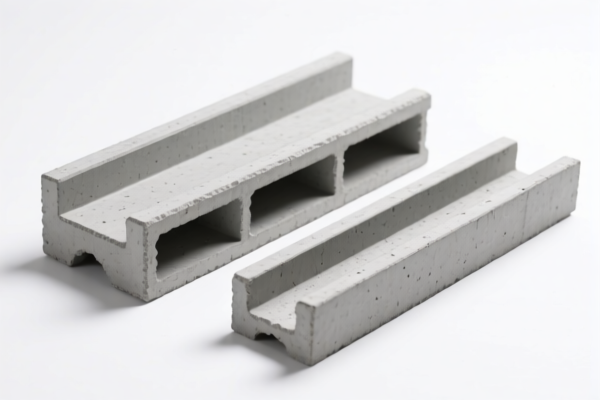
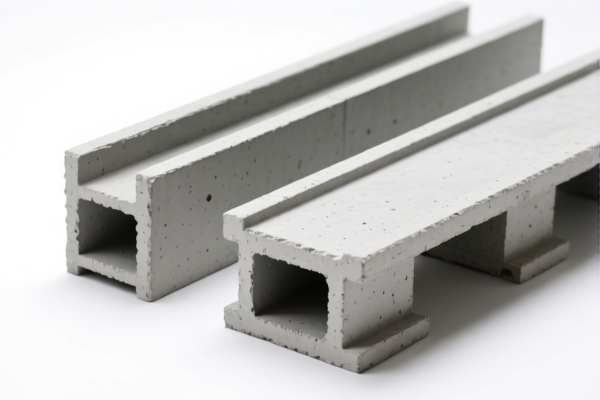
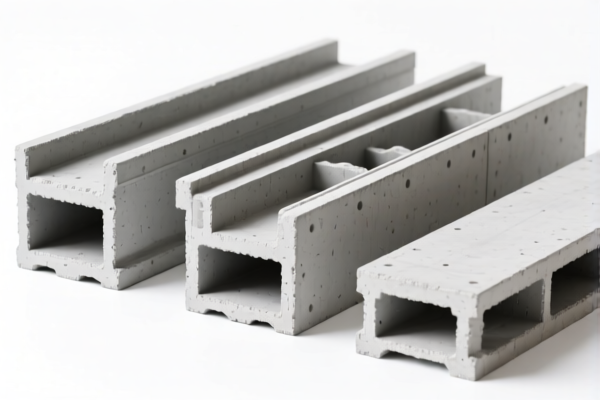
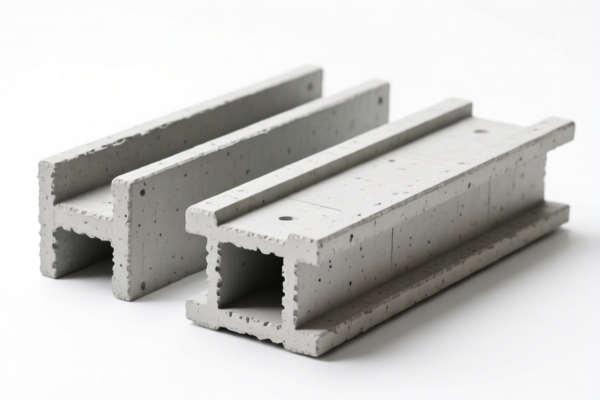
AI Analysis
🧱 High Density Refractory Concrete (HIDRC)
🌐 HS Code Reference & Clearance Guide | 2026 Latest Tariff Analysis | Professional Customs Strategy
📌 I. Product Definition & Classification: What Exactly is "High Density Refractory Concrete"?
High Density Refractory Concrete is a specialized industrial material used in high-temperature environments. It combines high-density aggregates (such as magnetite, hematite, or barytes) with refractory binders to create a material that is both heat-resistant and radiation-shielding or load-bearing.
In international trade, classification depends on two critical factors: 1. Primary Material Composition: Is it primarily concrete/cementitious (Chapter 68) or a prepared refractory product (Chapter 68/69)? 2. Form & Use: Is it in the form of bricks/blocks (structural) or monolithic/poured (non-structural)?
⚠️ Key Distinction Point:
- If the product is pre-formed into bricks, blocks, or pavers → It falls under Chapter 68 (Articles of Stone, Plaster, Cement, Asbestos, Mica) or Chapter 69 (Ceramic Products).
- If the product is a loose mix, powder, or paste for on-site pouring → It may fall under Chapter 38 (Miscellaneous Chemical Products) if it’s a specific refractory preparation.
- "Concrete" in HS nomenclature often refers to cementitious mixes, while "Refractory" implies heat resistance. The interplay between Chapter 68 and 38 is the most common source of classification errors.
📦 II. HS Code Classification Details (2026 Latest Tariff Authority)
| HS Code | Product Description | Application Scenario | Form Factor | Tax Rate (Total) |
|---|---|---|---|---|
6810.11.00.10 |
Concrete/Artificial Stone Products – Building Blocks/Bricks | Structural lining, furnace bases, heavy-duty flooring | Pre-formed Blocks/Bricks | 38.2% |
6902.90.10.10 |
Refractory Brick/Block – Based on Morphology & Use | High-temp kiln linings, chemical industry reactors | Pre-formed Bricks | 35.0% |
6810.11.00.70 |
Other Concrete Building Blocks – Miscellaneous | Non-standard size blocks, special shapes, general construction | Pre-formed Blocks | 38.2% |
3816.00.10.00 |
Refractory Preparations – Concrete & Similar Materials | Monolithic mixes, gunning mixes, ready-to-use refractory mortars | Powder/Paste/Mix | 35.0% |
3816.00.20.50 |
Refractory Preparations – Matching Concrete Features | Specialized high-density mixes, radiation-shielding concrete | Powder/Paste/Mix | 38.0% |
6902.90.50.10 |
Other Refractory Ceramic Products – Inorganic Materials | High-density ceramic-based refractory blocks | Pre-formed Blocks | 35.0% |
🔍 Key Note:
- Blocks/Bricks (6810.xx,6902.xx) are generally taxed at 35.0%–38.2% due to the 25% Section 301 tariff + 10% IEEPA tariff.
- Preparations/Mixes (3816.xx) are taxed at 35.0%–38.0% for similar reasons.
- Base Tariffs are low (0%–3.2%), but additional duties drive the cost up significantly.
💰 III. 2026 Latest Tariff Rate Breakdown (Including Surcharges & Policies)
✅ Applicable Country: USA (US)
✅ Origin: China (CN)
✅ Effective Date: November 10, 2025 (and subsequent imports)
🎯 1. 6810.11.00.10 / 6810.11.00.70 – Concrete/Artificial Stone Blocks
| Item | Detail |
|---|---|
| Base Tariff | 3.2% (ad valorem) |
| USITC Surcharge | +25% (from USITC Footnote 9903.88.01) |
| IEEPA Surcharge | +10% (Targeting China/HK products, effective Nov 10, 2025) |
| Total Tariff | 38.2% |
| Tax Calculation | CIF Value × 38.2% |
| De Minimis Eligibility | ❌ Not Eligible (deny_de_minimis) |
| Legal Basis Path | IEEPA:9903.01.25 → IEEPA:9903.01.24 → USITC:6810.11.xx.xx → FOOTNOTE:9903.88.01 |
📌 Explanation:
- The 25% USITC surcharge is part of the Section 301 list for cementitious/concrete articles.
- The 10% IEEPA tariff is a broad-based surcharge on Chinese goods.
- Total 38.2% is a high tariff, impacting profit margins significantly.
🎯 2. 6902.90.10.10 / 6902.90.50.10 – Refractory Ceramic Bricks/Blocks
| Item | Detail |
|---|---|
| Base Tariff | 0.0% (ad valorem) |
| USITC Surcharge | +25% |
| IEEPA Surcharge | +10% |
| Total Tariff | 35.0% |
| Tax Calculation | CIF Value × 35.0% |
| De Minimis Eligibility | ❌ Not Eligible |
| Legal Basis Path | IEEPA:9903.01.25 → IEEPA:9903.01.24 → USITC:6902.90.xx.xx → FOOTNOTE:9903.88.01 |
📌 Note:
- Ceramic refractory bricks have a 0% base tariff, making the total 35.0% slightly lower than concrete blocks.
- Applies to pre-formed refractory bricks made of ceramic materials (e.g., alumina, silica).
🎯 3. 3816.00.10.00 / 3816.00.20.50 – Refractory Preparations (Mixes/Pastes)
| Item | Detail |
|---|---|
| Base Tariff | 0.0% (for 10.00) / 3.0% (for 20.50) |
| USITC Surcharge | +25% |
| IEEPA Surcharge | +10% |
| Total Tariff | 35.0% (10.00) / 38.0% (20.50) |
| Tax Calculation | CIF Value × Rate |
| De Minimis Eligibility | ❌ Not Eligible |
| Legal Basis Path | IEEPA:9903.01.25 → IEEPA:9903.01.24 → USITC:3816.00.xx.xx → FOOTNOTE:9903.88.01 |
📌 Note:
-3816.00.10.00: Refractory preparations not elsewhere specified. Total 35.0%.
-3816.00.20.50: Refractory preparations with specific concrete-like properties. Total 38.0%.
- These are for loose mixes, not pre-formed blocks.
🛠️ IV. Clearance Operational Advice (Practical Pitfall Avoidance)
✅ 1. Documentation Checklist (Mandatory)
| Document | Required | Description |
|---|---|---|
| ✅ Product Spec Sheet | ✔️ | Includes composition, density, max operating temperature, binder type |
| ✅ Composition Analysis | ✔️ | Proof of refractory content (e.g., % alumina, silica) vs. concrete/cement |
| ✅ Product Photos | ✔️ | Show form factor (blocks vs. bags/packs), labeling, brand |
| ✅ Third-Party Test Report | ✔️ | ASTM/ISO standards for refractoriness, compressive strength |
| ✅ Commercial Invoice | ✔️ | Clear description: "High Density Refractory Concrete Blocks/Mix" |
| ✅ Certificate of Origin | ✔️ | For potential FTZ/FTA benefits (though unlikely for CN origin) |
| ✅ Packing List | ✔️ | Distinguish between packaged mixes and palletized blocks |
✅ 2. Declaration Tips (Key Mantra)
🔥 "Form Determines Code, Mix vs. Block, Clarity is Key!"
| Scenario | Correct Declaration | Error to Avoid |
|---|---|---|
| Pre-formed Bricks/Blocks | 6810.11.00.10 (Concrete) or 6902.90.10.10 (Ceramic) |
Misdeclare as "Refractory Mix" → Potential audit |
| Loose Mix/Powder in Bags | 3816.00.10.00 or 3816.00.20.50 |
Misdeclare as "Bricks" → Physical mismatch at customs |
| Mixed Shipment (Blocks + Mix) | Separate Lines on Invoice | Consolidate → Risk of classification error for entire shipment |
| Custom-Shaped Refractories | 6810.11.00.70 (Other Concrete) |
Use vague terms like "Stone" → Delayed clearance |
✅ 3. Special Cases Handling
| Situation | Recommendation |
|---|---|
| OEM Custom Refractories | Provide customer PO + design specs to justify specific HS code |
| Hybrid Materials (Ceramic + Concrete) | Declare based on chief character (e.g., if >50% ceramic, use Chapter 69) |
| Radiation-Shielding Concrete | Highlight "High Density" in description to support 6810 or 3816 |
| Refractory Mortar for Tiling | Ensure it’s declared as "Refractory Preparation," not "Tile Adhesive" |
🌍 V. Global Market Clearance Comparison (2026 Latest)
| Country/Region | Recommended HS Code | Tariff | Certification | Notes |
|---|---|---|---|---|
| 🇺🇸 USA | 6810.11.00.10 / 6902.90.10.10 |
35.0%–38.2% | None specific | High tariffs due to Section 301 |
| 🇨🇳 China | 6810.11.00.10 / 6902.90.10.10 |
5%–8% | CCC (if applicable) | No surcharges |
| 🇪🇺 EU | 6810.11.00.10 / 6902.90.10.10 |
0%–6.5% | CE (if construction product) | No additional tariffs |
| 🇦🇺 Australia | 6810.11.00.10 |
5% | RCM | No surcharges |
| 🇯🇵 Japan | 6810.11.00.10 |
0%–5.5% | PSE (if electrical component) | No surcharges |
📌 Conclusion:
- USA has the highest landed cost for refractory concrete due to 25% + 10% surcharges.
- EU, Japan, Australia offer much lower tariffs, but may require additional certifications (CE, PSE).
- China-origin goods face significant barriers in the US market; consider supplier diversification or price absorption.
📌 VI. Common Errors & Pitfalls (Lessons Learned)
❌ Error 1: Declaring pre-formed blocks as "Refractory Mix" (3816)
👉 Consequence: Physical inspection mismatch → Detention + Demurrage Fees
❌ Error 2: Declaring loose mix as "Bricks" (6902)
👉 Consequence: Value misdeclaration → Penalties + Back Taxes
❌ Error 3: Omitting "Refractory" in the description
👉 Consequence: Customs may classify as general "Concrete" (301 exempt?) → False Hope (It’s still 38.2%)
❌ Error 4: Ignoring IEEPA 10% Surcharge
👉 Consequence: Underpayment of duties → Audit + Interest
✅ Correct Approach:
"High Density Refractory Concrete Blocks, Heat-Resistant to 1600°C, Magnesium-Alumina Composition, Model HDRC-100, ASTM C1157 Certified"
🎯 VII. Conclusion: Precision Classification Saves Money!
🎯 Remember the Mantra:
🔹 "Blocks go to 68/69, Mixes go to 38."
🔹 "US Tariff is 35%–38%, Plan Your Budget."
🔹 "HS Code Dictates Cost, Declaration Must Match Form."
📌 Pro Tip:
If your refractory concrete is originating from Vietnam, Mexico, Thailand, or Malaysia, you may be eligible for IEEPA Exemptions, reducing tariffs to 0%–5%.
Recommend applying for an Advance Ruling from US Customs (CBP) to confirm the correct HS code before shipment.
📣 Immediate Action:
📞 Contact a licensed customs broker + Provide Product Photos + Request HS Code Pre-Ruling
🚀 Ensure your High Density Refractory Concrete clears customs smoothly, on time, and at the right cost!
✨ Professional Clearance Starts with Accurate Classification!
💼 Every Percent of Tariff Matters in Global Trade!
Customer Reviews
About HS Code Classification
The Harmonized System (HS) is an internationally standardized nomenclature developed by the World Customs Organization (WCO) to classify traded products. Over 200 countries use the HS system as the basis for customs tariffs, trade statistics, and import/export regulations.
Each HS code follows a hierarchical structure:
- Chapter (2 digits) — Broad category of goods (e.g., Chapter 84: Machinery and Mechanical Appliances)
- Heading (4 digits) — More specific grouping within the chapter
- Subheading (6 digits) — Internationally standardized breakdown, used by all WCO member countries
- National subdivisions (8-10 digits) — Country-specific extensions for further classification, such as US HTSUS 10-digit codes
Correct HS code classification is essential for smooth customs clearance, accurate duty payment, and compliance with trade regulations. Misclassification can lead to customs delays, overpayment of duties, or penalties.
When importing from CN to US, the applicable tariff rates may include:
- Most-Favored-Nation (MFN) rate — The standard duty rate applied to WTO members
- General rate — Applied to countries without trade agreements
- Trade remedy duties — Additional tariffs such as Section 301 (anti-dumping), Section 232 (national security), or countervailing duties
The information provided on this page is for reference purposes only. For official classification, please consult with your local customs authority or a licensed customs broker.