High Flow PVC Resin
CN → US| HS Code | Tariff Rate | Origin | Destination | Doc |
|---|---|---|---|---|
| 3904210000 | 41.5% | CN | US | Official Doc |
| 3904220000 | 41.5% | CN | US | Official Doc |
| 3915300000 | 35.0% | CN | US | Official Doc |
| 3915900090 | 35.0% | CN | US | Official Doc |
| 3904100000 | 41.5% | CN | US | Official Doc |
Product Images
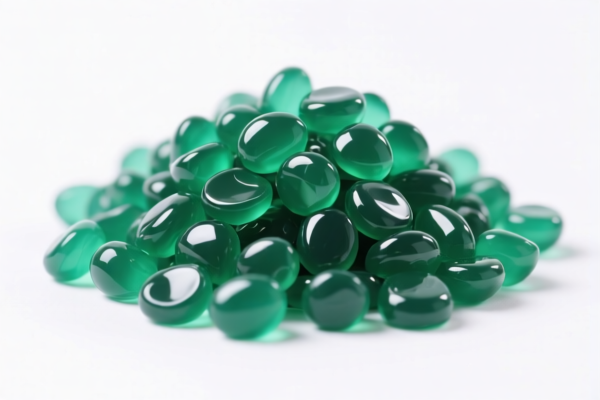

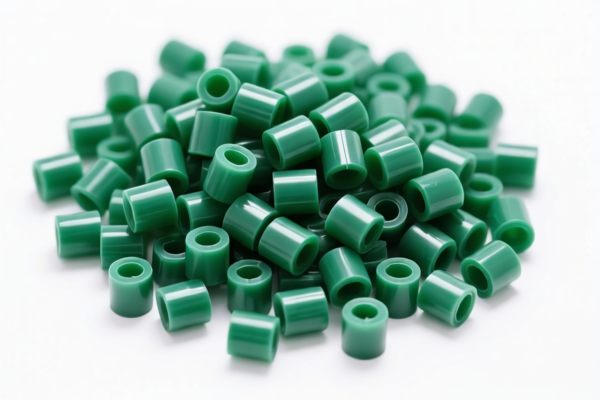
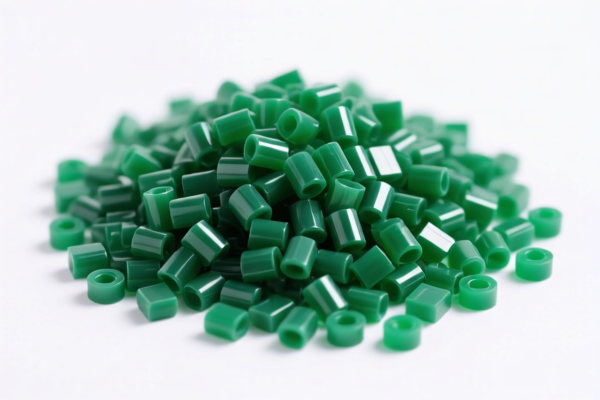
AI Analysis
⚛️ High Flow PVC Resin (高流聚氯乙烯树脂)
🌐 HS Code Reference & Customs Clearance Guide | 2026 Latest Tariff Analysis | Professional Clearance Strategy
📌 I. Product Definition & Classification: Do You Truly Understand "High Flow PVC"?
High Flow Polyvinyl Chloride (PVC) Resin is a specialized thermoplastic polymer used in the extrusion and injection molding industries. The "High Flow" designation indicates a modification in molecular weight or additive package that enhances melt fluidity, allowing for faster production cycles and thinner wall sections.
In international trade, it is classified as a primary form polymer. It is crucial to distinguish whether the product is a plasticized resin (already mixed with stabilizers/fillers for immediate processing) or a general-purpose polymer.
⚠️ Key Classification Distinction:
- If the resin is in its basic polymer form (primary shape, resin/granules) intended for further processing into plasticized compounds → Chapter 39 (Plastics and Articles Thereof).
- Specifically, it falls under Heading 3904 (PVC primary forms) or 3915 (Waste/Scrap if applicable, though "Resin" usually implies virgin/primary).
- Note on US Tariffs: Due to the "China origin" implication in the tax data (Section 301/122 tariffs), the classification directly impacts the high additional duty rates.
📦 II. HS Code Classification Details (2026 Latest Tariff Authority Cross-Reference)
Based on the provided data, here are the specific HS Codes matching "High Flow PVC Resin" and their tax implications:
| HS Code | Product Description (English Summary) | Material Form | Key Classification Logic |
|---|---|---|---|
| 3904.21.00.00 | High Flow PVC Resin; Material: PVC; Form: Resin (Primary Product) | Primary Form | Matches Non-plasticized PVC classification. Ideal for virgin resin granules. |
| 3904.22.00.00 | High Flow PVC Resin; Material: PVC; Form: Resin (Polymer Primary Shape) | Polymer Primary Shape | Matches PVC Polymer classification. Broader category for PVC polymers. |
| 3915.30.00.00 | PVC Resin (High Chlorine Content Grade); Material: PVC; Form: Primary Shape | Primary Shape | Matches Polymer Attributes. Note: Often used for specific high-chlorine variants or recycled grades if applicable, but data says "Resin". |
| 3915.90.00.90 | PVC Resin (High Chlorine Content Grade); Material: PVC; Form: Resin (Primary Shape) | Other Plastics | Falls under Other Plastics. Used for high-chlorine specific PVC resins not covered elsewhere. |
| 3904.10.00.00 | PVC Resin (High Chlorine Content Grade); Material: PVC; Form: Resin (Primary Shape/Original Form) | Original Form | Matches Material & Original Form Characteristics. General PVC primary form. |
🔍 Critical Reminder:
- All these codes refer to PVC in primary forms (powders, granules, or chips).
- If the product is a finished PVC pipe, film, or profile, it would NOT fall under these codes.
- The presence of "High Chlorine Content" in some descriptions suggests specific industrial grades, which may have different duty structures (0% base vs 6.5% base).
💰 III. 2026 Latest Tariff Rate Breakdown (Including Surtaxes & Policy Add-ons)
✅ Applicable Country: United States (US)
✅ Origin: China (CN) (Inferred from "Section 301/122" tariff details)
✅ Effective Date: 2025/2026 (Current Trade Policy)
🎯 1. High Base Duty Codes: 3904.21.00.00, 3904.22.00.00, 3904.10.00.00
These codes apply to standard PVC primary forms.
| Item | Detail |
|---|---|
| Base Tariff Rate | 6.5% (Ad Valorem) |
| Section 301 Surcharge | +25.0% (From USITC Footnote 9903.88.01 / Section 301) |
| Section 122 Surcharge | +10.0% (Specific trade provision for certain plastics/polymers) |
| Total Tax Rate | 41.5% |
| Tax Calculation | CIF Value × 41.5% |
| De Minimis Exemption | ❌ NOT Eligible (Section 301/122 duties typically override de minimis for Chinese goods) |
| Legal Basis Path | USITC:3904.xx → SECTION301:9903.88.01 → SECTION122:TariffProvision |
📌 Explanation:
- The 6.5% is the standard Most Favored Nation (MFN) rate for PVC primary forms.
- The 25% is the aggressive Section 301 tariff on Chinese plastics.
- The 10% is an additional Section 122 tariff, often applied to specific polymer imports to protect domestic capacity.
- Total 41.5% is a HIGH cost barrier. Profit margins must be tightly managed.
🎯 2. Zero Base Duty Codes: 3915.30.00.00, 3915.90.00.90
These codes apply to PVC Resin with "High Chlorine Content" or specific polymer attributes.
| Item | Detail |
|---|---|
| Base Tariff Rate | 0.0% (Ad Valorem) |
| Section 301 Surcharge | +25.0% |
| Section 122 Surcharge | +10.0% |
| Total Tax Rate | 35.0% |
| Tax Calculation | CIF Value × 35.0% |
| De Minimis Exemption | ❌ NOT Eligible |
| Legal Basis Path | USITC:3915.xx → SECTION301:9903.88.01 → SECTION122:TariffProvision |
📌 Note:
- Even with a 0% base duty, the 35% total rate is still substantial due to the surcharges.
- These codes may apply if the PVC has specific high chlorine content properties or falls under "Other" plastic categories.
🛠️ IV. Customs Clearance Practical Advice (Real-World Pitfall Guide)
✅ 1. Required Documentation Checklist (Non-Negotiable)
| Document | Required | Explanation |
|---|---|---|
| ✅ Product Specification Sheet | ✔️ | Must detail: Molecular Weight, Viscosity, Melt Flow Index (MFI), and Chlorine Content %. |
| ✅ Material Safety Data Sheet (MSDS) | ✔️ | Required for chemical safety assessment. |
| ✅ Certificate of Origin (CO) | ✔️ | Must clearly state Origin: China. If not Chinese, Section 301/122 may not apply (check FTA rules). |
| ✅ Commercial Invoice | ✔️ | Must describe as "PVC Resin, Primary Form, High Flow Grade" (Avoid vague terms like "Plastic Material"). |
| ✅ Bill of Lading (B/L) | ✔️ | Ensure package weight and dimensions match invoice. |
| ✅ FCC/Environmental Compliance Docs | ✔️ | Some additives in "High Flow" resins may trigger environmental reviews. |
✅ 2. Declaration Tips (Crucial Mnemonics)
🔥 "Resin Primary, Flow High; Check Chlorine, Pay the Tax!"
| Scenario | Correct Declaration | Wrong Action | Consequence |
|---|---|---|---|
| Virgin PVC Granules (Standard) | 3904.21.00.00 |
Misclassify as 3907 (Secondary forms) |
Underpayment → Penalty + Back Taxes |
| High Chlorine PVC Resin | 3915.30.00.00 or 3915.90.00.90 |
Use standard 3904 codes |
Wrong Code → Audit Risk |
| PVC Pellets with Additives | Ensure it’s still "Primary Form" | Declare as "Plastic Parts" | Misclassification → Goods Rejected |
| Non-China Origin | Provide Proof of Origin (e.g., Vietnam) | Claim "Made in China" | Avoid 35-41.5% Tariffs |
✅ 3. Special Situations
| Situation | Handling Advice |
|---|---|
| OEM Custom Resin | Provide formula specs or technical data sheets to prove it’s a "Primary Polymer" and not a "Compound" (which might have different codes). |
| Mixed Containers | If mixed with non-polymer goods, ensure PVC is clearly separated in the Packing List to avoid duty on the entire container. |
| Section 122 Exemption | Check if your specific PVC type qualifies for any recent exemptions under Section 122 (rare, but possible for specific industrial grades). |
🌍 V. Global Market Comparison (2026 Latest)
| Country/Region | Recommended HS Code | Total Tariff (China Origin) | Certification Requirements | Remarks |
|---|---|---|---|---|
| 🇺🇸 USA | 3904.21.00.00 / 3915.30.00.00 |
35.0% - 41.5% | FDA (if food-contact), Prop 65 | Highest Barrier due to 301/122 |
| 🇨🇳 China | 3904.21.00.00 |
6.5% - 0% (Import Duty) | CCC (if applicable) | Low import tax, but domestic competition high |
| 🇪🇺 EU | 3904.21 / 3915.30 |
0% - 6.5% | REACH Registration | No Section 301; REACH compliance is key |
| 🇬🇧 UK | 3904.21 / 3915.30 |
0% - 6.5% | UK REACH | Post-Brexit rules apply |
| 🇮🇳 India | 3904.21 |
7.5% - 15% | BIS Certification | High import duties, protective tariffs |
📌 Conclusion:
- The US market is the most expensive due to the cumulative 35-41.5% tariff load.
- EU and UK are more favorable if REACH/UK REACH compliance is met.
- India has moderate to high duties.
📌 VI. Common Errors & Pitfalls Guide (Lessons Learned)
❌ Error 1: Declaring "High Flow PVC" as "Plastic Waste" (3915) without justification
👉 Consequence: If it’s virgin resin, it’s not waste. Misclassification leads to seizure.
👉 Fix: Use 3915 only if it is clearly scrap/off-cut material, not primary resin.
❌ Error 2: Ignoring "High Chlorine" content in description
👉 Consequence: If the product is high-chlorine PVC but declared as standard PVC, customs may apply the higher standard duty or audit for fraud.
👉 Fix: Be precise. If it’s high-chlorine, use 3915.30 or 3915.90 if eligible for 0% base.
❌ Error 3: Assuming "Resin" means "Finished Product"
👉 Consequence: 3904/3915 are for primary forms. If it’s a PVC pipe, it’s 3917.
👉 Fix: Ensure the physical form is granules, powder, or chips.
❌ Error 4: Overlooking Section 122 Tariff
👉 Consequence: Many importers only account for Section 301 (25%) and miss the additional 10%.
👉 Fix: Budget for 41.5% total (3904 codes) or 35% total (3915 codes).
✅ Correct Practice:
"PVC Resin, High Flow, Primary Form, Chlorine Content XX%, Made in China, MFN Rate 6.5%, Section 301 25%, Section 122 10%."
🎯 VII. Conclusion: Precision Declaration, Cost Control, Smooth Customs!
🎯 Remember the Mnemonics:
🔹 "Primary Form, High Flow; 3904 and 3915, Know the Flow!"
🔹 "Base Rate Low, Surcharge High; 41.5% is the Price to Pay!"
🔹 "Check Chlorine Content, Avoid the Blunder; 0% Base saves 6.5% at the Counter!"
📌 Pro Tip:
If your PVC resin is sourced from Vietnam, Thailand, or Malaysia, you may avoid Section 301/122 tariffs, reducing the rate to the MFN base rate (0% - 6.5%).
Recommendation:
- Apply for an Advance Ruling (US CBP) if the product form is ambiguous.
- Keep Technical Data Sheets ready for customs examination.
- Consider supply chain diversification to mitigate US tariff risks.
📣 Immediate Action:
📞 Consult a licensed customs broker + Provide Product Specs + Apply for Pre-classification
🚀 Let your PVC Resin clear smoothly, reduce costs, and boost profits!
✨ Professional Customs Clearance Starts with Accurate Classification!
💼 Every percentage point of duty is a percentage point of your profit!
Customer Reviews
About HS Code Classification
The Harmonized System (HS) is an internationally standardized nomenclature developed by the World Customs Organization (WCO) to classify traded products. Over 200 countries use the HS system as the basis for customs tariffs, trade statistics, and import/export regulations.
Each HS code follows a hierarchical structure:
- Chapter (2 digits) — Broad category of goods (e.g., Chapter 84: Machinery and Mechanical Appliances)
- Heading (4 digits) — More specific grouping within the chapter
- Subheading (6 digits) — Internationally standardized breakdown, used by all WCO member countries
- National subdivisions (8-10 digits) — Country-specific extensions for further classification, such as US HTSUS 10-digit codes
Correct HS code classification is essential for smooth customs clearance, accurate duty payment, and compliance with trade regulations. Misclassification can lead to customs delays, overpayment of duties, or penalties.
When importing from CN to US, the applicable tariff rates may include:
- Most-Favored-Nation (MFN) rate — The standard duty rate applied to WTO members
- General rate — Applied to countries without trade agreements
- Trade remedy duties — Additional tariffs such as Section 301 (anti-dumping), Section 232 (national security), or countervailing duties
The information provided on this page is for reference purposes only. For official classification, please consult with your local customs authority or a licensed customs broker.