High Grade Leather Suede
CN → US| HS Code | Tariff Rate | Origin | Destination | Doc |
|---|---|---|---|---|
| 6403999055 | 20.0% | CN | US | Official Doc |
| 4107118000 | 12.4% | CN | US | Official Doc |
| 4107918000 | 12.4% | CN | US | Official Doc |
| 4113106000 | 12.8% | CN | US | Official Doc |
Product Images
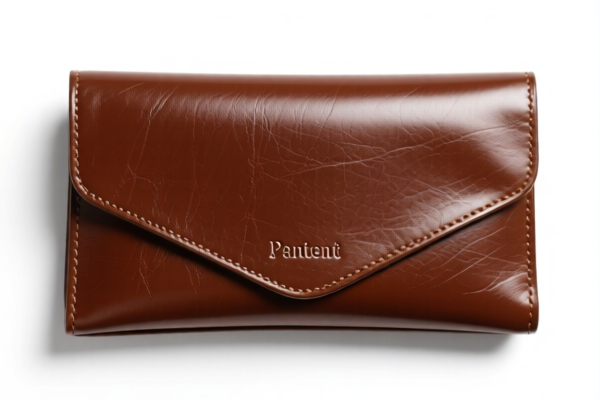
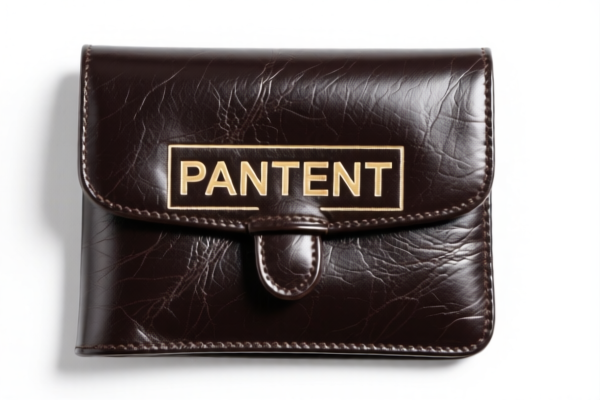
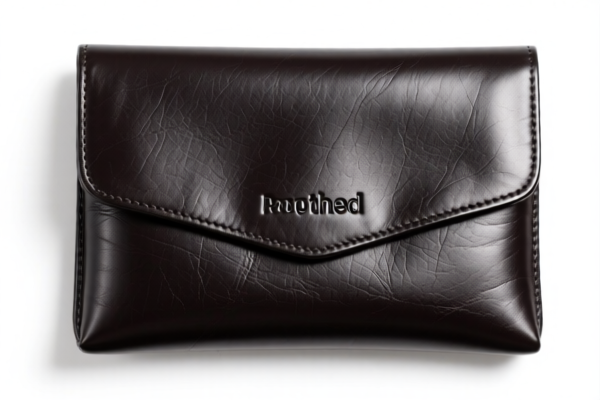
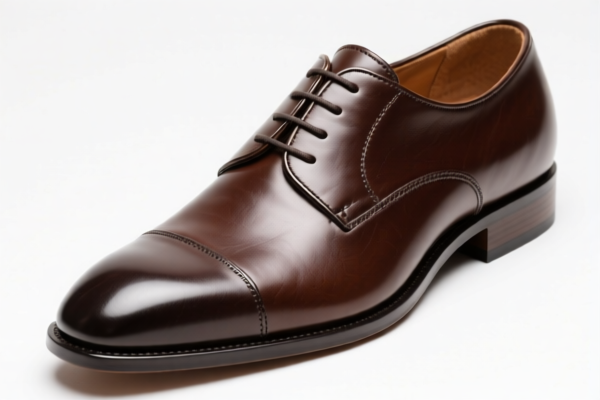
AI Analysis
👞 High Grade Leather Suede (Premium Suede Footwear & Leather Materials)
🌐 HS Code Reference & Customs Clearance Guide | 2026 Latest Tariff Analysis | Professional Entry Strategy
📌 I. Product Definition & Classification: What Exactly is "High Grade Leather Suede"?
"High Grade Leather Suede" is a versatile term that can refer to either the finished raw material (leather skins) or the finished product (shoes). In international trade, the distinction is critical because it determines whether you are declaring a textile-like material (Chapter 41) or a finished wearable item (Chapter 64).
1. Suede as Finished Footwear (Shoes/Boots):
If the item is a complete shoe or boot made with a suede upper, it falls under Chapter 64. "High grade" often implies premium materials but does not change the fundamental classification as a "shoe."
2. Suede as Raw Leather Material:
If the item is just the leather skin itself, treated to have a napped surface (suede), it falls under Chapter 41. The classification depends on the tanning process and the specific preparation (e.g., full-grain vs. split, decorative vs. functional).
⚠️ Key Distinction Point:
- If it has a sole and upper attached →归入 Chapter 64 (Footwear).
- If it is only leather skin (tanned, possibly suede-finish) → 归入 Chapter 41 (Leather).
- "High Grade" is a commercial description, not a customs one. However, it may help justify specific sub-categories like "decoration leather" or "full-grain" if documentation supports it.
📦 II. HS Code Classification Details (2026 Latest Tariff Authority Comparison)
Based on the provided data, here are the precise classifications for "High Grade Leather Suede" depending on its form:
| HS Code | Product Description | Application Scenario | Form/State |
|---|---|---|---|
6403.99.90.55 |
Footwear with upper material other than textile; Suede Leather Upper | Finished shoes/boots where the upper is suede. | ✅ Finished Shoe |
4107.11.80.00 |
Leather, fully tanned, full-grain, unsplit; High-grade suede inferred as special pattern | Raw leather skins, high-quality, full-grain, potentially used for high-end products. | ✅ Raw Leather |
4107.91.80.00 |
Leather, tanned, decorative leather category; High-grade inferred as decorative | Leather intended for luxury accessories, upholstery, or decorative purposes. | ✅ Raw Leather |
4113.10.60.00 |
Leather, tanned or further processed; includes suede, full-grain, etc. | General processed leather skins, including those with napped surfaces (suede). | ✅ Raw Leather |
🔍 Important Note:
- If you are shipping shoes, use6403.99.90.55.
- If you are shipping leather hides/skins, use one of the41xxcodes based on the specific treatment and end-use intent (decorative vs. general vs. full-grain).
💰 III. 2026 Latest Tariff Rate Breakdown (Including Surtaxes, Policy Add-ons)
✅ Applicable Country: United States (US)
✅ Origin: China (CN)
✅ Effective Time: 2025年11月10日起 (Including subsequent imports)
🎯 1. 6403.99.90.55 —— Finished Footwear (Suede Upper)
| Item | Details |
|---|---|
| Base Duty Rate | 10.0% |
| Surtax (Section 301 / 122 Clause) | +10% |
| Other Surtaxes | 0.0% |
| Total Duty Rate | 20.0% |
| Tax Calculation | CIF Value × 20% |
| De Minimis Exemption | ❌ Not Eligible (Standard threshold applies, but high duty usually triggers full declaration) |
| Legal Basis Path | HTSUS:6403.99.90.55 → Section 301 Footnote |
📌 Explanation:
- The base tariff for general footwear is 10%.
- A 10% surcharge is applied under the "122 Clause" (likely referring to specific retaliatory or Section 301 measures applicable to Chinese footwear).
- Total effective rate: 20%. This is moderate but significant for low-margin goods.
🎯 2. 4107.11.80.00 —— Full-Grain Leather (High-Grade Suede Inference)
| Item | Details |
|---|---|
| Base Duty Rate | 2.4% |
| Surtax (Section 301 / 122 Clause) | +10% |
| Other Surtaxes | 0.0% |
| Total Duty Rate | 12.4% |
| Tax Calculation | CIF Value × 12.4% |
| De Minimis Exemption | ❌ Not Eligible |
| Legal Basis Path | HTSUS:4107.11.80.00 → Section 301 Footnote |
📌 Explanation:
- Base rate is low (2.4%) because it is a raw material.
- However, the 10% surcharge still applies to Chinese-origin leather products.
- Total: 12.4%.
🎯 3. 4107.91.80.00 —— Decorative/Tanned Leather (High-Grade Inference)
| Item | Details |
|---|---|
| Base Duty Rate | 2.4% |
| Surtax (Section 301 / 122 Clause) | +10% |
| Other Surtaxes | 0.0% |
| Total Duty Rate | 12.4% |
| Tax Calculation | CIF Value × 12.4% |
| De Minimis Exemption | ❌ Not Eligible |
| Legal Basis Path | HTSUS:4107.91.80.00 → Section 301 Footnote |
📌 Explanation:
- Similar to4107.11, the base rate is 2.4%.
- The 10% surcharge is mandatory.
- Total: 12.4%.
🎯 4. 4113.10.60.00 —— Processed/Tanned Leather (General Suede/Full-Grain)
| Item | Details |
|---|---|
| Base Duty Rate | 2.8% |
| Surtax (Section 301 / 122 Clause) | +10% |
| Other Surtaxes | 0.0% |
| Total Duty Rate | 12.8% |
| Tax Calculation | CIF Value × 12.8% |
| De Minimis Exemption | ❌ Not Eligible |
| Legal Basis Path | HTSUS:4113.10.60.00 → Section 301 Footnote |
📌 Explanation:
- Base rate is 2.8%.
- The 10% surcharge applies.
- Total: 12.8%.
🛠️ IV. Customs Clearance Practical Advice (Combat Pitfall Guide)
✅ 1. Preparation Checklist (All Required)
| Document | Mandatory? | Description |
|---|---|---|
| ✅ Product Specification Sheet | ✔️ | Must specify "Suede," "Full-Grain," or "Decorative." Define tanning process (vegetable vs. chrome). |
| ✅ Material Composition | ✔️ | Clearly state "100% Genuine Leather Suede." Avoid vague terms like "Synthetic Suede" if it's real leather. |
| ✅ Commercial Invoice | ✔️ | Must match the HS Code. For 6403, declare as "Shoes." For 41xx, declare as "Leather Hides/Skins." |
| ✅ Packing List | ✔️ | Include weight and dimensions. |
| ✅ Certificate of Origin (CO) | ✔️ | Required to confirm Chinese origin and assess surtaxes. |
| ✅ Photos | ✔️ | High-res photos showing the nap (texture) of the suede to prove it's not textile. |
✅ 2. Declaration Tips (Key Mnemonic)
🔥 "Shoes vs. Hides: Don't Mix! Suede is Leather, Not Fabric!"
| Scenario | Correct Declaration | Wrong Practice |
|---|---|---|
| Finished Shoes with Suede Upper | 6403.99.90.55 |
Declaring as "Leather Material" → Misclassification Penalty |
| Leather Skins with Suede Finish | 4107.11.80.00 / 4107.91.80.00 / 4113.10.60.00 |
Declaring as "Shoes" → No Soles to Claim! |
| "High Grade" Marketing Term | Use as Description only, not HS Code driver | Assuming "High Grade" = Lower Tax → No such rule |
| Suede-like Textile (Microfiber) | 6406.99 or 6307.90 (if not leather) |
Claiming as "Genuine Leather" → Customs Fraud Risk |
✅ 3. Special Circumstances Handling
| Situation | Recommendation |
|---|---|
| Suede vs. Nubuck | Both are top-grain. If nubuck (buffed on grain side), still 4107 or 6403. If suede (buffed on flesh side), still same codes but ensure description matches. |
| Composite Materials | If suede is combined with rubber/plastic sole (for shoes), 6403 is correct. If leather is laminated with fabric, it may be classified as textile. |
| Origin Marking | Ensure every piece says "Made in China." Failure to mark can lead to seizure. |
| Valuation | "High Grade" justifies higher declared value. Do not undervalue to save tax; US Customs will audit based on market value. |
🌍 V. Global Market Comparison (2026 Latest)
| Country/Region | Recommended HS Code | Duty Rate | Certification | Notes |
|---|---|---|---|---|
| 🇺🇸 USA | 6403.99.90.55 (Shoes)4107/4113 (Leather) |
20.0% (Shoes) 12.4-12.8% (Leather) |
None specific for leather/shoes | 122 Clause 10% surcharge applies. |
| 🇨🇳 China | 6403.99.904107.11.80 |
20% (Shoes) 12.4% (Leather) |
None | Standard tariffs apply. |
| 🇪🇺 EU | 6403.994107 |
~12% (Shoes) ~4.8% (Leather) |
REACH Compliance | No "122 Clause" equivalent, but anti-dumping may apply. |
| 🇬🇧 UK | 6403.994107 |
~12% (Shoes) ~4.8% (Leather) |
UKCA | Post-Brexit tariffs similar to EU. |
📌 Conclusion:
- The US 10% surcharge is a major cost driver for Chinese leather goods.
- For shoes, the 20% total rate is significantly higher than for raw leather materials.
- If possible, import raw leather (41xx) and manufacture in a third country (e.g., Vietnam) to avoid the 10% surcharge, provided rules of origin are met.
📌 VI. Common Errors & Pitfalls (Lessons Learned)
❌ Error 1: Declaring "Suede Shoes" as "Leather Material" (4107) to save tax.
👉 Consequence: Customs will inspect and classify as footwear → Back taxes + 20% penalty!
❌ Error 2: Using vague terms like "Premium Skin" without specifying "Tanned Leather."
👉 Consequence: Customs may classify as "Raw Hides" (Chapter 41, lower duty but wrong) or "Textiles" → Rejection.
❌ Error 3: Ignoring the "122 Clause" 10% surcharge.
👉 Consequence: Underpayment → Seizure or forced payment with interest.
❌ Error 4: Mislabeling Microfiber "Suede" as Genuine Leather.
👉 Consequence: Fraud charges if discovered. Microfiber is Chapter 39 or 63, not 41 or 64.
✅ Correct Practice:
"Men's Suede Leather Casual Shoes, Full Grain, Rubber Sole, Model XYZ, Made in China"
OR
"Chrome-Tanned Cowhide Suede Leather, Full Grain, High Grade, for Luxury Handbags, Made in China"
🎯 VII. Conclusion: Precise Classification Saves Money!
🎯 Remember the Mantra:
🔹 "Shoes are 20%, Leather is ~12%, Surtax is 10%!"
🔹 "Suede is Leather, Not Fabric. Don't lie on the invoice!"
📌 Pro Tip:
If you are importing high-volume suede leather, consider negotiating with suppliers for Section 301 Exclusions if available for specific leather types.
For shoes, ensure the CIF value includes all costs to avoid undervaluation audits.
📣 Immediate Action:
📞 Contact a licensed Customs Broker + Provide Product Photos + Verify HS Code Pre-Ruling
🚀 Clear customs smoothly, control costs, and scale your luxury brand!
✨ Professional Clearance Starts with Accurate Classification!
💼 Every dollar of tax saved is profit earned!
Customer Reviews
About HS Code Classification
The Harmonized System (HS) is an internationally standardized nomenclature developed by the World Customs Organization (WCO) to classify traded products. Over 200 countries use the HS system as the basis for customs tariffs, trade statistics, and import/export regulations.
Each HS code follows a hierarchical structure:
- Chapter (2 digits) — Broad category of goods (e.g., Chapter 84: Machinery and Mechanical Appliances)
- Heading (4 digits) — More specific grouping within the chapter
- Subheading (6 digits) — Internationally standardized breakdown, used by all WCO member countries
- National subdivisions (8-10 digits) — Country-specific extensions for further classification, such as US HTSUS 10-digit codes
Correct HS code classification is essential for smooth customs clearance, accurate duty payment, and compliance with trade regulations. Misclassification can lead to customs delays, overpayment of duties, or penalties.
When importing from CN to US, the applicable tariff rates may include:
- Most-Favored-Nation (MFN) rate — The standard duty rate applied to WTO members
- General rate — Applied to countries without trade agreements
- Trade remedy duties — Additional tariffs such as Section 301 (anti-dumping), Section 232 (national security), or countervailing duties
The information provided on this page is for reference purposes only. For official classification, please consult with your local customs authority or a licensed customs broker.