High Impact Polystyrene Resin
CN → US| HS Code | Tariff Rate | Origin | Destination | Doc |
|---|---|---|---|---|
| 3903190000 | 41.5% | CN | US | Official Doc |
| 3903110000 | 41.5% | CN | US | Official Doc |
| 3903190000 | 41.5% | CN | US | Official Doc |
| 3903110000 | 41.5% | CN | US | Official Doc |
Product Images
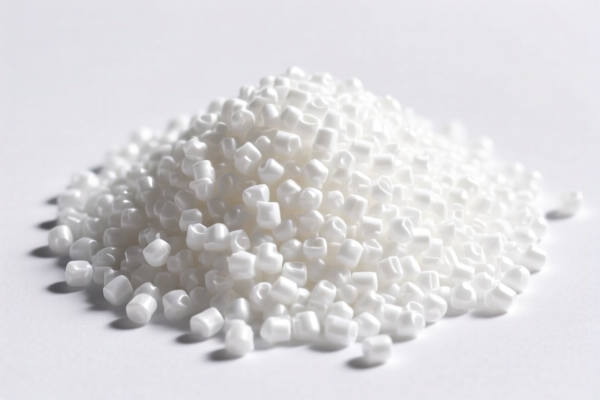
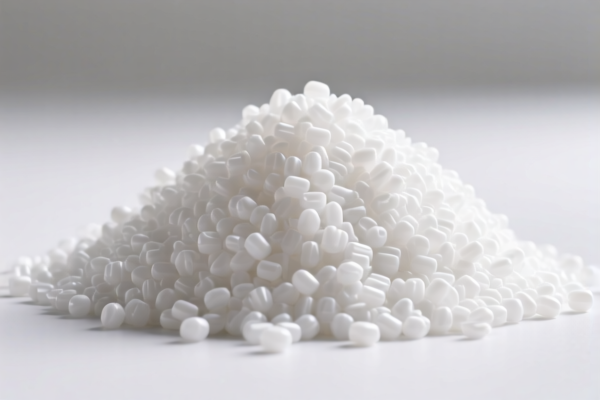
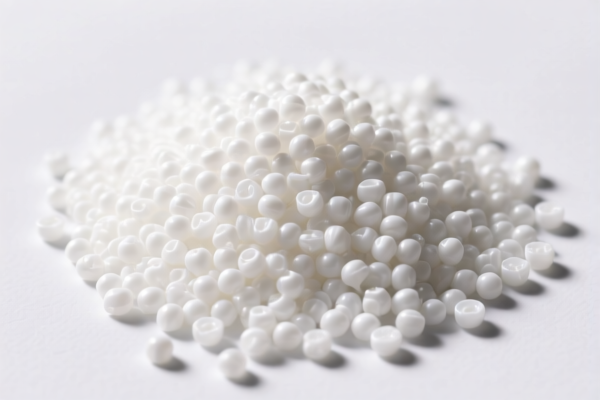
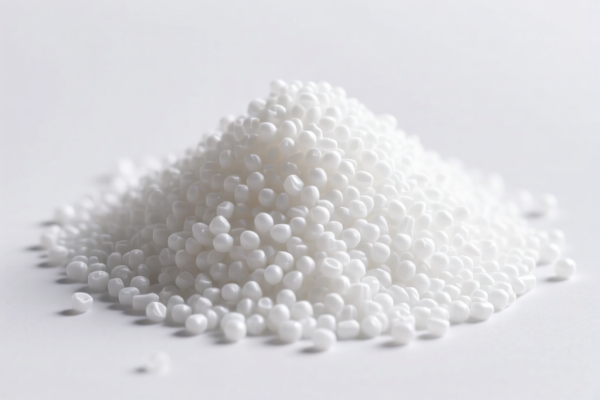
AI Analysis
🧪 High Impact Polystyrene Resin (HIPS) & Polystyrene Polymers
🌐 HS Code Reference & Clearance Guide | 2026 Latest Tariff Analysis | Professional Clearance Strategy
📌 I. Product Definition & Classification: Do You Really Understand "Polystyrene"?
High Impact Polystyrene (HIPS) and general Polystyrene (PS) polymers are thermoplastic materials widely used in packaging, consumer electronics housings, and disposable containers. In international trade, these products are classified based on their physical form and chemical properties.
Key Distinction in Classification: * Primary Form (Resin/Granules/Powder): If the material is in its raw, unprocessed state (granules, pellets, powder, liquid, or non-formulated solid blocks), it falls under Chapter 39, Section XI. * Specific Properties: * High Impact (HIPS): PS modified with rubber (usually polybutadiene) to increase toughness. * High Flow: PS formulated for better fluidity during injection molding.
⚠️ Critical Classification Point:
- If the product is raw resin (granules/powder) → It is classified as a Polymer in Primary Form under HS Code 3903.11 or 3903.19.
- If the product is already molded into articles (e.g., boxes, toys, caps) → It would fall under Chapter 39, Section XVI (Articles of Plastics), NOT the codes listed below.
- Note: The provided DATA only covers primary form polymers.
📦 II. HS Code Classification Details (Based on Provided Data)
According to the provided <DATA>, two distinct HS Codes are identified for Polystyrene polymers in primary form. Both carry identical tariff structures but differ in specific chemical descriptions.
| HS Code | Product Description (Summary) | Key Characteristics | Primary Form Indicator |
|---|---|---|---|
3903.19.00.00 |
High Impact Polystyrene (HIPS) Polymer High Flow Polystyrene Resin |
Matches PS material properties; High Impact or High Flow characteristics. | Granules, Pellets, Powder |
3903.11.00.00 |
High Impact Polystyrene (HIPS) Polymer High Flow Polystyrene Resin |
Matches Polystyrene Primary Form Polymer. | Granules, Pellets, Powder |
🔍 重点提醒 (Key Clarification):
- The provided data lists both3903.11.00.00and3903.19.00.00for similar descriptions.
-3903.11.00.00typically refers to Polystyrene in primary form.
-3903.19.00.00typically refers to Other Polystyrene (including HIPS, High Flow, etc.) in primary form.
- Why two codes? Different customs authorities may have slight variations in sub-heading interpretation. However, both codes in this dataset carry the EXACT SAME TAX RATE.
💰 III. 2026 Latest Tariff Rate Breakdown (Detailed Tax Clauses)
✅ Applicable Country: China (Exporting) → Likely USA/Target Market (Importing)
✅ Product Origin: China (CN)
✅ Total Tax Rate: 41.5%
✅ Effective Time: Current (Post-2025 Trade Policies)
🎯 1. Tax Structure Breakdown (Both HS Codes)
| Tax Component | Rate | Legal Basis / Description |
|---|---|---|
| Base Duty | 6.5% | Standard Most-Favored-Nation (MFN) duty for Polystyrene resins. |
| Section 301 Tariff (Trade War) | 25.0% | Additional duty imposed under Section 301 of the Trade Act of 1974 on Chinese goods. |
| Section 122 Tariff | 10.0% | Additional duty under Section 122 of the Trade Act of 1974 (often applied to specific strategic or sensitive goods). |
| TOTAL TAX RATE | 41.5% | 6.5% + 25.0% + 10.0% |
📌 Detailed Explanation:
- Base Duty (6.5%): This is the standard customs duty for plastic resins.
- Section 301 Tariff (25%): This is the most significant cost driver. It applies to most Chinese-origin plastic materials. It is non-negotiable and not eligible for most standard exemptions unless a specific product exclusion was granted (and even then, often expired).
- Section 122 Tariff (10%): This is an additional layer of protectionism. It applies on top of Section 301.
- Cumulative Effect: The taxes are additive, not compounded. Total cost impact = 41.5% of the CIF value.
🛠️ IV. Clearance Practical Advice (Avoid Pitfalls)
✅ 1. Essential Documentation Checklist
| Document | Required? | Why It Matters |
|---|---|---|
| ✅ Commercial Invoice | ✔️ | Must clearly state "Polystyrene Polymer, Primary Form" and specify "High Impact" or "High Flow" if applicable. |
| ✅ Packing List | ✔️ | Must match invoice details. Weight/volume accuracy is critical for duty calculation. |
| ✅ Certificate of Origin (CO) | ✔️ | Proves Chinese origin. If origin is misdeclared, penalties apply. |
| ✅ MSDS / SDS | ✔️ | Critical for Polymers. Confirms material is not hazardous waste. Shows chemical composition. |
| ✅ Product Specification Sheet | ✔️ | Details the polymer grade, melt flow index (MFI), impact strength, and form (granules/powder). |
| ✅ Bill of Lading (B/L) | ✔️ | Standard shipping document. |
⚠️ Warning: Do NOT describe the product as "Plastic Material" vaguely. Use precise technical names: "High Impact Polystyrene (HIPS) Polymer, Primary Form, Grade XYZ."
✅ 2. Declaration Tips (Key Mnemonics)
🔥 "Form Matters! Granules = Primary! Resin = Polymer!"
| Scenario | Correct Declaration | Error to Avoid |
|---|---|---|
| Raw Granules/Powder | 3903.11.00.00 or 3903.19.00.00"Polystyrene Polymer, Primary Form" |
Declaring as "Plastic Parts" → Wrong Chapter, 0% Duty but illegal → Seizure! |
| Molded Boxes/Toys | Chapter 39, Section XVI (e.g., 3926.90.99) |
Declaring as 3903... → Underpayment of duties + Penalties |
| Recycled Flakes | Different Code! (Often 3902.10 or 3907.99) |
Declaring as "Virgin Primary Form" → Fraud risk |
📌 Note on "High Impact" vs "Polystyrene":
- If your product is Standard PS, use3903.11.00.00.
- If your product is HIPS or High Flow, use3903.19.00.00.
- However, since the tax rate is identical in this dataset, the primary goal is accuracy in description to avoid audits.
✅ 3. Special Handling & Compliance
| Issue | Handling Suggestion |
|---|---|
| Misclassification Risk | Ensure the material is truly in primary form (granules/powder). If it contains additives beyond standard processing aids, consult a customs broker. |
| Anti-Dumping Duties | Check if specific HIPS products from China are subject to Anti-Dumping (AD) Duties. These are separate from Section 301 and can add 10%-100%+ on top. |
| Section 122 Specifics | Verify if the specific HS code is listed under Section 122 enforcement lists. If yes, the 10% is mandatory. |
| Valuation | Duties are calculated on CIF Value (Cost + Insurance + Freight). Ensure freight costs are accurately declared. |
🌍 V. Global Market Comparison (2026)
| Market | HS Code | Base Duty | Section 301 | Section 122 | Total Tax | Notes |
|---|---|---|---|---|---|---|
| 🇺🇸 USA | 3903.11 / 3903.19 |
6.5% | 25.0% | 10.0% | 41.5% | High barrier. Check for AD/CVD. |
| 🇨🇳 China | 3903.11 / 3903.19 |
6.5% | 0% | 0% | 6.5% | Low duty for imports into China. |
| 🇪🇺 EU | 3903.11 / 3903.19 |
6.5% | 0% | 0% | 6.5% | No Section 301/122. |
| 🇬🇧 UK | 3903.11 / 3903.19 |
6.5% | 0% | 0% | 6.5% | Post-Brexit, no US tariffs. |
| 🇨🇦 Canada | 3903.11 / 3903.19 |
5.0% | 0% | 0% | 5.0% | CUSMA benefits if originating. |
📌 Conclusion:
- USA is the only market in this comparison with 41.5% total tax due to Section 301 and Section 122.
- For US exports, cost planning must include 41.5% duty.
- Consider supply chain diversification (e.g., producing in Vietnam, Mexico, or Thailand) if feasible, to avoid these tariffs.
📌 VI. Common Errors & Pitfalls (Lessons Learned)
❌ Error 1: Declaring "Plastic Pellets" as "Plastic Parts"
👉 Consequence: Customs may classify under a different chapter with higher duties or reject the entry for misclassification.
❌ Error 2: Omitting "Primary Form" in Description
👉 Consequence: Customs cannot verify if it's resin or a finished good. Leads to inspection delays, storage fees, and potential penalties.
❌ Error 3: Ignoring Section 122
👉 Consequence: Underpaying duties by 10%. Result: Back taxes + Interest + Penalties upon audit.
❌ Error 4: Confusing HIPS with ABS or PP
👉 Consequence: Wrong HS Code. HIPS is 3903..., ABS is 3903.30..., PP is 3902.10.... Each has different duty rates and regulatory requirements.
✅ Correct Practice:
"High Impact Polystyrene (HIPS) Polymer, Primary Form, Granules, Grade HIPS-100, Chinese Origin, CIF Value $10,000"
🎯 VII. Conclusion: Professional Declaration for Cost Control
🎯 Remember the Mantra:
🔹 "Form is King! Granules = Primary = 3903!"
🔹 "Section 301 + 122 = 35% Extra! Total 41.5%!"
🔹 "Describe Precisely! Avoid Audits!"
📌 Pro Tip:
If you are exporting High Impact Polystyrene to the USA, ensure your commercial invoice explicitly states:
1. "Polystyrene Polymer, Primary Form"
2. "High Impact" or "High Flow"
3. Chinese Origin
4. CIF Value
And be prepared to pay 41.5% in duties. If your profit margin is thin, consider tariff engineering or supply chain shifts to countries not subject to Section 301/122.
📣 Immediate Action:
📞 Contact a Licensed Customs Broker to verify if your specific HIPS grade is subject to Anti-Dumping Duties (AD).
📋 Review your HS Code against the latest USITC Harmonized Tariff Schedule.
🚀 Plan your cash flow for the 41.5% duty cost.
✨ Professional clearance starts with precise classification!
💼 Every percentage point of duty is a point of profit!
Customer Reviews
About HS Code Classification
The Harmonized System (HS) is an internationally standardized nomenclature developed by the World Customs Organization (WCO) to classify traded products. Over 200 countries use the HS system as the basis for customs tariffs, trade statistics, and import/export regulations.
Each HS code follows a hierarchical structure:
- Chapter (2 digits) — Broad category of goods (e.g., Chapter 84: Machinery and Mechanical Appliances)
- Heading (4 digits) — More specific grouping within the chapter
- Subheading (6 digits) — Internationally standardized breakdown, used by all WCO member countries
- National subdivisions (8-10 digits) — Country-specific extensions for further classification, such as US HTSUS 10-digit codes
Correct HS code classification is essential for smooth customs clearance, accurate duty payment, and compliance with trade regulations. Misclassification can lead to customs delays, overpayment of duties, or penalties.
When importing from CN to US, the applicable tariff rates may include:
- Most-Favored-Nation (MFN) rate — The standard duty rate applied to WTO members
- General rate — Applied to countries without trade agreements
- Trade remedy duties — Additional tariffs such as Section 301 (anti-dumping), Section 232 (national security), or countervailing duties
The information provided on this page is for reference purposes only. For official classification, please consult with your local customs authority or a licensed customs broker.