High Impact Polystyrene Sheet
CN → US| HS Code | Tariff Rate | Origin | Destination | Doc |
|---|---|---|---|---|
| 3903190000 | 41.5% | CN | US | Official Doc |
| 3903905000 | 41.5% | CN | US | Official Doc |
| 3926909989 | 22.8% | CN | US | Official Doc |
| 3920300000 | 40.8% | CN | US | Official Doc |
| 3903110000 | 41.5% | CN | US | Official Doc |
Product Images
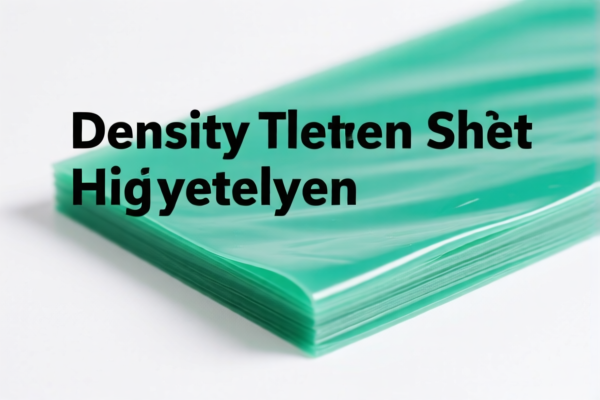
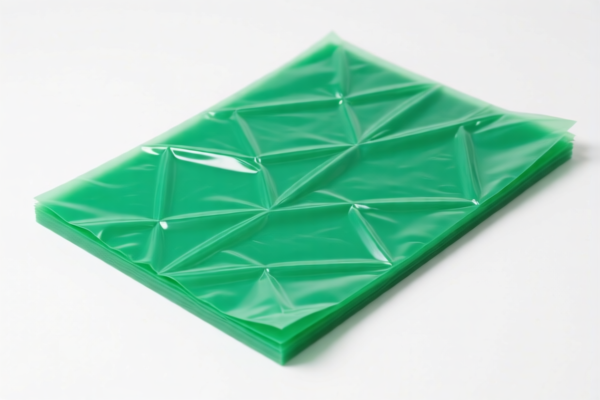
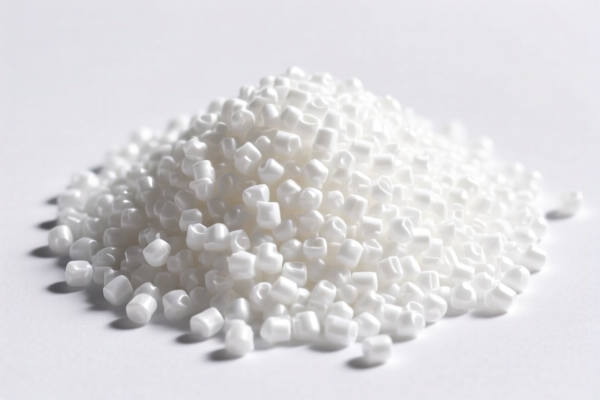
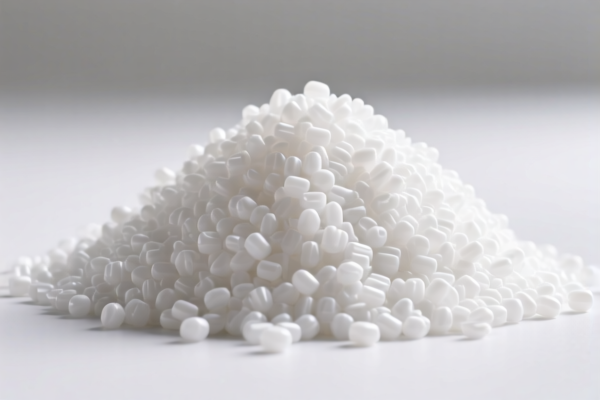
AI Analysis
🧪 High Impact Polystyrene (HIPS) Sheet
🌐 HS Code Reference & Customs Clearance Guide | 2026 Latest Tariff Analysis | Professional-Level Compliance Strategy
📌 I. Product Definition & Classification: Do You Truly Understand "HIPS Sheet"?
High Impact Polystyrene (HIPS) is an amorphous thermoplastic polymer known for its toughness, opacity, and ease of processing. In international trade, the classification of HIPS depends heavily on its physical form and primary use. It is generally categorized into two distinct streams:
1. Polymer/Resin in Primary Shapes (Pellets/Granules):
HIPS that has not yet been molded or extruded into final shapes. Even if described as "sheet" but is technically a raw material pellet, it falls under HS Chapter 3903.
2. Finished Sheets/Plates/Foils:
HIPS that has been extruded into flat sheets, plates, or films. These are classified based on whether they are considered "basic forms" (Chapter 3904) or "other plastic articles" (Chapter 3926), depending on thickness, width, and specific national tariff schedules.
⚠️ Key Distinction Point:
- If the product is pellets/granules (raw material) →归入 3903.11 or 3903.19
- If the product is a finished sheet/film → Can be classified under 3903.90 (Plastic sheets) or 3920.30 (Other plates/sheets/films) or 3926.90 (Other plastic articles).
- Crucial: Misclassifying a sheet as raw polymer (or vice versa) can lead to significant tariff discrepancies due to differing "Add-on" tariffs.
📦 II. HS Code Classification Details (2026 Latest Tariff Authority Comparison)
| HS Code | Product Description | Applicable Scenario | Material Form |
|---|---|---|---|
3903.11.00.00 |
Polystyrene, in primary shapes (HIPS Pellets) | Raw material for injection molding; unextruded resin | ✅ Primary Shape (Pellet) |
3903.19.00.00 |
Other Polystyrene (HIPS Polymer/Sheet mix) | HIPS in other primary shapes or unspecified polymer forms | ✅ Polymer/Basic Form |
3903.90.50.00 |
High Impact Polystyrene Sheet | HIPS sheets specifically identified; no material conflict | ✅ Sheet Form |
3920.30.00.00 |
Polystyrene Plates, Sheets, Film, Foil, Tape, Strip | HIPS sheets meeting definition of plate/sheet/film under 3920 | ✅ Sheet Form (Broad Category) |
3926.90.99.89 |
Other Articles of Plastics (General HIPS Sheet) | HIPS sheets categorized as general plastic goods; broader classification | ✅ Finished Article |
🔍 Key Reminder:
-3903Series: Generally covers Polystyrene (PS) in various forms. HIPS is a modified PS. -3920Series: Covers Plates, Sheets, Film, Foil, and Strip, not in rolls or squares/rectangles >1m. If the sheet is in large rolls or specific dimensions, this might apply differently. -3926Series: A "catch-all" for plastic articles not more specifically provided for. Often used if3920doesn't perfectly match the dimensions or if local customs prefer this for general "plastic sheets." - Tariff Impact: The Add-on Tariffs (Section 301 & 122) vary significantly between these codes, impacting the final landed cost.
💰 III. 2026 Latest Tariff Rate Breakdown (Including Add-ons & Policy Levies)
✅ Applicable Country: United States (US)
✅ Country of Origin: China (CN)
✅ Effective Date: Rates applicable for imports from China as per current Section 301 and Section 122 tariffs.
🎯 1. 3903.11.00.00 & 3903.19.00.00 —— Polystyrene (Primary Shapes/Others)
| Item | Content |
|---|---|
| Base MFN Rate | 6.5% |
| Section 301 Add-on | +25.0% |
| Section 122 Add-on | +10.0% |
| Total Effective Rate | 41.5% |
| Tax Calculation | CIF Value × 41.5% |
| De Minimis Exemption | ❌ Not Eligible (High tariff rate > 20% typically disqualifies from de minimis benefits under strict interpretations, though currently, many shipments under $800 may still pass, but risk is high. Note: Check latest CBP rulings for $800 de minimis applicability with Section 301 tariffs. |
| Legal Basis Path | USITC:3903.11/19 → Section 301 Footnote → Section 122 (Uyghur Forced Labor Prevention Act related if applicable) |
📌 Explanation:
- Base 6.5%: Standard Most Favored Nation (MFN) duty for Polystyrene. - Section 301 (+25%): Imposed on a wide range of Chinese imports, including many plastics and polymer products. - Section 122 (+10%): Often applied to specific goods under trade remedy or national security provisions. - Total 41.5%: This is a very high duty. Importers must factor this into their Cost of Goods Sold (COGS).
🎯 2. 3903.90.50.00 —— High Impact Polystyrene Sheet (Specific HS)
| Item | Content |
|---|---|
| Base MFN Rate | 6.5% |
| Section 301 Add-on | +25.0% |
| Section 122 Add-on | +10.0% |
| Total Effective Rate | 41.5% |
| Tax Calculation | CIF Value × 41.5% |
| De Minimis Exemption | ❌ Not Eligible |
| Legal Basis Path | USITC:3903.90 → Section 301 → Section 122 |
📌 Note:
- This code specifically targets HIPS sheets. The tariff structure is identical to the polymer codes because it falls under the same "Polystyrene" umbrella in the US HTS. - Even though it is a "sheet," if classified under 3903, it attracts the same high add-ons.
🎯 3. 3920.30.00.00 —— Polystyrene Plates, Sheets, Film, etc.
| Item | Content |
|---|---|
| Base MFN Rate | 5.8% |
| Section 301 Add-on | +25.0% |
| Section 122 Add-on | +10.0% |
| Total Effective Rate | 40.8% |
| Tax Calculation | CIF Value × 40.8% |
| De Minimis Exemption | ❌ Not Eligible |
| Legal Basis Path | USITC:3920.30 → Section 301 → Section 122 |
📌 Explanation:
- Base 5.8%: Slightly lower than the 6.5% base for 3903. - Add-ons: Still subject to the full 25% + 10%. - Total 40.8%: Marginally cheaper than the 41.5% rate, but the difference is small. The key is ensuring the product truly fits the definition of "plates, sheets, film" under 3920 and not 3903.
🎯 4. 3926.90.99.89 —— Other Plastic Articles
| Item | Content |
|---|---|
| Base MFN Rate | 5.3% |
| Section 301 Add-on | +7.5% |
| Section 122 Add-on | +10.0% |
| Total Effective Rate | 22.8% |
| Tax Calculation | CIF Value × 22.8% |
| De Minimis Exemption | ❌ Not Eligible |
| Legal Basis Path | USITC:3926.90 → Section 301 → Section 122 |
📌 Critical Advantage:
- This code offers the lowest total tariff (22.8%). - Why? While it attracts Section 122 (+10%), the Section 301 add-on is only +7.5% instead of 25%. This is a significant saving (~18% difference in total duty). - Risk: Classification under 3926 requires justification that the HIPS sheet is not more specifically described in Chapter 3903 or 3920. If Customs determines it is a PS sheet, they may reassess to 3903/3920, leading to back taxes and penalties. - Strategy: Use this code only if you have a strong legal opinion or ruling supporting the "Other Plastic Article" classification, or if the sheet is processed/cut into a form that is no longer just "sheet" but a specific article.
🛠️ IV. Customs Clearance Practical Advice (Battle-Tested Pitfall Guide)
✅ 1. Documentation Checklist (Non-negotiable)
| Document | Required | Notes |
|---|---|---|
| ✅ Product Specification Sheet | ✔️ | Must specify: Material (HIPS), Form (Sheet/Granule), Thickness, Width, Length, Color, MFI (Melt Flow Index). |
| ✅ Material Safety Data Sheet (MSDS) | ✔️ | Required for chemical verification. |
| ✅ Commercial Invoice | ✔️ | Clearly state: "High Impact Polystyrene (HIPS) Sheet, Made in China". Avoid vague terms like "Plastic Material". |
| ✅ Packing List | ✔️ | Detail weight, dimensions, and packaging type. |
| ✅ Bill of Lading/Air Waybill | ✔️ | Match invoice details. |
| ✅ Certificate of Origin (CO) | ✔️ | Required to prove Chinese origin for Section 301/122 applicability. |
| ✅ Pre-Ruling Document (Optional) | ✔️ | If using 3926.90.99.89, having an HTSUS pre-ruling is highly recommended to defend the classification. |
✅ 2. Declaration Strategy (Key Mantras)
🔥 "Form Determines Code, Code Determines Duty, Wrong Code = Back Taxes!"
| Scenario | Correct HS Code | Incorrect Action | Consequence |
|---|---|---|---|
| HIPS Pellets/Resin | 3903.11.00.00 or 3903.19.00.00 |
Declare as Sheet → 3920.30 |
Risk of misdeclaration; may be rejected if form doesn't match. |
| HIPS Sheet (Standard) | 3903.90.50.00 or 3920.30.00.00 |
Declare as 3926.90.99.89 without justification |
High Risk. Customs may reassess to 41.5% + penalties. |
| HIPS Sheet (Processed/Cut) | 3926.90.99.89 |
Declare as Raw Sheet | Best Practice. If cut into specific shapes/uses, argue for "Other Plastic Articles" to reduce duty to 22.8%. |
| HIPS Foam | 3903.90.50.00 (if rigid foam) |
Declare as Solid Sheet | Foam has different definitions. Misclassification leads to errors. |
✅ 3. Special Circumstances Handling
| Situation | Handling Advice |
|---|---|
| Mixed Shipments | If a shipment contains both pellets (3903) and sheets (3920), declare separately. Do not average the HS Codes. |
| Section 122 Scrutiny | Be prepared to provide supply chain documentation to prove the HIPS does not violate forced labor laws (Section 122/Uyghur Forced Labor Prevention Act). |
| De Minimis ($800) | While $800 de minimis exists, shipments with Section 301 tariffs (especially those >25%) are under increased scrutiny. Do not rely on de minimis for high-volume HIPS imports. |
| Pre-Ruling | For large volumes, apply for an HTSUS Pre-Ruling from CBP. This provides legal certainty on whether your specific HIPS sheet qualifies for 3926.90.99.89 (22.8%) or must be 3903/3920 (40.8%+). |
🌍 V. Global Market Comparison (2026 Latest)
| Country/Region | Recommended HS Code | Base Duty | Add-ons (China) | Total Effective Duty | Remarks |
|---|---|---|---|---|---|
| 🇺🇸 USA | 3926.90.99.89 (Optimized) |
5.3% | +17.5% (301+122) | 22.8% | Best if justified. Otherwise 41.5%. |
| 🇨🇳 China | 3903.90.50.00 |
6.5% | None | 6.5% | Import duty only. No Section 301. |
| 🇪🇺 EU | 3920.30.00 |
6.5% | None | 6.5% | No Section 301. CE Marking required. |
| 🇬🇧 UK | 3920.30.00 |
6.5% | None | 6.5% | Post-Brexit rules apply. |
| 🇯🇵 Japan | 3903.90.00 |
5.0% | None | 5.0% | FTAs may apply if from partner countries. |
📌 Conclusion:
- USA is the most challenging market due to Section 301 and 122 tariffs.
- Optimizing HS Code from3903/3920(41.5%) to3926(22.8%) can save ~18.7% in duty costs.
- EU, UK, and Japan offer significantly lower duties (~5-6.5%) but require strict compliance with chemical regulations (REACH, etc.).
📌 VI. Common Mistakes & Pitfall Guide (Lessons Learned)
❌ Mistake 1: Classifying all HIPS products under 3903.11.00.00 (Pellets) even if they are sheets.
👉 Result: Customs may reject the declaration because the physical form doesn't match "primary shapes." Delay in clearance.
❌ Mistake 2: Using 3926.90.99.89 (22.8%) for raw HIPS sheets without legal justification.
👉 Result: Customs reassessment to 3903.90.50.00 (41.5%). Back taxes + Interest + Penalties.
❌ Mistake 3: Ignoring Section 122 requirements.
👉 Result: Seizure of goods if forced labor compliance documentation is missing.
❌ Mistake 4: Vague Description "Plastic Sheet".
👉 Result: Customs assigns a default code with the highest possible duty (often 3926 without add-on, or worst-case scenario if they suspect evasion).
✅ Correct Approach:
"High Impact Polystyrene (HIPS) Sheet, White, 2mm Thickness, 1200mm Width, Extruded, Made in China, HTSUS 3920.30.00.00"
🎯 VII. Conclusion: Professional Classification, Cost Efficiency!
🎯 Remember the Mantra:
🔹 "Raw Polymer: 41.5%. Sheet (3903/3920): 40.8%. Sheet (3926): 22.8%."
🔹 "The 18% Difference is Worth the Legal Review!"
🔹 "Describe Precisely, Classify Accurately, Save Significantly!"
📌 Pro Tip:
If your HIPS sheets are cut into specific shapes (e.g., gaskets, inserts, custom panels), they are more likely to qualify for 3926.90.99.89.
If they are continuous rolls or standard rectangular sheets, they fall under 3920 or 3903.
🚀 Action Plan:
1. Analyze your product form: Is it raw, sheet, or finished article?
2. Consult a Customs Broker: To evaluate the viability of 3926.90.99.89.
3. Apply for Pre-Ruling: If shipping high volumes to the US.
4. Document Everything: MSDS, Specs, Origin Certs.
✨ Professional Customs Clearance Starts with Precise Classification!
💼 Your Every Penny Saved is a Penny Earned!
Customer Reviews
About HS Code Classification
The Harmonized System (HS) is an internationally standardized nomenclature developed by the World Customs Organization (WCO) to classify traded products. Over 200 countries use the HS system as the basis for customs tariffs, trade statistics, and import/export regulations.
Each HS code follows a hierarchical structure:
- Chapter (2 digits) — Broad category of goods (e.g., Chapter 84: Machinery and Mechanical Appliances)
- Heading (4 digits) — More specific grouping within the chapter
- Subheading (6 digits) — Internationally standardized breakdown, used by all WCO member countries
- National subdivisions (8-10 digits) — Country-specific extensions for further classification, such as US HTSUS 10-digit codes
Correct HS code classification is essential for smooth customs clearance, accurate duty payment, and compliance with trade regulations. Misclassification can lead to customs delays, overpayment of duties, or penalties.
When importing from CN to US, the applicable tariff rates may include:
- Most-Favored-Nation (MFN) rate — The standard duty rate applied to WTO members
- General rate — Applied to countries without trade agreements
- Trade remedy duties — Additional tariffs such as Section 301 (anti-dumping), Section 232 (national security), or countervailing duties
The information provided on this page is for reference purposes only. For official classification, please consult with your local customs authority or a licensed customs broker.