High Lead Acrylic Sheets
CN → US| HS Code | Tariff Rate | Origin | Destination | Doc |
|---|---|---|---|---|
| 3921190090 | 41.5% | CN | US | Official Doc |
| 3921905050 | 39.8% | CN | US | Official Doc |
| 3926909989 | 22.8% | CN | US | Official Doc |
| 3926305000 | 22.8% | CN | US | Official Doc |
| 3920515090 | 41.5% | CN | US | Official Doc |
Product Images
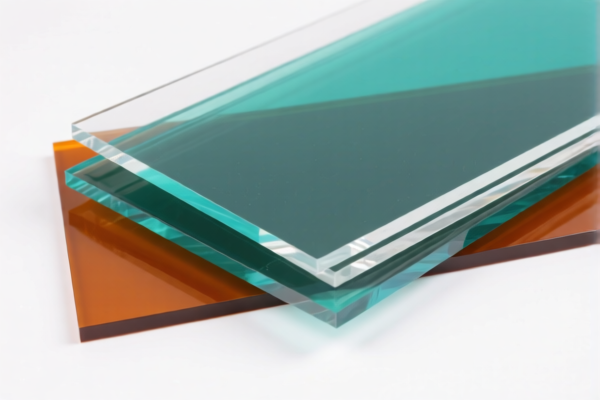

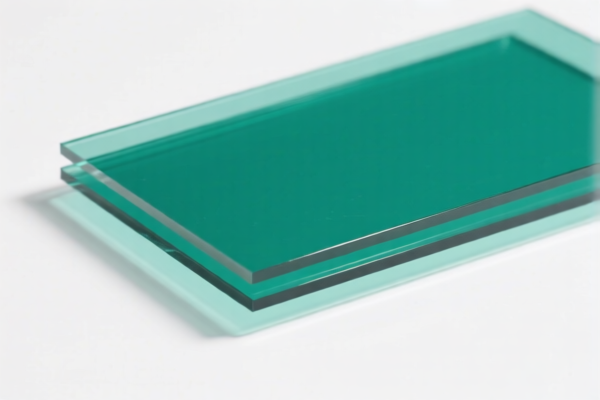
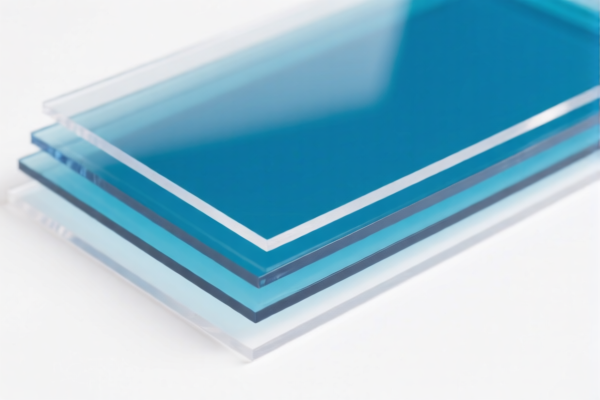
AI Analysis
🎨 High Lead Acrylic Sheets (PMMA Sheets)
🌐 HS Code Reference & Customs Clearance Guide | 2026 Latest Tariff Analysis | Professional Entry Strategy
📌 I. Product Definition & Classification: Do You Really Understand "High Lead Acrylic"?
High Lead Acrylic Sheets typically refer to Polymethyl Methacrylate (PMMA) sheets, often marketed as "acrylic glass." The term "High Lead" in this context usually refers to either: 1. High Clarity/High Performance: Superior optical quality, often used in luxury applications, aquariums, or high-end signage. 2. Lead-Containing (Rare but possible): In some specific industrial or historical contexts, "lead acrylic" might imply modified PMMA with heavy metal additives for radiation shielding or specific density requirements, though standard commercial "high lead" often colloquially refers to high-quality, high-clarity PMMA.
Key Distinction: * Standard PMMA Sheets: General-purpose plastic sheets for signage, displays, and fabrication. * High-Performance/Cast PMMA: Higher durability, chemical resistance, and optical clarity, often requiring specific HS code classification based on form (solid plate/sheet) and material composition.
⚠️ Critical Classification Point: - If the product is a solid plate/sheet of PMMA (acrylic), it falls under Chapter 39 (Plastics and Articles Thereof). - Misclassifying it as "glass" (Chapter 70) or "general plastic articles" (Chapter 39 remaining chapters) can lead to significant duty differences and clearance delays.
📦 II. HS Code Classification Details (2026 Latest Tariff Alignment)
Based on the provided data, here are the valid HS Codes for "High Lead Acrylic Sheets" and the rationale for each:
| HS Code | Product Description | Classification Rationale | Total Tax Rate (CN Origin → US) |
|---|---|---|---|
3921.19.00.90 |
Other Plates, Sheets, Film, Foil and Strip, of Plastics: Other: Other | Acrylic (PMMA) is a plastic material. High-gloss board is in plate form, classified as "Other plastic plates/sheets." | 41.5% |
3921.90.50.50 |
Other Plates, Sheets, Film, Foil and Strip, of Plastics: Other: Other | Acrylic is a plastic material. Plate form matches "plates/sheets," classified as "Other plastic plates/sheets." | 39.8% |
3926.90.99.89 |
Other Articles of Plastics and Articles of Other Materials of Chapter 39: Other: Other | Acrylic is PMMA plastic. Plate form not specifically listed elsewhere, classified as "Other plastic articles." | 22.8% |
3926.30.50.00 |
Other Articles of Plastics and Articles of Other Materials of Chapter 39: Fittings for Furniture, Coachwork or the Like: Other | Acrylic falls under plastic category. Plate form classified as "Other plastic articles" (Note: This code is for "fittings," which may be misapplied unless specifically for furniture parts, but listed in data). | 22.8% |
3920.51.50.90 |
Other Plates, Sheets, Film, Foil and Strip, of Plastics: Of Poly(methyl methacrylate) (PMMA): Other | Acrylic is Polymethyl Methacrylate. Plate form matches, classified as "Non-flame-retardant conventional plastic plates/sheets." | 41.5% |
🔍 Key Insight: -
3920.51.50.90is the most precise code for PMMA sheets if they are non-flame-retardant. -3921.19.00.90and3921.90.50.50are broader categories for "other plastics" if the specific PMMA designation is not emphasized or if the product has additional properties. -3926.90.99.89and3926.30.50.00have lower base tariffs but may face scrutiny if the product is clearly a "sheet/plate" rather than an "article" (e.g., finished parts). Misclassification here can lead to disputes.
💰 III. 2026 Latest Tariff Rate Breakdown (Including Additional Taxes & Policy Surcharges)
✅ Applicable Country: United States (US)
✅ Country of Origin: China (CN)
✅ Effective Date: November 10, 2025 (and subsequent imports)
🎯 1. 3920.51.50.90 —— Non-Flame-Retardant PMMA Sheets
| Item | Detail |
|---|---|
| Base Tariff | 6.5% (ad valorem) |
| Section 301 Additional Tariff | +25.0% |
| 122 Clause Tariff | +10.0% |
| Total Tax Rate | 41.5% |
| Tax Calculation | CIF Value × 41.5% |
| De Minimis Exemption | ❌ Not Eligible (deny_de_minimis) |
| Legal Basis Path | USITC:3920.51.50.90 → Section 301: Footnote 9903.88.01 → IEEPA:9903.01.25 |
📌 Explanation:
- This is the most specific code for PMMA sheets.
- Total 41.5% includes base duty (6.5%) + Section 301 (25%) + IEEPA 122 Clause (10%).
- High tariff burden! Ensure product is clearly declared as "PMMA" to avoid misclassification into higher or disputed categories.
🎯 2. 3921.19.00.90 —— Other Plastic Plates/Sheets (High-Gloss Board)
| Item | Detail |
|---|---|
| Base Tariff | 6.5% |
| Section 301 Additional Tariff | +25.0% |
| 122 Clause Tariff | +10.0% |
| Total Tax Rate | 41.5% |
| Tax Calculation | CIF Value × 41.5% |
| De Minimis Exemption | ❌ Not Eligible |
| Legal Basis Path | USITC:3921.19.00.90 → Section 301: Footnote 9903.88.01 → IEEPA:9903.01.25 |
📌 Explanation:
- Applies if the product is classified as "other plastic plates" (e.g., high-gloss acrylic board).
- Same 41.5% rate as3920.51.50.90.
- Less specific than3920.51.50.90, so prefer the latter if the product is pure PMMA.
🎯 3. 3921.90.50.50 —— Other Plastic Plates/Sheets (General)
| Item | Detail |
|---|---|
| Base Tariff | 4.8% |
| Section 301 Additional Tariff | +25.0% |
| 122 Clause Tariff | +10.0% |
| Total Tax Rate | 39.8% |
| Tax Calculation | CIF Value × 39.8% |
| De Minimis Exemption | ❌ Not Eligible |
| Legal Basis Path | USITC:3921.90.50.50 → Section 301: Footnote 9903.88.01 → IEEPA:9903.01.25 |
📌 Explanation:
- A slightly lower total rate (39.8%) than the specific PMMA codes.
- May be used if the product has additional additives or is not purely PMMA.
- Caution: Customs may challenge this if the product is clearly 100% PMMA.
🎯 4. 3926.90.99.89 —— Other Plastic Articles
| Item | Detail |
|---|---|
| Base Tariff | 5.3% |
| Section 301 Additional Tariff | +7.5% |
| 122 Clause Tariff | +10.0% |
| Total Tax Rate | 22.8% |
| Tax Calculation | CIF Value × 22.8% |
| De Minimis Exemption | ❌ Not Eligible |
| Legal Basis Path | USITC:3926.90.99.89 → Section 301: Footnote 9903.88.01 → IEEPA:9903.01.25 |
📌 Explanation:
- Lowest rate (22.8%), but high risk of misclassification.
- This code is for "other plastic articles" (e.g., finished parts, not raw sheets).
- If declaring raw PMMA sheets, this is likely incorrect. Customs may reclassify to3920or3921, leading to back taxes and penalties.
🎯 5. 3926.30.50.00 —— Fittings for Furniture, Coachwork, etc.
| Item | Detail |
|---|---|
| Base Tariff | 5.3% |
| Section 301 Additional Tariff | +7.5% |
| 122 Clause Tariff | +10.0% |
| Total Tax Rate | 22.8% |
| Tax Calculation | CIF Value × 22.8% |
| De Minimis Exemption | ❌ Not Eligible |
| Legal Basis Path | USITC:3926.30.50.00 → Section 301: Footnote 9903.88.01 → IEEPA:9903.01.25 |
📌 Explanation:
- Same low rate (22.8%) as above.
- Only applicable if the acrylic sheets are specifically furniture fittings (e.g., pre-cut shelf brackets, decorative trim).
- Do not use for general-purpose acrylic sheets.
🛠️ IV. Customs Clearance Practical Advice (Avoid Pitfalls)
✅ 1. Required Documentation Checklist
| Document | Mandatory? | Notes |
|---|---|---|
| ✅ Product Specification Sheet | ✔️ | Must state: Material (100% PMMA), Form (Sheet/Plate), Thickness, Dimensions, Optical Clarity Rating |
| ✅ Material Safety Data Sheet (MSDS) | ✔️ | Confirms no hazardous additives (unless "lead" implies radiation shielding, which requires special declaration) |
| ✅ Commercial Invoice | ✔️ | Clearly state "Acrylic Sheet (PMMA), High Clarity, High Gloss" |
| ✅ Packing List | ✔️ | Detail packaging to prevent damage (acrylic scratches easily) |
| ✅ Certificate of Origin | ✔️ | Required for Section 301 and IEEPA tariff application |
| ✅ Photos of Product & Label | ✔️ | Show branding, material code, and any certifications |
✅ 2. Declaration Tips (Key Phrases for Accurate Classification)
🔥 "Be Specific: PMMA, Sheet Form, Non-Flame-Retardant"
| Scenario | Correct Declaration | Incorrect Declaration |
|---|---|---|
| Pure PMMA Sheets | 3920.51.50.90 - "PMMA Acrylic Sheets, Non-Flame-Retardant" |
"Plastic Sheets" → May be classified as 3921 (41.5%) or 3926 (22.8% but challenged) |
| High-Gloss Acrylic | 3920.51.50.90 or 3921.19.00.90 |
"Acrylic Board" → Ambiguous, may trigger additional review |
| Pre-Cut Furniture Parts | 3926.30.50.00 |
"Acrylic Sheets" → Misclassification if not fittings |
✅ 3. Special Cases & Mitigation
| Scenario | Handling Advice |
|---|---|
| "Lead" in Name | If "High Lead" refers to lead content (radiation shielding), declare as "PMMA with Lead Additive" and provide MSDS. May require additional regulatory compliance (EPA, FDA). |
| Mixed Shipments | If shipping PMMA sheets with other plastic articles, separate declarations are required. Do not lump into one HS code. |
| Customs Audit | Be prepared to provide third-party lab tests confirming material composition (PMMA vs. PVC, ABS, etc.). |
| Supplier Variance | Ensure supplier’s invoice matches the declared HS code. Discrepancies cause delays. |
🌍 V. Global Market Comparison (2026 Latest)
| Country/Region | Recommended HS Code | Tariff (CN Origin) | Certification Requirements | Notes |
|---|---|---|---|---|
| 🇺🇸 USA | 3920.51.50.90 |
41.5% (PMMA Sheets) | No specific FDA/CE required for general use | High tariff! Plan for cost absorption. |
| 🇨🇳 China | 3920.51.50.90 |
6.5% (Import) | No special certification | Low import duty for domestic use. |
| 🇪🇺 EU | 3920.51.00.00 |
6.5% (Standard) | CE Mark (if for contact with food/water) | Lower tariffs than US. |
| 🇬🇧 UK | 3920.51.00.00 |
6.5% | UKCA Mark (if applicable) | Post-Brexit alignment with EU. |
| 🇯🇵 Japan | 3920.51.00.00 |
6.0% | PSE (if electrical components involved) | Moderate tariff. |
📌 Conclusion:
- USA has the highest effective tariff (41.5%) for PMMA sheets due to Section 301 and IEEPA 122 Clause.
- Consider sourcing from Vietnam, Mexico, or Thailand to qualify for IEEPA exemptions or lower Section 301 rates.
- Pre-clearance rulings are highly recommended for high-value shipments.
📌 VI. Common Mistakes & Pitfalls (Lessons Learned)
❌ Mistake 1: Declaring "Acrylic Sheets" as "Plastic Sheets" (3921) without specifying PMMA.
👉 Result: Same 41.5% rate, but higher audit risk due to lack of specificity.
❌ Mistake 2: Using 3926 codes (22.8%) for raw sheets.
👉 Result: Customs reclassifies to 3920 or 3921, leading to back taxes + penalties.
❌ Mistake 3: Ignoring the "Lead" aspect if it implies hazardous materials.
👉 Result: EPA/FDA regulatory issues, shipment hold, or destruction.
❌ Mistake 4: Assuming "High Lead" means high density/radiation shielding without proper documentation.
👉 Result: Misdeclaration of material composition, potential fraud charges.
✅ Correct Approach:
"PMMA Acrylic Sheets, High Clarity, Non-Flame-Retardant, 100% Polymethyl Methacrylate, Model XYZ, No Lead Additives (unless specified)."
🎯 VII. Conclusion: Precise Classification, Smooth Clearance, Cost Optimization
🎯 Key Takeaways:
🔹 Use
3920.51.50.90for pure PMMA sheets to ensure accuracy, even at 41.5%.
🔹 Avoid3926codes unless the product is truly finished fittings.
🔹 Document material composition thoroughly to avoid audits.
🔹 Consider supply chain diversification to mitigate US tariffs.
📌 Pro Tip:
If your PMMA sheets are sourced from non-China countries (e.g., Vietnam, Germany, USA), you may qualify for lower Section 301 tariffs.
Apply for a Pre-Ruling (Advance Ruling) with U.S. Customs and Border Protection (CBP) before shipment to ensure correct classification.
📣 Immediate Action Required:
📞 Contact your customs broker + Provide MSDS + Apply for CBP Pre-Ruling
🚀 Ensure your High Lead Acrylic Sheets clear customs smoothly, efficiently, and cost-effectively!
✨ Professional Classification Starts with Precision!
💼 Every Dollar Saved is a Dollar Earned!
Customer Reviews
About HS Code Classification
The Harmonized System (HS) is an internationally standardized nomenclature developed by the World Customs Organization (WCO) to classify traded products. Over 200 countries use the HS system as the basis for customs tariffs, trade statistics, and import/export regulations.
Each HS code follows a hierarchical structure:
- Chapter (2 digits) — Broad category of goods (e.g., Chapter 84: Machinery and Mechanical Appliances)
- Heading (4 digits) — More specific grouping within the chapter
- Subheading (6 digits) — Internationally standardized breakdown, used by all WCO member countries
- National subdivisions (8-10 digits) — Country-specific extensions for further classification, such as US HTSUS 10-digit codes
Correct HS code classification is essential for smooth customs clearance, accurate duty payment, and compliance with trade regulations. Misclassification can lead to customs delays, overpayment of duties, or penalties.
When importing from CN to US, the applicable tariff rates may include:
- Most-Favored-Nation (MFN) rate — The standard duty rate applied to WTO members
- General rate — Applied to countries without trade agreements
- Trade remedy duties — Additional tariffs such as Section 301 (anti-dumping), Section 232 (national security), or countervailing duties
The information provided on this page is for reference purposes only. For official classification, please consult with your local customs authority or a licensed customs broker.