High PVC Content Wall Cloth
CN → US| HS Code | Tariff Rate | Origin | Destination | Doc |
|---|---|---|---|---|
| 3921121500 | 41.5% | CN | US | Official Doc |
| 4814200000 | 17.5% | CN | US | Official Doc |
| 4814900200 | 17.5% | CN | US | Official Doc |
| 5911101000 | 37.9% | CN | US | Official Doc |
| 5911102000 | 38.8% | CN | US | Official Doc |
Product Images
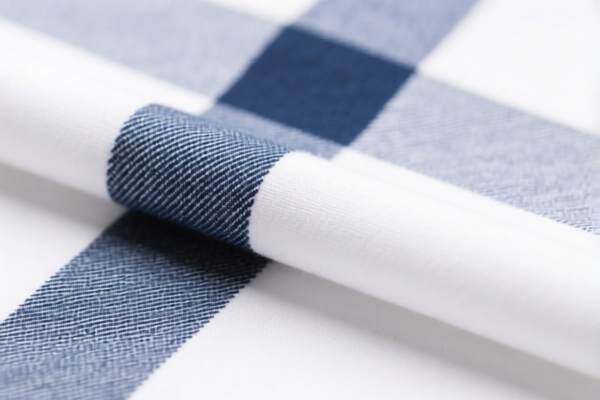
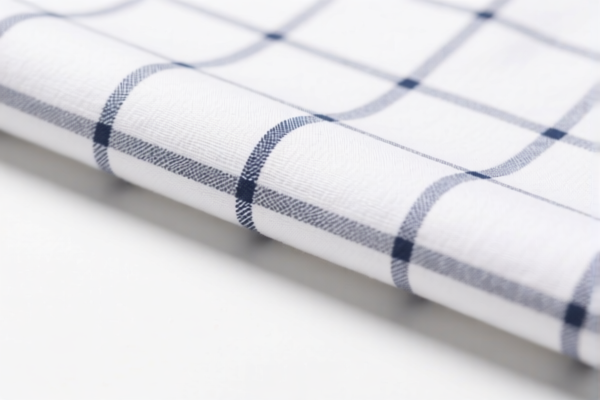
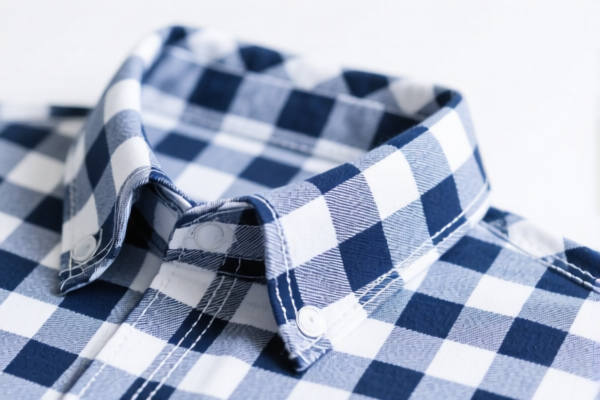
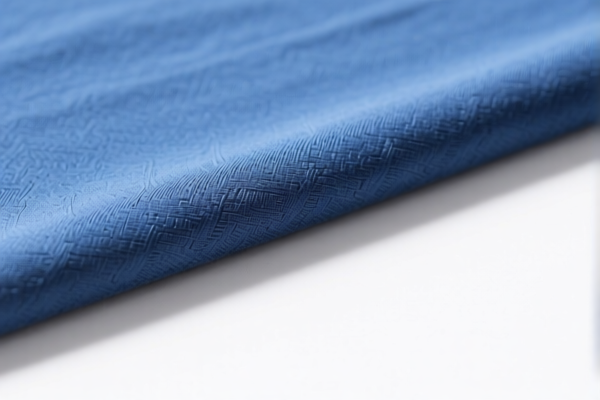
AI Analysis
🧱 High PVC Content Wall Cloth (Wallpaper/Decorative Fabric)
🌐 HS Code Reference & Customs Clearance Guide | 2026 Latest Tariff Analysis | Professional Clearance Strategy
📌 I. Product Definition & Classification: Do You Truly Understand "Wall Cloth"?
"High PVC Content Wall Cloth" is a decorative building material used for interior wall covering. In international trade, its classification hinges on the dominant material and structural composition. Is it a textile with a plastic coating, or a plastic sheet backed by textile? This distinction drastically changes the tariff burden.
⚠️ Key Distinction Point:
- If the textile base is dominant and PVC is merely a coating/laminae → Section XI (Textiles) (5911)
- If the plastic/PVC layer is dominant or it is treated as a paper/plastic wallpaper → Section XIVIX (Paper/Plastics) (4814or3921)
📦 II. HS Code Classification Details (2026 Latest Tariff Authority Comparison)
| HS Code | Product Description | Application Scenario | Core Material Logic |
|---|---|---|---|
3921.12.15.00 |
PVC Sheets/Films/Laminates combined with textile materials | PVC is the core/primary material; textile is secondary backing. | ✅ PVC Dominant |
4814.20.00.00 |
Wallpaper & similar wall coverings covered with plastic | Classified as wallpaper; surface has plastic (PVC) layer. | ✅ Plastic-Laminated Wallpaper |
4814.90.02.00 |
Other wall coverings, plastic-based | Broad category for plastic wall coverings not elsewhere specified. | ✅ Plastic Wall Covering |
5911.10.10.00 |
Textile fabrics coated/covered with synthetic resin (PVC) | Classified as textile; PVC is the coating material. | ✅ Textile Dominant |
5911.10.20.00 |
Textile fabrics coated/covered/laminated with rubber/other materials | Textile base with heavy PVC lamination/coating. | ✅ Textile Dominant |
🔍 Key Reminder:
- "Wall Cloth" (墙布) is often a marketing term. Customs look at the GRI 3(b) rule: "Essential character."
- If the product feels like fabric and is flexible like cloth → Likely 5911.
- If it feels like sheet/plastic or is rigid like vinyl wallpaper → Likely 3921 or 4814.
💰 III. 2026 Latest Tariff Rate Breakdown (Including Surtaxes & Policy Add-ons)
✅ Applicable Country: United States (US)
✅ Origin: China (CN)
✅ Effective Date: From November 10, 2025 (Including subsequent imports)
🎯 1. 3921.12.15.00 —— PVC Sheets/Films Combined with Textile
| Item | Content |
|---|---|
| Base Duty | 6.5% (Ad Valorem) |
| Section 301 Surtax | +25.0% (China-origin surcharge) |
| Section 122 Tariff | +10.0% (Specific trade provision) |
| Total Rate | 41.5% |
| Tax Calculation | CIF Value × 41.5% |
| De Minimis Exemption | ❌ Not Eligible (High tax rate excludes de minimis) |
| Legal Basis | Base 6.5% + Section 301 (25%) + Section 122 (10%) |
📌 Explanation:
- Classified under Chapter 39 (Plastics).
- High tariff reflects protectionist policies on Chinese plastic products.
- 41.5% is a significant cost factor; pricing strategy must account for this.
🎯 2. 4814.20.00.00 —— Wallpaper Covered with Plastic (PVC)
| Item | Content |
|---|---|
| Base Duty | 0.0% |
| Section 301 Surtax | +7.5% |
| Section 122 Tariff | +10.0% |
| Total Rate | 17.5% |
| Tax Calculation | CIF Value × 17.5% |
| De Minimis Exemption | ❌ Not Eligible (Due to Section 301 & 122) |
| Legal Basis | Base 0% + Section 301 (7.5%) + Section 122 (10%) |
📌 Explanation:
- Classified under Chapter 48 (Paper/Paperboard).
- Much lower tariff (17.5%) compared to plastic textiles.
- Key strategy: If the product can be legally argued as "Wallpaper" rather than "Textile," this code saves 24% in tariffs.
🎯 3. 4814.90.02.00 —— Other Plastic Wall Coverings
| Item | Content |
|---|---|
| Base Duty | 0.0% |
| Section 301 Surtax | +7.5% |
| Section 122 Tariff | +10.0% |
| Total Rate | 17.5% |
| Tax Calculation | CIF Value × 17.5% |
| De Minimis Exemption | ❌ Not Eligible |
| Legal Basis | Base 0% + Section 301 (7.5%) + Section 122 (10%) |
📌 Explanation:
- Similar to4814.20.00.00.
- Use this if the product doesn't fit the exact "Wallpaper" definition but is still a plastic-based wall covering.
- Same favorable rate as #2.
🎯 4. 5911.10.10.00 —— Textile Fabric Coated with Synthetic Resin (PVC)
| Item | Content |
|---|---|
| Base Duty | 2.9% |
| Section 301 Surtax | +25.0% |
| Section 122 Tariff | +10.0% |
| Total Rate | 37.9% |
| Tax Calculation | CIF Value × 37.9% |
| De Minimis Exemption | ❌ Not Eligible |
| Legal Basis | Base 2.9% + Section 301 (25%) + Section 122 (10%) |
📌 Explanation:
- Classified under Chapter 59 (Textiles).
- Higher tariff than paper-based (4814) but lower than pure plastic (3921).
- Reflects the textile nature of the "Wall Cloth."
🎯 5. 5911.10.20.00 —— Textile Fabric Coated/Laminated with Other Materials
| Item | Content |
|---|---|
| Base Duty | 3.8% |
| Section 301 Surtax | +25.0% |
| Section 122 Tariff | +10.0% |
| Total Rate | 38.8% |
| Tax Calculation | CIF Value × 38.8% |
| De Minimis Exemption | ❌ Not Eligible |
| Legal Basis | Base 3.8% + Section 301 (25%) + Section 122 (10%) |
📌 Explanation:
- Specific subheading for textiles with rubber/other material coatings (PVC falls here if not strictly "synthetic resin" coating in the narrower sense).
- Highest tariff among textile options (38.8%).
- Avoid if5911.10.10.00or4814codes are applicable.
🛠️ IV. Customs Clearance Practical Advice (Battle-Tested Pitfall Guide)
✅ 1. Preparation Checklist (Non-Negotiable)
| Document | Required | Explanation |
|---|---|---|
| ✅ Product Specification Sheet | ✔️ | Must detail: Base material (e.g., polyester, cotton), PVC content %, thickness, weight. |
| ✅ Cross-Section Photo | ✔️ | Visual proof of layer structure (Textile base + PVC coating vs. Plastic base + fabric backing). |
| ✅ Commercial Invoice | ✔️ | Clearly state: "High PVC Content Wall Cloth, Decorative Wall Covering." Avoid ambiguous terms. |
| ✅ HS Code Pre-Ruling (Optional but Recommended) | ✔️ | Crucial for borderline cases between 4814 and 5911. |
| ✅ Packaging List | ✔️ | Confirm no mixed HS codes in one shipment to avoid complex valuation. |
✅ 2. Declaration Strategy (Key Mantra)
🔥 "Paper Wins Low Tax, Textile Pays Premium, PVC Content is King!"
| Scenario | Recommended HS Code | Why? | Risk if Wrong |
|---|---|---|---|
| Product looks like Wallpaper | 4814.20.00.00 |
Lowest Tax (17.5%). Argue it's a "plastic-covered paper/wallpaper." | If Customs reclassify to 5911 → Pay ~20% more. |
| Product is clearly Fabric | 5911.10.10.00 |
Medium Tax (37.9%). Honest declaration for textile base. | If reclassified to 3921 → Pay ~4% more. |
| PVC is the Main Layer | 3921.12.15.00 |
Highest Tax (41.5%). Only use if PVC is dominant. | Overpaying if misclassified. |
| Avoid | 5911.10.20.00 |
Highest Tax (38.8%). Only if specific "other material" coating applies. | Unnecessary high cost. |
📌 Strategic Insight:
- If your product can be argued as "Wallpaper" (4814), you save ~20% in tariffs compared to Textile (5911) or Plastic (3921) codes.
- Prepare technical documents proving the paper/plastic base if possible.
✅ 3. Special Case Handling
| Scenario | Handling Advice |
|---|---|
| Mixed Shipment (Wall Cloth + Accessories) | Declare separately. Accessories may have different HS codes. Don't lump them under Wall Cloth. |
| OEM Custom Wall Cloth | Provide client design specs. Ensure material composition matches declaration. |
| Small Samples (De Minimis) | ❌ No De Minimis. Even $800 samples face 17.5%-41.5% tax. Budget accordingly. |
| Dispute on "Textile" vs "Plastic" | Provide a third-party lab test report showing PVC percentage and tensile strength. |
🌍 V. Global Market Clearance Comparison (2026 Latest)
| Country/Region | Recommended HS Code | Est. Total Tax (China Origin) | Certification | Notes |
|---|---|---|---|---|
| 🇺🇸 USA | 4814.20.00.00 |
17.5% | None specific | Lowest US Tax. Best for clearance. |
| 🇺🇸 USA | 5911.10.10.00 |
37.9% | None specific | High tax. Avoid if possible. |
| 🇪🇺 EU | 4814.20.00 |
~12-15% | CE (if applicable) | VAT applies separately (19-21%). |
| 🇨🇳 China | 4814.20.00 |
0% | None | Zero import duty for inbound. |
| 🇦🇺 Australia | 4814.20.00 |
5% | GEMS | Low tariff. |
📌 Conclusion:
- USA is the most complex market due to Section 301 & 122.
- Aim for4814classification in the US to minimize costs.
- EU and Australia have simpler, lower tariff structures for wall coverings.
📌 VI. Common Errors & Pitfall Guide (Lessons Learned)
❌ Error 1: Declaring "Wall Cloth" as 5911 when it's actually plastic-backed.
👉 Consequence: Overpayment if 4814 was applicable.
👉 Fix: Re-evaluate material hierarchy.
❌ Error 2: Declaring "Wallpaper" as 3921 when it's textile-based.
👉 Consequence: Underpayment risk if Customs audits and reclassifies to 5911 (37.9% vs 41.5% - wait, 5911 is lower than 3921! But 4814 is best).
👉 Fix: Accurate material testing.
❌ Error 3: Ignoring Section 122 Tariff.
👉 Consequence: Unexpected 10% charge on all entries.
👉 Fix: Include in cost calculation from Day 1.
❌ Error 4: Claiming De Minimis for small samples.
👉 Consequence: Shipment held at customs, fees charged.
👉 Fix: Pay duties on samples.
✅ Correct Declaration Example:
"PVC-Coated Decorative Wall Covering, 100% Polyester Base with 0.5mm PVC Surface, for Interior Wall Decoration, Roll 10m x 1.5m."
🎯 VII. Conclusion: Professional Declaration, Cost Savings, Risk Reduction
🎯 Remember the Mantra:
🔹 "Paper is King (17.5%), Textile is Middle (38%), Plastic is Most (41.5%)."
🔹 "HS Code decides tax, 24% difference is huge, wrong code means heavy penalty."
📌 Pro Tip:
- If your supplier can provide a paper-based version of the wall cloth (even with PVC coating), it qualifies for 4814 (17.5%).
- Always request a material composition certificate from the factory.
- Consider Advance Ruling with US CBP if importing large volumes to lock in the 17.5% rate.
📣 Take Action Now:
📞 Consult a licensed customs broker + Provide product photos + Request material test report
🚀 Ensure your Wall Cloth clears smoothly, minimizes tax, and maximizes profit!
✨ Professional Clearance Starts with Precise Classification!
💼 Every dollar of tariff saved is pure profit!
Customer Reviews
About HS Code Classification
The Harmonized System (HS) is an internationally standardized nomenclature developed by the World Customs Organization (WCO) to classify traded products. Over 200 countries use the HS system as the basis for customs tariffs, trade statistics, and import/export regulations.
Each HS code follows a hierarchical structure:
- Chapter (2 digits) — Broad category of goods (e.g., Chapter 84: Machinery and Mechanical Appliances)
- Heading (4 digits) — More specific grouping within the chapter
- Subheading (6 digits) — Internationally standardized breakdown, used by all WCO member countries
- National subdivisions (8-10 digits) — Country-specific extensions for further classification, such as US HTSUS 10-digit codes
Correct HS code classification is essential for smooth customs clearance, accurate duty payment, and compliance with trade regulations. Misclassification can lead to customs delays, overpayment of duties, or penalties.
When importing from CN to US, the applicable tariff rates may include:
- Most-Favored-Nation (MFN) rate — The standard duty rate applied to WTO members
- General rate — Applied to countries without trade agreements
- Trade remedy duties — Additional tariffs such as Section 301 (anti-dumping), Section 232 (national security), or countervailing duties
The information provided on this page is for reference purposes only. For official classification, please consult with your local customs authority or a licensed customs broker.