High Performance Car Inner Tube
CN → US| HS Code | Tariff Rate | Origin | Destination | Doc |
|---|---|---|---|---|
| 4016996010 | 37.5% | CN | US | Official Doc |
| 4013100020 | 38.7% | CN | US | Official Doc |
| 4016993550 | 35.0% | CN | US | Official Doc |
| 4011201015 | 39.0% | CN | US | Official Doc |
| 4011205020 | 38.4% | CN | US | Official Doc |
Product Images
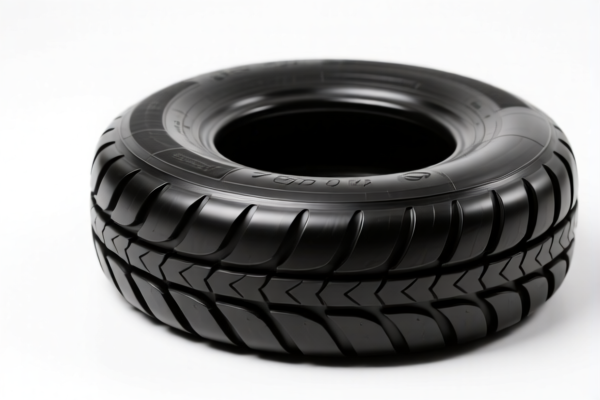
AI Analysis
🚗 High Performance Car Inner Tube
🌐 HS Code Reference & Customs Clearance Guide | 2026 Latest Tariff Analysis | Professional Clearance Strategy
📌 I. Product Definition and Classification: Do You Really Understand "Car Inner Tubes"?
Inner tubes for high-performance vehicles are flexible rubber rings inserted inside pneumatic tires to retain air pressure. In international trade, they are classified under Chapter 40 (Rubber and Articles Thereof). The classification depends heavily on whether they are considered parts of tires (Heading 4013) or general rubber articles (Heading 4016).
⚠️ Key Distinction Point:
- If the product is specifically designed as a functional component of a tire (retaining air, sealing against the rim) → Generally falls under 4013 (Inner Tubes).
- If classified as a general rubber artifact not specifically identified as a tire part → Falls under 4016 (Other Rubber Articles).
📦 II. HS Code Classification Details (2026 Latest Tariff Authority对照)
Based on the provided data, here are the specific HS Codes and their matching logic:
| HS Code | Product Description | Matching Logic | Total Tax Rate (China Origin → US) |
|---|---|---|---|
4016.99.60.10 |
Other Rubber Articles | "Inner tube" is inferred as a vulcanized rubber product; "Truck" implies automotive use. Fits "Other Vulcanized Rubber Articles." | 37.5% |
4013.10.00.20 |
Inner Tubes of a Kind Used on Bicycles or Motor Vehicles | "Truck" matches usage; "Inner Tube" matches form; inferred material is rubber. Fully fits material, form, and usage requirements. | 38.7% |
4016.99.35.50 |
Other Rubber Articles | Material inferred as vulcanized rubber (natural/synthetic). Not a specific "rubber band," fits "Other Natural Rubber Articles" logic. | 35.0% |
4011.20.10.15 |
New Pneumatic Tyres, of a Kind Used on Motor Cars | Material inferred as rubber; form/usage fits "Radial/Highway Use" for trucks. Falls under "Other" category if not light trucks. | 39.0% |
4011.20.50.20 |
New Pneumatic Tyres, of a Kind Used on Motor Cars | Material fits (rubber); usage fits (truck); form fits (inner tube as part of tire). | 38.4% |
🔍 Critical Note:
-4013.10.00.20is the most direct classification for inner tubes used on vehicles. -4016.99.xxxxcodes classify them as "Other Rubber Articles," which may apply if the customs authority does not view them strictly as tire components. -4011.20.xxxxtypically refers to outer tires, so classification here implies a potential misclassification or specific structural interpretation (inner tube treated as part of the tire assembly). Caution is advised with these codes.
💰 III. 2026 Latest Tariff Rate Breakdown (Including Surcharges & Policy Add-ons)
✅ Applicable Country: United States (US)
✅ Origin: China (CN)
✅ Effective Time: From November 10, 2025 (Including subsequent imports)
🎯 1. 4016.99.60.10 – Other Rubber Articles
| Item | Content |
|---|---|
| Base Tariff | 2.5% |
| Section 301 Surcharge | +25.0% |
| Section 122 Surcharge | +10.0% |
| Total Rate | 37.5% |
| Calculation Basis | CIF Value × 37.5% |
| De Minimis Exemption | ❌ Not Eligible |
| Legal Path | USITC:4016.99.60.10 → Section 301: 25% → Section 122: 10% |
📌 Explanation:
- Base 2.5%: Standard Most Favored Nation (MFN) rate for other rubber articles.
- Section 301 (25%): Additional tariff imposed on Chinese goods under Trade Act Section 301.
- Section 122 (10%): Additional tariff under Section 122 of the Trade Expansion Act of 1962 (national security/import relief).
- Total: 37.5%
🎯 2. 4013.10.00.20 – Inner Tubes for Vehicles
| Item | Content |
|---|---|
| Base Tariff | 3.7% |
| Section 301 Surcharge | +25.0% |
| Section 122 Surcharge | +10.0% |
| Total Rate | 38.7% |
| Calculation Basis | CIF Value × 38.7% |
| De Minimis Exemption | ❌ Not Eligible |
| Legal Path | USITC:4013.10.00.20 → Section 301: 25% → Section 122: 10% |
📌 Explanation:
- Base 3.7%: Standard rate for inner tubes of bicycles/motor vehicles.
- Section 301 (25%): Additional tariff under Section 301.
- Section 122 (10%): Additional tariff under Section 122.
- Total: 38.7% – This is the highest base rate among the options but the most technically accurate for "inner tubes."
🎯 3. 4016.99.35.50 – Other Rubber Articles
| Item | Content |
|---|---|
| Base Tariff | 0.0% |
| Section 301 Surcharge | +25.0% |
| Section 122 Surcharge | +10.0% |
| Total Rate | 35.0% |
| Calculation Basis | CIF Value × 35.0% |
| De Minimis Exemption | ❌ Not Eligible |
| Legal Path | USITC:4016.99.35.50 → Section 301: 25% → Section 122: 10% |
📌 Explanation:
- Base 0.0%: Zero base tariff for this specific subheading of rubber articles.
- Section 301 (25%) & Section 122 (10%): Still fully applicable.
- Total: 35.0% – Lowest total rate, but only if the HS code is correctly accepted for your specific inner tube.
🎯 4. 4011.20.10.15 – New Pneumatic Tyres
| Item | Content |
|---|---|
| Base Tariff | 4.0% |
| Section 301 Surcharge | +25.0% |
| Section 122 Surcharge | +10.0% |
| Total Rate | 39.0% |
| Calculation Basis | CIF Value × 39.0% |
| De Minimis Exemption | ❌ Not Eligible |
| Legal Path | USITC:4011.20.10.15 → Section 301: 25% → Section 122: 10% |
📌 Warning:
- 4011 is primarily for outer tires. Using this code for inner tubes may lead to misclassification penalties.
- Total: 39.0% – Highest base rate + surcharges.
🎯 5. 4011.20.50.20 – New Pneumatic Tyres
| Item | Content |
|---|---|
| Base Tariff | 3.4% |
| Section 301 Surcharge | +25.0% |
| Section 122 Surcharge | +10.0% |
| Total Rate | 38.4% |
| Calculation Basis | CIF Value × 38.4% |
| De Minimis Exemption | ❌ Not Eligible |
| Legal Path | USITC:4011.20.50.20 → Section 301: 25% → Section 122: 10% |
📌 Warning:
- Same as above: 4011 is for outer tires. Misclassification risk is high.
- Total: 38.4%
🛠️ IV. Customs Clearance Practical Advice (Pitfall Avoidance Guide)
✅ 1. Required Documentation Checklist
| Document | Required | Notes |
|---|---|---|
| ✅ Product Specification Sheet | ✔️ | Must specify: Material (Vulcanized Rubber), Usage (Car/Truck Inner Tube), Size. |
| ✅ Product Photos | ✔️ | Clear images of the inner tube, valve stem, and packaging. |
| ✅ Commercial Invoice | ✔️ | Accurate description: "Inner Tube for Automotive Tires, Vulcanized Rubber." |
| ✅ Packing List | ✔️ | Weight and dimensions of each package. |
| ✅ Certificate of Origin | ✔️ | If applicable, to verify China origin (triggering surcharges). |
✅ 2. Declaration Tips (Key Mantras)
🔥 "Describe Accurately, Don't Mislead, Classify Correctly, Avoid Penalties!"
| Scenario | Correct Declaration | Incorrect Declaration |
|---|---|---|
| Inner Tube | 4013.10.00.20 (Inner Tubes) |
4011.20.xxxx (Tires) → Misclassification Risk |
| Inner Tube | 4016.99.35.50 (Other Rubber) |
4013.10.00.20 → Higher Tax (38.7% vs 35.0%) |
| Inner Tube | 4016.99.60.10 (Other Rubber) |
4016.99.35.50 → Higher Tax (37.5% vs 35.0%) |
📌 Strategy:
- Lowest Tax Option:4016.99.35.50at 35.0%. However, this requires convincing customs that the item is a "general rubber article" and not a "tire part."
- Most Accurate Option:4013.10.00.20at 38.7%. This is the standard classification for inner tubes.
- Avoid:4011.20.xxxxunless the product is actually an outer tire. Misclassifying inner tubes as tires can lead to severe penalties.
✅ 3. Special Handling Cases
| Case | Recommendation |
|---|---|
| OEM Custom Inner Tubes | Provide customer order + design specs to prove specific use. |
| Mixed Shipments (Tires + Inner Tubes) | Declare separately. Do not bundle under one HS Code. |
| High-Performance Racing Tubes | May require additional technical data to prove material composition. |
| Pre-Export Inspection | Consider obtaining an Advance Ruling from CBP if the classification is disputed. |
🌍 V. Global Market Clearance Comparison (2026 Latest)
| Country/Region | Recommended HS Code | Tariff | Certification | Notes |
|---|---|---|---|---|
| 🇺🇸 USA | 4013.10.00.20 |
38.7% | No specific cert | Highest accuracy, but higher tax. |
| 🇺🇸 USA | 4016.99.35.50 |
35.0% | No specific cert | Lower tax, but higher classification risk. |
| 🇨🇳 China | 4013.10.00.00 |
~5% | CCC (if applicable) | Lower base tariffs globally. |
| 🇪🇺 EU | 4013.10.00 |
0% | CE/RoHS | No additional surcharges like US. |
| 🇯🇵 Japan | 4013.10.00 |
0-5% | PSE | No additional surcharges. |
📌 Conclusion:
- USA has the highest landed cost due to Section 301 and Section 122 surcharges.
- EU and Japan offer significantly lower total tariffs for similar products.
- Strategic Shift: If possible, consider sourcing from non-China origins to avoid 35%+ surcharges in the US.
📌 VI. Common Mistakes & Pitfall Guide (Lessons Learned)
❌ Mistake 1: Classifying Inner Tubes as Tires (4011)
👉 Consequence: High penalty risk, potential seizure. Inner tubes are not pneumatic tires.
❌ Mistake 2: Using 4016.99.35.50 without proper documentation
👉 Consequence: Customs may reclassify to 4013.10.00.20, leading to back taxes + interest.
❌ Mistake 3: Ignoring Section 122 and 301 surcharges
👉 Consequence: Underestimation of landed cost by 35%+.
❌ Mistake 4: Vague Description "Rubber Tube"
👉 Consequence: Customs delay, request for additional info, potential audit.
✅ Correct Practice:
"Inner Tube, Vulcanized Rubber, for High-Performance Car Tires, Size 205/55R16, with Brass Valve Stem"
🎯 VII. Conclusion: Professional Declaration, Time-Saving, Cost-Efficient!
🎯 Remember the Mantras:
🔹 "Inner Tubes are NOT Tires (4011 vs 4013)."
🔹 "Lowest Tax (35%) has highest risk; Highest Accuracy (38.7%) is safest."
🔹 "US Importers: Prepare for 35-39% Total Tariffs."
📌 Pro Tip:
If your inner tubes are sourced from Vietnam, Thailand, or Mexico, you may be eligible for IEEPA Exemptions or lower tariffs.
Recommend Advance Ruling for high-value shipments to mitigate classification risks.
📣 Immediate Action:
📞 Contact a professional customs broker + Provide product specs + Request HS Code Advance Ruling
🚀 Ensure smooth clearance, efficient export, and optimized profits!
✨ Professional Clearance Starts with Accurate Classification!
💼 Every cent of cost deserves precise calculation!
Customer Reviews
About HS Code Classification
The Harmonized System (HS) is an internationally standardized nomenclature developed by the World Customs Organization (WCO) to classify traded products. Over 200 countries use the HS system as the basis for customs tariffs, trade statistics, and import/export regulations.
Each HS code follows a hierarchical structure:
- Chapter (2 digits) — Broad category of goods (e.g., Chapter 84: Machinery and Mechanical Appliances)
- Heading (4 digits) — More specific grouping within the chapter
- Subheading (6 digits) — Internationally standardized breakdown, used by all WCO member countries
- National subdivisions (8-10 digits) — Country-specific extensions for further classification, such as US HTSUS 10-digit codes
Correct HS code classification is essential for smooth customs clearance, accurate duty payment, and compliance with trade regulations. Misclassification can lead to customs delays, overpayment of duties, or penalties.
When importing from CN to US, the applicable tariff rates may include:
- Most-Favored-Nation (MFN) rate — The standard duty rate applied to WTO members
- General rate — Applied to countries without trade agreements
- Trade remedy duties — Additional tariffs such as Section 301 (anti-dumping), Section 232 (national security), or countervailing duties
The information provided on this page is for reference purposes only. For official classification, please consult with your local customs authority or a licensed customs broker.