High Performance Radial Passenger Car Tires 17 18 Inch
CN → US| HS Code | Tariff Rate | Origin | Destination | Doc |
|---|---|---|---|---|
| 4011101060 | 39.0% | CN | US | Official Doc |
| 4011101070 | 39.0% | CN | US | Official Doc |
| 8708704560 | 37.5% | CN | US | Official Doc |
| 4011101070 | 39.0% | CN | US | Official Doc |
| 4011101060 | 39.0% | CN | US | Official Doc |
Product Images
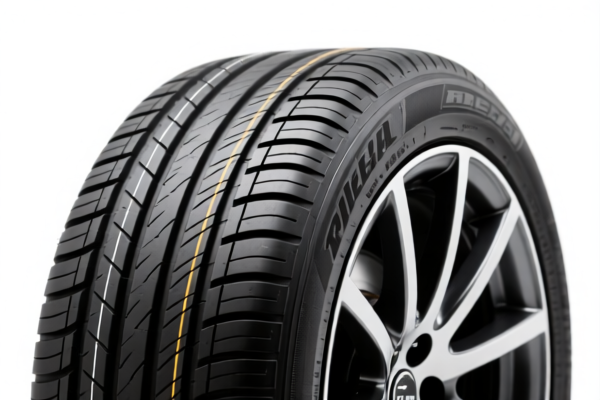
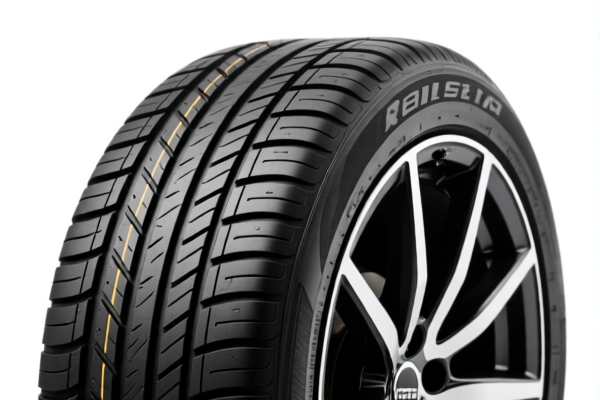
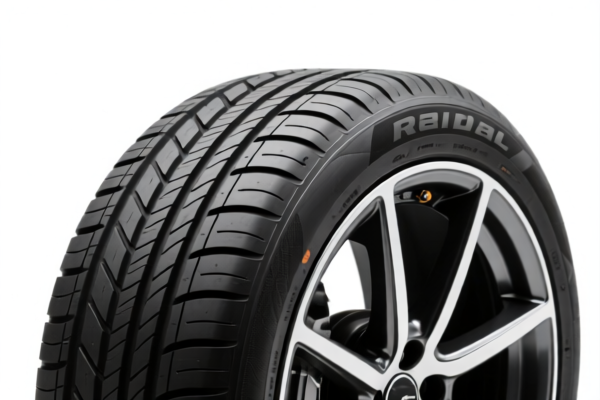
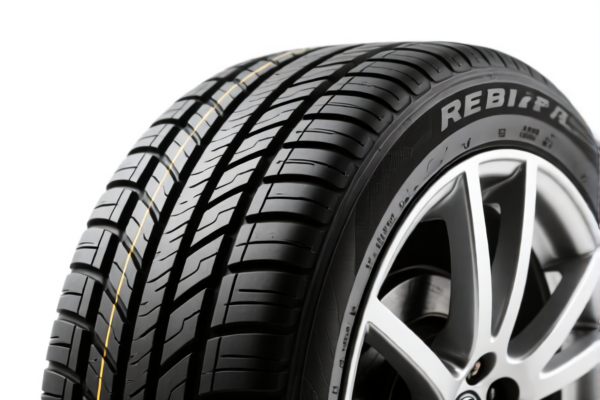
AI Analysis
🏎️ High Performance Radial Passenger Car Tires (17-18 Inch)
🌐 HS Code Reference & Customs Clearance Guide | 2026 Latest Tariff Analysis | Professional Clearance Strategy
📌 I. Product Definition & Classification: Do You Truly Understand "High-Performance Tires"?
High-performance radial passenger car tires are premium automotive components designed for superior handling, braking, and stability at higher speeds. In international trade, they are strictly classified based on rim diameter and construction type.
Radial Construction: The cord threads are arranged radially across the tire (90° to the direction of travel), offering better fuel efficiency and wear resistance compared to bias-ply tires. Passenger Car Use: Specifically designed for sedans, SUVs, and crossovers, not for trucks, buses, or racing vehicles (which have different HS codes). Size Specificity: The 17-inch and 18-inch specifications are critical determinants for tariff classification, falling into specific sub-categories based on rim diameter thresholds.
⚠️ Key Distinction Point:
- 17-18 Inch Tires: Fall under the category where the rim diameter is between 43.18 cm and 45.72 cm.
- 18+ Inch Tires: If the tire is 18 inches or larger, it may fall into the category for rim diameters greater than 45.72 cm.
- Racing Tires: If the tires are specifically for "racing cars" (e.g., Formula 1, NASCAR), they are classified differently (HS 8708.70.45.60), not as standard passenger car tires.
📦 II. HS Code Classification Details (2026 Latest Tariff Authority Comparison)
| HS Code | Product Description | Application Scenario | Rim Diameter Range |
|---|---|---|---|
4011.10.10.60 |
Radial passenger car tires, 17-18 inch, rubber material | Standard high-performance tires for sedans/SUVs; fits specific rim diameters | 43.18 cm – 45.72 cm |
4011.10.10.70 |
Radial passenger car tires, 18 inch and above, rubber material | High-performance tires for larger rims; fits diameter > 45.72 cm | > 45.72 cm |
8708.70.45.60 |
Radial tires for racing vehicles, part of vehicle wheels | Racing-specific tires (e.g., track day, professional racing) | N/A (Racing Classification) |
🔍 Key Reminder:
- "High Performance" in the product name does not automatically change the HS code; the rim diameter and vehicle type (passenger vs. racing) are the primary classifiers. - If the product is marketed as "High Performance" but is actually used in racing competitions, it must be declared as HS8708.70.45.60to avoid misclassification penalties. - Ensure the inch measurement is accurate: 17-18 inches typically maps to4011.10.10.60, while 18+ inches may trigger4011.10.10.70depending on the exact rim diameter threshold (>45.72 cm).
💰 III. 2026 Latest Tariff Rate Breakdown (Including Additional Duties & Policy Surcharges)
✅ Applicable Country: United States (US)
✅ Country of Origin: China (CN)
✅ Effective Date: From November 10, 2025 (including subsequent imports)
🎯 1. 4011.10.10.60 —— High-Performance Radial Passenger Car Tires (17-18 Inch)
| Item | Content |
|---|---|
| Base Tariff Rate | 4.0% (ad valorem) |
| Section 301 Additional Tariff | +25.0% |
| Section 122 Tariff | +10.0% |
| Total Tariff Rate | 39.0% |
| Tax Calculation | CIF Value × 39.0% |
| De Minimis Exemption Eligibility | ❌ Not Eligible (deny_de_minimis) |
| Legal Basis Path | USITC:4011.10.10.60 → Section 301: 25% → Section 122: 10% |
📌 Explanation:
- The 4.0% base rate is the standard MFN (Most Favored Nation) tariff for radial passenger tires. - The 25% Section 301 tariff is a penalty imposed on Chinese goods under US Trade Act Section 301. - The 10% Section 122 tariff applies to specific goods under the International Emergency Economic Powers Act (IEEPA). - Total 39% is a very high tariff, significantly impacting profit margins. Must be factored into pricing strategies.
🎯 2. 4011.10.10.70 —— High-Performance Radial Passenger Car Tires (18 Inch and Above)
| Item | Content |
|---|---|
| Base Tariff Rate | 4.0% (ad valorem) |
| Section 301 Additional Tariff | +25.0% |
| Section 122 Tariff | +10.0% |
| Total Tariff Rate | 39.0% |
| Tax Calculation | CIF Value × 39.0% |
| De Minimis Exemption Eligibility | ❌ Not Eligible (deny_de_minimis) |
| Legal Basis Path | USITC:4011.10.10.70 → Section 301: 25% → Section 122: 10% |
📌 Note:
- The tariff structure is identical to the 17-18 inch category. - The distinction lies solely in the rim diameter: >45.72 cm vs. 43.18–45.72 cm. - Misclassification between these two codes due to inaccurate inch-to-cm conversion can lead to customs audits.
🎯 3. 8708.70.45.60 —— Racing Radial Tires (Component of Vehicle Wheels)
| Item | Content |
|---|---|
| Base Tariff Rate | 2.5% (ad valorem) |
| Section 301 Additional Tariff | +25.0% |
| Section 122 Tariff | +10.0% |
| Total Tariff Rate | 37.5% |
| Tax Calculation | CIF Value × 37.5% |
| De Minimis Exemption Eligibility | ❌ Not Eligible (deny_de_minimis) |
| Legal Basis Path | USITC:8708.70.45.60 → Section 301: 25% → Section 122: 10% |
📌 Critical Distinction:
- This code is strictly for racing tires. If your "high performance" tires are sold for street use (even if they are high-end), they must not be declared under this code. - Misclassifying street tires as racing tires is considered fraudulent misdeclaration. - The total rate is slightly lower (37.5% vs. 39.0%) due to a lower base rate (2.5% vs. 4.0%), but the risk of audit is extremely high.
🛠️ IV. Customs Clearance Practical Advice (实战避坑指南)
✅ 1. Preparation Checklist (All Required)
| Document | Required | Explanation |
|---|---|---|
| ✅ Product Specification Sheet | ✔️ | Must include: Size (e.g., 245/45R18), Load Index, Speed Rating, Rim Diameter, Material (Rubber). |
| ✅ Product Photos (Including Label) | ✔️ | Clear image of the tire sidewall showing the DOT code, size, and brand. |
| ✅ Commercial Invoice | ✔️ | Must specify: "Radial Passenger Car Tire, High Performance," and exact HS Code. |
| ✅ Packing List | ✔️ | Show quantity per carton, total weight, and dimensions. |
| ✅ Certificate of Origin (CO) | ✔️ | If applicable for any potential exemptions (though unlikely for China origin). |
| ✅ Third-Party Testing Report | ✔️ | DOT certification, UTQG rating, or performance test results (if requested by customs). |
✅ 2. Declaration Tips (Key Mnemonic)
🔥 "Size Matters, Racing vs. Street, Don't Guess, Get It Right!"
| Scenario | Correct Declaration | Wrong Practice |
|---|---|---|
| 17-18 Inch Street Tires | 4011.10.10.60 |
Misclassifying as 18+ → 4011.10.10.70 |
| 18+ Inch Street Tires | 4011.10.10.70 |
Misclassifying as 17-18 → 4011.10.10.60 |
| Racing Tires | 8708.70.45.60 |
Misclassifying as Passenger → 4011.10.10.xx |
| Bias-Ply Tires | Different HS Code | Declaring as "Radial" → Penalty |
📌 Important:
- Do not use vague terms like "Car Tires." Use precise descriptions: "Radial Passenger Car Tire, 18 Inch, Rubber." - Rim Diameter Conversion: 1 inch = 2.54 cm. 18 inches = 45.72 cm. If the rim diameter is exactly 45.72 cm, it falls into the 4011.10.10.60 category (up to 45.72 cm). If it is greater than 45.72 cm, it falls into 4011.10.10.70.
✅ 3. Special Cases Handling
| Scenario | Handling Advice |
|---|---|
| OEM Custom Tires | Provide customer orders and design specs. Ensure the "Passenger Car" designation is clear. |
| Tires with TPMS (Tire Pressure Monitoring System) | Declare as "Tire with TPMS." The tire itself is classified under HS 4011.10.10.xx. |
| Tires for Electric Vehicles (EVs) | Still classified under HS 4011.10.10.xx if for passenger cars. No special tariff change. |
| Racing Tires | Provide proof of use (e.g., race series contracts, non-street-legal designation) to justify HS 8708.70.45.60. |
🌍 V. Global Market Customs Comparison (2026 Latest)
| Country/Region | Recommended HS Code | Tariff Rate | Certification Required | Notes |
|---|---|---|---|---|
| 🇺🇸 USA | 4011.10.10.60 / 4011.10.10.70 |
39.0% | DOT, UTQG | High tariffs due to Section 301 & 122 |
| 🇨🇳 China | 4011.10.10.60 / 4011.10.10.70 |
5% - 10% | CCC (if applicable) | Lower tariffs for domestic trade |
| 🇪🇺 EU | 4011.10.10.60 / 4011.10.10.70 |
0% - 4.5% | E-Mark, REACH | No Section 301/122 tariffs |
| 🇬🇧 UK | 4011.10.10.60 / 4011.10.10.70 |
0% - 4.5% | UKCA, REACH | Post-Brexit trade agreements may apply |
| 🇦🇺 Australia | 4011.10.10.60 / 4011.10.10.70 |
5% | ECE, ADR | No Section 301/122 tariffs |
📌 Conclusion:
- The USA is the only major market imposing extremely high additional tariffs (39%) on Chinese tires. - China-origin tires are heavily impacted by US trade policies. Consider supply chain diversification if targeting the US market.
📌 VI. Common Errors & Pitfalls (Blood-Stained Lessons)
❌ Error 1: Misclassifying 18-inch tires as 17-18 inch
👉 Consequence: If the rim diameter is >45.72 cm, using 4011.10.10.60 is incorrect. While the tariff rate is the same, it may trigger an audit for inconsistency in size declaration.
❌ Error 2: Declaring "High Performance" street tires as "Racing Tires" (8708.70.45.60)
👉 Consequence: Customs will require proof of racing use. If none is provided, the shipment will be detained, and penalties will be imposed. The 1.5% tariff difference is not worth the risk.
❌ Error 3: Using "Rubber Tire" as the product name without specifying "Radial" or "Passenger"
👉 Consequence: Customs may classify under a default higher duty rate or reject the declaration for lack of specificity.
❌ Error 4: Ignoring Section 122 and 301 tariffs in pricing
👉 Consequence: Profit margins will be wiped out by the 35% additional duties.
✅ Correct Practice:
"Radial Passenger Car Tire, Size 245/45R18, 100V Load Index, Rubber Material, High Performance, DOT Certified, Model XYZ"
🎯 VII. Conclusion: Precision in Classification, Savings in Clearance!
🎯 Remember the Mnemonic:
🔹 "Street vs. Racing, Size Matters. 39% for US, 37.5% for Race. Don't Guess, Get It Right!"
🔹 "HS Code Determines Fate, 39% is the Cost, Declaration Accuracy Saves Millions!"
📌 Pro Tip:
- If your tires are originating from Vietnam, Mexico, Thailand, or Malaysia, you may apply for IEEPA Exemptions or Section 301 Exclusions, reducing tariffs to 0% - 5%.
- It is highly recommended to apply for an Advance Ruling with US Customs and Border Protection (CBP) before shipping to avoid clearance risks.
📣 Take Immediate Action:
📞 Contact a Professional Customs Broker + Provide Product Specs + Apply for HS Code Advance Ruling
🚀 Ensure Smooth Clearance, Efficient Global Trade, and Maximized Profits!
✨ Professional Clearance Begins with Accurate Classification!
💼 Every Penny of Your Cost Deserves Precise Calculation!
Customer Reviews
About HS Code Classification
The Harmonized System (HS) is an internationally standardized nomenclature developed by the World Customs Organization (WCO) to classify traded products. Over 200 countries use the HS system as the basis for customs tariffs, trade statistics, and import/export regulations.
Each HS code follows a hierarchical structure:
- Chapter (2 digits) — Broad category of goods (e.g., Chapter 84: Machinery and Mechanical Appliances)
- Heading (4 digits) — More specific grouping within the chapter
- Subheading (6 digits) — Internationally standardized breakdown, used by all WCO member countries
- National subdivisions (8-10 digits) — Country-specific extensions for further classification, such as US HTSUS 10-digit codes
Correct HS code classification is essential for smooth customs clearance, accurate duty payment, and compliance with trade regulations. Misclassification can lead to customs delays, overpayment of duties, or penalties.
When importing from CN to US, the applicable tariff rates may include:
- Most-Favored-Nation (MFN) rate — The standard duty rate applied to WTO members
- General rate — Applied to countries without trade agreements
- Trade remedy duties — Additional tariffs such as Section 301 (anti-dumping), Section 232 (national security), or countervailing duties
The information provided on this page is for reference purposes only. For official classification, please consult with your local customs authority or a licensed customs broker.