High Purity Graphite Electrode Paste
CN → US| HS Code | Tariff Rate | Origin | Destination | Doc |
|---|---|---|---|---|
| 3801300000 | 39.9% | CN | US | Official Doc |
| 3801105090 | 35.0% | CN | US | Official Doc |
| 6903100000 | 35.0% | CN | US | Official Doc |
| 6903900050 | 35.0% | CN | US | Official Doc |
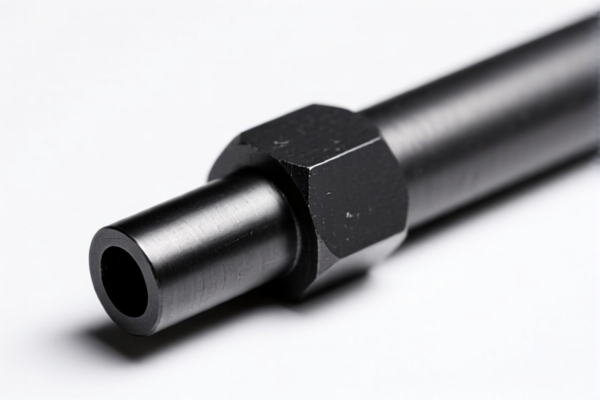
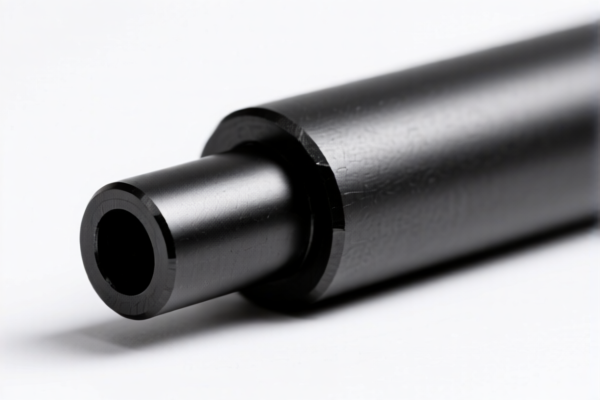
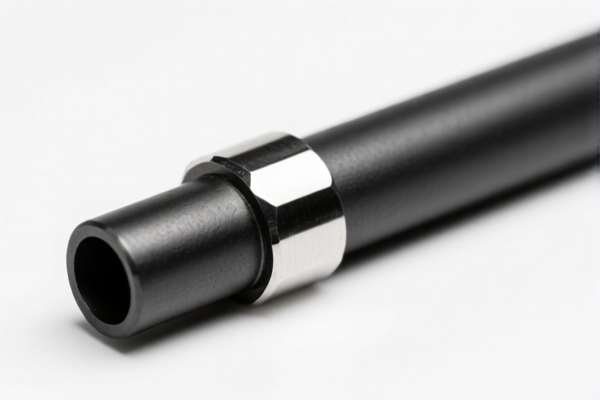
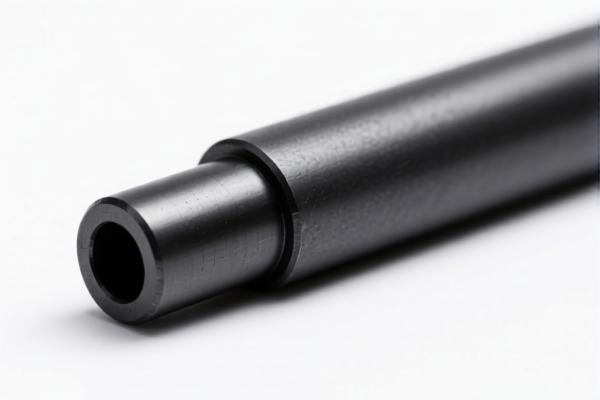
Product Images
AI Analysis
🌑 High Purity Graphite Electrode Paste (Refractory Carbon Material)
🌐 HS Code Classification & Customs Clearance Guide | 2026 Tariff Analysis | Strategic Compliance for Carbon Products
📌 Part 1: Product Definition & Classification Logic
High Purity Graphite Electrode Paste is a critical consumable in the production of graphite electrodes and as a lining material for furnaces. It is a semi-solid mixture of calcined petroleum coke or needle coke (aggregate) and coal tar pitch (binder).
In international trade, its classification depends on its primary function and material composition: 1. As a Binder/Mix for Electrodes: If used specifically to form the green body of graphite electrodes before graphitization, it falls under "Carbonaceous pastes for electrode making." 2. As a Refractory Lining Material: If used as a patching material or lining for industrial furnaces, it may fall under "Other refractory ceramic constructions."
⚠️ Key Distinction:
- If the product is explicitly labeled and used for electrode formation →归入 3801.30.00.00
- If the product is a generic artificial graphite or refractory ceramic lining material →归入 6903.10.00.00 or 6903.90.00.50
📦 Part 2: HS Code Classification Details (2026 Latest Tariff Reference)
Based on the provided data, here are the specific HS Codes and their corresponding tax implications for High Purity Graphite Electrode Paste imported into the United States from China.
| HS Code | Product Description | Applicable Scenario | Tax Detail Breakdown |
|---|---|---|---|
3801.30.00.00 |
Carbonaceous pastes for electrode making (or similar pastes for furnace linings) |
Specifically used for forming graphite electrodes or matching electrode pastes. High purity pitch-based paste. | Total Tax: 39.9% - Base: 4.9% - Section 301: 25.0% - Section 122: 10.0% |
3801.10.50.90 |
Other artificial graphite articles (Catch-all for artificial graphite) |
If classified broadly as "artificial graphite" rather than "paste for electrodes." | Total Tax: 35.0% - Base: 0.0% - Section 301: 25.0% - Section 122: 10.0% |
6903.10.00.00 |
Refractory ceramic goods of graphite (High free carbon content) |
Classified as a refractory material due to high free carbon content, suitable for furnace linings. | Total Tax: 35.0% - Base: 0.0% - Section 301: 25.0% - Section 122: 10.0% |
6903.90.00.50 |
Other refractory ceramic goods (Non-clay based) |
Classified as a non-clay refractory ceramic product, fitting industrial consumables形态. | Total Tax: 35.0% - Base: 0.0% - Section 301: 25.0% - Section 122: 10.0% |
🔍 Critical Insight:
- HS Code3801.30.00.00is the most accurate classification if the paste is specifically intended for electrode manufacturing. It carries a higher base tariff (4.9%) compared to the refractory categories (0% base), but the Section 301 (25%) and Section 122 (10%) add-ons are consistent across all codes. - HS Codes6903.xxand3801.10.50.90have a 0% base tariff, resulting in a slightly lower total effective rate (35.0% vs 39.9%). However, misclassification can lead to significant customs penalties. - Section 122 Tariff (10%): This is a recent addition targeting specific Chinese carbon/graphite products, applicable to all listed HS Codes in this dataset.
💰 Part 3: 2026 Tariff Rate Detail Explanation
✅ Applicable Country: United States (US)
✅ Origin: China (CN)
✅ Effective Date: Current tariffs include Section 301 and Section 122 levies.
🎯 1. 3801.30.00.00 — Carbonaceous Pastes for Electrode Making (Most Precise)
| Item | Details |
|---|---|
| Base Tariff | 4.9% (Ad Valorem) |
| Section 301 Tariff (Footnote 9903.88.01) | +25% (Trade Act of 1974, Section 301) |
| Section 122 Tariff (IEEPA) | +10% (Targeting Chinese Carbon/Graphite Products) |
| Total Effective Rate | 39.9% |
| Calculation Basis | CIF Value × 39.9% |
| De Minimis Exemption | ❌ NOT Available |
| Legal Path | IEEPA:9903.01.25 → USITC:3801.30.00.00 → FOOTNOTE:9903.88.01 |
📌 Explanation:
- This code is the most specific for "electrode paste."
- The 4.9% base rate is higher than refractory ceramics, but the 35% total (3801.10/6903) vs 39.9% total (3801.30) difference is small (~4.9%).
- Risk: If customs determines the product is not specifically for electrodes but for general furnace lining, they may shift it to6903, potentially avoiding the 4.9% base but incurring scrutiny on the product's end-use.
🎯 2. 6903.10.00.00 / 6903.90.00.50 / 3801.10.50.90 — Refractory/Artificial Graphite Alternatives
| Item | Details |
|---|---|
| Base Tariff | 0.0% |
| Section 301 Tariff | +25% |
| Section 122 Tariff | +10% |
| Total Effective Rate | 35.0% |
| Calculation Basis | CIF Value × 35.0% |
📌 Note:
- These codes offer a slightly lower total duty (35% vs 39.9%).
- However, they require the product to be clearly defined as "Refractory Ceramic" or "Artificial Graphite Articles" rather than "Paste for Electrode Making."
- Misclassification Risk: If the product is clearly "paste" for electrodes, classifying it under6903may be challenged by CBP as incorrect, leading to back-taxes and penalties.
🛠️ Part 4: Customs Clearance Practical Advice (Avoid Pitfalls)
✅ 1. Required Documentation Checklist
| Document | Required | Description |
|---|---|---|
| ✅ Product Specification Sheet | ✔️ | Must detail composition (coke/pitch ratio), particle size, binding agent type, and intended use (e.g., "for graphite electrode manufacturing"). |
| ✅ Material Safety Data Sheet (MSDS) | ✔️ | Shows chemical composition, critical for carbon/pitch-based products. |
| ✅ Commercial Invoice | ✔️ | Clearly state: "High Purity Graphite Electrode Paste, for use in manufacturing graphite electrodes." Avoid vague terms like "industrial carbon." |
| ✅ Packing List | ✔️ | Specify net/gross weight, number of drums/containers. |
| ✅ End-Use Certificate | ✔️ | If claiming a specific HS Code (like 3801.30), a statement from the manufacturer or buyer confirming the end-use strengthens the classification. |
✅ 2. Classification Strategy & Declaration Tips
🔥 Golden Rule: "Function Dictates Classification, Use Dictates Accuracy."
| Scenario | Recommended HS Code | Reasoning |
|---|---|---|
| Product is explicitly "Electrode Paste" | 3801.30.00.00 |
Most accurate for "pastes for electrode making." Justifies the 4.9% base but aligns with product name. |
| Product is "Refractory Patching Material" | 6903.10.00.00 |
If sold as a repair material for furnaces, not for forming new electrodes. |
| Product is "Granular Artificial Graphite" | 3801.10.50.90 |
If not a paste but a solid form of artificial graphite. |
⚠️ Warning:
- Do NOT use generic terms like "Carbon Black" or "Coal Tar" without specifying the application.
- If the paste is high-purity (low ash, low sulfur), emphasize this in specs, but it does not change the HS Code category, only potentially the commercial value.
✅ 3. Special Considerations for Section 122 Tariff
- Section 122 (10%) applies to all listed HS Codes in this dataset.
- This tariff targets Chinese-origin carbon and graphite products regardless of their specific sub-category.
- Action: Ensure your supplier has a valid Certificate of Origin (CO) proving Chinese origin. If the paste is sourced from another country (e.g., Vietnam, India), this 10% tariff may not apply, potentially reducing the total rate significantly.
🌍 Part 5: Global Market Comparison (2026)
| Country/Region | Recommended HS Code | Estimated Total Duty | Certification | Notes |
|---|---|---|---|---|
| 🇺🇸 USA | 3801.30.00.00 |
39.9% | None specific | Highest duty due to base + 301 + 122. |
| 🇪🇺 EU | 3801.30.00 |
~0-2% (Varies) | REACH Registration | No Section 301/122. Lower overall cost. |
| 🇨🇳 China | 3801.30.00.00 |
4.9% | None | Base rate only. No additional tariffs. |
| 🇮🇳 India | 3801.30.00 |
~7.5-10% | BIS (if applicable) | Moderate duties. |
📌 Conclusion:
- The US market is the most expensive for importing Chinese Graphite Electrode Paste due to the combination of Base Tariff (4.9%) + Section 301 (25%) + Section 122 (10%).
- Consider supply chain diversification (e.g., sourcing paste from non-China origins) to mitigate Section 301 and 122 tariffs.
📌 Part 6: Common Mistakes & Pitfalls
❌ Mistake 1: Classifying "Graphite Electrode Paste" as 3801.10.50.90 (Artificial Graphite) to save 4.9%.
👉 Consequence: CBP may audit and demand the 4.9% base + penalties if the product is clearly a "paste" for electrodes.
Result: Back taxes + interest + fines.
❌ Mistake 2: Ignoring Section 122 Tariff.
👉 Consequence: Assuming only 25% duty.
Result: Underpayment of 10% + penalties.
❌ Mistake 3: Using vague descriptions like "Carbon Material."
👉 Consequence: Customs delay for classification review.
Result: Shipment held, demurrage charges.
✅ Correct Approach:
Declare as: "High Purity Graphite Electrode Paste, Composition: Calcined Petroleum Coke & Coal Tar Pitch, Intended for Graphite Electrode Manufacturing."
Use HS Code:3801.30.00.00(or appropriate alternative based on actual use).
🎯 Part 7: Conclusion & Action Plan
🎯 Key Takeaway:
🔹 "For Graphite Electrode Paste,
3801.30.00.00is the most accurate HS Code."
🔹 "Total Duty is ~39.9% (US from China), including Section 301 & 122."
🔹 "Do not misclassify as 'Refractory Ceramics' to save 4.9% without strong justification."
📌 Pro Tip:
- Pre-Ruling Request: Submit an Advance Ruling request to US CBP with product samples and specifications to secure the correct HS Code classification before shipment.
- Supply Chain Check: If possible, source paste from non-China countries to avoid Section 301 (25%) and Section 122 (10%) tariffs, reducing total duty to the base rate only.
📣 Immediate Action:
📞 Consult a licensed customs broker.
📄 Prepare detailed product specs & MSDS.
🚀 Ensure compliance, avoid delays, and calculate true landed cost accurately!
✨ Professional Customs Clearance Starts with Accurate Classification!
💼 Your Margin Depends on Your HS Code Choice!
Customer Reviews
About HS Code Classification
The Harmonized System (HS) is an internationally standardized nomenclature developed by the World Customs Organization (WCO) to classify traded products. Over 200 countries use the HS system as the basis for customs tariffs, trade statistics, and import/export regulations.
Each HS code follows a hierarchical structure:
- Chapter (2 digits) — Broad category of goods (e.g., Chapter 84: Machinery and Mechanical Appliances)
- Heading (4 digits) — More specific grouping within the chapter
- Subheading (6 digits) — Internationally standardized breakdown, used by all WCO member countries
- National subdivisions (8-10 digits) — Country-specific extensions for further classification, such as US HTSUS 10-digit codes
Correct HS code classification is essential for smooth customs clearance, accurate duty payment, and compliance with trade regulations. Misclassification can lead to customs delays, overpayment of duties, or penalties.
When importing from CN to US, the applicable tariff rates may include:
- Most-Favored-Nation (MFN) rate — The standard duty rate applied to WTO members
- General rate — Applied to countries without trade agreements
- Trade remedy duties — Additional tariffs such as Section 301 (anti-dumping), Section 232 (national security), or countervailing duties
The information provided on this page is for reference purposes only. For official classification, please consult with your local customs authority or a licensed customs broker.