High Purity Oleic Acid Reagent
CN → US| HS Code | Tariff Rate | Origin | Destination | Doc |
|---|---|---|---|---|
| 1515902100 | 17.5% | CN | US | Official Doc |
| 3824994190 | 39.6% | CN | US | Official Doc |
| 2915901050 | 40.0% | CN | US | Official Doc |
| 1515908190 | 20.7% | CN | US | Official Doc |
Product Images
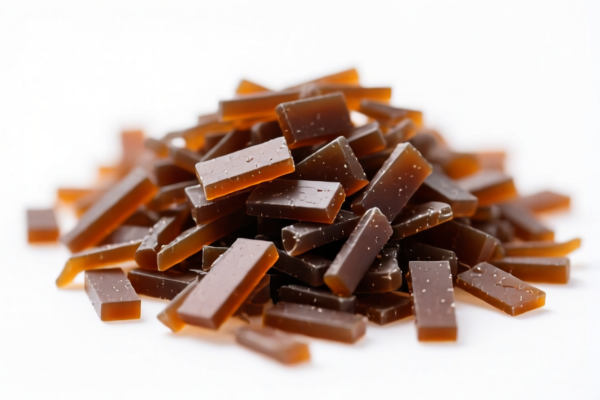
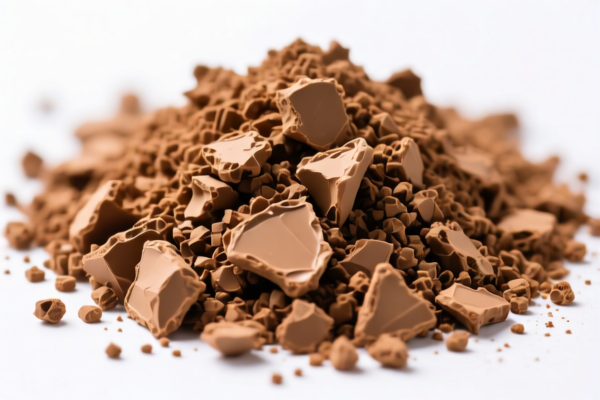
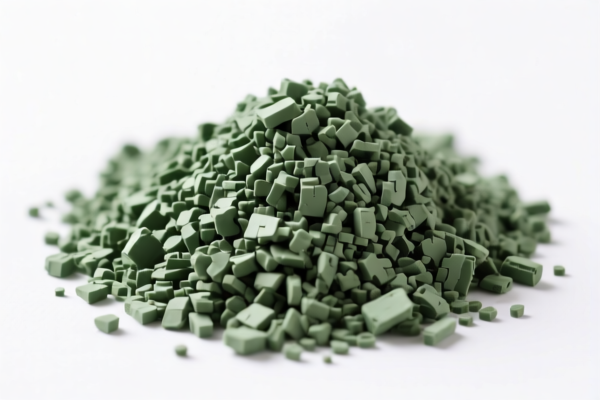
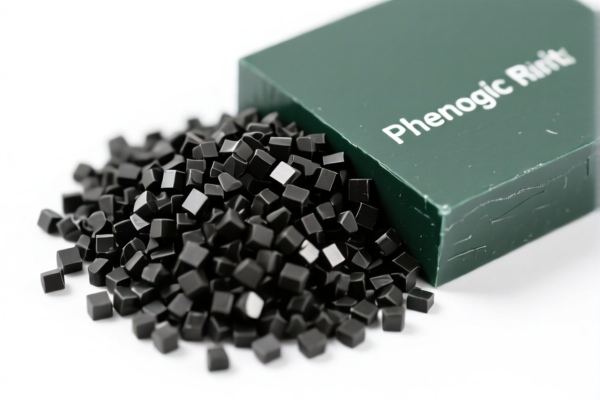
AI Analysis
🧪 High Purity Oleic Acid Reagent (油酸试剂)
🌐 HS Code Reference & Customs Clearance Guide | 2026 Latest Tariff Analysis | Professional Clearance Strategy
📌 I. Product Definition & Classification: Do You Really Understand "Oleic Acid"?
High Purity Oleic Acid Reagent is a monounsaturated omega-9 fatty acid, typically derived from animal or vegetable oils (such as olive oil, tallow, or palm oil). In international trade, its classification depends heavily on its purity level, state of refinement, and specific application (chemical reagent vs. industrial raw material).
Because "High Purity Reagent" implies a state of refined chemical substance, it often falls into conflict between: 1. Fats and Oils (Chapter 15): If viewed primarily as a refined fat/oil derivative. 2. Chemical Products/Reagents (Chapter 38 or 29): If viewed as a specific chemical compound for laboratory or industrial synthesis.
⚠️ Key Distinction Point:
- If the product is primarily used as a raw material for further chemical synthesis or as a high-purity laboratory reagent, it is often classified under Chapter 38 or Chapter 29.
- If it is simply refined oil for food, cosmetic, or general industrial lubrication without specific chemical reagent status, it leans towards Chapter 15.
- Note for US Import: Due to Section 301 and IEEPA tariffs on Chinese goods, the choice of HS Code significantly impacts the total tax burden. The data below highlights the potential for massive tariff differences (from 17.5% to 40.0%).
📦 II. HS Code Classification Details (2026 Latest Tariff Authority Comparison)
| HS Code | Product Description | Application Scenario | Primary Classification Logic |
|---|---|---|---|
1515.90.21.00 |
Fatty Acids; Acid Oils from Refining; Stearin, Linseed Oil, etc. (Specific Subheading) | High-purity reagent viewed as a refined fatty acid derivative; fits "fixed vegetable/fat/oil" category. | ✅ Lowest Tax (Relative to others). Views Oleic Acid as a refined lipid/fatty acid. |
3824.99.41.90 |
Chemical Products & Preparations (Not Elsewhere Specified) | Used as a chemical reagent or auxiliary agent; fits "chemical product/preparation" usage description. | ⚠️ High Tax. Views Oleic Acid as a generic chemical preparation/reagent. |
2915.90.10.50 |
Carboxylic Acids with Unsaturation (Other) | Fits "Other carboxylic acids" as a catch-all for fatty acids not specifically listed in more detailed subheadings. | ⚠️ Highest Tax. Views Oleic Acid as a specific unsaturated carboxylic acid. |
1515.90.81.90 |
Other Fixed Vegetable/Animal/Microbial Oils and Their Fractions | High-purity reagent viewed as chemically refined/distilled oil fraction. | ⚠️ Medium-High Tax. Similar to 1515.90.21 but under a different subheading for "Other" fractions. |
🔍 Critical Reminder:
- Chapter 15 vs. Chapter 29/38: The US CBP (Customs and Border Protection) often scrutinizes whether a "reagent" is truly a chemical product (Ch 29/38) or a refined oil (Ch 15).
- Tariff Sensitivity: The difference between1515.90.21.00(17.5%) and2915.90.10.50(40.0%) is 22.5%. On a $100,000 shipment, this is a $22,500 difference.
- Origin Impact: All codes below apply to Chinese Origin imports under current 2025-2026 tariff structures.
💰 III. 2026 Latest Tariff Rate Breakdown (Including Surtaxes & Policy Add-ons)
✅ Applicable Country: United States (US)
✅ Origin: China (CN)
✅ Effective Time: From November 10, 2025 (and subsequent imports)
🎯 1. 1515.90.21.00 —— Fatty Acids / Refined Fat Derivatives (Recommended for Low Tax)
| Item | Content |
|---|---|
| Base Tariff | 0.0% (ad valorem) |
| USITC Surtax | +7.5% (Section 301, Footnote related to specific subheadings) |
| IEEPA Surtax | +10% (Targeting China/HK products, effective Nov 2025) |
| Total Rate | 17.5% |
| Tax Calculation | CIF Value × 17.5% |
| De Minimis Eligibility | ❌ No (Deny de minimis for high-value industrial chemicals) |
| Legal Basis Path | IEEPA:9903.01.25 → USITC:1515.90.21.00 → FOOTNOTE:Related to Fatty Acids |
📌 Explanation:
- This code classifies Oleic Acid as a fatty acid/refined oil fraction.
- It benefits from a 0% base rate, only adding the 7.5% Section 301 surtax and 10% IEEPA surtax.
- Best for: Importers who can justify the product as a "refined fatty acid" rather than a complex chemical reagent.
🎯 2. 3824.99.41.90 —— Chemical Products & Preparations
| Item | Content |
|---|---|
| Base Tariff | 4.6% (ad valorem) |
| USITC Surtax | +25.0% (Standard Section 301 surtax for Chapter 38) |
| IEEPA Surtax | +10.0% (Targeting China/HK products) |
| Total Rate | 39.6% |
| Tax Calculation | CIF Value × 39.6% |
| De Minimis Eligibility | ❌ No |
| Legal Basis Path | IEEPA:9903.01.25 → IEEPA:9903.01.24 → USITC:3824.99.41.90 → FOOTNOTE:9903.88.01 |
📌 Note:
- This code treats Oleic Acid as a chemical preparation/reagent.
- The base tariff is higher (4.6%), and it is subject to the maximum 25% Section 301 surtax.
- Risk: High. If customs determines the product is simply a fatty acid, this classification may be challenged, but if accepted, the cost is significantly higher.
🎯 3. 2915.90.10.50 —— Unsaturated Carboxylic Acids (Other)
| Item | Content |
|---|---|
| Base Tariff | 5.0% (ad valorem) |
| USITC Surtax | +25.0% (Standard Section 301 surtax for Chapter 29) |
| IEEPA Surtax | +10.0% (Targeting China/HK products) |
| Total Rate | 40.0% |
| Tax Calculation | CIF Value × 40.0% |
| De Minimis Eligibility | ❌ No |
| Legal Basis Path | IEEPA:9903.01.25 → IEEPA:9903.01.24 → USITC:2915.90.10.50 → FOOTNOTE:9903.88.01 |
📌 Warning:
- This is the highest tariff scenario.
- Oleic Acid is technically an unsaturated carboxylic acid. If classified under Chapter 29, it attracts the 5% base + 25% surtax + 10% IEEPA.
- Strategy: Avoid this code if possible unless the product is a specific isomer or derivative not covered under Chapter 15.
🎯 4. 1515.90.81.90 —— Other Fixed Oils & Fractions
| Item | Content |
|---|---|
| Base Tariff | 3.2% (ad valorem) |
| USITC Surtax | +7.5% (Section 301 surtax) |
| IEEPA Surtax | +10.0% (Targeting China/HK products) |
| Total Rate | 20.7% |
| Tax Calculation | CIF Value × 20.7% |
| De Minimis Eligibility | ❌ No |
| Legal Basis Path | IEEPA:9903.01.25 → USITC:1515.90.81.90 → FOOTNOTE:Related to Fatty Acids |
📌 Comparison:
- Slightly higher than1515.90.21.00(17.5%) due to a 3.2% base rate.
- Still significantly lower than Chapter 29/38 codes.
- Use this if1515.90.21.00is not applicable for your specific purity/specs.
🛠️ IV. Customs Clearance Practical Advice (Real-World Pitfall Avoidance)
✅ 1. Documentation Checklist (Essential)
| Document | Required | Explanation |
|---|---|---|
| ✅ Safety Data Sheet (SDS) | ✔️ | Must clearly state composition, purity (>90%+), and physical state. |
| ✅ Product Specification Sheet | ✔️ | Include CAS Number (80-10-2 for Oleic Acid), molecular formula, and source (Vegetable/Animal). |
| ✅ Certificate of Origin (CO) | ✔️ | Essential for proving Chinese origin and applying surtaxes accurately. |
| ✅ Commercial Invoice | ✔️ | Must describe item as "High Purity Oleic Acid Reagent" or "Refined Fatty Acid". Avoid vague terms like "Chemical". |
| ✅ Packing List | ✔️ | Detail net/gross weight and packaging type (drums, IBCs). |
| ✅ Third-Party Lab Report | ✔️ | Optional but recommended to prove purity level if contesting classification. |
✅ 2. Declaration Tactics (Key Mantra)
🔥 “Characterize as Refined Fat, Not Generic Chemical!”
| Scenario | Correct Declaration Strategy | Error to Avoid |
|---|---|---|
| High Purity Oleic Acid | Declare as "Refined Fatty Acid" under 1515.90.21.00 (17.5%) |
Declare as "Chemical Reagent" → 2915.90.10.50 (40%) |
| Industrial Grade Oleic Acid | Use 1515.90.21.00 or 1515.90.81.90 |
Use 3824.99.41.90 (39.6%) |
| Oleic Acid Derivatives | Check Chapter 29 if modified, but if pure oleic acid, stick to Ch 15 | Misclassify derivative as pure acid |
| Small Sample/Reagent Grade | Still subject to full tariffs if CIF > $800 (De Minimis denied) | Assume de minimis applies |
📌 Critical Tip:
- The term "Reagent" in the product name is a red flag for customs. It suggests Chapter 38 or 29.
- Solution: Emphasize "Refined Fatty Acid" in the commercial description and SDS, even if sold for lab use. Justify that the chemical structure remains that of a fatty acid, not a complex chemical preparation.
✅ 3. Special Cases Handling
| Case | Handling Advice |
|---|---|
| OEM Customized Reagent | Provide customer order + specification sheet. If purity >99%, argue for Chapter 29 only if no Chapter 15 fit exists. Otherwise, stick to Ch 15. |
| Mixed with Solvents | If Oleic Acid is dissolved in another solvent, it may become a "Preparation" (Ch 38). Keep it pure for Ch 15 classification. |
| Animal vs. Vegetable Source | Specify source. Animal-derived fats may face additional sanitary regulations (USDA/FDA), but tariff classification logic remains similar. |
| USDA/FDA Compliance | Oleic Acid is often used in food/pharma. Ensure it meets FDA GRAS (Generally Recognized As Safe) standards if applicable, regardless of HS Code. |
🌍 V. Global Market Clearance Comparison (2026 Latest)
| Country/Region | Recommended HS Code | Tariff Rate (China Origin) | Certification Requirements | Notes |
|---|---|---|---|---|
| 🇺🇸 USA | 1515.90.21.00 |
17.5% | None specific | Best option. Avoid Ch 29/38 due to 25% surtax. |
| 🇨🇳 China | 2915.17.10.00 |
5% | None | No surtaxes. Import for domestic use is cheaper. |
| 🇪🇺 EU | 1515.90.90 |
6.5% | REACH Registration | No Section 301/IEEPA equivalents. |
| 🇬🇧 UK | 1515.90.90 |
6.5% | UKCA + REUK | Post-Brexit alignment with EU largely. |
| 🇯🇵 Japan | 1515.90.900 |
3.2% | None | Low base tariff, no major surtaxes. |
📌 Conclusion:
- USA is the most complex market due to political surtaxes.
- Strategic Classification: For US imports,1515.90.21.00is the optimal code to minimize costs (17.5% vs 40%).
- EU/Asia: Classification is more straightforward, with lower base tariffs and no political surtaxes.
📌 VI. Common Errors & Pitfall Guide (Lessons Learned)
❌ Error 1: Using "Chemical Reagent" as the primary description
👉 Consequence: Customs may assign 3824.99.41.90 or 2915.90.10.50 → 39.6-40.0% Tax.
✅ Fix: Use "Refined Fatty Acid" in the commercial invoice description.
❌ Error 2: Assuming De Minimis ($800) applies
👉 Consequence: Denial of entry or retroactive tax assessment.
✅ Fix: File formal entry even for small shipments if CIF > $800 and Chinese origin.
❌ Error 3: Ignoring the Base Tariff Difference
👉 Consequence: Assuming all fatty acids are 0% base.
✅ Fix: Note that 1515.90.81.90 has a 3.2% base, while 1515.90.21.00 has 0%.
❌ Error 4: Misidentifying "Reagent" as "Industrial Raw Material"
👉 Consequence: If the product is clearly labeled "For Lab Use Only," customs may reject Ch 15 classification.
✅ Fix: Provide SDS showing industrial applications (e.g., lubricant, plasticizer) alongside lab use to justify Ch 15.
🎯 VII. Conclusion: Smart Classification, Cost Savings!
🎯 Remember the Mantra:
🔹 "Fatty Acid > Chemical Reagent"
🔹 "1515.90.21.00 is King (17.5%)"
🔹 "Avoid 29/38 unless forced (40%)"
🔹 "Customs looks at Composition, Not Just Name!"🔹 "HS Code defines life, Tax rate defines profit. One step wrong, $20k lost!"
📌 Pro Tip:
If your Oleic Acid is sourced from Vietnam, Mexico, or Thailand, you can apply for IEEPA Exemptions under Section 301, reducing the effective tax rate to 0-5%.
Recommendation:
📞 Consult with a licensed US customs broker before shipment.
📝 Apply for a Binding Ruling if you are unsure.
🚀 Ensure your SDS and Invoice are aligned to support the Chapter 15 classification.
✨ Professional Clearance Starts with Accurate Classification!
💼 Every percentage point saved is pure profit!
Customer Reviews
About HS Code Classification
The Harmonized System (HS) is an internationally standardized nomenclature developed by the World Customs Organization (WCO) to classify traded products. Over 200 countries use the HS system as the basis for customs tariffs, trade statistics, and import/export regulations.
Each HS code follows a hierarchical structure:
- Chapter (2 digits) — Broad category of goods (e.g., Chapter 84: Machinery and Mechanical Appliances)
- Heading (4 digits) — More specific grouping within the chapter
- Subheading (6 digits) — Internationally standardized breakdown, used by all WCO member countries
- National subdivisions (8-10 digits) — Country-specific extensions for further classification, such as US HTSUS 10-digit codes
Correct HS code classification is essential for smooth customs clearance, accurate duty payment, and compliance with trade regulations. Misclassification can lead to customs delays, overpayment of duties, or penalties.
When importing from CN to US, the applicable tariff rates may include:
- Most-Favored-Nation (MFN) rate — The standard duty rate applied to WTO members
- General rate — Applied to countries without trade agreements
- Trade remedy duties — Additional tariffs such as Section 301 (anti-dumping), Section 232 (national security), or countervailing duties
The information provided on this page is for reference purposes only. For official classification, please consult with your local customs authority or a licensed customs broker.