High Sensitivity Color Film
CN → US| HS Code | Tariff Rate | Origin | Destination | Doc |
|---|---|---|---|---|
| 3701910060 | 38.7% | CN | US | Official Doc |
| 3701910030 | 38.7% | CN | US | Official Doc |
| 3702520160 | 38.7% | CN | US | Official Doc |
| 3702550060 | 35.0% | CN | US | Official Doc |
| 3704000000 | 35.0% | CN | US | Official Doc |
Product Images
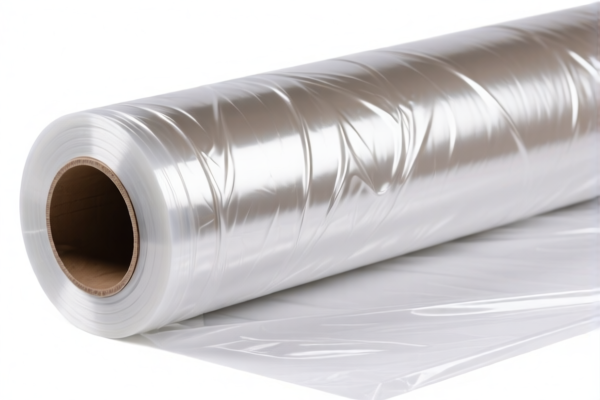
AI Analysis
🎞️ High Sensitivity Color Film
🌐 HS Code Reference & Customs Clearance Guide | 2024/2025 Tariff Analysis | Professional Entry Strategy
📌 I. Product Definition & Classification: Do You Truly Understand "High Sensitivity Color Film"?
High Sensitivity Color Film is a specialized photographic medium designed for low-light conditions or fast-action photography. In international trade, the classification depends heavily on its state (exposed vs. unexposed) and physical form.
Unexposed Film (Raw Material): The core raw material for photography, often subject to specific trade restrictions.
Exposed/Processed Film: The final output image, generally treated differently depending on its format.
⚠️ Critical Distinction Point:
- Is the film unexposed (ready for use)? → Likely falls under Chapter 37 subheadings for photographic plates/film (e.g., 3701 or 3702).
- Is the film exposed (images captured)? → Falls under 3704.
- Format Check: Is it a roll film or sheet film? This affects the specific subheading within 3701/3702.
📦 II. HS Code Classification Details (Based on Provided Data)
| HS Code | Product Description (Summary from Data) | Tax Rate (Total) | Key Characteristics |
|---|---|---|---|
3701.91.00.60 |
Color high-sensitivity film, matching color & exposed flat shapes, non-paper/board/textile material. | 38.7% | Flat sheets, color, high sensitivity. |
3701.91.00.30 |
Color high-sensitivity film, multi-color classification for color photography, instant print unexposed form. | 38.7% | Instant print type, unexposed, flat. |
3702.52.01.60 |
Color high-sensitivity film, categorized as exposed/unexposed scope, non-paper/non-textile color roll form. | 38.7% | Roll film, high sensitivity, specific material constraint. |
3702.55.00.60 |
Color high-sensitivity film, matching color photography roll film classification, exposed/unexposed material trait. | 35.0% | Roll film, different base tax structure (0% base). |
3704.00.00.00 |
Color high-sensitivity film, fully matching material form; "Color high-sensitivity" is attribute only. | 35.0% | Exposed film (general category). |
🔍 Key Insight:
- Codes ending in.60and.30(Chapter 3701/3702) carry a 38.7% total tariff.
- Codes ending in.60(Chapter 3702.55) and3704carry a 35.0% total tariff.
- The difference lies in the Base Tariff: 3.7% for the 38.7% group vs. 0.0% for the 35.0% group.
💰 III. 2024/2025 Latest Tariff Rate Breakdown (Including Surcharges)
✅ Applicable Country: USA (US)
✅ Origin: China (CN)
✅ Effective Time: Ongoing (Post-2025 Policies)
🎯 1. Group A: 3701.91.00.60, 3701.91.00.30, 3702.52.01.60
Total Tariff: 38.7%
| Item | Content |
|---|---|
| Base Tariff | 3.7% (Ad Valorem) |
| Section 301 Surcharge | +25.0% (Additional Tariff) |
| Section 122 Tariff | +10.0% (Specific Clause Tariff) |
| Total Rate | 38.7% |
| Tax Calculation | CIF Value × 38.7% |
| De Minimis Exemption | ❌ Not Applicable (High value goods) |
| Legal Path | Base Tariff 3.7% → Section 301: 25% → Section 122: 10% |
📌 Explanation:
- The 3.7% is the standard Most Favored Nation (MFN) rate for these specific film types.
- The 25% is the heavy hit from Section 301 trade wars.
- The 10% is a specific add-on (Section 122), often related to specific product lists or policy adjustments.
- Total: 38.7% is a significant cost barrier.
🎯 2. Group B: 3702.55.00.60
Total Tariff: 35.0%
| Item | Content |
|---|---|
| Base Tariff | 0.0% |
| Section 301 Surcharge | +25.0% |
| Section 122 Tariff | +10.0% |
| Total Rate | 35.0% |
| Tax Calculation | CIF Value × 35.0% |
| De Minimis Exemption | ❌ Not Applicable |
| Legal Path | Base Tariff 0.0% → Section 301: 25% → Section 122: 10% |
📌 Note:
- The base rate is 0%, making it cheaper by 3.7% compared to Group A.
- This code specifically matches "Color photography roll film" with exposed/unexposed traits.
🎯 3. Group C: 3704.00.00.00
Total Tariff: 35.0%
| Item | Content |
|---|---|
| Base Tariff | 0.0% |
| Section 301 Surcharge | +25.0% |
| Section 122 Tariff | +10.0% |
| Total Rate | 35.0% |
| Tax Calculation | CIF Value × 35.0% |
| De Minimis Exemption | ❌ Not Applicable |
| Legal Path | Base Tariff 0.0% → Section 301: 25% → Section 122: 10% |
📌 Note:
- This code is for Exposed film (images already captured).
- Same tax burden as Group B (35.0%).
🛠️ IV. Customs Clearance Practical Advice (Avoid Pitfalls)
✅ 1. Documentation Checklist (Mandatory)
| Document | Required | Purpose |
|---|---|---|
| Product Spec Sheet | ✔️ | Must specify: Sensitivity (ISO), Color/Black & White, Format (Roll/Sheet), Exposed/Unexposed. |
| Certificate of Origin | ✔️ | To confirm CN origin and apply surcharges. |
| Commercial Invoice | ✔️ | Must clearly state "High Sensitivity Color Film" and value. |
| Packing List | ✔️ | Detail package dimensions and weight. |
| Material Composition | ✔️ | Explicitly state: Non-paper, non-textile, non-cardboard base. |
| Exposure Status Declaration | ✔️ | CRITICAL: Declare if film is "Unexposed" (raw) or "Exposed" (processed). Misdeclaration leads to seizures. |
✅ 2. Declaration Tips (Key Mantras)
🔥 "State the State: Unexposed or Exposed? Base Material Non-Paper!"
| Situation | Correct HS Code | Incorrect Practice |
|---|---|---|
| Flat, Unexposed, Color | 3701.91.00.60 or .30 |
Declare as "Roll film" → Wrong Code |
| Roll, Unexposed, High Sensitivity | 3702.52.01.60 (38.7%) or .55 (35.0%) |
Fail to specify "High Sensitivity" |
| Exposed Film (Images) | 3704.00.00.00 |
Declare as "Unexposed Raw Material" → Penalty |
| Film on Paper Base | Not in List | Data specifies "Non-paper". If it is paper-based, it may be misclassified or prohibited under these specific codes. |
📌 Important: The data explicitly states "Non-paper, paperboard, or textile material." If your film is mounted on paper (like some photo paper), these codes may not apply. You must ensure the base is plastic/polyester.
✅ 3. Special Cases
| Situation | Handling Advice |
|---|---|
| Instant Print Film | Use 3701.91.00.30 if it fits the "instant print unexposed" description. |
| High ISO (e.g., 3200+) | Explicitly label as "High Sensitivity" to match the product description in the data. |
| Bulk vs. Retail | Ensure invoice value reflects wholesale/bulk if applicable, as tax is ad valorem. |
| Section 122 Relevance | This 10% add-on is specific. Ensure the product falls under the specific item list for Section 122. |
🌍 V. Global Market Comparison (2026 Context)
| Country/Region | Recommended HS Code | Base Tariff | Surcharges | Total Est. Rate | Notes |
|---|---|---|---|---|---|
| 🇺🇸 USA | 3701.91.00.60 / 3702.55.00.60 |
0-3.7% | 30-38.7% | 35.0% - 38.7% | High tariffs due to 301 & 122. |
| 🇨🇳 China | 3701.91 / 3702.55 |
~3-6% | 0% | ~3-6% | No US-style surcharges. |
| 🇪🇺 EU | 3701.91 / 3702.55 |
~0-3% | 0% | ~0-3% | Generally low tariffs for photographic goods. |
| 🇬🇧 UK | 3701.91 / 3702.55 |
~0-3% | 0% | ~0-3% | Post-Brexit, independent tariffs apply. |
| 🇯🇵 Japan | 3701.91 / 3702.55 |
~3-5% | 0% | ~3-5% | Competitive market. |
📌 Conclusion:
- USA is the most expensive market for High Sensitivity Color Film due to 38.7% max tariff.
- EU/UK/Japan are significantly cheaper (~0-5%).
- Strategy: If exporting to the US, consider value-addition or alternative markets to mitigate the 38.7% hit. For other markets, standard declaration is sufficient.
📌 VI. Common Errors & Pitfalls (Lessons Learned)
❌ Error 1: Declaring Exposed film as Unexposed (or vice versa)
👉 Consequence: Wrong HS Code (3701/3702 vs. 3704), potential penalty for false declaration.
❌ Error 2: Ignoring Base Material (Paper vs. Plastic)
👉 Consequence: Data specifies Non-paper. If film is on paper base, this code is invalid. Risk of seizure.
❌ Error 3: Missing "High Sensitivity" in Description
👉 Consequence: Customs may question the specific subheading. Always include "High Sensitivity" in commercial invoice.
❌ Error 4: Assuming De Minimis applies
👉 Consequence: These goods are high-value/traded items. De Minimis does not apply. Full duty calculation is required.
✅ Correct Approach:
"High Sensitivity Color Film, Unexposed, Roll, Polyester Base, ISO 3200, Model XYZ"
🎯 VII. Conclusion: Precision in Classification Saves Money
🎯 Remember the Mantra:
🔹 "Unexposed vs. Exposed: Choose Wisely."
🔹 "Non-Paper Base: Essential for Code."
🔹 "US Tariff: 38.7% Max, Plan Ahead."
📌 Tip:
If you are exporting high-sensitivity film to the US, the 38.7% tariff is substantial.
- For Group A (3701.91.00.60 etc.): Total 38.7%.
- For Group B/C (3702.55.00.60, 3704.00.00.00): Total 35.0%.
Strategy: Can your product fit the 35.0% category (e.g., by using roll film format or being exposed)? Consult a customs broker to see if re-classification is possible based on actual product specs.
📣 Immediate Action:
📞 Contact a Customs Broker + Provide Product Specs (Base, Sensitivity, State) + Apply for Advance Ruling
🚀 Avoid costly delays and unexpected 38.7% bills.
✨ Professional Customs Clearance Starts with Accurate Classification!
💼 Every percentage point of tariff affects your bottom line!
Customer Reviews
About HS Code Classification
The Harmonized System (HS) is an internationally standardized nomenclature developed by the World Customs Organization (WCO) to classify traded products. Over 200 countries use the HS system as the basis for customs tariffs, trade statistics, and import/export regulations.
Each HS code follows a hierarchical structure:
- Chapter (2 digits) — Broad category of goods (e.g., Chapter 84: Machinery and Mechanical Appliances)
- Heading (4 digits) — More specific grouping within the chapter
- Subheading (6 digits) — Internationally standardized breakdown, used by all WCO member countries
- National subdivisions (8-10 digits) — Country-specific extensions for further classification, such as US HTSUS 10-digit codes
Correct HS code classification is essential for smooth customs clearance, accurate duty payment, and compliance with trade regulations. Misclassification can lead to customs delays, overpayment of duties, or penalties.
When importing from CN to US, the applicable tariff rates may include:
- Most-Favored-Nation (MFN) rate — The standard duty rate applied to WTO members
- General rate — Applied to countries without trade agreements
- Trade remedy duties — Additional tariffs such as Section 301 (anti-dumping), Section 232 (national security), or countervailing duties
The information provided on this page is for reference purposes only. For official classification, please consult with your local customs authority or a licensed customs broker.