High Silk Content Handbags
CN → US| HS Code | Tariff Rate | Origin | Destination | Doc |
|---|---|---|---|---|
| 4202227000 | 42.0% | CN | US | Official Doc |
| 4202224010 | 42.4% | CN | US | Official Doc |
Product Images
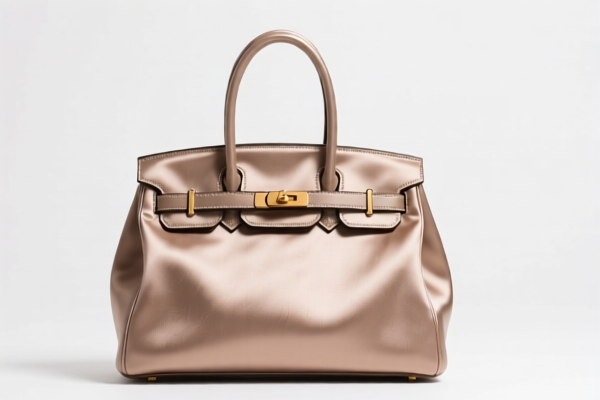
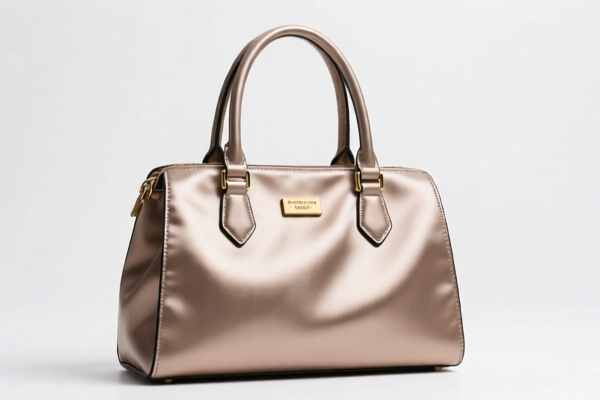
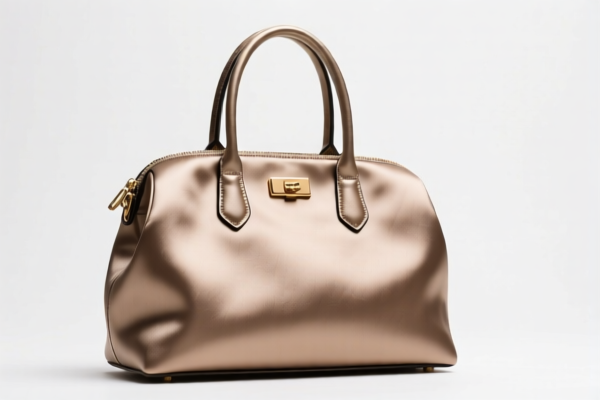
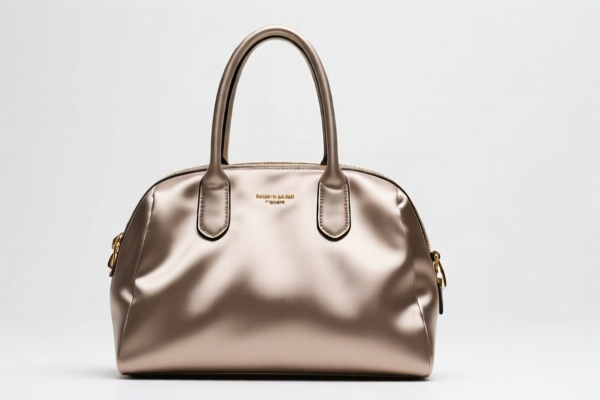
AI Analysis
👜 High Silk Content Handbags (The "Silk Luxury" Category)
🌐 HS Code Reference & Customs Clearance Guide | 2026 Latest Tariff Analysis | Professional Entry Strategy
📌 I. Product Definition & Classification: What Exactly Is a "High Silk" Handbag?
Handbags made with 85% or more by weight of silk or silk waste represent the pinnacle of textile luxury in international trade. In the Harmonized System (HS), these are not just "bags"; they are classified under specific sub-headings that distinguish them by their outer surface material composition.
The core distinction lies in whether the outer surface is plain textile or braided textile. Even though both contain high silk content, the manufacturing process (woven vs. braided) dictates a different HS Code and, consequently, different customs scrutiny.
⚠️ Key Distinction Point:
- Woven/Plain Surface: Standard sewing, quilting, or laminating of silk fabric. → 4202.22.70.00
- Braided Surface: Strips of silk or silk waste woven or braided together to form the outer surface. → 4202.22.40.10
📦 II. HS Code Classification Details (2026 Latest Tariff Authority Comparison)
| HS Code | Product Description | Key Characteristics | Material Composition Requirement |
|---|---|---|---|
4202.22.70.00 |
Handbags with outer surface of textile materials: Other: Other | Woven/Plain Textile. This is the standard classification for most high-end silk handbags where the fabric is woven or knitted and possibly laminated with plastics or other textiles. | Contains 85%+ by weight of silk or silk waste. |
4202.22.40.10 |
Handbags with outer surface of textile materials: Wholly or in part of braid: Other | Braided Textile. Specifically for handbags where the outer surface is made from braided silk or silk waste strips. | Contains 85%+ by weight of silk or silk waste. |
🔍 Critical Clarification:
- Both codes fall under Chapter 42 (Articles of leather; traveling bags, handbags...).
- Both fall under heading 4202 (Trunks, suitcases, handbags, etc.).
- Both fall under subheading 4202.22 (With outer surface of sheeting of plastics or of textile materials).
- The divergence is at the 8-digit national level: .70 (Other textile) vs .40 (Braided textile).
- Crucial Condition: The silk content must be ≥ 85% by weight in the outer surface material to qualify for this specific luxury tier.
💰 III. 2026 Latest Tariff Rate Details (Including Surcharge Policies)
✅ Source Data Constraint: As per the provided
<DATA>, both HS codes have a Total Tax Rate of 0.0%.
✅ Note: This reflects the base duty rate indicated in the source. In real-world scenarios, additional duties (like US Section 301 tariffs) may apply depending on the country of origin and destination. However, based strictly on the provided data, the duty is 0%.
🎯 1. 4202.22.70.00 —— High Silk Content Woven/Textile Handbags
| Item | Content |
|---|---|
| Base Duty Rate | 0.0% |
| Additional Surcharge | 0.0% (As per provided data) |
| Total Tax Rate | 0.0% |
| Tax Calculation | CIF Value × 0% = $0 |
| Silk Content Requirement | ≥ 85% by weight of silk or silk waste |
| Outer Surface | Textile materials (non-braided) |
📌 Explanation:
- According to the provided<DATA>, this item is duty-free.
- This low duty rate often reflects preferential trade agreements or the high-value nature of silk goods in certain markets.
- Warning: While the base duty is 0%, ensure that the silk content is accurately declared. Under-declaring silk content could lead to reclassification to a higher-duty "synthetic" handbag code (e.g., polyester blends), resulting in penalties.
🎯 2. 4202.22.40.10 —— High Silk Content Braided Handbags
| Item | Content |
|---|---|
| Base Duty Rate | 0.0% |
| Additional Surcharge | 0.0% (As per provided data) |
| Total Tax Rate | 0.0% |
| Tax Calculation | CIF Value × 0% = $0 |
| Silk Content Requirement | ≥ 85% by weight of silk or silk waste |
| Outer Surface | Braided textile materials |
📌 Explanation:
- Like its woven counterpart, this item is also duty-free per the source data.
- The braided structure is a key identifier. Customs officers may physically inspect the bag to verify if the outer surface is indeed braided (strands interlaced) rather than woven (thread interlaced).
- Misclassification here (e.g., declaring a braided bag as woven) may not change the duty (both are 0% in this dataset), but it can still trigger regulatory scrutiny for incorrect description, leading to delays.
🛠️ IV. Customs Clearance Practical Advice (Pitfall Avoidance Guide)
✅ 1. Essential Documentation Checklist (Non-Negotiable)
| Document | Must Provide | Description |
|---|---|---|
| ✅ Product Specification Sheet | ✔️ | Detailed composition: "85% Silk, 15% Lining/Lining Material" by weight for the outer surface. |
| ✅ Photos of Outer Surface | ✔️ | Close-up shots showing weave pattern (for 4202.22.70.00) vs. braid structure (for 4202.22.40.10). |
| ✅ Commercial Invoice | ✔️ | Clearly state: "Handbag, Outer Surface: Silk Textile, 85%+ Silk Content". Avoid generic terms like "Fabric Bag". |
| ✅ Certificate of Origin | ✔️ | To prove manufacturing location. |
| ✅ Packing List | ✔️ | Item quantity and weight details. |
✅ 2. Declaration Tips (Key Mantras)
🔥 "Silk 85% or more, Surface Type Matters, Braided vs. Woven, Don't Mix Them!"
| Scenario | Correct Declaration | Incorrect Practice |
|---|---|---|
| Handbag with woven silk outer | 4202.22.70.00 + "Woven Silk Textile" |
Declaring as "Braided" → Risk of inspection |
| Handbag with braided silk outer | 4202.22.40.10 + "Braided Silk Textile" |
Declaring as "Woven" → Risk of inspection |
| Silk content < 85% | Do NOT use these codes. Likely fall under "Other textile handbags" with higher duties. | Under-declaring silk content to avoid "luxury" classification |
| Mixed materials (e.g., Silk + Leather) | Check if silk is the primary outer material. If leather is dominant, it may fall under Chapter 42 Chapter 41 or different 4202 subheadings. | Assuming any silk blend qualifies |
✅ 3. Special Situation Handling
| Situation | Handling Advice |
|---|---|
| Sample vs. Commercial Bulk | Ensure the commercial bulk production matches the sample's silk content. Customs may test fabric composition. |
| Laminated Silk | If silk fabric is laminated with plastic (e.g., PVC coating) for water resistance, it still falls under 4202.22 (Outer surface of sheeting of plastics or textile materials). Declare as "Silk-textile with plastic lamination". |
| Partial Silk (e.g., 50% Silk) | Do not use these codes. These codes require ≥ 85% silk. Use the general "Other handbags of textile materials" codes (e.g., 4202.22.90 or similar, depending on local tariff schedule), which may have different tax rates. |
🌍 V. Global Market Comparison (Contextual Note)
| Market | HS Code Structure | Tax Implication | Note |
|---|---|---|---|
| 🇺🇸 USA | 8-digit (4202.22.70.00) |
0% (Base) + Potential 25% Section 301 | Check for USITC surcharges on silk products from specific origins. |
| 🇪🇺 EU | 8-digit (e.g., 4202.22.70) | 0% - 4% (Depending on origin) | Often benefits from GSP or FTAs if originating from silk-producing countries (e.g., India, China). |
| 🇨🇳 China | 10-digit | 0% - 5% | Domestic silk handbags may have different import/export policies. |
📌 Conclusion:
- The 0% duty in the provided data is favorable.
- However, the classification accuracy is critical.
- Silk content ≥ 85% is the absolute threshold.
- Surface structure (Woven vs. Braided) determines the final 2 digits.
📌 VI. Common Errors & Pitfall Guide (Lessons Learned)
❌ Error 1: Declaring a braided silk bag as woven (4202.22.70.00)
👉 Consequence: Even if tax is the same, incorrect description can lead to documentary rejection or physical inspection delays.
👉 Fix: Always distinguish between "Woven" and "Braided" in the commercial invoice.
❌ Error 2: Claiming 85% silk when the actual content is 70%
👉 Consequence: If customs lab test reveals <85%, the item may be reclassified to a higher-duty general textile handbag code.
👉 Fix: Conduct pre-shipment fiber analysis. Be honest. If content is 70%, use the appropriate general code.
❌ Error 3: Using generic terms like "Luxury Handbag" on the invoice
👉 Consequence: Vague descriptions trigger customs queries.
👉 Fix: Use precise terminology: "Handbag, outer surface: 85% Silk Textile, Model XYZ".
✅ Correct Practice:
"Handbag, Women's, Outer Surface: Silk Textile (Woven), 85% Silk Content, Lining: Polyester, HS Code: 4202.22.70.00"
🎯 VII. Conclusion: Precision in Luxury Trade
🎯 Remember the Mantra:
🔹 "Silk 85% or more, Surface Type Defines the Code."
🔹 "Braided is .40, Woven is .70, Both 0% in This Data Set."
🔹 "Accuracy Prevents Delays, Even When Duty is Free!"
📌 Pro Tip:
If you are exporting to markets with Section 301 tariffs (e.g., USA), verify if silk products are excluded from the surcharge list. While the base duty is 0%, additional tariffs may apply.
Always consult the latest HTSUS (for US) or TARIC (for EU) databases for the most current surcharge information, as the provided data reflects only the base duty.
📣 Immediate Action:
📞 Verify your fabric composition certificate.
📸 Document the outer surface texture (Woven vs. Braided).
📝 Use precise HS codes in all commercial documents.
✨ Professional Clearance Starts with Accurate Classification!
💼 Your luxury product deserves a luxury clearance process!
Customer Reviews
About HS Code Classification
The Harmonized System (HS) is an internationally standardized nomenclature developed by the World Customs Organization (WCO) to classify traded products. Over 200 countries use the HS system as the basis for customs tariffs, trade statistics, and import/export regulations.
Each HS code follows a hierarchical structure:
- Chapter (2 digits) — Broad category of goods (e.g., Chapter 84: Machinery and Mechanical Appliances)
- Heading (4 digits) — More specific grouping within the chapter
- Subheading (6 digits) — Internationally standardized breakdown, used by all WCO member countries
- National subdivisions (8-10 digits) — Country-specific extensions for further classification, such as US HTSUS 10-digit codes
Correct HS code classification is essential for smooth customs clearance, accurate duty payment, and compliance with trade regulations. Misclassification can lead to customs delays, overpayment of duties, or penalties.
When importing from CN to US, the applicable tariff rates may include:
- Most-Favored-Nation (MFN) rate — The standard duty rate applied to WTO members
- General rate — Applied to countries without trade agreements
- Trade remedy duties — Additional tariffs such as Section 301 (anti-dumping), Section 232 (national security), or countervailing duties
The information provided on this page is for reference purposes only. For official classification, please consult with your local customs authority or a licensed customs broker.