High Stability Color Film
CN → US| HS Code | Tariff Rate | Origin | Destination | Doc |
|---|---|---|---|---|
| 3921904090 | 39.2% | CN | US | Official Doc |
| 3921905050 | 39.8% | CN | US | Official Doc |
| 3920591000 | 41.0% | CN | US | Official Doc |
| 3920992000 | 39.2% | CN | US | Official Doc |
| 3921904090 | 39.2% | CN | US | Official Doc |
Product Images
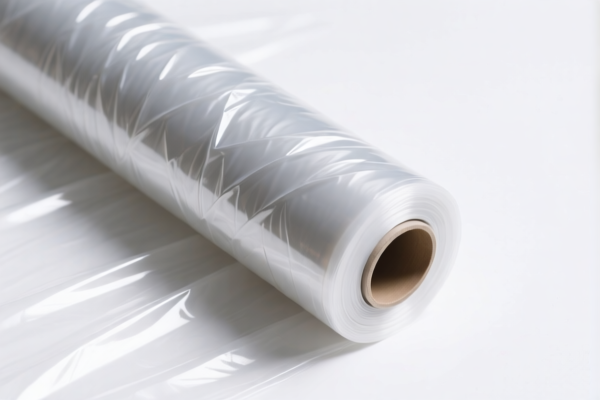
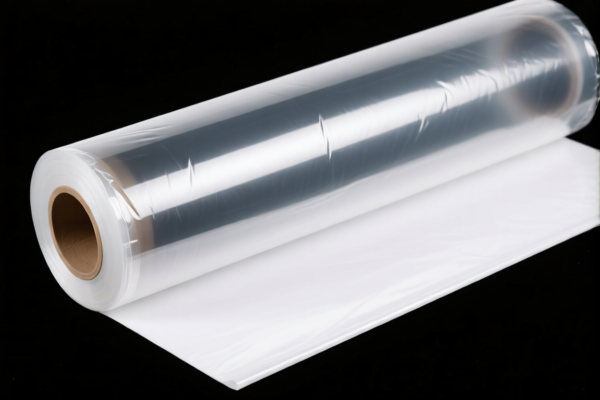
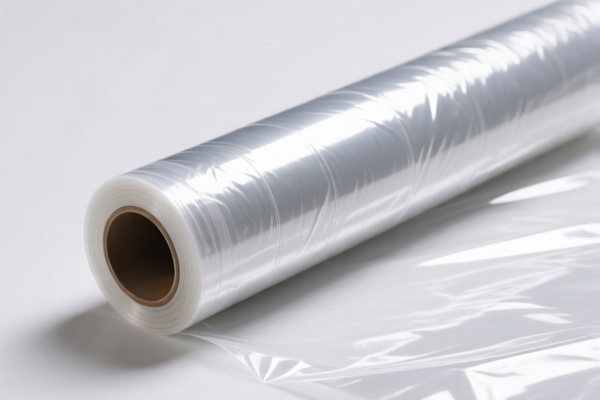
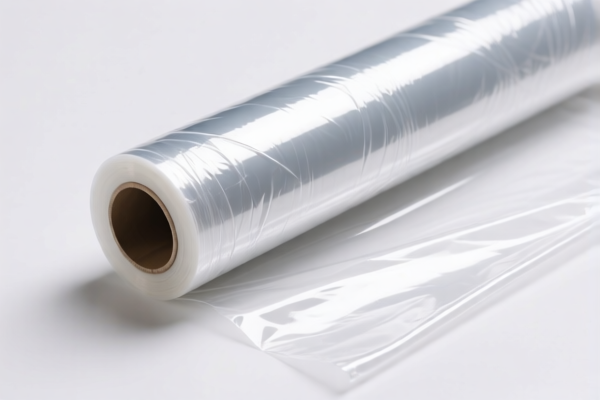
AI Analysis
🎨 High Stability Color Film (彩色印刷用薄膜)
🌐 HS Code Reference & Customs Clearance Guide | 2026 Latest Tariff Analysis | Professional Strategy for US Import
Product: High Stability Color Film
Material: Plastic (Plastics and Articles Thereof)
Form: Film (Flat, Rolled, or Sheet)
Application: High-precision Color Printing, Packaging, Industrial Coating
⚠️ Critical Note:
This product is classified under Chapter 39 (Plastics and Articles Thereof). The specific HS Code depends on the polymer composition (e.g., generic plastic vs. acrylic/acrylate polymers). The US imposes significant additional tariffs (Section 301 and Section 122) on Chinese-origin plastics.
📦 I. HS Code Classification Matrix (2026 Latest Tariff Data)
Based on the provided dataset, there are 4 distinct HS Codes for this product, depending on the precise chemical composition and manufacturing process.
| HS Code | Product Description (Summary) | Material Composition | Total Tax Rate | Key Tax Components |
|---|---|---|---|---|
| 3921.90.40.90 | Color printing film; Form: Film; Material: Plastic | Generic Plastic | 39.2% | Base: 4.2% + Sec 301: 25.0% + Sec 122: 10% |
| 3921.90.50.50 | Color printing film; Form: Film; Material: Plastic | Generic Plastic | 39.8% | Base: 4.8% + Sec 301: 25.0% + Sec 122: 10% |
| 3920.59.10.00 | Color printing film; Form: Film; Material: Acrylic/Related Polymers | Acrylic or Similar Polymers | 41.0% | Base: 6.0% + Sec 301: 25.0% + Sec 122: 10% |
| 3920.99.20.00 | Color printing film; Form: Film; Material: Other Plastics | Other Plastics (Non-acrylic, Non-generic) | 39.2% | Base: 4.2% + Sec 301: 25.0% + Sec 122: 10% |
🔍 Key Distinction Logic: * 3920 vs. 3921: * 3920 typically refers to plates, sheets, film, etc., of unworked or simply prepared plastics (often non-cellular, non-reinforced). * 3921 refers to other plates, sheets, etc., of plastics (including cellular plastics, laminates, etc.). * Acrylic (3920.59.10.00): If the film is made primarily of acrylic or related polymers, it falls here. This has the highest base rate (6.0%) and thus the highest total tax (41.0%). * Generic Plastic (3921.90.40.90 / 3921.90.50.50): If the plastic type is not specifically acrylic, it likely falls under 3921.90. The difference between .40.90 and .50.50 is minor in base rate (4.2% vs 4.8%), leading to a 0.6% difference in total tax. * Other Plastics (3920.99.20.00): If it doesn't fit 3920.59 (Acrylic) or 3921.90, it may be classified as "Other" under 3920.99.20.00.
💰 II. Detailed Tariff Breakdown & Legal Basis (US Market)
Country of Origin: China (CN)
Destination: United States (US)
Effective Date: Current as of 2025/2026 Trade Policy
🎯 1. High Stability Color Film (Plastic - Generic)
HS Code: 3921.90.40.90 or 3921.90.50.50
| Item | Details |
|---|---|
| Base Duty (MFN) | 4.2% (3921.90.40.90) or 4.8% (3921.90.50.50) |
| Section 301 Duty | +25.0% (List 4A/B - Plastics and Articles Thereof) |
| Section 122 Duty | +10.0% (Specific provision for certain Chinese imports) |
| Total Combined Rate | 39.2% or 39.8% |
| De Minimis Exemption? | ❌ NO (Values > $800 are subject to full duty + additional duties) |
| Legal Path | HTSUS:3921.90.40.90 → 301 List: 9903.88.03 → 122 Provision: 9903.01.25 |
📌 Explanation:
- The 25% Section 301 tariff is applied to most plastic products from China to protect US manufacturing.
- The 10% Section 122 tariff is an additional layer for specific Chinese goods.
- Total Impact: For every $10,000 CIF value, you pay $3,920–$3,980 in duties alone.
🎯 2. High Stability Color Film (Acrylic/Related Polymers)
HS Code: 3920.59.10.00
| Item | Details |
|---|---|
| Base Duty (MFN) | 6.0% |
| Section 301 Duty | +25.0% |
| Section 122 Duty | +10.0% |
| Total Combined Rate | 41.0% |
| De Minimis Exemption? | ❌ NO |
| Legal Path | HTSUS:3920.59.10.00 → 301 List: 9903.88.03 → 122 Provision: 9903.01.25 |
📌 Explanation:
- Acrylic films often face higher base duties due to their specialized chemical nature.
- This is the most expensive classification among the options.
- Total Impact: For every $10,000 CIF value, you pay $4,100 in duties.
🎯 3. High Stability Color Film (Other Plastics)
HS Code: 3920.99.20.00
| Item | Details |
|---|---|
| Base Duty (MFN) | 4.2% |
| Section 301 Duty | +25.0% |
| Section 122 Duty | +10.0% |
| Total Combined Rate | 39.2% |
| De Minimis Exemption? | ❌ NO |
| Legal Path | HTSUS:3920.99.20.00 → 301 List: 9903.88.03 → 122 Provision: 9903.01.25 |
🛠️ III. Customs Clearance Strategy & Best Practices
✅ 1. Essential Documentation for Clearance
| Document | Requirement | Why It Matters |
|---|---|---|
| Commercial Invoice | Must clearly state: "High Stability Color Film," Material Composition (e.g., "PP," "PET," "Acrylic"), and HS Code. | Customs uses this to determine if it's Acrylic (3920) or Generic Plastic (3921). |
| Product Specification Sheet | Detail polymer type, thickness, width, and printing characteristics. | Helps CBP distinguish between 3920 (unprocessed) and 3921 (processed/laminated). |
| Certificate of Origin (CO) | Must be issued by Chinese authorities. | Required to assess Section 301 and Section 122 duties. If origin is Vietnam/Malaysia, duties may be lower! |
| Bill of Lading (B/L) | Consistent with invoice description. | Mismatches cause delays. |
| Importer Security Filing (ISF) | Filed 24 hours before loading. | Mandatory for US ocean imports. Failure = $5,000 penalty per violation. |
✅ 2. Classification Optimization Tips
🔥 Strategy: "Know Your Polymer!"
| Scenario | Recommended Action | Potential Savings |
|---|---|---|
| Material is Acrylic | Accept 41.0% rate. No easy workaround unless origin changes. | None |
| Material is Generic Plastic | Use 3921.90.40.90 (39.2%) instead of 3921.90.50.50 (39.8%) if possible. |
0.6% savings |
| Material is "Other" | Ensure it doesn't fit 3920.59 (Acrylic). If it does, you’ll pay 41.0%. | Avoid 41.0% rate |
| Origin is NOT China | Source from Vietnam, Thailand, or Mexico. | DRAMATIC SAVINGS! Duties may drop to 0-5% if free trade agreements apply. |
✅ 3. Common Pitfalls & How to Avoid Them
| Mistake | Consequence | Solution |
|---|---|---|
| Misclassifying Acrylic as Generic Plastic | CBP re-classes to 3920.59.10.00 → You owe 41.0% instead of 39.2%. Plus penalties! | Always specify material in technical data. |
| Ignoring Section 122 | Underpaying duties by 10%. CBP audits will trigger back payments + interest. | Ensure 10% is calculated in your landed cost model. |
| Using "Plastic Film" Vaguely | CBP applies highest possible duty or holds shipment for further review. | Use precise terms: "PET High Stability Color Printing Film." |
| Failing to File ISF | $5,000 fine per container. | Use automated filing systems. |
🌍 IV. Global Market Comparison (2026 Outlook)
| Country/Region | HS Code | Total Duty Rate | Key Notes |
|---|---|---|---|
| 🇺🇸 United States | 3921.90.40.90 / 3920.59.10.00 | 39.2% – 41.0% | Heavy Section 301 + 122 tariffs. High cost for Chinese origin. |
| 🇨🇳 China | 3921.90.40.90 | ~4.2% – 6.0% | Low import duties. No Section 301/122. |
| 🇪🇺 European Union | 3921.90.40.90 | 0% – 6.0% | No Section 301. VAT applies separately. |
| 🇬🇧 United Kingdom | 3921.90.40.90 | 0% – 6.0% | Post-Brexit tariffs. No US-style extra duties. |
| 🇨🇦 Canada | 3921.90.40.90 | 0% – 6.25% | CUSMA may allow 0% for Mexican/US-sourced films. |
📌 Conclusion:
The US is the most expensive market for importing Chinese high-stability color films due to the combined 35-41% duty rate.
- Cost Saving Strategy: Consider diversifying supply chains to Southeast Asia (Vietnam, Thailand) where possible, or explore FTZ (Foreign Trade Zone) entry to defer duties.
📌 V. Final Recommendations for Importers
-
Pre-Clearance Ruling:
File a CBP Application for Pre-Limitation Ruling with the exact product specifications. This legally binds CBP to the classified HS Code, protecting you from surprise audits. -
Landed Cost Calculation:
Always factor in 39.2–41.0% of the CIF value as duty. Do not use the base MFN rate (4.2–6.0%) for budgeting. -
Labeling Compliance:
Ensure all packaging clearly states:"High Stability Color Film, Material: [Specific Polymer], Made in China"
-
Insurance & Risk:
Given the high duty rate, consider duty drawback programs if you re-export the film or use it in manufacturing for export.
🎯 Pro Tip:
"Check the Polymer, Check the Origin!"
If your film is Acrylic, expect 41.0%. If Generic Plastic, expect 39.2–39.8%.
Chinese Origin = High Duty.
Non-Chinese Origin = Potential Savings.
📣 Immediate Action Item:
📞 Contact your Customs Broker to confirm the exact polymer type (Acrylic vs. PET/PP/PE).
📄 Request a Product Data Sheet from your supplier.
💡 Evaluate Supply Chain Alternatives to mitigate tariff risk.
✨ Smart Classification, Smarter Savings!
💼 Every percentage point saved is pure profit!
Customer Reviews
About HS Code Classification
The Harmonized System (HS) is an internationally standardized nomenclature developed by the World Customs Organization (WCO) to classify traded products. Over 200 countries use the HS system as the basis for customs tariffs, trade statistics, and import/export regulations.
Each HS code follows a hierarchical structure:
- Chapter (2 digits) — Broad category of goods (e.g., Chapter 84: Machinery and Mechanical Appliances)
- Heading (4 digits) — More specific grouping within the chapter
- Subheading (6 digits) — Internationally standardized breakdown, used by all WCO member countries
- National subdivisions (8-10 digits) — Country-specific extensions for further classification, such as US HTSUS 10-digit codes
Correct HS code classification is essential for smooth customs clearance, accurate duty payment, and compliance with trade regulations. Misclassification can lead to customs delays, overpayment of duties, or penalties.
When importing from CN to US, the applicable tariff rates may include:
- Most-Favored-Nation (MFN) rate — The standard duty rate applied to WTO members
- General rate — Applied to countries without trade agreements
- Trade remedy duties — Additional tariffs such as Section 301 (anti-dumping), Section 232 (national security), or countervailing duties
The information provided on this page is for reference purposes only. For official classification, please consult with your local customs authority or a licensed customs broker.