High Strength Fire Resistant Mortar
CN → US| HS Code | Tariff Rate | Origin | Destination | Doc |
|---|---|---|---|---|
| 2530908050 | 10.0% | CN | US | Official Doc |
| 2530908015 | 10.0% | CN | US | Official Doc |
| 6902201020 | 35.0% | CN | US | Official Doc |
| 3816002010 | 38.0% | CN | US | Official Doc |
| 2522200000 | 35.0% | CN | US | Official Doc |
Product Images
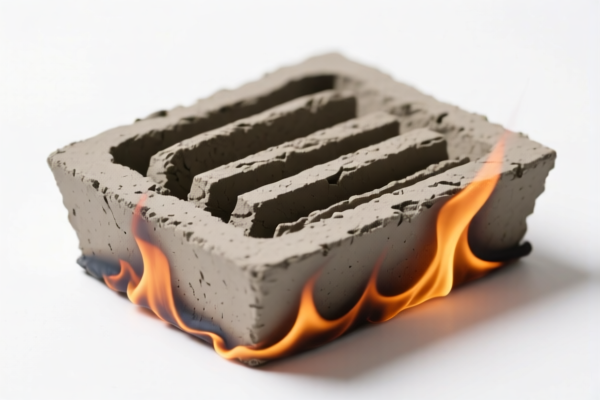
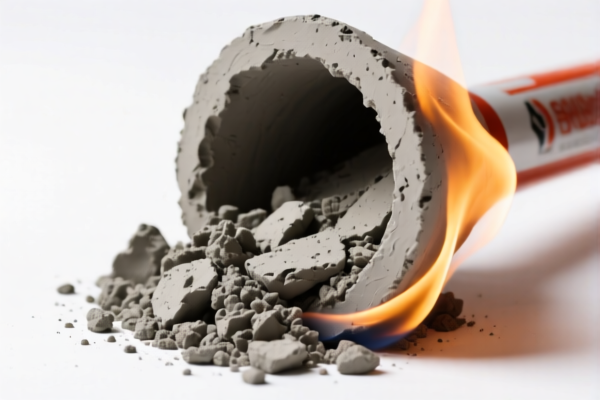
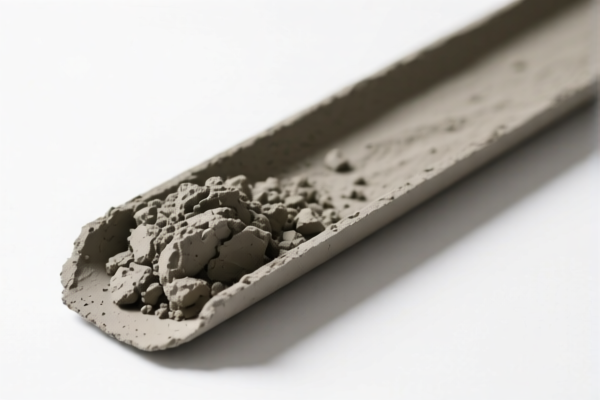

AI Analysis
🧱 High Strength Fire Resistant Mortar (Refractory Mortar)
🌐 HS Code Reference & Clearance Guide | 2026 Latest Tariff Analysis | Professional Clearance Strategy
📌 I. Product Definition & Classification: What is "High Strength Fire Resistant Mortar"?
High Strength Fire Resistant Mortar, often referred to as Refractory Mortar or Castable Refractory Mix, is a specialized construction material used for jointing, bedding, and repairing high-temperature industrial kilns, furnaces, and chimneys. It is composed of refractory aggregates (such as bauxite, alumina, or silica) bonded with inorganic or chemical binders.
In international trade, its classification depends heavily on its chemical composition, alumina (Al₂O₃) content, and physical form (powder vs. ready-mix). Misclassification is common because it can fall under "Mineral Products," "Ceramics," or "Chemical Preparations."
⚠️ Key Distinction Point:
- If it is primarily a mineral substance with high alumina content but not strictly a ceramic brick/mortar → Chapter 25
- If it meets specific alumina content thresholds for refractory ceramics → Chapter 69
- If it contains significant binders or additives making it a chemical preparation → Chapter 38
- If it is primarily lime-based for general construction rather than high-temp industrial use → Chapter 25/21
📦 II. HS Code Classification Details (2026 Latest Tariff Reference)
Based on the provided data, there are five potential HS Codes for this product. The correct one depends on the exact formulation and specification.
| HS Code | Product Description | Applicability | Tax Rate (Total) | Key Criteria |
|---|---|---|---|---|
2530.90.80.50 |
Mineral Products, N.E.C. (High Alumina) | Non-fired mineral mixtures containing bauxite/aluminum ore. | 10.0% | Classified as "Other mineral products." Base: 0%, Sec. 301: 0%, 122 Clause: 10%. |
2530.90.80.15 |
Aluminum Oxide Mineral/Inorganic Compounds | Contains aluminum oxide; fits "Other mineral substances." | 10.0% | Classified as inorganic compounds. Base: 0%, Sec. 301: 0%, 122 Clause: 10%. |
6902.20.10.20 |
Refractory Bricks/Mortar (High Alumina Content) | Meets specific alumina (Al₂O₃) content requirements for refractory ceramics. | 35.0% | Classified under Ceramic Refractories. Base: 0%, Sec. 301: 25%, 122 Clause: 10%. |
3816.00.20.10 |
Chemical Preparations for Refractory Use | Fits "Mortar material/category" under chemical preparations. | 38.0% | Classified as Chemical Prep. Base: 3%, Sec. 301: 25%, 122 Clause: 10%. |
2522.20.00.00 |
Lime-Based Building Materials | Contains lime components; matches quicklime/hydraulic lime properties. | 35.0% | Classified as Lime. Base: 0%, Sec. 301: 25%, 122 Clause: 10%. |
🔍 Critical Alert:
- Section 301 Tariffs (25%) apply to HS Codes6902.20.10.20,3816.00.20.10, and2522.20.00.00.
- Section 122 Tariffs (10%) apply to ALL listed HS Codes.
- Total Tax Burden ranges from 10% (Mineral classification) to 38% (Chemical classification).
- Misclassification Risk: Declaring a high-alumina ceramic mortar as2530.90.80.50to avoid the 25% Section 301 duty is a high-risk audit target.
💰 III. 2026 Latest Tariff Rate Breakdown (Including Surcharges & Policy Add-ons)
✅ Applicable Country: United States (US)
✅ Origin: China (CN)
✅ Effective Time: 2025/2026 Tariff Schedule
🎯 1. 2530.90.80.50 & 2530.90.80.15 —— Mineral/Inorganic Products (Lowest Tax)
| Item | Detail |
|---|---|
| Base Duty | 0% (ad valorem) |
| USITC Sec. 301 Surcharge | 0% |
| 122 Clause Surcharge | +10% |
| Total Duty Rate | 10% |
| Calculation | CIF Value × 10% |
| De Minimis Exemption | ❌ Not Eligible (High value/import type) |
| Legal Path | 122:9903.01.25 → USITC:2530.90.80.xx |
📌 Explanation:
- These codes classify the mortar as a raw mineral or inorganic compound, not a processed ceramic or chemical product.
- No Section 301 (25%) applies here, making this the most cost-effective classification IF the product strictly meets the "mineral product" definition (e.g., unbound or loosely bound mineral aggregates).
- Risk: U.S. Customs may challenge this if the product is a pre-mixed ready-to-use mortar with chemical binders.
🎯 2. 6902.20.10.20 —— Refractory Ceramics (High Alumina)
| Item | Detail |
|---|---|
| Base Duty | 0% |
| USITC Sec. 301 Surcharge | +25% |
| 122 Clause Surcharge | +10% |
| Total Duty Rate | 35% |
| Calculation | CIF Value × 35% |
| De Minimis Exemption | ❌ Not Eligible |
| Legal Path | IEEPA:9903.01.25 → USITC:6902.20.10.20 |
📌 Explanation:
- This is the standard classification for high-alumina refractory bricks/mortar that meet ceramic industry standards.
- Total 35% duty. High because it falls under Chapter 69 (Ceramics) with Section 301 penalties.
- Requirement: Must provide Al₂O₃ content analysis proving it meets the threshold for this subheading.
🎯 3. 3816.00.20.10 —— Chemical Preparations for Refractory Use
| Item | Detail |
|---|---|
| Base Duty | 3% |
| USITC Sec. 301 Surcharge | +25% |
| 122 Clause Surcharge | +10% |
| Total Duty Rate | 38% |
| Calculation | CIF Value × 38% |
| De Minimis Exemption | ❌ Not Eligible |
| Legal Path | IEEPA:9901.25 → USITC:3816.00.20.10 |
📌 Explanation:
- Applied if the mortar contains significant chemical binders, setting agents, or additives that define it as a "chemical preparation."
- Highest Tax (38%). Only use if the product is chemically complex and not purely mineral/ceramic.
🎯 4. 2522.20.00.00 —— Lime-Based Mortar
| Item | Detail |
|---|---|
| Base Duty | 0% |
| USITC Sec. 301 Surcharge | +25% |
| 122 Clause Surcharge | +10% |
| Total Duty Rate | 35% |
| Calculation | CIF Value × 35% |
| De Minimis Exemption | ❌ Not Eligible |
| Legal Path | IEEPA:9903.01.24 → USITC:2522.20.00.00 |
📌 Explanation:
- Applicable only if the primary binder is lime (e.g., hydraulic lime) and it is used for general building/reinforcing purposes rather than extreme high-temp refractory applications.
- Risk: If used in >1000°C furnaces, Customs may argue it is a refractory product (6902) rather than a lime product (2522).
🛠️ IV. Customs Clearance Practical Advice (Avoiding Pitfalls)
✅ 1. Document Checklist (Mandatory)
| Document | Required? | Notes |
|---|---|---|
| ✅ Product Specification Sheet | ✔️ | Must include chemical composition (especially Al₂O₃, SiO₂, CaO content) and temperature rating. |
| ✅ Technical Data Sheet (TDS) | ✔️ | Show application temperature, binding mechanism (chemical vs. physical), and packaging. |
| ✅ Photos (Label & Bulk) | ✔️ | Clear view of HS Code marking, net weight, and origin. |
| ✅ Certificate of Analysis (COA) | ✔️ | Third-party lab results for chemical composition. Critical for distinguishing between 2530, 6902, and 3816. |
| ✅ Commercial Invoice | ✔️ | Description must be precise: "High Alumina Refractory Mortar, Al₂O₃ > XX%" NOT just "Mortar." |
| ✅ Packing List | ✔️ | Net/Gross weight, number of units. |
✅ 2. Declaration Strategy (Key Tips)
🔥 "Character is King: Chemistry Defines Code!"
| Scenario | Recommended HS Code | Reason |
|---|---|---|
| Pure Mineral Mix (No chemical binder, just crushed bauxite + binder powder) | 2530.90.80.50 / 2530.90.80.15 |
Classified as mineral product. Lowest Tax (10%). |
| Pre-mixed Refractory Mortar (Ready-to-use, meets ceramic standards) | 6902.20.10.20 |
Classified as refractory ceramic. Standard Tax (35%). |
| Chemically Enhanced Mortar (Heavy additives, setting agents) | 3816.00.20.10 |
Classified as chemical preparation. Highest Tax (38%). |
| Lime-Based Construction Mortar (Low-temp, general building) | 2522.20.00.00 |
Classified as lime. Medium Tax (35%). |
⚠️ Do NOT:
- Declare refractory mortar as generic "building mortar" (HS 2523/2524) to avoid scrutiny. Customs will check the temperature resistance and alumina content.
- Under-declare value or split shipments to avoid de minimis checks.
✅ 3. Special Cases
| Case | Handling Suggestion |
|---|---|
| OEM Custom Formulation | Provide formula breakdown to prove if it’s mineral (2530) or chemical (3816). |
| High-Alumina (>50% Al₂O₃) | Likely 6902.20.10.20. Prepare for 35% duty. |
| Low-Alumina, High-Silica | May fall under 2530.90.80.50 (Mineral). |
| Mixed with Organic Binders | Could be reclassified to Chapter 39 or 38. Avoid this unless necessary. |
🌍 V. Global Market Comparison (2026)
| Country/Region | Recommended HS Code | Duty (China Origin) | Notes |
|---|---|---|---|
| 🇺🇸 USA | 2530.90.80.50 (if eligible) or 6902.20.10.20 |
10% or 35% | 122 Clause (+10%) applies to ALL. Section 301 (+25%) applies to 6902/3816/2522. |
| 🇨🇳 China (Import) | 2530.90.80.50 |
Low (~5-10%) | Less restrictive on mineral products. |
| 🇪🇺 EU | 6902.20 |
~6.5% | No Section 301 equivalent, but VAT applies. |
| 🇬🇧 UK | 6902.20 |
~6.5% | Post-Brexit rules apply. |
| 🇨🇦 Canada | 2530.90 or 6902.20 |
~5% | CUSMA benefits may apply if origin is US/Mexico. |
📌 Conclusion:
- The USA is the most challenging market due to Section 301 and Section 122 tariffs.
- Mineral classification (2530) offers significant savings (10% vs. 35%+) IF the product qualifies.
- Accurate chemical declaration is the #1 factor in duty minimization.
📌 VI. Common Errors & Pitfalls (Lessons Learned)
❌ Error 1: Declaring refractory mortar as 2523.30 (Cement)
👉 Consequence: Customs rejects due to lack of hydraulic properties; reclassification to 6902 (35% duty).
❌ Error 2: Claiming 2530.90.80.50 for a chemically bonded mortar
👉 Consequence: Audit findings, penalty for misclassification, back taxes + interest.
❌ Error 3: Ignoring the 122 Clause (10%)
👉 Consequence: Underpayment of duty. 122 applies to ALL listed HS Codes, so total tax is never just the base rate.
✅ Correct Practice:
"High Alumina Refractory Mortar, Powder Form, Al₂O₃ 60%, Bauxite Aggregate, For Kiln Lining, Net Weight 25kg"
🎯 VII. Conclusion: Strategic Classification for Cost Efficiency
🎯 Key Takeaway:
🔹 "Check the Chemistry, Not Just the Name!"
🔹 Mineral (2530) = 10% | Ceramic (6902) = 35% | Chemical (3816) = 38%
🔹 Always include the 122 Clause (+10%) in your cost model.📌 Pro Tip:
If your mortar is pre-mixed and meets ceramic industry standards (ASTM C-802, etc.), Customs will likely insist on6902.20.10.20(35%).
If it is loose mineral aggregates with a separate binder, argue for2530.90.80.50(10%) with strong chemical evidence.
📣 Immediate Action:
📞 Engage a Customs Broker to review your Technical Data Sheet.
📄 Apply for an Advance Ruling if the classification is ambiguous.
🚀 Optimize Supply Chain: Consider sourcing from non-China origins if duty savings outweigh logistics costs.
✨ Professional Clearance Starts with Precise Classification!
💼 Your Cost Structure Depends on the First 4 Digits of Your HS Code!
Customer Reviews
About HS Code Classification
The Harmonized System (HS) is an internationally standardized nomenclature developed by the World Customs Organization (WCO) to classify traded products. Over 200 countries use the HS system as the basis for customs tariffs, trade statistics, and import/export regulations.
Each HS code follows a hierarchical structure:
- Chapter (2 digits) — Broad category of goods (e.g., Chapter 84: Machinery and Mechanical Appliances)
- Heading (4 digits) — More specific grouping within the chapter
- Subheading (6 digits) — Internationally standardized breakdown, used by all WCO member countries
- National subdivisions (8-10 digits) — Country-specific extensions for further classification, such as US HTSUS 10-digit codes
Correct HS code classification is essential for smooth customs clearance, accurate duty payment, and compliance with trade regulations. Misclassification can lead to customs delays, overpayment of duties, or penalties.
When importing from CN to US, the applicable tariff rates may include:
- Most-Favored-Nation (MFN) rate — The standard duty rate applied to WTO members
- General rate — Applied to countries without trade agreements
- Trade remedy duties — Additional tariffs such as Section 301 (anti-dumping), Section 232 (national security), or countervailing duties
The information provided on this page is for reference purposes only. For official classification, please consult with your local customs authority or a licensed customs broker.