High Strength Plastic Synchronous Belt
CN → US| HS Code | Tariff Rate | Origin | Destination | Doc |
|---|---|---|---|---|
| 3926906010 | 39.2% | CN | US | Official Doc |
| 8431390010 | 35.0% | CN | US | Official Doc |
| 8431499084 | 85.0% | CN | US | Official Doc |
| 3926906010 | 39.2% | CN | US | Official Doc |
| 3926906010 | 39.2% | CN | US | Official Doc |
Product Images
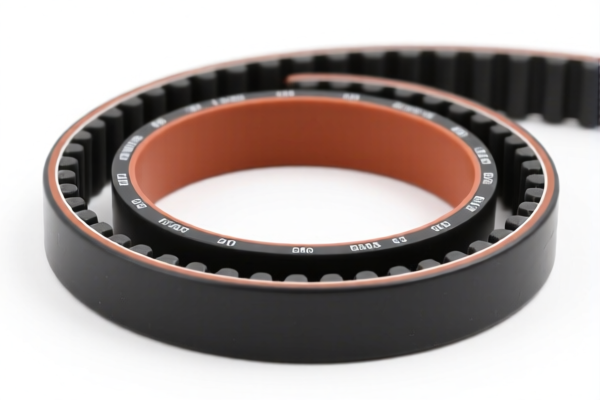
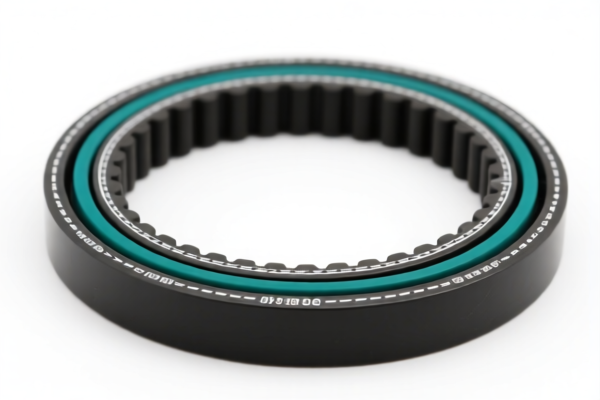
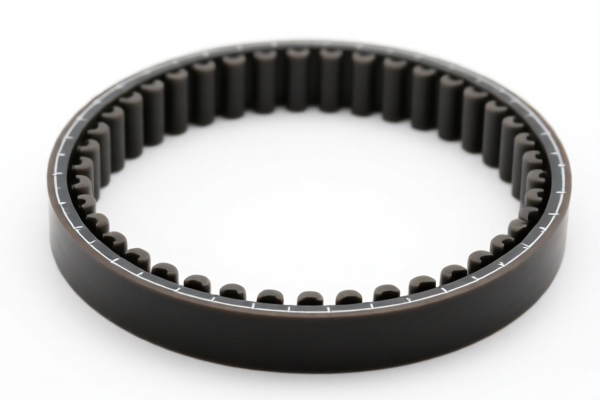
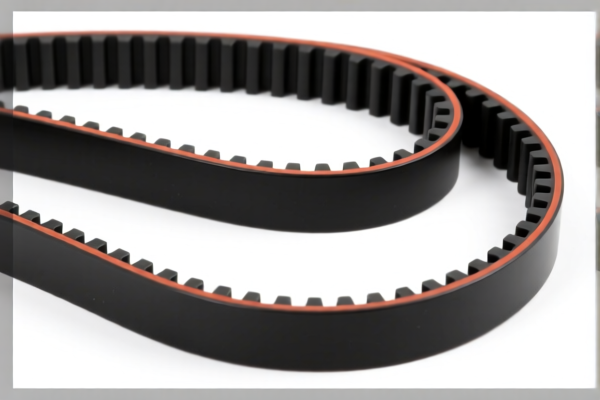
AI Analysis
🎞️ High Strength Plastic Synchronous Belt (高强度塑料同步带)
🌐 HS Code Reference & Customs Clearance Guide | 2026 Latest Tariff Analysis | Strategic Compliance Strategy
📌 Part 1: Product Definition & Classification: Do You Know What You’re Shipping?
A High Strength Plastic Synchronous Belt is a specialized transmission component used to transfer power or motion without slippage. In international trade, its classification hinges on two critical factors:
1. Material: Plastic (usually reinforced with materials like aramid or glass fiber for "high strength," but legally categorized under plastic articles if plastic is the primary constituent or defining feature).
2. Function/Form: Is it a standalone belt (Chapter 39) or a part of a specific machine (Chapter 84)?
⚠️ Key Distinction:
- If the belt is classified as a general plastic article with a specific use (synchronous driving) → 3926.90.60.10.
- If the belt is considered a part of a conveyor system (specifically for conveyors) → 8431.39.00.10.
- If the belt is viewed as a generic mechanical part/component (semi-finished or fallback category) → 8431.49.90.84.
📦 Part 2: HS Code Classification Details (2026 Latest Tariff Authority Match)
| HS Code | Product Description | Application Scenario | Key Classification Logic |
|---|---|---|---|
3926.90.60.10 |
Plastic synchronous belts; high strength | Standalone timing belts for general mechanical transmission | Exact Match: Material is plastic, form/function is a synchronous belt. Fits the specific subheading for plastic synchronous belts. |
8431.39.00.10 |
Plastic synchronous conveyor belts | Parts for conveyor systems | Conveyor Part: Treated as a part of a conveyor system. Fits "parts of conveyors" category. |
8431.49.90.84 |
Plastic synchronous transmission belts (mechanical parts) | Mechanical components / semi-finished goods | Fallback/General Part: Classified as "other parts of mechanical handling equipment." Uses the general fallback principle for mechanical parts not specifically listed elsewhere. |
3926.90.60.10 |
Plastic synchronous belts (reiterated) | Standalone timing belts | Consistency: Re-confirms that "plastic material + synchronous belt form" aligns perfectly with this code. |
8431.39.00.10 |
High strength plastic belt (conveyor component) | Key component of conveyor systems | System Integration: Even if "high strength," if it's integral to a conveyor, it falls under conveyor parts. |
🔍 Critical Note:
- 3926.90.60.10 is often the most precise if the product is sold as a standalone belt with no immediate mounting to a specific machine.
- 8431.39.00.10 applies when the context is explicitly conveyor systems.
- 8431.49.90.84 carries a significantly higher risk due to additional steel/aluminum/copper surcharges mentioned in the data.
💰 Part 3: 2026 Latest Tariff Rate Breakdown (Including Surcharges & Policy Add-ons)
✅ Applicable Country: United States (US)
✅ Origin: China (CN)
✅ Effective Date: 2025/2026 Regime (Based on provided data context)
🎯 1. 3926.90.60.10 — Plastic Synchronous Belts (Best Case for Standard Belts)
| Item | Content |
|---|---|
| Base Tariff | 4.2% |
| Section 301 Surcharge | +25.0% |
| Section 122 Tariff | +10.0% |
| Total Tariff Rate | 39.2% |
| Tax Calculation | CIF Value × 39.2% |
| De Minimis Eligibility | ❌ No (Deny De Minimis) |
| Legal Basis Path | Base Rate (4.2%) → Section 301 (25%) → Section 122 (10%) |
📌 Explanation:
- Base (4.2%): Standard Most Favored Nation (MFN) rate for other plastic articles.
- Section 301 (25%): Standard US trade remedy tariffs on Chinese goods.
- Section 122 (10%): Additional tariff under Trade Act of 1974, Section 122, for national security/economic reasons.
- Total: A high but stable rate. No additional metal surcharges apply here.
🎯 2. 8431.39.00.10 — Conveyor Belt Parts (Lower Base, Same Surcharges)
| Item | Content |
|---|---|
| Base Tariff | 0.0% |
| Section 301 Surcharge | +25.0% |
| Section 122 Tariff | +10.0% |
| Total Tariff Rate | 35.0% |
| Tax Calculation | CIF Value × 35.0% |
| De Minimis Eligibility | ❌ No |
| Legal Basis Path | Base Rate (0.0%) → Section 301 (25%) → Section 122 (10%) |
📌 Advantage:
- This code has a 0% base rate, resulting in a lower total tariff (35%) compared to 3926.
- Suitable if the product can be clearly documented as a part of a conveyor system.
🎯 3. 8431.49.90.84 — Other Mechanical Parts (Highest Risk!)
| Item | Content |
|---|---|
| Base Tariff | 0.0% |
| Section 301 Surcharge | +25.0% |
| Section 122 Tariff | +10.0% |
| Steel/Aluminum/Copper Surcharge | +50.0% (if applicable components are metal-reinforced) |
| Total Tariff Rate | 85.0% |
| Tax Calculation | CIF Value × 85.0% |
| De Minimis Eligibility | ❌ No |
| Legal Basis Path | Base (0%) → Section 301 (25%) → Section 122 (10%) → Metal Surcharge (50%) |
🚨 WARNING:
- This code triggers an additional 50% surcharge for steel, aluminum, or copper products/components.
- Even if the belt is "plastic," if it contains metal reinforcement (common for "high strength"), customs may interpret this broadly or classify it under this fallback code if not precisely defined as a conveyor part.
- Total 85% is prohibitive for most commercial shipments.
🛠️ Part 4: Customs Clearance Practical Advice (Pitfall Avoidance Guide)
✅ 1. Document Preparation Checklist (Non-Negotiable)
| Document | Required? | Description |
|---|---|---|
| ✅ Product Specification Sheet | ✔️ | Must detail: Material (Plastic type), Reinforcement (if any), Width, Length, Tooth Profile, Tensile Strength. |
| ✅ Technical Diagram | ✔️ | Show that it is a synchronous belt (with teeth) and not a flat conveyor belt. |
| ✅ Commercial Invoice | ✔️ | Clearly state: "Plastic Synchronous Belt, for Mechanical Transmission/Conveyor." Avoid vague terms like "Plastic Part." |
| ✅ Origin Certificate | ✔️ | Essential for applying correct Section 301/122 rates. |
| ✅ Usage Declaration | ✔️ | Explicitly state: "Used as a component in Conveyor Systems" (for 8431) OR "General Mechanical Transmission Belt" (for 3926). |
✅ 2. Classification Strategy & Declaration Tips
🔥 Golden Rule: "Context is King: Conveyor vs. General Belt!"
| Scenario | Recommended HS Code | Tariff Rate | Risk Level |
|---|---|---|---|
| Standalone Belt (No machine context) | 3926.90.60.10 |
39.2% | 🟢 Low (Clear match) |
| Conveyor System Part (Documented) | 8431.39.00.10 |
35.0% | 🟡 Medium (Requires proof of conveyor use) |
| Generic Mechanical Part (Vague) | 8431.49.90.84 |
85.0% | 🔴 CRITICAL HIGH RISK |
📌 Strategy:
- If exporting for general machinery: Use 3926.90.60.10. It is the most accurate for "plastic synchronous belts" as a commodity.
- If part of a conveyor line: Use 8431.39.00.10. It saves 4.2% compared to 3926.
- NEVER use 8431.49.90.84 unless absolutely necessary. The 50% metal surcharge is a deal-breaker. Even if the belt is plastic, if it has metal cords, customs may apply the metal surcharge under this code.
✅ 3. Special Handling for "High Strength"
| Feature | Clearance Implication |
|---|---|
| Metal Reinforcement (Aramid/Glass Fiber) | Ensure the invoice specifies "Plastic Composite." Avoid emphasizing "Steel" or "Metal" unless classified correctly. |
| "Synchronous" Feature | Highlight "Timing Belt" or "Synchronous" in the description to distinguish from flat belts (which might go to different codes). |
| Pre-mounted vs. Loose | If pre-mounted on a machine, declare as parts of the machine. If loose, declare as belt. |
🌍 Part 5: Global Market Comparison (2026 Context)
| Country/Region | Recommended HS Code | Estimated Tariff | Certification | Notes |
|---|---|---|---|---|
| 🇺🇸 USA | 3926.90.60.10 or 8431.39.00.10 |
35% - 39.2% | N/A | Avoid 8431.49.90.84 (85%) due to Section 122 & Metal Surcharges. |
| 🇨🇳 China | 3926.90.60.10 |
~5-10% | CE/ROHS (if exported) | Standard MFN rates apply. |
| 🇪🇺 EU | 3926.90.97 or 8431.49.90 |
0% - 4% | CE | Lower tariffs than US. |
| 🇬🇧 UK | 3926.90.90 |
0% - 4% | UKCA | Post-Brexit rates similar to EU. |
📌 Conclusion:
- The US market is the most expensive due to Section 301 and Section 122 tariffs.
- Choosing the right HS Code is critical: Saving 4.2% (by using 8431) or avoiding 85% (by avoiding 8431.49) makes a huge difference in profit margins.
📌 Part 6: Common Mistakes & Pitfalls (Lessons Learned)
❌ Mistake 1: Classifying a conveyor belt part as a generic mechanical part (8431.49.90.84)
👉 Consequence: 85% Tariff! The 50% steel/aluminum surcharge is applied incorrectly or broadly.
❌ Mistake 2: Declaring "Plastic Belt" without specifying "Synchronous"
👉 Consequence: Customs may misclassify as a flat belt or other plastic article, leading to delays or higher base rates.
❌ Mistake 3: Ignoring Section 122 Tariff
👉 Consequence: Underpayment of 10% tariff, leading to audits, penalties, and back taxes.
❌ Mistake 4: Assuming "High Strength" means "Metal"
👉 Consequence: If metal reinforcement is present, customs may scrutinize the product for steel/aluminum surcharges. Clearly define the primary material as Plastic Composite.
✅ Correct Practice:
"Plastic Synchronous Belt, High Strength, Aramid Reinforcement, for Mechanical Transmission, Model XYZ"
🎯 Part 7: Conclusion: Precision in Classification Saves Money!
🎯 Key Takeaways:
🔹 For General Use: Use 3926.90.60.10 (39.2% Total). Safe and accurate.
🔹 For Conveyor Systems: Use 8431.39.00.10 (35.0% Total). Saves 4.2%.
🔹 AVOID: 8431.49.90.84 (85.0% Total). Too expensive due to surcharges.
📌 Pro Tip:
Always provide technical datasheets that explicitly state the material composition and intended application (Conveyor vs. General Transmission) to support your chosen HS Code.
📣 Immediate Action:
📞 Consult with a licensed customs broker to verify the exact construction of your belt (especially reinforcement materials).
📝 Ensure your commercial invoice matches the HS Code definition precisely.
🚀 Optimize your tariff burden by choosing the right classification!
✨ Professional Customs Compliance, Starting with Accurate Classification!
💼 Your Cost Efficiency Depends on Every Percentage Point!
Customer Reviews
About HS Code Classification
The Harmonized System (HS) is an internationally standardized nomenclature developed by the World Customs Organization (WCO) to classify traded products. Over 200 countries use the HS system as the basis for customs tariffs, trade statistics, and import/export regulations.
Each HS code follows a hierarchical structure:
- Chapter (2 digits) — Broad category of goods (e.g., Chapter 84: Machinery and Mechanical Appliances)
- Heading (4 digits) — More specific grouping within the chapter
- Subheading (6 digits) — Internationally standardized breakdown, used by all WCO member countries
- National subdivisions (8-10 digits) — Country-specific extensions for further classification, such as US HTSUS 10-digit codes
Correct HS code classification is essential for smooth customs clearance, accurate duty payment, and compliance with trade regulations. Misclassification can lead to customs delays, overpayment of duties, or penalties.
When importing from CN to US, the applicable tariff rates may include:
- Most-Favored-Nation (MFN) rate — The standard duty rate applied to WTO members
- General rate — Applied to countries without trade agreements
- Trade remedy duties — Additional tariffs such as Section 301 (anti-dumping), Section 232 (national security), or countervailing duties
The information provided on this page is for reference purposes only. For official classification, please consult with your local customs authority or a licensed customs broker.