High Strength Polypropylene Bag
CN → US| HS Code | Tariff Rate | Origin | Destination | Doc |
|---|---|---|---|---|
| 3923290000 | 38.0% | CN | US | Official Doc |
| 6305330080 | 25.9% | CN | US | Official Doc |
| 6305330010 | 25.9% | CN | US | Official Doc |
| 3923210011 | 38.0% | CN | US | Official Doc |
| 3923210080 | 38.0% | CN | US | Official Doc |
Product Images
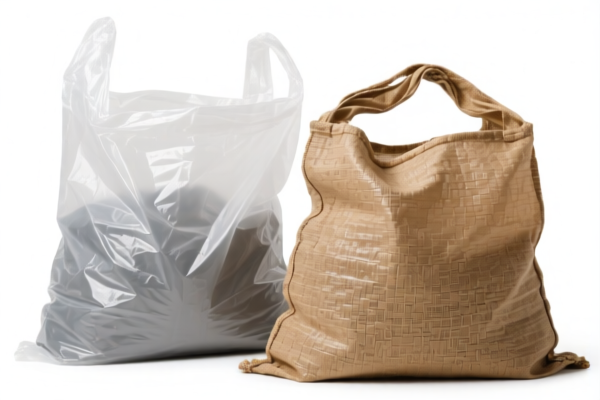
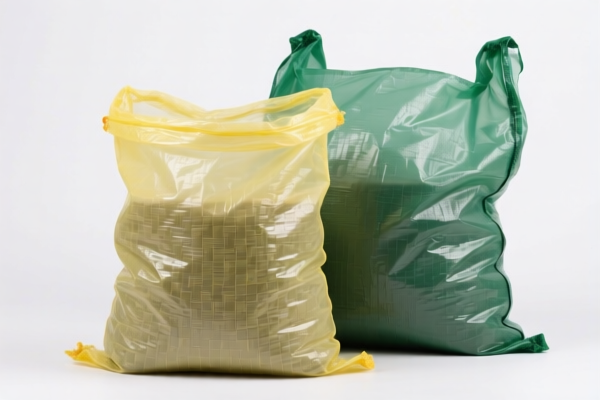
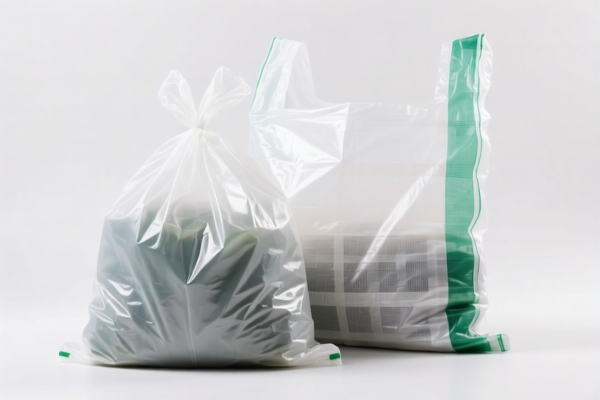
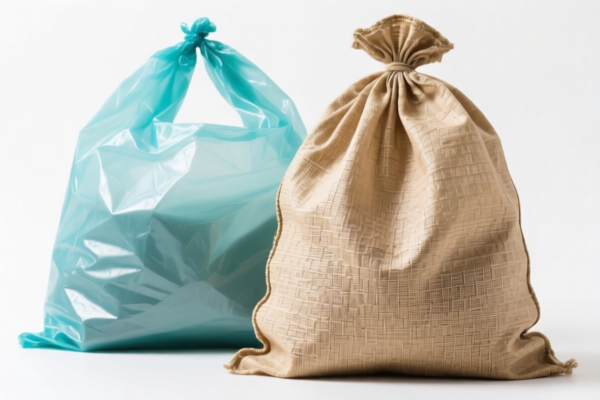
AI Analysis
🎒 High Strength Polypropylene (PP) Bag – HS Code Classification & Tariff Deep Dive (2026)
🌐 HS Code Reference & Clearance Guide | 2026 Latest Tariff Analysis | Professional Customs Strategy
📌 One: Product Definition & Classification: Do You Really Understand "PP Woven Bags"?
High Strength Polypropylene Bags are widely used in the packaging of agricultural products, chemicals, building materials, and industrial goods. In international trade, their classification depends strictly on material composition (Polypropylene vs. Polyethylene) and structural form (Woven vs. Non-woven/Other).
Key Distinction Points: - Polypropylene (PP) Woven Bags: Made from PP strips woven into fabric, then laminated or printed. Classified primarily under Chapter 63 (Textiles/Articles of Apparel) or Chapter 39 (Plastics), depending on specific sub-headings. - Polyethylene (PE) Bags: Usually films or simple sacks. Classified under Chapter 39.21 or 39.23. - High Strength: This is a performance descriptor, not a classification factor. However, it often implies reinforced weaving, which may still fall under standard woven bag categories.
⚠️ Critical Note:
- If the bag is PP woven, it is most commonly classified under HS 6305.33 (Woven sacks of polypropylene).
- If misclassified as a general plastic bag (3923), it may face higher duties or scrutiny.
- US Importers: Pay close attention to Section 301 and IEEPA additional tariffs!
📦 Two: HS Code Classification Details (2026 Latest Tariff Authority Cross-Reference)
Based on the provided data, here are the valid HS Codes for High Strength PP Bags and related items:
| HS Code | Product Description | Material | Form | Applicable Scenario |
|---|---|---|---|---|
| 6305.33.00.80 | Polypropylene woven bag, suitable for packaging goods | Polypropylene (PP) | Woven Bag | Standard industrial PP woven sacks, printed or unprinted, for bulk goods |
| 6305.33.00.10 | Polypropylene woven bag, categorized as packaging bags for goods | Polypropylene (PP) | Woven Bag | Similar to above, often used for specific domestic sub-codes in some jurisdictions |
| 3923.29.00.00 | Polypropylene woven bag, plastic packaging supply | Polypropylene (PP) | Woven Bag | Alternative classification if viewed strictly as a "plastic article" rather than textile |
| 3923.21.00.11 | Polyethylene bag, plastic packaging supply | Polyethylene (PE) | Bag | For PE bags, not PP. Included for comparison |
| 3923.21.00.80 | Polyethylene bag, fully compliant with plastic packaging definition | Polyethylene (PE) | Bag | For PE bags, not PP. Included for comparison |
🔍 Key Insight:
- 6305.33.00.80 and 6305.33.00.10 are the most accurate for PP woven bags.
- 3923.29.00.00 is an alternative for PP woven bags but may attract different tariff rates (see below).
- 3923.21.xxxx codes are for Polyethylene (PE), not Polypropylene. Do NOT use these for PP bags.
💰 Three: 2026 Latest Tariff Rate Breakdown (Including Additional Taxes & Policy Surcharges)
✅ Applicable Country: United States (US)
✅ Origin: China (CN)
✅ Effective Date: 2025/2026 (Current Trade War Terms)
🎯 1. 6305.33.00.80 & 6305.33.00.10 — Polypropylene Woven Bags (Textile Category)
| Item | Detail |
|---|---|
| Base Tariff Rate | 8.4% (ad valorem) |
| Section 301 Additional Tariff | +7.5% |
| IEEPA Additional Tariff (122 Clause) | +10% |
| Total Tariff Rate | 25.9% |
| Tax Calculation | CIF Value × 25.9% |
| De Minimis Eligibility | ❌ No (Deny de minimis for China-origin goods under current rules) |
| Legal Basis Path | HTSUS:6305.33.00.80 → Section 301: Footnote 9903.88.01 → IEEPA:122 Clause |
📌 Explanation:
- These HS codes fall under Chapter 63 (Other Made Up Articles), which generally has a higher base rate than plastic articles.
- Section 301 adds 7.5% for textile-like plastic bags.
- IEEPA 10% is a blanket surcharge on many Chinese imports.
- Total: 25.9% is the standard rate for PP woven bags from China to the US.
🎯 2. 3923.29.00.00 — Polypropylene Woven Bag (Plastic Article Category)
| Item | Detail |
|---|---|
| Base Tariff Rate | 3.0% (ad valorem) |
| Section 301 Additional Tariff | +25.0% |
| IEEPA Additional Tariff (122 Clause) | +10% |
| Total Tariff Rate | 38.0% |
| Tax Calculation | CIF Value × 38.0% |
| De Minimis Eligibility | ❌ No |
| Legal Basis Path | HTSUS:3923.29.00.00 → Section 301: Footnote 9903.88.01 → IEEPA:122 Clause |
📌 Warning:
- Although the base rate is lower (3.0% vs 8.4%), the Section 301 surcharge is much higher (25% vs 7.5%).
- Total Tariff: 38.0% is 12.1% higher than the 6305 classification.
- Recommendation: Always classify PP woven bags under 6305.33, not 3923, to save significant tariff costs.
🎯 3. 3923.21.00.11 & 3923.21.00.80 — Polyethylene Bags (For Comparison Only)
| Item | Detail |
|---|---|
| Base Tariff Rate | 3.0% |
| Section 301 Additional Tariff | +25.0% |
| IEEPA Additional Tariff | +10% |
| Total Tariff Rate | 38.0% |
| Note | These are for Polyethylene (PE), not PP. Do not use for PP bags. |
🛠️ Four: Clearance Practical Advice (Real-World Pitfall Avoidance Guide)
✅ 1. Required Documentation Checklist (All Mandatory)
| Document | Must Provide | Explanation |
|---|---|---|
| ✅ Product Specification Sheet | ✔️ | Specify material: Polypropylene (PP), weave density, weight, dimensions |
| ✅ Photos of Bag | ✔️ | Clear images showing woven texture, print, and closure type |
| ✅ Commercial Invoice | ✔️ | Clearly state: "Polypropylene Woven Bag, HS Code 6305.33.00.80" |
| ✅ Packing List | ✔️ | Total quantity, gross/net weight |
| ✅ Material Certificate | ✔️ | Confirm PP composition (not PE, not blended) |
| ✅ Bill of Lading | ✔️ | Standard shipping document |
📌 Key Tip:
- Do NOT describe the product as "Plastic Bag" generically. Specify "Polypropylene Woven Bag".
- Do NOT use HS Code 3923.29 unless you are explicitly advised by a customs broker to do so (e.g., if the bag is non-woven or has special laminations).
✅ 2. Declaration Tips (Key Mantra)
🔥 “PP Woven, Six-Thirty-Five, Not Thirty-Nine, Save Ten Percent Plus!”
| Scenario | Correct Declaration | Wrong Declaration |
|---|---|---|
| PP Woven Bag | 6305.33.00.80 |
3923.29.00.00 → 38% vs 25.9% tariff |
| PE Bag | 3923.21.00.11 |
6305.33.00.80 → Wrong classification, possible penalty |
| Non-Woven PP Bag | 5603.14.xxxx or 6305.33 (if applicable) |
3923.29.00.00 → Risk of reclassification |
✅ 3. Special Handling Cases
| Situation | Advice |
|---|---|
| OEM Custom Printing | Provide proof of printing service; still classified as 6305.33 |
| Multi-Layer Bag (PP+PE Lamination) | If PP is the dominant material, still 6305.33. If PE dominates, 3923.21. |
| Reusable High-Strength Sacks | Still 6305.33 if woven PP. |
| Small Samples (< $800) | No De Minimis Exemption for China-origin goods under current IEEPA rules. Pay full tariff. |
🌍 Five: Global Market Comparison (2026 Latest)
| Country/Region | Recommended HS Code | Total Tariff (China Origin) | Certification Requirements | Notes |
|---|---|---|---|---|
| 🇺🇸 USA | 6305.33.00.80 |
25.9% | None specific | 38.0% if misclassified as 3923 |
| 🇨🇳 China | 6305.33.00.80 |
8.4% | None | No additional surcharges |
| 🇪🇺 EU | 6305.33.00.80 |
3.9% | CE (if for specific use) | Lower base rates |
| 🇬🇧 UK | 6305.33.00.80 |
3.9% | None | Post-Brexit tariffs aligned with EU in many cases |
| 🇦🇺 Australia | 6305.33.00.80 |
5.0% | None | FTAs may apply |
📌 Conclusion:
- USA has the highest effective tariff for PP woven bags due to Section 301 and IEEPA.
- Misclassification as 3923 increases US tariff by 12.1%. Always use 6305.33.
- For other markets, ensure local customs accept6305.33for woven PP bags.
📌 Six: Common Mistakes & Pitfall Avoidance (Blood Lessons)
❌ Mistake 1: Using HS Code 3923.29.00.00 for PP woven bags
👉 Result: 38% tariff instead of 25.9% → Extra 12.1% cost!
❌ Mistake 2: Describing as "Plastic Bag" without specifying "Woven"
👉 Result: Customs may reclassify to 3923.21 (if PE) or 6305.33 (if PP), causing delays.
❌ Mistake 3: Ignoring IEEPA 10% surcharge
👉 Result: Under-declaration → Penalties + Interest.
❌ Mistake 4: Assuming De Minimis ($800) applies
👉 Result: No de minimis for China-origin goods under current IEEPA. Pay full tax.
✅ Correct Practice:
"Polypropylene Woven Bag, High Strength, 50kg Capacity, Printed, HS Code 6305.33.00.80, Made in China"
🎯 Seven: Conclusion: Precise Classification Saves Money!
🎯 Remember the Mantra:
🔹 "PP Woven is 6305, Not 3923. 25.9% is the Truth, 38% is a Ruthless Crush!"
🔹 "Specify Material, Specify Form, Avoid Tariff Storm!"
📌 Pro Tip:
If your PP bags are originating from Vietnam, Thailand, or Malaysia, you may qualify for lower tariffs or FTAs.
Consider supply chain diversification to mitigate US trade war risks.
📣 Immediate Action:
📞 Contact a licensed customs broker
📋 Provide product photos and material specs
🚀 Apply for an Advance Ruling if volume is high
Clear customs smoothly, boost profits, stay compliant!
✨ Professional Clearance Starts with Precise Classification!
💼 Every cent saved is profit earned!
Customer Reviews
About HS Code Classification
The Harmonized System (HS) is an internationally standardized nomenclature developed by the World Customs Organization (WCO) to classify traded products. Over 200 countries use the HS system as the basis for customs tariffs, trade statistics, and import/export regulations.
Each HS code follows a hierarchical structure:
- Chapter (2 digits) — Broad category of goods (e.g., Chapter 84: Machinery and Mechanical Appliances)
- Heading (4 digits) — More specific grouping within the chapter
- Subheading (6 digits) — Internationally standardized breakdown, used by all WCO member countries
- National subdivisions (8-10 digits) — Country-specific extensions for further classification, such as US HTSUS 10-digit codes
Correct HS code classification is essential for smooth customs clearance, accurate duty payment, and compliance with trade regulations. Misclassification can lead to customs delays, overpayment of duties, or penalties.
When importing from CN to US, the applicable tariff rates may include:
- Most-Favored-Nation (MFN) rate — The standard duty rate applied to WTO members
- General rate — Applied to countries without trade agreements
- Trade remedy duties — Additional tariffs such as Section 301 (anti-dumping), Section 232 (national security), or countervailing duties
The information provided on this page is for reference purposes only. For official classification, please consult with your local customs authority or a licensed customs broker.