High Strength Synthetic Rubber
CN → US| HS Code | Tariff Rate | Origin | Destination | Doc |
|---|---|---|---|---|
| 3911907000 | 35.0% | CN | US | Official Doc |
| 3911901000 | 35.0% | CN | US | Official Doc |
| 4002990000 | 35.0% | CN | US | Official Doc |
| 4002190019 | 35.0% | CN | US | Official Doc |
| 4005200000 | 35.0% | CN | US | Official Doc |
Product Images
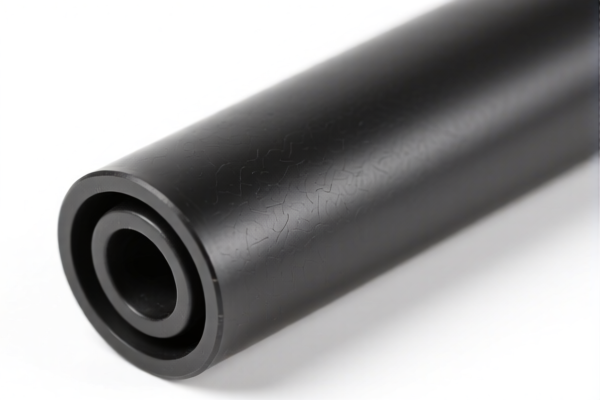
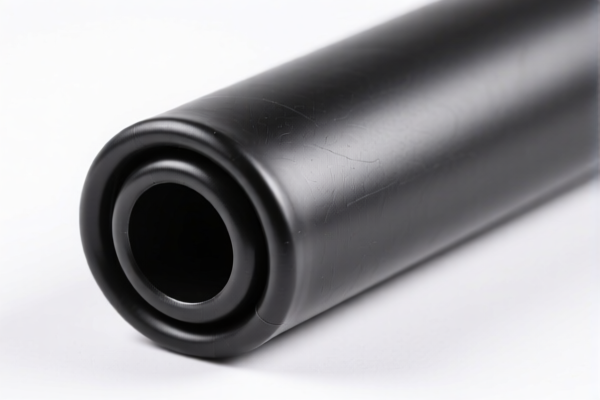
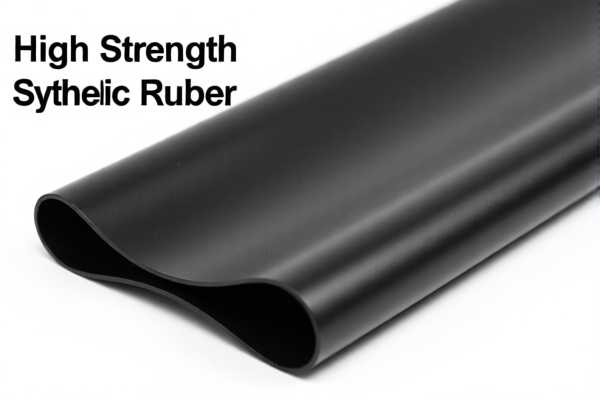
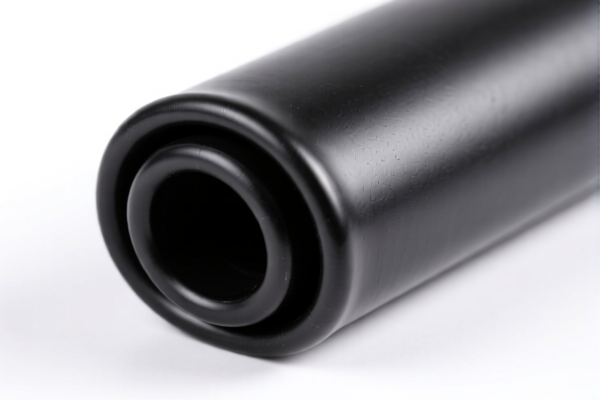
AI Analysis
🛢️ High Strength Synthetic Rubber
🌐 HS Code Reference & Customs Clearance Guide | 2026 Latest Tariff Analysis | Professional Clearance Strategy
📌 I. Product Definition & Classification: What Exactly is "High Strength Synthetic Rubber"?
"High Strength Synthetic Rubber" is a broad commercial term referring to elastomers engineered for superior mechanical properties, specifically high tensile strength, tear resistance, and durability. In international trade, this generic name is not sufficient for customs declaration. The correct HS Code depends entirely on the chemical composition, state of processing (vulcanized/unvulcanized), and specific application.
Misclassification is the #1 risk for rubber imports, often leading to disputes over whether the product falls under Chapter 39 (Plastics) or Chapter 40 (Rubber).
⚠️ Key Distinction Points:
- Is it a polymer resin/plastic-like material? → Might fall under Chapter 39 (3911).
- Is it a traditional elastomer (natural or synthetic rubber)? → Falls under Chapter 40 (4002, 4005).
- Is it pre-mixed/unvulcanized? → Specific codes apply (4005).
- Is it a petroleum-derived specific type? → Specific codes apply (4002.19).
📦 II. HS Code Classification Details (2026 Latest Tariff Authority Comparison)
Based on the provided data, there are five potential HS Codes depending on the precise nature of the "High Strength Synthetic Rubber."
| HS Code | Product Description | Applicable Scenario | Key Characteristic |
|---|---|---|---|
3911.90.70.00 |
Other synthetic rubber products | General "High Strength" rubber where classification as a polymer resin is preferred over traditional rubber | Categorized under "Other" items in Chapter 39 |
3911.90.10.00 |
Sulphide rubber & similar elastomers | High-strength rubber meeting the definition of polysulfides or related elastomers | Specific chemical category (Polysulfide) |
4002.99.00.00 |
Other synthetic rubber (unmixed/unformulated) | General synthetic rubber, not specifically named in other subheadings (e.g., not SBR, NBR specifically listed) | "Other" category in Chapter 40 |
4002.19.00.19 |
Petroleum-derived synthetic rubber | High-strength rubber derived specifically from petroleum sources (non-latex) | Specific origin/derivation (Petroleum-based) |
4005.20.00.00 |
Unvulcanized compounded rubber | High-strength rubber that has been mixed/compounded with additives but is not yet vulcanized | State: Unvulcanized + Compounded/Milled |
🔍 Critical Reminder:
- Chapter 39 (3911) vs. Chapter 40 (4002/4005): The distinction often lies in whether the material is viewed more like a plastic resin or a traditional elastomer. Polysulfides (3911.90.10.00) are specifically categorized in Ch 39.
- Vulcanization Status: If the rubber is unvulcanized and compounded (mixed with carbon black, antioxidants, etc.), it must go to 4005.20.00.00. If it is unvulcanized but not compounded, it may go to 4002.
- Petroleum Derivation: If the supplier certifies it is petroleum-derived, 4002.19.00.19 is the precise fit.
💰 III. 2026 Latest Tariff Rate Breakdown (Including Surcharges & Policy Add-ons)
✅ Applicable Country: United States (US)
✅ Origin: China (CN)
✅ Effective Date: 2025/2026 (Current Active Rates)
For ALL the HS Codes listed above, the tariff structure is identical due to the current trade policy status.
🎯 Universal Tariff Structure for High Strength Synthetic Rubber
| Item | Content |
|---|---|
| Base Tariff Rate | 0.0% (Ad Valorem) |
| Section 301 Additional Tariff | +25.0% (USITC Footnote regarding China-origin goods) |
| Section 122 Additional Tariff | +10.0% (Specific 122 Clause Tariff for Chinese products) |
| Total Effective Tax Rate | 35.0% |
| Tax Calculation | CIF Value × 35% |
| De Minimis Exemption | ❌ NOT APPLICABLE (deny_de_minimis) |
| Legal Basis Path | USITC:301 → 32CFR:122 → Section 301:25% + Section 122:10% |
📌 Explanation:
- "Base Tariff 0%": Many synthetic rubbers have low base MFN rates.
- "Section 301 Tariff 25%": This is the standard punitive tariff on Chinese manufacturing goods under the US Trade Act.
- "122 Clause Tariff 10%": This specific clause adds an extra layer of duty, bringing the total surcharge to 35% on top of the 0% base.
- Total 35%: This is a high-cost import category. Profit margins must be carefully calculated to absorb this duty.
🛠️ IV. Customs Clearance Operational Advice (Practical Pitfall Avoidance)
✅ 1. Required Documentation Checklist (Non-negotiable)
| Document | Must Provide? | Explanation |
|---|---|---|
| ✅ Technical Data Sheet (TDS) | ✔️ | Must specify chemical composition (e.g., Polysulfide vs. Petroleum-based) to justify HS Code. |
| ✅ MSDS (Safety Data Sheet) | ✔️ | Required for hazardous material review; confirms it is rubber/elastomer. |
| ✅ Certificate of Origin (CO) | ✔️ | Proves China origin to apply/verify 301 & 122 duties. |
| ✅ Commercial Invoice | ✔️ | Must clearly state "High Strength Synthetic Rubber" AND specific type (e.g., "Unvulcanized Compounded"). |
| ✅ Bill of Lading | ✔️ | Standard shipping document. |
| ✅ Unvulcanization Statement | ✔️ | If claiming 4005.20.00.00, you must prove it is NOT vulcanized. |
| ✅ Petroleum Derivation Proof | ✔️ | If claiming 4002.19.00.19, evidence of petroleum source is needed. |
✅ 2. Declaration Tips (Key Mnemonics)
🔥 “Chemical Specificity Saves Money, State Defines the Code!”
| Scenario | Correct HS Code | Wrong Code (Risk) |
|---|---|---|
| Polysulfide Rubber | 3911.90.10.00 |
4002.99.00.00 → Potential dispute over Chapter 39 vs 40 |
| Petroleum-based, Unmixed | 4002.19.00.19 |
4002.99.00.00 → "Other" is less precise; audit risk |
| Unvulcanized + Compounded | 4005.20.00.00 |
4002.99.00.00 → Major error: Mixing status changes code |
| General "Other" Synthetic | 4002.99.00.00 or 3911.90.70.00 |
Depends on material definition (Plastic vs. Rubber) |
📌 Note:
- If the rubber is vulcanized (already shaped/cured), it likely does NOT fall into any of these codes (which are mostly raw materials). It might fall under Chapter 40 items or Chapter 39 parts. Ensure the product is raw material. - Do not use vague terms like "Rubber Sheet" or "Elastomer Block." Use specific chemical names.
✅ 3. Special Situations Handling
| Situation | Handling Advice |
|---|---|
| OEM Custom Blend | Provide formula sheet or ingredient list. If it’s compounded, use 4005.20.00.00. |
| Mixed Shipment (Rubber + Plastic) | Declare separately. Do not bundle different chapters. |
| Polymer Resin vs. Rubber | If the material behaves more like a thermoplastic, customs may insist on 3911. Consult with a broker if unsure. |
| High Duty Cost | 35% is significant. Consider Duty Deferral programs if eligible, or verify if any Exclusions (if any exist for specific rubber types) apply. Note: Current data shows no exclusions. |
🌍 V. Global Market Comparison (2026 Context)
| Country/Region | Recommended HS Code | Tariff (China Origin) | Certification | Notes |
|---|---|---|---|---|
| 🇺🇸 USA | Varies (See Above) | 35% (Total) | N/A | High tariffs due to 301 + 122 clauses |
| 🇨🇳 China | Varies | ~5-10% | N/A | Import duties for raw materials may be lower |
| 🇪🇺 EU | 4002.99 / 4005.20 | 0% - 2% | REACH Registration | Strict chemical compliance (REACH) required |
| 🇯🇵 Japan | 4002.99 / 4005.20 | 5% - 7% | JIS Standards | No major political tariffs |
📌 Conclusion:
- USA is the most expensive market due to the 35% combined tariff.
- EU and Japan are more favorable for duty rates but have strict chemical regulations (REACH in EU).
- Ensure your supplier has the necessary chemical compliance certificates.
📌 VI. Common Errors & Pitfall Guide (Lessons Learned)
❌ Error 1: Declaring Unvulcanized Compounded Rubber as 4002.99.00.00
👉 Consequence: Customs may reject, asking for proof of non-compounding. If found compounded, correct code is 4005.20.00.00. Delay in clearance.
❌ Error 2: Using "Synthetic Rubber" as the only description
👉 Consequence: Customs broker cannot determine if it’s 3911 (Plastic-like) or 4002 (Traditional Rubber). Request for Evidence issued.
❌ Error 3: Ignoring the 122 Clause
👉 Consequence: Underpayment of duty. If 122 applies, you owe an extra 10%. Audits will catch this.
❌ Error 4: Assuming "High Strength" implies a specific code
👉 Consequence: "High Strength" is a performance claim, not a chemical classification. It appears in none of the HS Code texts.
✅ Correct Practice:
"High Strength Polysulfide Synthetic Rubber, Unvulcanized, Chemical Name: Polysulfide Elastomer, HS Code: 3911.90.10.00"
🎯 VII. Conclusion: Precise Classification, Cost Control, Smooth Clearance!
🎯 Remember:
🔹 “Specific Chemical Identity Dictates Chapter 39 or 40.”
🔹 “Unvulcanized + Compounded = 4005.20.00.00.”
🔹 “Total Duty is 35% – Plan Your Margin!”
📌 Pro Tip:
If your synthetic rubber is originating from Vietnam, Thailand, or Malaysia, you may qualify for lower or 0% tariffs under USMCA or other FTAs.
Always request a Certificate of Origin from the manufacturing plant.
For large volumes, apply for an Advance Ruling from CBP to lock in the HS Code and avoid post-entry audits.
📣 Immediate Action:
📞 Contact Your Customs Broker
📄 Provide TDS & MSDS
🚀 Confirm HS Code with SupplierSecure your supply chain, minimize duty leakage, and ensure fast customs release!
✨ Professional Clearance Starts with Accurate Classification!
💼 Every percentage point of duty matters to your bottom line!
Customer Reviews
About HS Code Classification
The Harmonized System (HS) is an internationally standardized nomenclature developed by the World Customs Organization (WCO) to classify traded products. Over 200 countries use the HS system as the basis for customs tariffs, trade statistics, and import/export regulations.
Each HS code follows a hierarchical structure:
- Chapter (2 digits) — Broad category of goods (e.g., Chapter 84: Machinery and Mechanical Appliances)
- Heading (4 digits) — More specific grouping within the chapter
- Subheading (6 digits) — Internationally standardized breakdown, used by all WCO member countries
- National subdivisions (8-10 digits) — Country-specific extensions for further classification, such as US HTSUS 10-digit codes
Correct HS code classification is essential for smooth customs clearance, accurate duty payment, and compliance with trade regulations. Misclassification can lead to customs delays, overpayment of duties, or penalties.
When importing from CN to US, the applicable tariff rates may include:
- Most-Favored-Nation (MFN) rate — The standard duty rate applied to WTO members
- General rate — Applied to countries without trade agreements
- Trade remedy duties — Additional tariffs such as Section 301 (anti-dumping), Section 232 (national security), or countervailing duties
The information provided on this page is for reference purposes only. For official classification, please consult with your local customs authority or a licensed customs broker.