High Strength Truck Inner Tubes
CN → US| HS Code | Tariff Rate | Origin | Destination | Doc |
|---|---|---|---|---|
| 4011201015 | 39.0% | CN | US | Official Doc |
| 4011205020 | 38.4% | CN | US | Official Doc |
| 4013901000 | 35.0% | CN | US | Official Doc |
| 4016996010 | 37.5% | CN | US | Official Doc |
| 4013100020 | 38.7% | CN | US | Official Doc |
Product Images
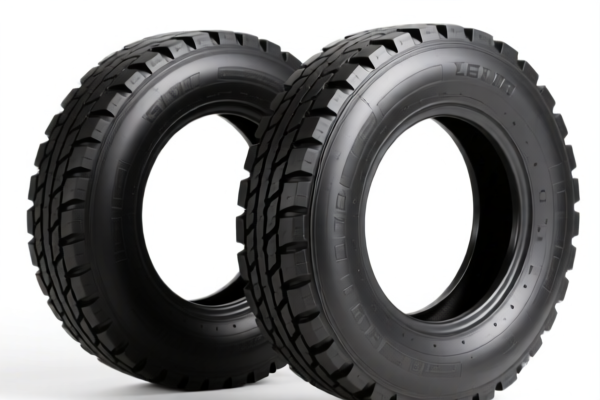
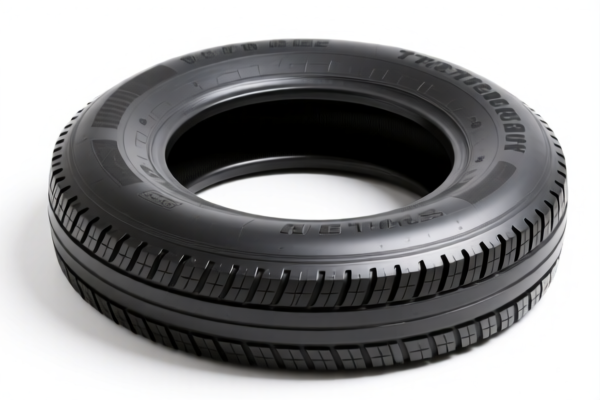
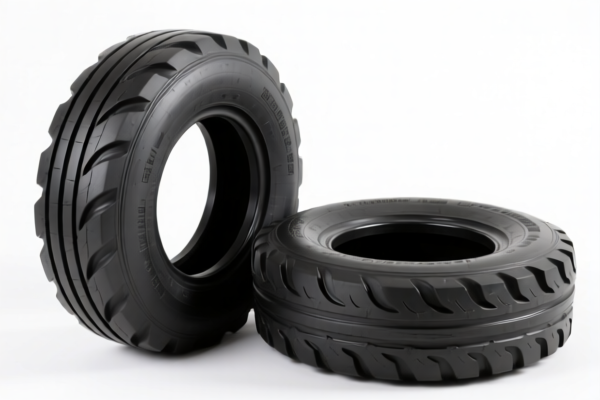
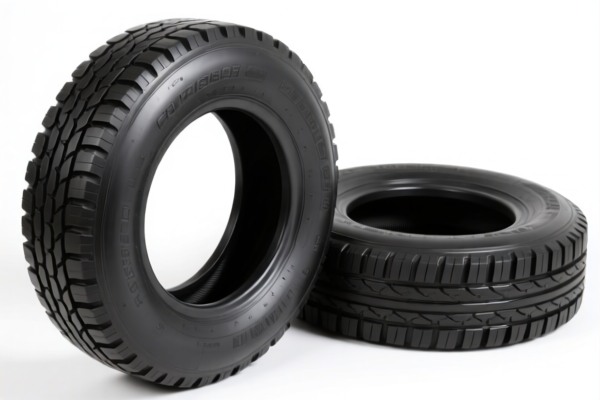
AI Analysis
🚛 High Strength Truck Inner Tubes: HS Code Classification & Tariff Breakdown (2026)
🌐 HS Code Reference & Customs Clearance Guide | 2026 Latest Tariff Analysis | Professional Clearance Strategy
📌 I. Product Definition & Classification: What Are "High Strength Truck Inner Tubes"?
High Strength Truck Inner Tubes are critical rubber components used within truck tires to maintain air pressure and support the tire structure. In international trade, they are often misclassified due to confusion between Inner Tubes (HS 4013) and Other Rubber Articles (HS 4016).
Key Classification Conflict: * HS 4013: Specifically covers "Tyres, inner tubes, tyre covers and tyre flaps." This is the most specific description for inner tubes. * HS 4016: Covers "Other articles of vulcanised rubber." This is a residual category if the item doesn't fit perfectly into 4013 or other specific rubber headings.
⚠️ Critical Distinction Point:
- If the product is explicitly an inner tube (air-retaining core), it should ideally fall under HS 4013.
- However, customs authorities may sometimes classify certain heavy-duty or specialized rubber components as "Other Rubber Articles" (HS 4016) if they consider them structural parts or reinforcements rather than standard air-retaining tubes.
- Note: The data below reflects various potential classifications used in customs declarations, including both specific (4013) and general (4016) categories, each with different tax implications.
📦 II. HS Code Classification Details (2026 Latest Tariff Authority Comparison)
| HS Code | Product Description | Application Scenario | Tax Rate (Total) | Tax Detail Breakdown |
|---|---|---|---|---|
4016.99.60.10 |
High strength truck inner tube, vulcanized rubber, automotive mechanical parts | Classified as Other vulcanized rubber articles | 37.5% | Base: 2.5% Addl: 25.0% Sec 301/122: 10% |
4013.10.00.20 |
High strength truck inner tube, rubber, truck use, inner tube form | Classified as Rubber Inner Tubes | 38.7% | Base: 3.7% Addl: 25.0% Sec 301/122: 10% |
4016.99.35.50 |
High strength truck inner tube, vulcanized rubber, truck use, not rubber belts | Classified as Other natural rubber articles | 35.0% | Base: 0.0% Addl: 25.0% Sec 301/122: 10% |
4011.20.10.15 |
High strength truck inner tube, rubber, highway truck use | Classified as Other radial/highway truck tires | 39.0% | Base: 4.0% Addl: 25.0% Sec 301/122: 10% |
4011.20.50.20 |
High strength truck inner tube, rubber, truck use, tire component | Classified as Highway/Truck use category | 38.4% | Base: 3.4% Addl: 25.0% Sec 301/122: 10% |
🔍 Key Observation:
- All HS Codes listed above attract a 25% Section 301 Additional Tariff and a 10% "122 Clause" Tariff (referring to specific U.S. trade actions, likely related to trade enforcement or retaliatory measures). - The Base Tariff varies significantly (0% to 4.0%), leading to total rates between 35.0% and 39.0%. - HS 4016.99.35.50 offers the lowest total tax (35.0%) due to a 0% base rate, but requires careful justification that the item is not a standard inner tube.
💰 III. 2026 Latest Tariff Rate Details (Including Additional Taxes)
✅ Applicable Country: United States (US)
✅ Origin: China (CN)
✅ Effective Date: Current trade policy (Section 301 & 122 provisions active)
🎯 1. 4016.99.60.10 — Other Vulcanized Rubber Articles (Truck Inner Tube)
| Item | Content |
|---|---|
| Base Rate | 2.5% (ad valorem) |
| Section 301 Additional Tariff | +25.0% |
| "122 Clause" Tariff | +10.0% |
| Total Tax Rate | 37.5% |
| Calculation | CIF Value × 37.5% |
| De Minimis Exemption? | ❌ No (High tariff items are generally excluded from Section 321 de minimis benefits if declared separately or if value exceeds thresholds) |
📌 Explanation:
- This classification treats the inner tube as a general rubber article rather than a dedicated inner tube.
- The 2.5% base is relatively low, but the 35% combined additional tariffs make it expensive.
- Justification: "Automotive mechanical parts" implies structural or auxiliary function rather than primary air retention.
🎯 2. 4013.10.00.20 — Rubber Inner Tubes (Standard Classification)
| Item | Content |
|---|---|
| Base Rate | 3.7% (ad valorem) |
| Section 301 Additional Tariff | +25.0% |
| "122 Clause" Tariff | +10.0% |
| Total Tax Rate | 38.7% |
| Calculation | CIF Value × 38.7% |
| De Minimis Exemption? | ❌ No |
📌 Explanation:
- This is the most technically correct HS code for "inner tubes" (HS 4013 is specific for tyres and inner tubes).
- However, it has a higher base rate (3.7%) than other options, leading to the highest total tax (38.7%) among the options.
- Risk: Customs may scrutinize "High Strength" claims to ensure it’s not a different product.
🎯 3. 4016.99.35.50 — Other Natural Rubber Articles (Lowest Tax Option)
| Item | Content |
|---|---|
| Base Rate | 0.0% (ad valorem) |
| Section 301 Additional Tariff | +25.0% |
| "122 Clause" Tariff | +10.0% |
| Total Tax Rate | 35.0% |
| Calculation | CIF Value × 35.0% |
| De Minimis Exemption? | ❌ No |
📌 Explanation:
- This is the most tax-efficient option.
- It classifies the product as an "Other article of vulcanised rubber" with a 0% base rate.
- Caution: Must be justified as not being a standard inner tube (e.g., a reinforcement ring or specialized rubber part), despite the name "Inner Tube" in the description. Misclassification risk is high if audited.
🎯 4. 4011.20.10.15 — Radial/Highway Truck Tires (Incorrect? High Risk)
| Item | Content |
|---|---|
| Base Rate | 4.0% (ad valorem) |
| Section 301 Additional Tariff | +25.0% |
| "122 Clause" Tariff | +10.0% |
| Total Tax Rate | 39.0% |
| Calculation | CIF Value × 39.0% |
| De Minimis Exemption? | ❌ No |
📌 Explanation:
- HS 4011 is for Tyres, not inner tubes.
- This classification is likely incorrect for inner tubes unless they are marketed as part of a tire assembly.
- Highest total tax (39.0%) and high misclassification risk.
🎯 5. 4011.20.50.20 — Highway/Truck Use Category (Incorrect? High Risk)
| Item | Content |
|---|---|
| Base Rate | 3.4% (ad valorem) |
| Section 301 Additional Tariff | +25.0% |
| "122 Clause" Tariff | +10.0% |
| Total Tax Rate | 38.4% |
| Calculation | CIF Value × 38.4% |
| De Minimis Exemption? | ❌ No |
📌 Explanation:
- Also falls under HS 4011 (Tyres).
- Slightly lower than4011.20.10.15but still incorrect for standalone inner tubes.
- High risk of customs penalty if declared as inner tubes under tyre codes.
🛠️ IV. Customs Clearance Practical Advice (Avoiding Pitfalls)
✅ 1. Required Documentation (Essential)
| Document | Must Provide | Description |
|---|---|---|
| ✅ Product Specification Sheet | ✔️ | Material: Vulcanized Rubber; Use: Truck Inner Tube; Diameter/Size |
| ✅ Technical Drawing | ✔️ | Show air-retaining structure to justify HS 4013 or 4016 |
| ✅ Product Photos (Labelled) | ✔️ | Clear view of brand, model, "Inner Tube" label |
| ✅ Commercial Invoice | ✔️ | Accurate description: "Truck Inner Tube, Vulcanized Rubber" |
| ✅ Packing List | ✔️ | Quantity, weight, dimensions |
| ✅ Certificate of Origin (CO) | ✔️ | If applicable, for potential duty reduction in other markets |
✅ 2. Declaration Strategy (Key Tips)
🔥 "Classify Correctly, Avoid Penalties, Save Costs!"
| Scenario | Correct HS Code | Incorrect HS Code | Consequence |
|---|---|---|---|
| Standard Inner Tube | 4013.10.00.20 | 4016 (Other Rubber) | May face scrutiny but technically accurate |
| Specialized Rubber Part (not air-retaining) | 4016.99.35.50 | 4013 | Risk of penalty if proven to be an inner tube |
| Inner Tube + Tire Assembly | 4011.20.10.15 | 4013 | If sold as part of tire, may be accepted |
| Misclassified as General Rubber | 4016.99.60.10 | 4013 | Lower tax (37.5%) but higher audit risk |
⚠️ Warning:
- Do not misdeclare inner tubes as "Other Rubber Articles" (4016) solely for tax savings without proper technical justification. Customs may impose fines + back taxes.
- HS 4013 is the legally correct category for inner tubes. Use 4016 only if the product is truly not an inner tube (e.g., a reinforcement band).
✅ 3. Special Cases
| Case | Handling Advice |
|---|---|
| OEM Inner Tubes | Provide customer PO + technical specs to justify specific use |
| High-Strength Reinforced Tubes | Emphasize "Vulcanized Rubber" and "Truck Application" in description |
| Mixed Shipments (Tubes + Tires) | Declare separately: Tubes under 4013, Tires under 4011 |
| Origin: Not China | If from Vietnam/Malaysia, Section 301 tariffs may not apply → Check Origin Rules |
🌍 V. Global Market Comparison (2026 Latest)
| Country/Region | Recommended HS Code | Tariff (China Origin) | Notes |
|---|---|---|---|
| 🇺🇸 USA | 4013.10.00.20 |
38.7% | High due to 301 + 122 tariffs |
| 🇨🇳 China | 4013.10.00.20 |
~5-10% | Lower base rate, no additional tariffs |
| 🇪🇺 EU | 4013.10.00.20 |
~0-6.5% | No Section 301 tariffs |
| 🇬🇧 UK | 4013.10.00.20 |
~0-6.5% | Post-Brexit rules apply |
| 🇯🇵 Japan | 4013.10.00.20 |
~0-10% | Free trade agreements may apply |
📌 Conclusion:
- USA imposes the highest burden due to political tariffs.
- For US imports, accurate classification is critical to avoid penalties, even if it means paying higher taxes.
- Consider supply chain diversification (e.g., sourcing from non-China countries) to mitigate tariff risks.
📌 VI. Common Mistakes & Pitfalls (Lessons Learned)
❌ Mistake 1: Declaring inner tubes under HS 4011 (Tyres)
👉 Consequence: Customs rejects, demands reclassification → Delays & Fines
❌ Mistake 2: Using HS 4016 to avoid higher base rates without justification
👉 Consequence: Audit failure → Back taxes + Penalties
❌ Mistake 3: Ignoring Section 301 and "122 Clause" tariffs
👉 Consequence: Unexpected costs of 35-39% instead of expected 2-4%
❌ Mistake 4: Incomplete documentation (no specs/photos)
👉 Consequence: Customs cannot verify classification → Hold or Return
✅ Best Practice:
"Declare as 'Rubber Inner Tube for Trucks', HS 4013.10.00.20. Prepare tech specs. Accept 38.7% tax for compliance."
🎯 VII. Conclusion: Professional Classification Saves Money & Time
🎯 Key Takeaways:
🔹 HS 4013 is the legally correct code for inner tubes.
🔹 Total Tax in USA: 35.0% - 39.0% due to additional tariffs.
🔹 Do not misclassify to save 1-2% base rate — risk of penalties is too high.
🔹 Documentation is key to proving product nature.
📌 Pro Tip:
If your inner tubes are originating from Vietnam, Malaysia, or Thailand, they may be exempt from Section 301 tariffs.
👉 Verify Country of Origin and consider supply chain adjustments.
📣 Immediate Action:
📞 Consult a licensed customs broker.
📄 Prepare technical specs + photos.
🚀 Ensure compliant clearance, avoid delays, protect profits!
✨ Precise Classification, Smooth Clearance!
💼 Every dollar saved starts with the right HS Code.
Customer Reviews
About HS Code Classification
The Harmonized System (HS) is an internationally standardized nomenclature developed by the World Customs Organization (WCO) to classify traded products. Over 200 countries use the HS system as the basis for customs tariffs, trade statistics, and import/export regulations.
Each HS code follows a hierarchical structure:
- Chapter (2 digits) — Broad category of goods (e.g., Chapter 84: Machinery and Mechanical Appliances)
- Heading (4 digits) — More specific grouping within the chapter
- Subheading (6 digits) — Internationally standardized breakdown, used by all WCO member countries
- National subdivisions (8-10 digits) — Country-specific extensions for further classification, such as US HTSUS 10-digit codes
Correct HS code classification is essential for smooth customs clearance, accurate duty payment, and compliance with trade regulations. Misclassification can lead to customs delays, overpayment of duties, or penalties.
When importing from CN to US, the applicable tariff rates may include:
- Most-Favored-Nation (MFN) rate — The standard duty rate applied to WTO members
- General rate — Applied to countries without trade agreements
- Trade remedy duties — Additional tariffs such as Section 301 (anti-dumping), Section 232 (national security), or countervailing duties
The information provided on this page is for reference purposes only. For official classification, please consult with your local customs authority or a licensed customs broker.