High Strength V Belt
CN → US| HS Code | Tariff Rate | Origin | Destination | Doc |
|---|---|---|---|---|
| 4010392000 | 37.8% | CN | US | Official Doc |
| 5910001010 | 39.0% | CN | US | Official Doc |
| 4010316000 | 37.8% | CN | US | Official Doc |
| 4010313000 | 38.4% | CN | US | Official Doc |
| 5910001010 | 39.0% | CN | US | Official Doc |
Product Images
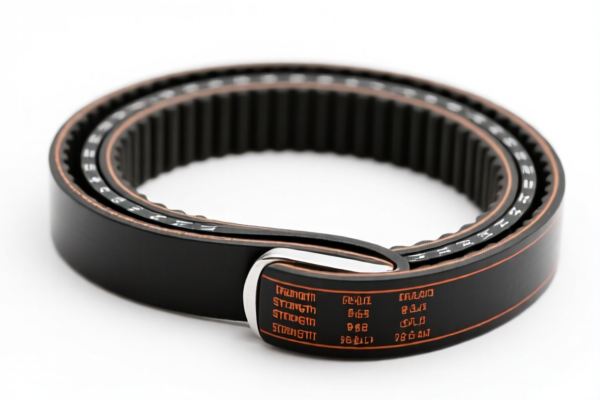
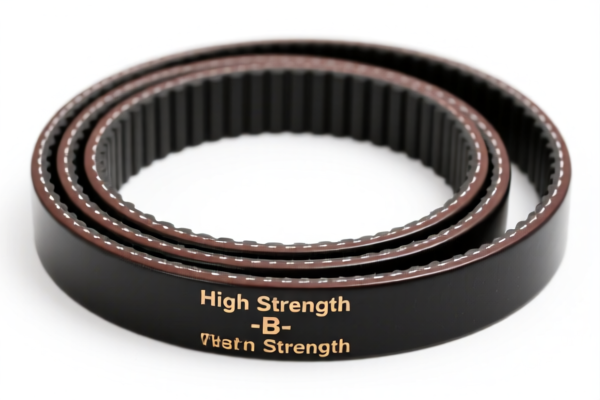
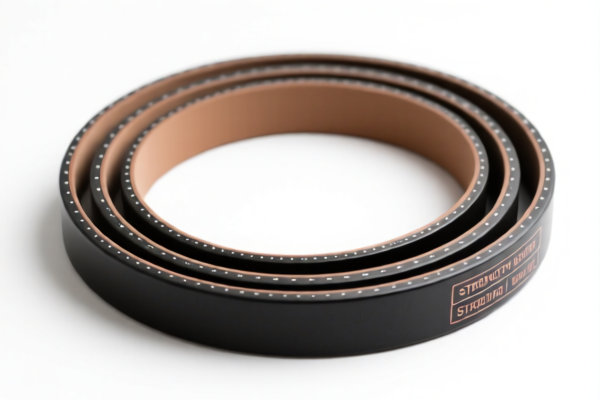
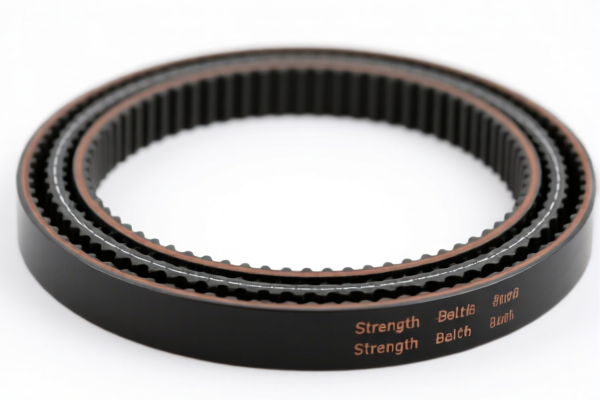
AI Analysis
🛡️ High Strength V-Belts (Industrial Power Transmission Belts)
🌐 HS Code Reference & Customs Clearance Guide | 2024/2025 Trade Rules | Professional Entry Strategy
📌 I. Product Definition & Classification: Do You Know What You’re Shipping?
High Strength V-Belts are critical components in industrial machinery, automotive engines, and agricultural equipment. They transmit power via friction between the belt's trapezoidal cross-section and the pulley grooves. In international trade, the classification hinges strictly on material composition and structural integrity.
Two Main Categories:
- Rubber-Based V-Belts (Class 4010): Traditional belts made of vulcanized rubber (often reinforced with textile or steel cords). These are classified under Heading 4010.
- Synthetic/Fiber-Based V-Belts (Class 5910) Belts made primarily of artificial fibers or reinforced fibers (e.g., polyamide, polyester, or high-tensile synthetic cords) designed for specific high-strength applications without being primarily rubber. These are classified under Heading 5910.
⚠️ Key Distinction Point:
- If the belt is primarily vulcanized rubber (even if reinforced) → Go to Chapter 40 (4010)
- If the belt is primarily textile/fiber reinforcement with specific power transmission characteristics (often labeled "High Strength" due to fiber core) → Go to Chapter 59 (5910)
📦 II. HS Code Classification Details (Latest Tariff Authority Comparison)
Based on the provided data, here are the precise HS Codes for High Strength V-Belts, categorized by material and structure:
| HS Code | Product Description | Material/Structure | Key Application |
|--------|--------------------------|----------------------|
| 4010.39.20.00 | V-Belts (High Strength) | Vulcanized Rubber, Trapezoidal Cross-Section | High-load rubber belts, often with specific high-strength rubber compounds |
| 5910.00.10.10 | High Strength V-Belt | Artificial/Reinforced Fiber Power Transmission Belt | Belts where fiber reinforcement is the primary structural component for "High Strength" claim |
| 4010.31.60.00 | V-Belts (Standard/General) | Vulcanized Rubber, Power Transmission Belt | General purpose rubber V-belts matching shape and use |
| 4010.31.30.00 | V-Belt (Rubber/Textile Composite) | Rubber + Textile Combined, Trapezoidal Cross-Section | Traditional composite V-belts (rubber carcass with textile cord reinforcement) |
| 5910.00.10.10 | High Strength Power Transmission Belt | Fiber-Based, Power Transmission | General fiber-based high-strength belts (no material conflict) |
🔍 Important Note:
-4010codes apply to vulcanized rubber goods. Even if the belt is "high strength," if the base material is rubber, it goes here.
-5910codes apply to textile/fiber goods. If the "High Strength" attribute comes from synthetic fiber cores (e.g., aramid, steel-reinforced nylon) and not just rubber hardness, it may fall here.
- Misclassification Risk: Declaring a rubber belt as fiber (or vice versa) leads to severe penalties, as the duty rates differ significantly.
💰 III. 2024/2025 Latest Tariff Rate Breakdown (Including Surtaxes)
✅ Applicable Country: United States (US)
✅ Origin: China (CN)
✅ Effective Period: Current rates include Section 301 & Section 122 surcharges.
🎯 1. 4010.39.20.00 & 4010.31.60.00 —— Vulcanized Rubber V-Belts
| Item | Detail |
|---|---|
| Base Tariff (MFN) | 2.8% (ad valorem) |
| Section 301 Surtax | +25.0% (List 3/4a items) |
| Section 122 Surtax | +10.0% (Targeting specific rubber/textile imports) |
| Total Tax Rate | 37.8% |
| Tax Calculation | CIF Value × 37.8% |
| De Minimis Exemption | ❌ Not Eligible (Deny De Minimis) |
| Legal Basis Path | USITC:4010.39.20.00 → Section 301: 25% → Section 122: 10% |
📌 Explanation:
- Rubber V-belts face a moderate base tariff (2.8%) but are heavily impacted by trade remedies.
- The 35% additional tax (25% + 10%) makes the landed cost significantly higher.
- Critical: Do not underestimate the 122 Clause; it specifically targets certain rubber products from China.
🎯 2. 4010.31.30.00 —— Rubber/Textile Composite V-Belts
| Item | Detail |
|---|---|
| Base Tariff (MFN) | 3.4% (ad valorem) |
| Section 301 Surtax | +25.0% |
| Section 122 Surtax | +10.0% |
| Total Tax Rate | 38.4% |
| Tax Calculation | CIF Value × 38.4% |
| De Minimis Exemption | ❌ Not Eligible |
| Legal Basis Path | USITC:4010.31.30.00 → Section 301: 25% → Section 122: 10% |
📌 Note:
- Slightly higher base rate (3.4%) due to composite nature, but same surcharges.
- Total effective rate is 38.4%, which is higher than pure rubber belts.
🎯 3. 5910.00.10.10 —— Artificial/Fiber-Based High Strength Belts
| Item | Detail |
|---|---|
| Base Tariff (MFN) | 4.0% (ad valorem) |
| Section 301 Surtax | +25.0% |
| Section 122 Surtax | +10.0% |
| Total Tax Rate | 39.0% |
| Tax Calculation | CIF Value × 39.0% |
| De Minimis Exemption | ❌ Not Eligible |
| Legal Basis Path | USITC:5910.00.10.10 → Section 301: 25% → Section 122: 10% |
📌 Note:
- Fiber-based belts have the highest base rate (4.0%).
- Despite being "high strength," they do not escape surcharges.
- Total rate is 39.0%, the highest among all listed codes.
🛠️ IV. Customs Clearance Practical Advice (Avoid Pitfalls)
✅ 1. Required Documentation Checklist
| Document | Mandatory? | Description |
|---|---|---|
| ✅ Product Specification Sheet | ✔️ | Must detail: Cross-section type (A, B, C, etc.), Length, Material (Rubber vs. Fiber), Tensile Strength |
| ✅ Material Composition Statement | ✔️ | Explicitly state % of Vulcanized Rubber vs. Artificial Fiber/Textile. This is the key to HS Code selection. |
| ✅ Photos (Label & Cross-Section) | ✔️ | Show the trapezoidal shape, brand, model, and material layers. |
| ✅ Commercial Invoice | ✔️ | Must clearly state: "V-Belt, High Strength, HS Code: [XXXXXX.00]" |
| ✅ Packing List | ✔️ | Include gross/net weight, package dimensions. |
| ✅ Certificate of Origin | ✔️ | Required to prove origin for surtax calculation. |
✅ 2. Declaration Best Practices
🔥 Golden Rule:
"Material Defines Code, Strength Defines Subheading, Don't Split!"
| Scenario | Correct Declaration | Wrong Declaration | Consequence |
|---|---|---|---|
| Rubber V-Belt with Steel Cord | 4010.31.30.00 or 4010.39.20.00 |
5910.00.10.10 |
Penalty: Misclassification, 38.4% vs 39.0% diff + fines |
| Fiber-Core "High Strength" Belt | 5910.00.10.10 |
4010.31.60.00 |
Penalty: Base rate error (4.0% vs 2.8%) + surtax review |
| Mixed Shipment (Rubber & Fiber) | Split HS Codes | Declare all as one HS Code | Delay: CBP will separate and audit each line |
| "V-Belt" without material details | Reject | Vague description | Hold: Customs will request material proof, delaying clearance |
✅ 3. Special Handling Tips
| Situation | Recommendation |
|---|---|
| "High Strength" Claim | Provide test reports (e.g., ASTM D1404) proving tensile strength. This supports classification under 5910 if fiber-based, or justifies premium rubber compounding in 4010. |
| OEM/White Label | Ensure the label matches the invoice. Customs may verify against brand databases. |
| Used/Recycled Belts | Prohibited under many HS codes without specific permits. Declare as new only. |
| Small Quantity (<$800) | ❌ De Minimis Does NOT Apply. Section 301/122 surtaxes are enforced on all values from China. |
🌍 V. Global Market Comparison (2024/2025)
| Country/Region | Recommended HS Code | Est. Total Tariff (CN Origin) | Key Requirements | Notes |
|---|---|---|---|---|
| 🇺🇸 USA | 4010.39.20.00 / 5910.00.10.10 |
37.8% - 39.0% | Section 301 & 122 Apply | Highest Cost. Must pay all surcharges. |
| 🇨🇳 China | 4010.39.20.00 / 5910.00.10.10 |
2.8% - 4.0% | CCC (if applicable) | Low base duty, no US surcharges. |
| 🇪🇺 EU | 4010.39.20.00 / 5910.00.10.10 |
~3.5% | CE (if machinery part), REACH | No Section 301. Lower total cost. |
| 🇲🇽 Mexico | 4010.39.20.00 / 5910.00.10.10 |
0% (under USMCA) | USMCA Form | Best for US Market if assembled in Mexico. |
| 🇻🇳 Vietnam | 4010.39.20.00 / 5910.00.10.10 |
0-5% | Origin Proof | Alternative Origin. Avoids US surcharges if properly documented. |
📌 Conclusion:
- USA: High tariff burden (38%+).
- Vietnam/Mexico: Viable strategies to avoid surcharges, but must meet Substantial Transformation rules to avoid "circumvention" penalties.
- Direct China Export: Accept the 38% cost or negotiate it into the price.
📌 VI. Common Mistakes & Pitfalls (Lessons Learned)
❌ Mistake 1: Declaring "V-Belt" without specifying material.
👉 Result: Customs may default to the highest duty rate (5910) or hold the shipment for inspection.
❌ Mistake 2: Assuming "Small Packages" are tax-free.
👉 Result: Section 301/122 surtaxes apply to ALL shipments from China, regardless of value. No de minimis.
❌ Mistake 3: Confusing "High Strength" with a different HS Code.
👉 Result: "High Strength" is a performance descriptor, not a classification key. The material (Rubber vs. Fiber) decides the code.
✅ Correct Practice:
"V-Belt, High Strength, Vulcanized Rubber Core, Textile Reinforcement, Sectional A, 1200mm Length, HS 4010.31.30.00"
🎯 VII. Final Advice: Professional Declaration, Cost Optimization
🎯 Remember:
🔹 "Material First, Strength Second."
🔹 "China Origin = 38%+ Tax."
🔹 "No De Minimis for Rubber/Fiber from China."
📌 Pro Tip:
If you are importing into the US and the volume is high, consider:
1. Pre-Ruling: Request a binding ruling from CBP to confirm the HS Code.
2. Supply Chain Shift: Sourcing from Vietnam or Mexico to bypass Section 301/122 (ensure proper transformation).
3. Cost Absorption: Build the 38% tax into your FOB price negotiation with Chinese suppliers.
📣 Act Now:
📞 Engage a licensed customs broker.
📄 Provide material composition reports.
🚀 Ensure accurate HS Codes to avoid delays, seizures, or massive back-taxes.
✨ Precision in Classification, Profit in Clearance!
💼 Your V-Belts are small, but the tax impact is BIG!
Customer Reviews
About HS Code Classification
The Harmonized System (HS) is an internationally standardized nomenclature developed by the World Customs Organization (WCO) to classify traded products. Over 200 countries use the HS system as the basis for customs tariffs, trade statistics, and import/export regulations.
Each HS code follows a hierarchical structure:
- Chapter (2 digits) — Broad category of goods (e.g., Chapter 84: Machinery and Mechanical Appliances)
- Heading (4 digits) — More specific grouping within the chapter
- Subheading (6 digits) — Internationally standardized breakdown, used by all WCO member countries
- National subdivisions (8-10 digits) — Country-specific extensions for further classification, such as US HTSUS 10-digit codes
Correct HS code classification is essential for smooth customs clearance, accurate duty payment, and compliance with trade regulations. Misclassification can lead to customs delays, overpayment of duties, or penalties.
When importing from CN to US, the applicable tariff rates may include:
- Most-Favored-Nation (MFN) rate — The standard duty rate applied to WTO members
- General rate — Applied to countries without trade agreements
- Trade remedy duties — Additional tariffs such as Section 301 (anti-dumping), Section 232 (national security), or countervailing duties
The information provided on this page is for reference purposes only. For official classification, please consult with your local customs authority or a licensed customs broker.