High Strength Welding Powder
CN → US| HS Code | Tariff Rate | Origin | Destination | Doc |
|---|---|---|---|---|
| 2849202000 | 10.5% | CN | US | Official Doc |
| 3810100000 | 40.0% | CN | US | Official Doc |
| 3810905000 | 40.0% | CN | US | Official Doc |
| 8311900000 | 35.0% | CN | US | Official Doc |
| 2849905000 | 38.7% | CN | US | Official Doc |
| 8311306000 | 35.0% | CN | US | Official Doc |
Product Images
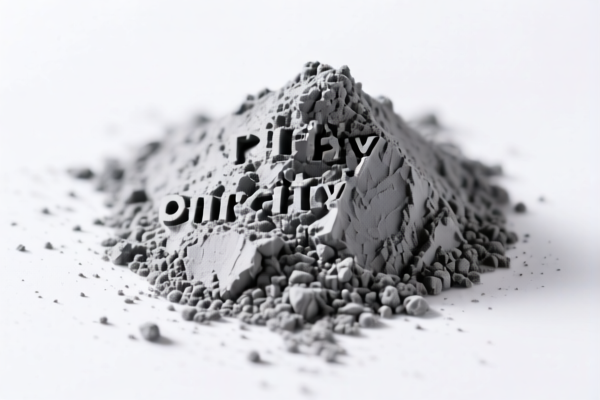
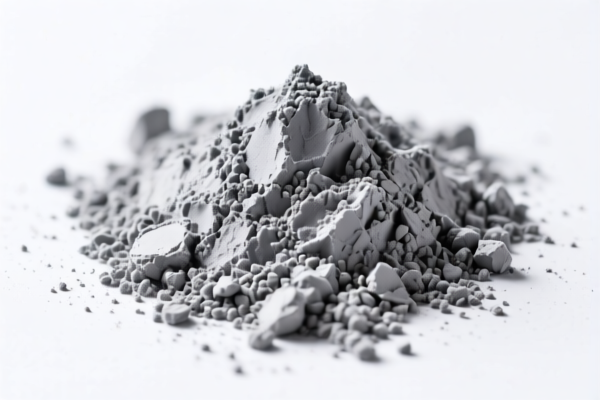
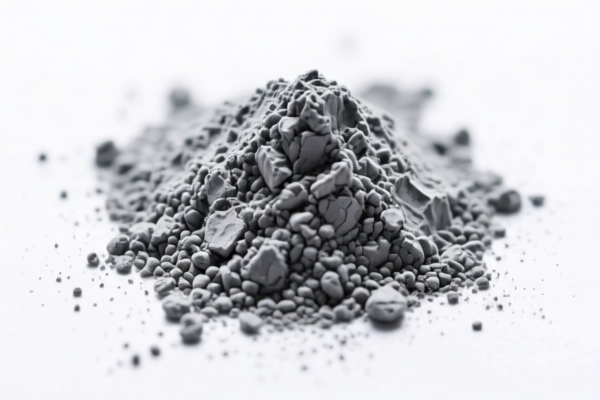
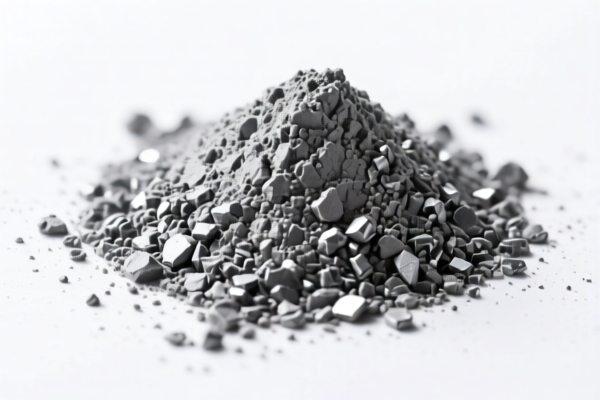
AI Analysis
🏭 High Strength Welding Powder: HS Code Classification & Customs Clearance Strategy
🌐 HS Code Reference & Customs Guide | 2026 Latest Tariff Analysis | Professional Clearance Strategy
📌 Product Definition: What is "High Strength Welding Powder"?
Welding Powder (also known as welding flux powder or metallized powder for welding) is a granular or powdered material used in various welding processes (such as flux-cored arc welding, electroslag welding, or thermal spraying) to protect the weld pool, deoxidize the metal, and stabilize the arc. The "High Strength" descriptor usually implies specific metallurgical compositions designed for durable joint integrity, often involving metals, alloys, or carbides.
In international trade, this product sits at the intersection of chemical products, metallurgical intermediates, and welding consumables. Its classification depends heavily on the primary material composition and specific industrial use.
⚠️ Key Distinction:
- Is it primarily a chemical compound (e.g., metal carbides)? → Falls under Chapter 28 or 29.
- Is it primarily a welding auxiliary (flux/prepared mix)? → Falls under Chapter 38.
- Is it primarily a metal alloy/spattering material? → Falls under Chapter 83.
📦 II. HS Code Classification Details (Based on Provided Data)
| HS Code | Product Description (Inferred) | Summary & Logic | Total Tax Rate |
|---|---|---|---|
2849.20.20.00 |
Metallic Carbides (Powder Form) | Material is metallic powder, physical form is powder. Fits the "carbides/metals" sub-category requiring powder form. | 10.5% |
3810.10.00.00 |
Prepared Welding Fluxes (Powder) | Powder form, used for welding. Fits the definition of welding powders regarding material and purpose. | 40.0% |
3810.90.50.00 |
Other Welding/Brazing Powder | Name matches "welding/brazing powder." Material inferred as metal/mixed composition. Consistent with usage/form. | 40.0% |
8311.90.00.00 |
Other Welding Materials (Sintered Metal Powder) | Used for welding/spraying. Powder form matches metallic spraying/deposition attributes. No conflict with sintered base metal powder logic. | 35.0% |
2849.90.50.00 |
Other Metal Carbides (Powder) | Inferred as primary form powder. Fits "other" carbide category. No material conflict. | 38.7% |
8311.30.60.00 |
Base Metal Welding Consumables | Inferred as welding material from base metals due to welding use + powder form. Fits "other" category logic. | 35.0% |
🔍 Critical Note:
- The tax rate varies significantly from 10.5% to 40.0% depending on whether the powder is classified as a chemical carbide (2849) or a welding auxiliary/material (3810/8311). - Chapter 38 products (3810) carry the highest burden due to additional duties.
💰 III. 2026 Latest Tariff Rate Breakdown (Including Surcharges)
✅ Applicable Country: USA (US)
✅ Origin: China (CN)
✅ Effective Date: November 10, 2025 onwards
🎯 1. 2849.20.20.00 – Metal Carbides (Powder)
| Item | Details |
|---|---|
| Base Rate | 0.5% |
| Section 301 (Add-on) | 0.0% |
| 122 Clause Surcharge | +10% |
| Total Effective Rate | 10.5% |
| Calculation Basis | CIF Value × 10.5% |
| De Minimis Exemption | ❌ Not Eligible (Subject to strict inspection) |
| Legal Reference | 122 Clause applied on top of base tariff |
📌 Explanation:
- This is the lowest tax option among the provided codes. - It applies only if the product is strictly defined as metal carbides (e.g., Tungsten Carbide, Titanium Carbide) in powder form, used as raw material rather than a finished welding aid. - Risk: Customs may challenge this if the powder contains fluxing agents or is pre-mixed for welding.
🎯 2. 3810.10.00.00 – Prepared Welding Fluxes
| Item | Details |
|---|---|
| Base Rate | 5.0% |
| Section 301 (Add-on) | +25.0% |
| 122 Clause Surcharge | +10% |
| Total Effective Rate | 40.0% |
| Calculation Basis | CIF Value × 40.0% |
| De Minimis Exemption | ❌ Not Eligible |
| Legal Reference | Section 301 + 122 Clause |
📌 Explanation:
- High tax rate. Applies to "prepared" fluxes. - If your powder is a pre-mixed blend of oxides, carbonates, or metals specifically designed to facilitate welding, it likely falls here. - Cost Impact: Significant. A $10,000 shipment incurs $4,000 in duties.
🎯 3. 3810.90.50.00 – Other Welding/Brazing Powders
| Item | Details |
|---|---|
| Base Rate | 5.0% |
| Section 301 (Add-on) | +25.0% |
| 122 Clause Surcharge | +10% |
| Total Effective Rate | 40.0% |
| Calculation Basis | CIF Value × 40.0% |
| De Minimis Exemption | ❌ Not Eligible |
📌 Explanation:
- Similar to3810.10, but for "other" welding powders not strictly classified as "fluxes" under the first subheading. - Also hits the 40% ceiling.
🎯 4. 8311.90.00.00 – Other Welding Materials (Metal Powder)
| Item | Details |
|---|---|
| Base Rate | 0.0% |
| Section 301 (Add-on) | +25.0% |
| 122 Clause Surcharge | +10% |
| Total Effective Rate | 35.0% |
| Calculation Basis | CIF Value × 35.0% |
| De Minimis Exemption | ❌ Not Eligible |
| Legal Reference | Section 301 + 122 Clause |
📌 Explanation:
- Mid-range cost. - Applicable if the powder is considered a metallic material for welding/spraying (e.g., metalized wires/powders for thermal spray or arc welding) rather than a chemical flux. - The base tariff is 0%, but surcharges push it to 35%.
🎯 5. 2849.90.50.00 – Other Metal Carbides
| Item | Details |
|---|---|
| Base Rate | 3.7% |
| Section 301 (Add-on) | +25.0% |
| 122 Clause Surcharge | +10% |
| Total Effective Rate | 38.7% |
| Calculation Basis | CIF Value × 38.7% |
📌 Explanation:
- For carbides that don't fit the specific2849.20.20.00description. - Still cheaper than Chapter 38 products but more expensive than2849.20.20.00.
🎯 6. 8311.30.60.00 – Other Base Metal Welding Materials
| Item | Details |
|---|---|
| Base Rate | 0.0% |
| Section 301 (Add-on) | +25.0% |
| 122 Clause Surcharge | +10% |
| Total Effective Rate | 35.0% |
| Calculation Basis | CIF Value × 35.0% |
📌 Explanation:
- Same effective rate as8311.90.00.00. - Depends on specific sub-classification of base metal welding consumables.
🛠️ IV. Customs Clearance Practical Advice (Pitfall Avoidance Guide)
✅ 1. Document Preparation Checklist
| Document | Required | Explanation |
|---|---|---|
| ✅ Product Specification Sheet | ✔️ | Must detail chemical composition (e.g., % Tungsten, % Iron, % Flux agents). Crucial for distinguishing between Carbide (2849) and Flux (3810). |
| ✅ MSDS (Material Safety Data Sheet) | ✔️ | Required for hazardous classification and handling. |
| ✅ Product Photos | ✔️ | Show packaging, label, and powder texture. |
| ✅ Commercial Invoice | ✔️ | Describe product precisely. Avoid vague terms like "Welding Stuff." Use "High-Strength Tungsten Carbide Powder" or "Prepared Welding Flux Powder." |
| ✅ Certificate of Origin (CO) | ✔️ | To verify China origin and apply correct surcharges. |
✅ 2. Classification Strategy (Key Mnemonic)
🔥 “Check the Mix: Pure Carbide? Low Tax. Mixed Flux? High Tax.”
| Scenario | Recommended HS Code | Why? | Risk |
|---|---|---|---|
| Pure Metal Carbide Powder (e.g., WC, TiC) | 2849.20.20.00 |
Primary value is the carbide. Low base tax (0.5%). | ✅ Lowest Cost ⚠️ Must prove no fluxing agents dominate. |
| Pre-mixed Welding Flux (Oxides/Carbonates mix) | 3810.10.00.00 |
Designed specifically to facilitate welding. | ❌ High Cost (40%) |
| Metalized Powder for Spraying/Welding | 8311.90.00.00 |
Metallic composition, used for deposition. | ⚖️ Mid Cost (35%) |
✅ 3. Special Handling Tips
| Situation | Advice |
|---|---|
| Vague Product Name | If the invoice just says "Welding Powder," Customs will likely assign the worst-case scenario (3810 @ 40%). Be specific! |
| High Carbon Content | If the powder is carbon-based, it may not be a "metal carbide." Check if it falls under 3801 (Colloidal Carbon) or 3810. |
| Particle Size | Fine powders may be considered hazardous for shipping (flammable). Ensure proper UN packaging. |
| Pre-Ruling Request | Given the 10.5% vs. 40% variance, consider applying for an Advance Ruling from CBP if the composition is borderline. |
🌍 V. Global Market Comparison (2026)
| Market | Recommended HS Code | Est. Total Duty | Notes |
|---|---|---|---|
| 🇺🇸 USA | 2849.20.20.00 |
10.5% | Best option if classified as Carbide. |
| 🇺🇸 USA | 3810.10.00.00 |
40.0% | Highest cost. Avoid if possible. |
| 🇨🇳 China | 2849.20.20.00 |
0% (Import) | China imports carbides duty-free often. |
| 🇪🇺 EU | Varies | 0-6% | EU may classify under 2849 or 3824. Check local rules. |
📌 Conclusion:
- The USA imposes heavy Section 301 and 122 Clause duties on Chinese-origin welding powders. - Strategy: If your product allows, argue for classification under2849.20.20.00(Metal Carbides) to save 29.5% in duties compared to3810. - Evidence Needed: Provide lab reports proving the product is primarily metal carbide, not a prepared chemical flux.
📌 VI. Common Errors & Pitfalls
❌ Error 1: Describing the product as "Welding Powder" without specifying composition.
👉 Consequence: Customs defaults to 3810 (40% tax).
❌ Error 2: Claiming 2849 for a pre-mixed flux blend.
👉 Consequence: Customs audit, back taxes, penalties, and potential seizure.
❌ Error 3: Ignoring the 122 Clause.
👉 Consequence: All items from China are subject to this 10% surcharge on top of base and Section 301 duties. It is mandatory.
✅ Correct Approach:
"High-Strength Tungsten Carbide (WC) Powder, Grade XYZ, 99.5% Purity, Used for Hardfacing. No Flux Agents Added."
→ Classify as2849.20.20.00→ 10.5% Total Tax.
🎯 VII. Conclusion: Professional Clearance, Cost Optimization!
🎯 Remember the Mantra:
🔹 "Carbide is Cheap (10.5%), Flux is Expensive (40%). Be Specific!"
🔹 "122 Clause Adds 10% to Everything. Don't Forget It!"
📌 Pro Tip:
If your powder is a composite (e.g., carbide particles in a metal matrix), consult a customs broker to determine if it can be classified as a metal alloy (8311) or if the carbide nature dominates (2849). Precision in chemical description is your best tool for tariff optimization.
📣 Immediate Action:
📞 Contact a licensed customs broker
📄 Prepare detailed lab analysis (Composition %)
📝 Request an Advance Ruling from CBP if the product is borderline
🚀 Optimize your supply chain costs today!
✨ Expert Customs Clearance Starts with Precise Classification!
💼 Every percentage point saved is pure profit!
Customer Reviews
About HS Code Classification
The Harmonized System (HS) is an internationally standardized nomenclature developed by the World Customs Organization (WCO) to classify traded products. Over 200 countries use the HS system as the basis for customs tariffs, trade statistics, and import/export regulations.
Each HS code follows a hierarchical structure:
- Chapter (2 digits) — Broad category of goods (e.g., Chapter 84: Machinery and Mechanical Appliances)
- Heading (4 digits) — More specific grouping within the chapter
- Subheading (6 digits) — Internationally standardized breakdown, used by all WCO member countries
- National subdivisions (8-10 digits) — Country-specific extensions for further classification, such as US HTSUS 10-digit codes
Correct HS code classification is essential for smooth customs clearance, accurate duty payment, and compliance with trade regulations. Misclassification can lead to customs delays, overpayment of duties, or penalties.
When importing from CN to US, the applicable tariff rates may include:
- Most-Favored-Nation (MFN) rate — The standard duty rate applied to WTO members
- General rate — Applied to countries without trade agreements
- Trade remedy duties — Additional tariffs such as Section 301 (anti-dumping), Section 232 (national security), or countervailing duties
The information provided on this page is for reference purposes only. For official classification, please consult with your local customs authority or a licensed customs broker.