High Temperature Resistance Synthetic Rubber
CN → US| HS Code | Tariff Rate | Origin | Destination | Doc |
|---|---|---|---|---|
| 4005200000 | 35.0% | CN | US | Official Doc |
| 4005100000 | 35.0% | CN | US | Official Doc |
| 4002190019 | 35.0% | CN | US | Official Doc |
| 3911907000 | 35.0% | CN | US | Official Doc |
| 3911901000 | 35.0% | CN | US | Official Doc |
Product Images
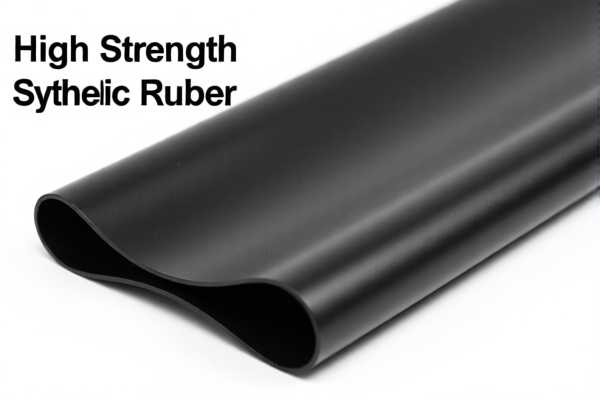
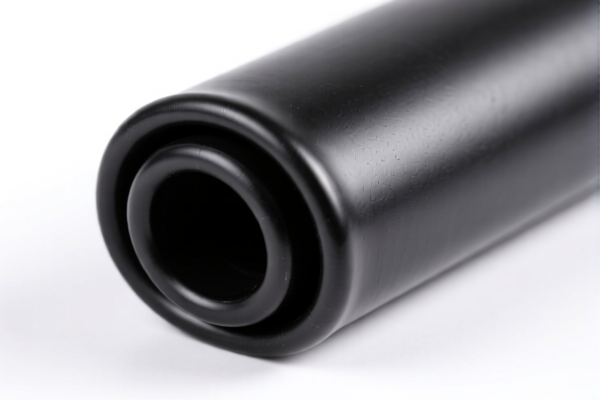
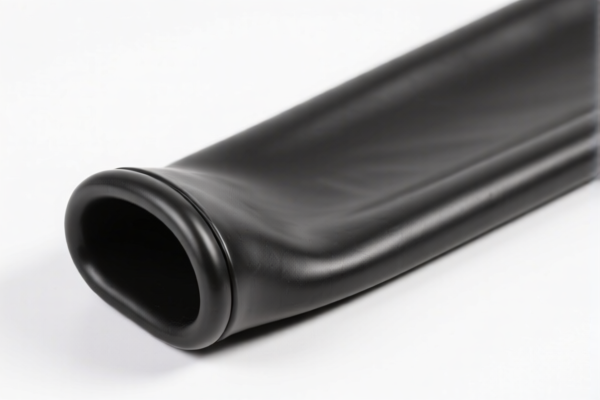
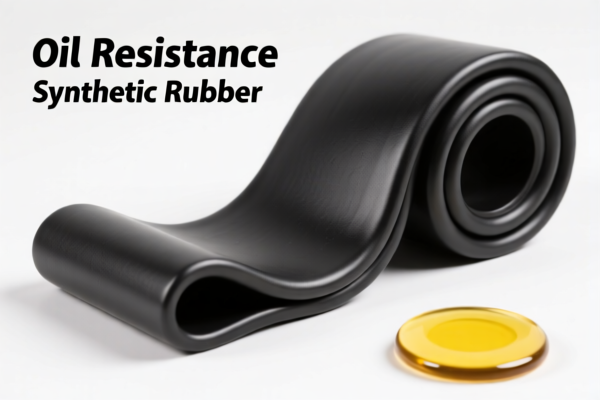
AI Analysis
🔥 High Temperature Resistance Synthetic Rubber: HS Code Guide & 2026 Tariff Strategy
🌐 HS Code Classification & Duty Breakdown | 2026 Latest Tariff Analysis | Professional Clearance Strategy
📌 I. Product Definition: What is "High Temperature Resistance Synthetic Rubber"?
High Temperature Resistance Synthetic Rubber is a specialized class of synthetic elastomers engineered to maintain structural integrity, flexibility, and sealing properties under extreme thermal stress (typically exceeding 200°C/392°F). Unlike natural rubber, these materials are chemically modified to resist oxidation, ozone, and heat degradation.
Key Applications: * Aerospace: O-rings, gaskets, and seals for jet engines and hydraulic systems. * Automotive: Turbocharger hoses, timing belts, and under-hood seals. * Industrial: High-pressure hoses, conveyor belts, and furnace gaskets. * Medical/Chemical: Seals for autoclaves and chemical processing equipment.
⚠️ Critical Classification Insight:
Unlike commodity rubber, this product is often categorized based on its chemical composition (e.g., Chlorinated, Polysulfide, Fluoro, Silicone) and form (unvulcanized/raw vs. vulcanized/mixed). * Raw/Unvulcanized: Classified under Chapter 40 (Rubber) as "primary forms" (e.g., 4002, 4005). * Specific Chemical Types: May fall under Chapter 39 (Plastics/Polymers) if the classification rules emphasize the polymer backbone over the elastomeric nature.
📦 II. HS Code Classification Matrix (2026 Latest Tariff Authority)
Based on the material analysis provided, here are the 5 Valid HS Codes for High Temperature Resistance Synthetic Rubber:
| HS Code | Product Description & Logic | Material Match | Primary Use Case |
|---|---|---|---|
| 3911.90.70.00 | Other Synthetic Rubber (Chlorinated) Matches if the rubber is Chlorinated Synthetic Rubber. Fits the "Synthetic Rubber" umbrella under the "Other" category. |
✅ Chlorinated Synthetic Rubber | Specialty seals, high-heat chemical resistant parts. |
| 3911.90.10.00 | Polysulfide & Related Elastomers Matches if the material is a Polysulfide polymer. Classified under "Primary Forms" of plastics/polymers. |
✅ Polysulfide | Fuel hoses, sealants, high-temperature gaskets. |
| 4002.99.00.00 | Other Synthetic Rubber (Unvulcanized) Matches generic Synthetic Rubber not listed elsewhere. "No specified form" defaults to primary/原料 form. |
✅ General Synthetic Rubber | Bulk raw material for manufacturing tires/hoses. |
| 4005.20.00.00 | Unvulcanized Mixed Rubber (Masterbatch/Compound) Matches Synthetic Rubber in a mixture/pre-mixed state. Implies it is a raw compound ready for vulcanization. |
✅ Unvulcanized Mixed Rubber | Pre-mixed compounds for injection molding or extrusion. |
| 4005.10.00.00 | Unvulcanized Mixed Rubber (Vulcanization Grade) Matches Synthetic Rubber with specific heat resistance properties. Implies a specific performance grade for heat. |
✅ Heat-Resistant Synthetic Rubber | High-performance industrial seals, automotive parts. |
🔍 Key Logic for Classification:
3911 Series: Used when the specific polymer type (Chlorinated, Polysulfide) dictates the classification under Chapter 39 (Plastics). * 4002/4005 Series: Used when the product is treated as a rubber (Elastomer) rather than a plastic, specifically in its unvulcanized (raw) state. * High-Temperature Attribute: The "high temperature resistance" is a performance feature* that validates the specific grade (e.g., 4005.10) but does not change the chapter unless the chemical composition shifts to Chapter 39.
💰 III. 2026 Latest Tariff Rate Breakdown (USA Import from China)
✅ Target Market: United States (US)
✅ Country of Origin: China (CN)
✅ Effective Date: 2025 Nov 10 (Current Active Rate)
✅ Total Tariff Rate for ALL 5 Codes: 35.0%
All five HS codes listed above share the exact same tariff structure due to Section 301 and IEEPA provisions:
🎯 Universal Tariff Structure (Applies to 3911.90.70, 3911.90.10, 4002.99, 4005.20, 4005.10)
| Tax Component | Rate | Legal Basis / Description |
|---|---|---|
| 1. Basic Tariff (MFN) | 0.0% | Standard Most-Favored-Nation rate for rubber/plastics is generally low or zero. |
| 2. Section 301 "Add-on" | +25.0% | The "Section 301" Tax: Additional tariff on Chinese goods (List 1-4A). Applies to synthetic rubber. |
| 3. Section 122 (IEEPA) | +10.0% | Section 122 Tariff: Specific punitive tariff under IEEPA (International Emergency Economic Powers Act) targeting Chinese high-tech/material goods. |
| 4. Total Duty | 35.0% | Base (0) + 301 (25) + 122 (10) |
📌 Tax Calculation Example:
If your shipment value (CIF) is $10,000:
- Basic Duty: $0
- Section 301 Duty: $2,500
- Section 122 Duty: $1,000
- Total Duty Payable: $3,500 (35% of CIF)⚠️ Crucial Note:
There is NO "De Minimis" exemption for these HS codes under current rules. Even small shipments (e.g., <$800) are NOT eligible for the $800 exemption if classified under these specific rubber/plastic codes subject to Section 301/122. All duties must be paid.
🛠️ IV. Professional Clearance & Operational Advice
✅ 1. Essential Documentation Checklist
To ensure smooth customs clearance and avoid delays: * Technical Data Sheet (TDS): Must explicitly state "High Temperature Resistance" and the maximum operating temperature (e.g., 250°C). * Material Composition Statement: Detailed breakdown of the polymer type (e.g., Chlorinated Polyethylene, Polysulfide, Nitrile). * Form Status Declaration: Explicitly state "Unvulcanized" or "Unmolded" to justify 4002/4005 classification vs. finished parts (8406/8481). * Manufacturer's Certificate of Origin: Proof of Chinese origin (or lack thereof if transshipped).
✅ 2. Strategic Classification Tips
🔥 Rule: "Material Form Dictates Code" * If you sell the raw material (rolls, pellets, blocks): Use 4002.99 or 4005.10. * If you sell a specific polymer type (Chlorinated/Polysulfide): Use 3911.90. * If you sell a finished seal/gasket (Vulcanized): These codes DO NOT APPLY. You must move to Chapter 40 (4016) for rubber articles, which may have different tax rates (check if 301/122 applies to finished goods).
⚠️ Warning:
Do NOT classify a finished high-temp seal as "Raw Rubber" (4005) to avoid duties. CBP (Customs) will detect the physical state (vulcanized) and reclassify it, leading to penalties, back-taxes, and shipment delays.
✅ 3. Mitigation Strategies
- Supply Chain Diversification: If possible, source or process in Vietnam or Thailand to bypass Section 301/122 tariffs (requires genuine substantial transformation).
- Pre-Notification: File for a Binding Ruling with CBP if your product's chemical composition is complex (e.g., hybrid polymers) to confirm if it falls under 3911 or 4002.
- Cost Planning: Factor the 35% total duty into your landed cost calculation immediately. There are no hidden "free" zones for this commodity.
🌍 V. Global Market Comparison (2026)
| Region | Recommended HS Code | Duty (China Origin) | Certification | Notes |
|---|---|---|---|---|
| 🇺🇸 USA | 4002.99 / 3911.90 |
35% (0 + 25 + 10) | No specific certs needed for raw | High Cost |
| 🇨🇳 China | Same Codes | 10-15% | CCC (for finished) | Export from China |
| 🇪🇺 EU | Same Codes | 0-4.7% | REACH / RoHS | Generally lower duties |
| 🇯🇵 Japan | Same Codes | 0-6% | JIS Standard | Low barriers |
📌 Conclusion:
The USA imposes the highest barrier (35%) due to the Section 301 + Section 122 stacking. For US-bound shipments, pre-emptive cost planning is mandatory.
📌 VI. Common Mistakes & Pitfalls (Avoid These!)
❌ Mistake 1: Calling it "Rubber Seal" but classifying as "Raw Rubber" (4005).
👉 Consequence: CBP rejects the entry, charges penalties, and demands the correct "Finished Article" code (often higher duties or different compliance rules).
❌ Mistake 2: Ignoring the "Section 122" 10% surcharge.
👉 Consequence: You budget for 25% (Section 301) only, but the actual duty is 35%. Profit margin eroded!
❌ Mistake 3: Assuming "Synthetic" means "Plastic".
👉 Consequence: Misclassifying under generic plastic codes (Chapter 39) when it should be under Rubber (Chapter 40) can lead to regulatory non-compliance regarding safety standards.
✅ Best Practice:
"Be Transparent. State 'High Temp Synthetic Rubber (Unvulcanized)' clearly. Verify the Polymer Type (Chlorinated vs. Polysulfide) to select the precise HS Code. Budget 35% Duty immediately."
🎯 VII. Final Verdict
🎯 Action Plan:
1. Identify the exact polymer chemistry (Chlorinated? Polysulfide?).
2. Confirm the physical state (Unvulcanized vs. Finished).
3. Select the correct code from the list (3911 or 4005).
4. Calculate the 35% landed cost (CIF × 1.35).
5. File a Pre-Entry Summary with the correct HTSUS code.
🚀 Pro Tip: If the material is Fluoro Rubber (FKM/Viton), check for specific codes under 3901-3914 as well, as they often have different duty rates. However, for the "High Temp Synthetic" category described, the 35% flat rate applies to the codes provided.
✨ Clearance Starts with Precision.
💼 Your margins depend on the accuracy of your HS Code.
📞 Consult a licensed customs broker to validate the "High Temperature" claim against the chemical composition.
Customer Reviews
About HS Code Classification
The Harmonized System (HS) is an internationally standardized nomenclature developed by the World Customs Organization (WCO) to classify traded products. Over 200 countries use the HS system as the basis for customs tariffs, trade statistics, and import/export regulations.
Each HS code follows a hierarchical structure:
- Chapter (2 digits) — Broad category of goods (e.g., Chapter 84: Machinery and Mechanical Appliances)
- Heading (4 digits) — More specific grouping within the chapter
- Subheading (6 digits) — Internationally standardized breakdown, used by all WCO member countries
- National subdivisions (8-10 digits) — Country-specific extensions for further classification, such as US HTSUS 10-digit codes
Correct HS code classification is essential for smooth customs clearance, accurate duty payment, and compliance with trade regulations. Misclassification can lead to customs delays, overpayment of duties, or penalties.
When importing from CN to US, the applicable tariff rates may include:
- Most-Favored-Nation (MFN) rate — The standard duty rate applied to WTO members
- General rate — Applied to countries without trade agreements
- Trade remedy duties — Additional tariffs such as Section 301 (anti-dumping), Section 232 (national security), or countervailing duties
The information provided on this page is for reference purposes only. For official classification, please consult with your local customs authority or a licensed customs broker.