High Toughness Paper Roll
CN → US| HS Code | Tariff Rate | Origin | Destination | Doc |
|---|---|---|---|---|
| 4823400000 | 35.0% | CN | US | Official Doc |
| 4823908000 | 35.0% | CN | US | Official Doc |
| 4805924010 | 35.0% | CN | US | Official Doc |
| 4805924020 | 35.0% | CN | US | Official Doc |
| 4811512020 | 35.0% | CN | US | Official Doc |
| 4811512040 | 35.0% | CN | US | Official Doc |
| 4802551000 | 35.0% | CN | US | Official Doc |
| 4802552000 | 35.0% | CN | US | Official Doc |
Product Images
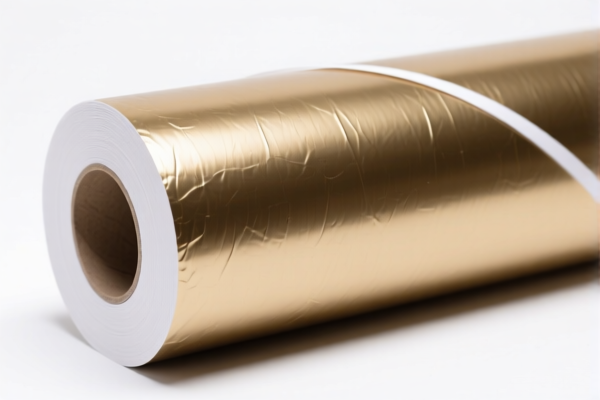
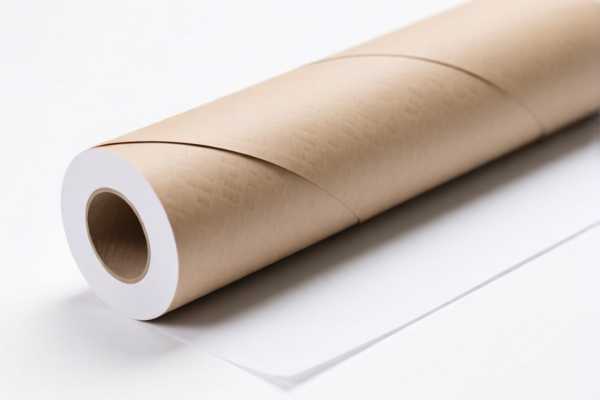
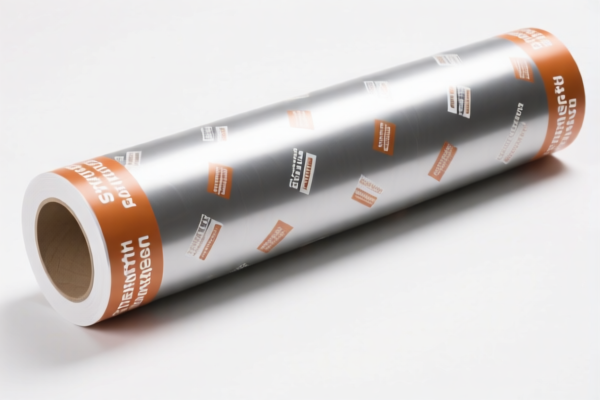
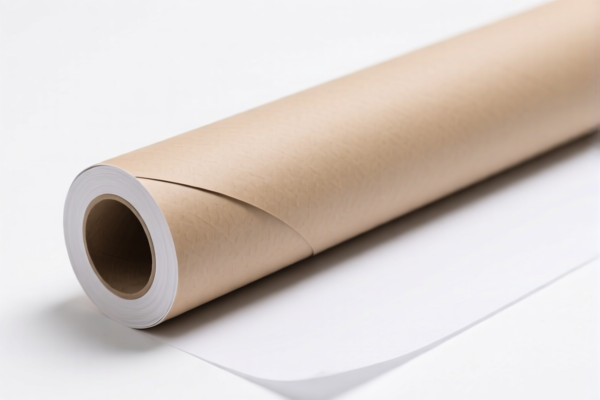
AI Analysis
📄 High Toughness Paper Roll (High-Performance Paper Products)
🌐 HS Code Reference & Customs Clearance Guide | 2026 Latest Tariff Analysis | Professional Entry Strategy
📌 I. Product Definition & Classification: What is "High Toughness Paper"?
"High Toughness Paper Roll" is not a single HS Code but a functional description. In international trade, paper is classified primarily by weight (gsm), coating status, and fiber content. "High toughness" usually implies: 1. High Grammage: Often >150 g/m² (e.g., Folding Carton Board). 2. Uncoated or Plastic-Coated: Depending on the application (e.g., packaging vs. construction). 3. Fiber Composition: Often involves chemical pulps (stronger fibers) rather than mechanical pulps.
⚠️ Key Classification Points: - Is it uncoated raw paper? → Likely Heading 4805 or 4802. - Is it coated/impregnated with plastics? → Likely Heading 4811. - Is it cut into specific shapes (gaskets, rolls for machines)? → Likely Heading 4823.
📦 II. HS Code Classification Details (2026 Latest Tariff Authority Mapping)
Based on the provided data, "High Toughness Paper Roll" falls into the following categories depending on its specific technical specifications:
| HS Code | Product Description | Application Scenario | Key Characteristics |
|---|---|---|---|
4805.92.40.10 |
Folding Carton Board (Uncoated, >150g/m² but <225g/m²) | Packaging boxes, luxury goods packaging, structural cartons | Uncoated, high strength, rigid |
4805.92.40.20 |
Construction Paper (Uncoated, >150g/m² but <225g/m²) | Building materials, industrial wrapping, sandpaper backing | Uncoated, durable, industrial use |
4802.55.10.00 |
Writing and Cover Paper (Uncoated, 40–150 g/m², >15cm width) | High-quality notebooks, covers, graphic printing | Chemical pulp, high tear resistance |
4802.55.20.00 |
Drawing Paper (Uncoated, 40–150 g/m², >15cm width) | Artistic drawing, technical sketching | Smooth surface, high tear strength |
4811.51.20.20 |
Folding Carton Stock (Plastic-coated, >150g/m², >0.3mm thick) | Food-grade packaging, moisture-resistant cartons | Plastic-coated, thicker, sealed |
4811.51.20.40 |
Base Stock for Packaging (Plastic-coated, >150g/m², >0.3mm thick) | General packaging base layers | Plastic-coated, versatile base |
4823.40.00.00 |
Printed Rolls/Dials for Self-Recording Apparatus | Industrial chart recorders, medical monitoring devices | Pre-printed, functional rolls |
4823.90.80.00 |
Gaskets, Washers, Seals (Cut-to-shape paper articles) | Industrial sealing, mechanical gaskets | Cut to size/shape, high durability |
🔍 Critical Distinction:
- If the paper is uncut rolls for folding boxes →4805.92.40.10or4811.51.20.20.
- If the paper is cut into gaskets/washers →4823.90.80.00.
- If the paper is for writing/drawing (40-150gsm) →4802.55.10.00or4802.55.20.00.
💰 III. 2026 Latest Tariff Rate Details (Including Additional Taxes)
✅ Applicable Country: United States (US)
✅ Origin: China (CN) (Based on the 25% additional tariff pattern in the data)
✅ Effective Date: Current (2025-2026 Trade Framework)
🎯 1. Uncoated Paper Rolls (4805.92.40.10, 4805.92.40.20, 4802.55.10.00)
| Item | Content |
|---|---|
| Basic Tariff | 0.0% (Ad Valorem) |
| Additional Tariff (Section 301) | +25.0% |
| Total Tax Rate | 25.0% |
| Tax Calculation | CIF Value × 25% |
| De Minimis Exemption? | ❌ No (High value items, not eligible for de minimis) |
| Legal Basis Path | USITC:4805.92.40.10 → FOOTNOTE:301 |
📌 Explanation:
- The 0% basic rate applies to most paper imports under normal MFN treatment.
- The +25% additional tariff is imposed under US Section 301 investigations on Chinese-origin paper products.
- Total cost impact: For every $10,000 CIF value, expect $2,500 in tariffs.
🎯 2. Plastic-Coated Packaging Paper (4811.51.20.20, 4811.51.20.40)
| Item | Content |
|---|---|
| Basic Tariff | 0.0% |
| Additional Tariff (Section 301) | +25.0% |
| Total Tax Rate | 25.0% |
| Tax Calculation | CIF Value × 25% |
| De Minimis Exemption? | ❌ No |
| Legal Basis Path | USITC:4811.51.20.20 → FOOTNOTE:301 |
📌 Note:
- Coated papers are often used for food-grade packaging. The 25% tariff still applies.
- Ensure the coating material is declared correctly (e.g., PE, PP) to avoid misclassification.
🎯 3. Writing/Drawing Paper (4802.55.10.00 vs 4802.55.20.00)
| Item | Content |
|---|---|
Writing & Cover Paper (...10.00) |
25.0% (Basic 0% + 25% Additional) |
Drawing Paper (...20.00) |
0.0% (Basic 0% + 0% Additional) |
⚠️ CRITICAL DIFFERENCE:
-4802.55.10.00(Writing/Cover Paper): Subject to 25% additional tariff.
-4802.55.20.00(Drawing Paper): Subject to 0% additional tariff.
- Strategy: If the paper is primarily for drawing/sketching (not writing/printing), classify as Drawing Paper to save 25% in tariffs!
- Justification Needed: Provide evidence that the paper is intended for artistic/technical drawing (smoothness, finish, marketing materials).
🎯 4. Processed Paper Articles (4823.40.00.00, 4823.90.80.00)
| Item | Content |
|---|---|
| Printed Rolls for Recording Apparatus | 25.0% |
| Gaskets, Washers, Seals | 25.0% |
| Total Tax Rate | 25.0% |
📌 Note: These are "processed" articles, not raw paper. They are fully subject to the additional tariff.
🛠️ IV. Customs Clearance Practical Advice (Pitfall Avoidance Guide)
✅ 1. Documentation Checklist (Mandatory)
| Document | Required? | Explanation |
|---|---|---|
| ✅ Product Specification Sheet | ✔️ | Must include GSM, thickness, coating type, fiber content |
| ✅ Commercial Invoice | ✔️ | Clearly state "Paper Roll," HS Code, and CIF value |
| ✅ Packing List | ✔️ | Detail roll dimensions, weight per roll, total rolls |
| ✅ Certificate of Origin (CO) | ✔️ | Essential for determining tariff eligibility |
| ✅ Fiber Composition Statement | ✔️ | To distinguish between mechanical vs. chemical pulp (affects 4802 vs 4805) |
| ✅ Third-Party Test Report | ✔️ | For "toughness" claims (tear resistance, burst strength) if challenged |
✅ 2. Declaration Tips (Key Mnemonics)
🔥 "Check GSM, Check Coating, Check Use!"
| Scenario | Correct Declaration | Wrong Approach | Consequence |
|---|---|---|---|
| Folding Carton Board | "Uncoated Folding Carton Board, >150gsm, <225gsm" | "Packaging Paper" | Misclassification → 25% penalty + delay |
| Drawing Paper | "Uncoated Drawing Paper, 40-150gsm, Chemical Pulp" | "Writing Paper" | Save 25% tariff! |
| Writing Paper | "Uncoated Writing/Cover Paper, 40-150gsm" | "Drawing Paper" | Pay extra 25% if misdeclared |
| Plastic-Coated Paper | "Plastic-Coated Paper, >150gsm, >0.3mm thick" | "Uncoated Paper" | Higher inspection rate, potential fines |
✅ 3. Special Case Handling
| Situation | Recommendation |
|---|---|
| "High Toughness" Claim | Provide tear resistance test reports. If the paper is >150gsm, it’s likely 4805 or 4811. If <150gsm, it’s 4802. |
| Mixed Rolls | If a shipment contains both writing and drawing paper, separate them or declare the higher-tariff item for the whole lot. Better to classify drawing paper separately if possible. |
| Plastic Coating Type | Specify the plastic type (e.g., PE, PP, PVC). Different coatings may have different environmental regulations (EPA/FDA). |
| Origin Marking | Ensure each roll or carton is marked "Made in China" to facilitate customs verification. |
🌍 V. Global Market Clearance Comparison (2026 Latest)
| Country/Region | Recommended HS Code | Tariff (China Origin) | Certification Requirements | Notes |
|---|---|---|---|---|
| 🇺🇸 USA | 4805.92.40.10 (Carton) |
25% | None specific for paper | High tariff environment; check for drawing paper exemption |
| 🇨🇳 China | 4805.92.40.10 |
0%~5% | CCC (if applicable) | Domestic trade benefits |
| 🇪🇺 EU | 4805.92.40.10 |
0%~6.5% | REACH Compliance | No Section 301 equivalent |
| 🇬🇧 UK | 4805.92.40.10 |
0%~6.5% | UKCA Marking | Post-Brexit rules apply |
| 🇯🇵 Japan | 4805.92.40.10 |
3%~5% | JIS Standard | No additional tariffs |
📌 Conclusion:
- The US is the most expensive market for Chinese paper products due to the 25% additional tariff.
- Strategy: For paper between 40-150gsm, optimize classification to "Drawing Paper" (4802.55.20.00) to achieve 0% additional tariff.
- For packaging paper (>150gsm), the 25% tariff is unavoidable unless sourced from non-China origins (e.g., Vietnam, Thailand).
📌 VI. Common Errors & Pitfalls (Lessons Learned)
❌ Error 1: Declaring Writing Paper as Drawing Paper without justification
👉 Consequence: Customs may reclassify and charge 25% + penalties.
✅ Fix: Provide marketing materials showing the paper is for drawing/sketching.
❌ Error 2: Ignoring Coating Status
👉 Consequence: Declaring plastic-coated paper as uncoated leads to misclassification and potential bonds seizure.
✅ Fix: Clearly state "Plastic-Coated" in the description.
❌ Error 3: Using vague terms like "High Toughness Paper"
👉 Consequence: Customs will request additional documentation, causing delays.
✅ Fix: Use precise HS Code descriptions (e.g., "Folding Carton Board, Uncoated, 180gsm").
❌ Error 4: Missing Weight Thresholds
👉 Consequence: Misclassifying <150gsm as >150gsm items.
✅ Fix: Verify GSM with lab tests. 40-150gsm vs >150gsm are critical boundaries.
🎯 VII. Conclusion: Precision Classification Saves Money!
🎯 Key Takeaways:
🔹 "For 40-150gsm Paper: Is it Drawing? Use
4802.55.20.00to save 25%!"
🔹 "For >150gsm Packaging: Expect 25% tariff on4805and4811."
🔹 "Coated vs. Uncoated: Define clearly to avoid reclassification."
🔹 "Gaskets/Washers: These are4823, not raw paper."
📌 Pro Tip:
If you are importing high-toughness paper for packaging, consider:
1. Pre-ruling: Apply for an Advance Ruling from US Customs to confirm the HS Code.
2. Origin Diversification: Source from Vietnam or Malaysia to avoid the 25% Section 301 tariff.
3. Product Optimization: If possible, adjust GSM to fall into the 0% additional tariff bracket (e.g., Drawing Paper <150gsm).
📣 Immediate Action:
📞 Consult a licensed customs broker.
📄 Prepare technical specs and fiber composition data.
🚀 Save 25% by choosing the right HS Code!
✨ Accurate Classification is the Key to Profitable Trade!
💼 Every percentage point in tariff is money in your pocket!
Customer Reviews
About HS Code Classification
The Harmonized System (HS) is an internationally standardized nomenclature developed by the World Customs Organization (WCO) to classify traded products. Over 200 countries use the HS system as the basis for customs tariffs, trade statistics, and import/export regulations.
Each HS code follows a hierarchical structure:
- Chapter (2 digits) — Broad category of goods (e.g., Chapter 84: Machinery and Mechanical Appliances)
- Heading (4 digits) — More specific grouping within the chapter
- Subheading (6 digits) — Internationally standardized breakdown, used by all WCO member countries
- National subdivisions (8-10 digits) — Country-specific extensions for further classification, such as US HTSUS 10-digit codes
Correct HS code classification is essential for smooth customs clearance, accurate duty payment, and compliance with trade regulations. Misclassification can lead to customs delays, overpayment of duties, or penalties.
When importing from CN to US, the applicable tariff rates may include:
- Most-Favored-Nation (MFN) rate — The standard duty rate applied to WTO members
- General rate — Applied to countries without trade agreements
- Trade remedy duties — Additional tariffs such as Section 301 (anti-dumping), Section 232 (national security), or countervailing duties
The information provided on this page is for reference purposes only. For official classification, please consult with your local customs authority or a licensed customs broker.