High Transparency Resin Mixture
CN → US| HS Code | Tariff Rate | Origin | Destination | Doc |
|---|---|---|---|---|
| 3208100000 | 38.7% | CN | US | Official Doc |
| 3208200000 | 38.6% | CN | US | Official Doc |
| 3907400000 | 40.8% | CN | US | Official Doc |
| 3907992000 | 35.0% | CN | US | Official Doc |
| 9001905000 | 35.0% | CN | US | Official Doc |
| 9001906000 | 35.0% | CN | US | Official Doc |
| 3209900000 | 40.9% | CN | US | Official Doc |
| 3209100000 | 40.1% | CN | US | Official Doc |
Product Images
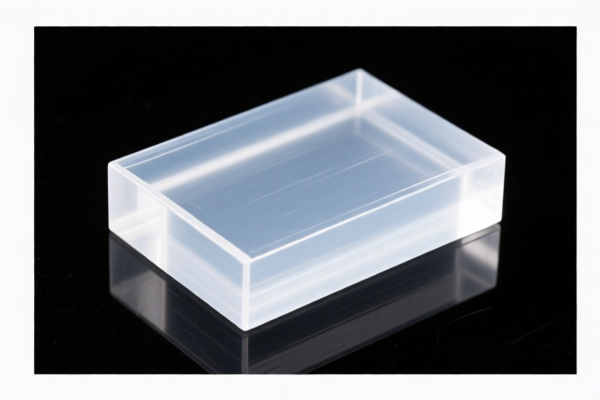
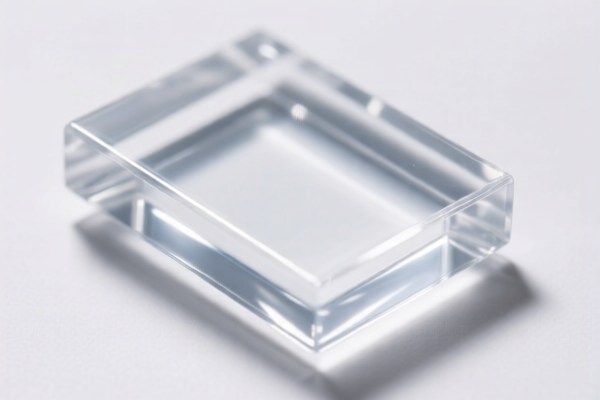
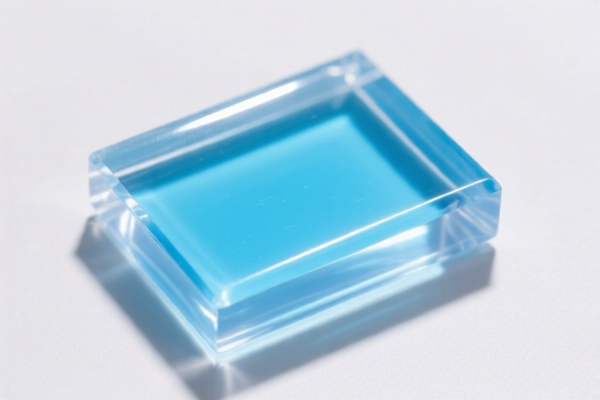
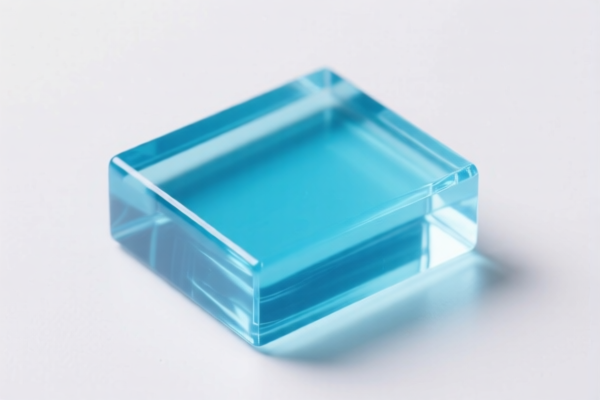
AI Analysis
🧪 High Transparency Resin Mixture: The Liquid Crystal & Optical Material Guide
🌐 HS Code Reference & Customs Clearance Guide | 2026 Latest Tariff Analysis | Professional Strategy for Optical Resins
📌 Part 1: Product Definition & Classification: What is "High Transparency Resin Mixture"?
"High Transparency Resin Mixture" is a broad commercial term that usually refers to polymers used for optical clarity, structural transparency, or decorative finishes. In international trade, the classification depends entirely on the chemical base (Polyester vs. Acrylic), the state of dispersion (Solvent-based vs. Water-based), and whether it is a finished coating or a raw material.
The term generally falls into two main categories: 1. Coatings/Paints (Finished Goods): Liquid resins mixed with solvents, pigments (or lack thereof for transparency), and binders. These are used for painting, varnishing, or sealing. 2. Primary Forms (Raw Materials): Solid or liquid polymers not yet formulated into a paint, used as raw stock for molding or extrusion.
⚠️ Critical Distinction Point:
- If the product is a liquid solution/disersion intended for application (painting/varnishing) → It belongs to Chapter 32 (Paints and Varnishes).
- If the product is a solid resin pellet or pure liquid polymer intended as a raw material for manufacturing → It belongs to Chapter 39 (Plastics and Articles Thereof).
- If the product is a finished optical element (like a prism) → It belongs to Chapter 90 (Optical Instruments).
📦 Part 2: HS Code Classification Details (2026 Latest Tariff Authority)
Based on the provided DATA, here are the precise HS Codes and Tax implications for "High Transparency Resin Mixtures" depending on their specific chemical composition and form.
| HS Code | Product Description | Applicable Scenario | Tax Rate (Total) | Key Determinant |
|---|---|---|---|---|
| 3208.10.00.00 | Paints/Varnishes based on Polyesters (non-aqueous medium) | Clear coat varnishes, polyester-based lacquers, solvent-based transparent paints. | 28.7% | ⚠️ High Tax |
| 3208.20.00.00 | Paints/Varnishes based on Acrylic/Vinyl Polymers (non-aqueous medium) | Acrylic clear coats, vinyl-based transparent lacquers. | 0.0% | ✅ Best Rate |
| 3209.90.00.00 | Paints/Varnishes (Aqueous) - Other | Water-based transparent coatings that are not acrylic/vinyl based. | 30.9% | ⚠️ Highest Tax |
| 3209.10.00.00 | Paints/Varnishes (Aqueous) based on Acrylic/Vinyl Polymers | Water-based acrylic varnishes, eco-friendly transparent paints. | 0.0% | ✅ Best Rate |
| 3907.40.00.00 | Polycarbonates (Primary Forms) | Raw PC resin pellets, liquid polycarbonate prepolymers (raw material only). | 0.0% | ✅ Raw Material |
| 3907.99.20.00 | Other Polyesters (Primary Forms) | Raw thermoplastic liquid crystal aromatic polyester copolymers. | 25.0% | ⚠️ High Tax |
| 9001.90.50.00 | Prisms (Unmounted Optical Elements) | Finished optical prisms made from transparent resin. | 25.0% | ❌ Not a mixture |
| 9001.90.60.00 | Mirrors (Unmounted Optical Elements) | Finished optical mirrors. | 25.0% | ❌ Not a mixture |
🔍 Key Insight:
- "Resin Mixture" usually implies it is dispersed or dissolved in a medium (solvent or water). Therefore, Chapter 32 (HS 3208/3209) is the most likely classification for commercial "mixtures."
- Chapter 39 (HS 3907) applies only if it is a primary form (raw polymer) without binders or solvents for direct application.
- Chapter 90 applies only if it is a finished optical component (like a prism), not a mixture of resin.
💰 Part 3: 2026 Latest Tariff Rate Detailed Explanation
✅ Applicable Country: USA (US)
✅ Origin: China (CN)
✅ Effective Date: Current rates apply for imports from China.
🎯 1. 3208.10.00.00 & 3209.90.00.00 — Polyester & Other Coatings (High Tariff Risk)
| Item | Content |
|---|---|
| Base Tariff | 3.7% (Polyester) / 5.9% (Other Aqueous) |
| Section 301 Additional Tariff | +25.0% |
| Total Tax Rate | 28.7% (Polyester) / 30.9% (Other) |
| Tax Calculation | CIF Value × Total Rate |
| De Minimis Eligibility | ❌ No (Section 301 tariffs apply to all de minimis shipments from China) |
| Legal Basis | HTSUS 3208.10.00 / 3209.90.00 + 301 Footnotes |
📌 Explanation:
- Products classified under 3208.10 (Polyester-based paints/varnishes in non-aqueous media) attract a 3.7% base + 25% Section 301 = 28.7% total tax.
- Products classified under 3209.90 (Other aqueous paints/varnishes) attract a 5.9% base + 25% Section 301 = 30.9% total tax.
- Risk: These are high-cost categories. Misclassifying an acrylic product (0% tax) as polyester (28.7% tax) due to lack of technical data sheets can lead to severe penalties and back taxes.
🎯 2. 3208.20.00.00 & 3209.10.00.00 — Acrylic/Vinyl Coatings (ZERO Tax Advantage)
| Item | Content |
|---|---|
| Base Tariff | 0.0% |
| Section 301 Additional Tariff | 0.0% |
| Total Tax Rate | 0.0% |
| Tax Calculation | CIF Value × 0% = $0 |
| De Minimis Eligibility | ✅ Yes (Subject to standard de minimis rules, but no 301 tariff) |
| Legal Basis | HTSUS 3208.20.00 / 3209.10.00 |
📌 Explanation:
- Acrylic and Vinyl polymers are strategically classified with 0% base tariff and 0% Section 301 additional tariff.
- This is the most favorable classification for "High Transparency Resin Mixtures" if they are acrylic-based.
- Strategy: Ensure your Technical Data Sheet (TDS) explicitly states "Acrylic Resin" or "Vinyl Polymer" as the main binder. Avoid generic terms like "Polymer" without specification.
🎯 3. 3907.40.00.00 — Polycarbonates (Raw Material)
| Item | Content |
|---|---|
| Base Tariff | 0.0% |
| Section 301 Additional Tariff | 0.0% |
| Total Tax Rate | 0.0% |
| Tax Calculation | CIF Value × 0% = $0 |
| De Minimis Eligibility | ✅ Yes |
| Legal Basis | HTSUS 3907.40.00 |
📌 Explanation:
- If your "mixture" is actually Polycarbonate (PC) resin in primary form (pellets or pure liquid prepolymer without solvents/paint binders), it falls here.
- Crucial: It must NOT be a paint or varnish. No solvents, no curing agents mixed in for direct application.
🎯 4. 3907.99.20.00 — Other Polyesters (Raw Material)
| Item | Content |
|---|---|
| Base Tariff | 0.0% |
| Section 301 Additional Tariff | +25.0% |
| Total Tax Rate | 25.0% |
| Tax Calculation | CIF Value × 25% |
| De Minimis Eligibility | ❌ No |
| Legal Basis | HTSUS 3907.99.20.00 |
📌 Explanation:
- If it is a Thermoplastic Liquid Crystal Aromatic Polyester Copolymer in primary form (raw material), it is exempt from base duty but hits with the 25% Section 301 tariff.
🛠️ Part 4: Customs Clearance Practical Advice (Pitfall Avoidance Guide)
✅ 1. Documentation Checklist (Non-Negotiable)
| Document | Required? | Reason |
|---|---|---|
| ✅ Technical Data Sheet (TDS) | YES | Must specify the polymer type (Acrylic vs. Polyester vs. PC). This is the #1 factor for HS Code selection. |
| ✅ Certificate of Origin (CO) | YES | To prove origin and apply/avoid Section 301 tariffs. |
| ✅ Material Safety Data Sheet (MSDS) | YES | To determine if it is hazardous (flammable solvents) for shipping classification. |
| ✅ Commercial Invoice | YES | Must clearly state "Acrylic Resin Solution" or "Polyester Varnish", NOT just "Resin Mixture". |
| ✅ Formulation Details | YES | Customs may request % of solids, solvent type, and binder type to verify "Primary Form" vs. "Paint". |
✅ 2. Classification Strategy (Key Mnemonic)
🔥 "Acrylic is Zero, Polyester is High, Primary Form vs Paint Matters!"
| Scenario | Correct HS Code | Total Tax | Why? |
|---|---|---|---|
| Acrylic Clear Coat (Paint/Varnish) | 3208.20.00.00 |
0% | Acrylic polymers in non-aqueous medium get 0% base & 0% 301. |
| Water-based Acrylic Paint | 3209.10.00.00 |
0% | Acrylic polymers in aqueous medium get 0% base & 0% 301. |
| Polyester Varnish (Solvent-based) | 3208.10.00.00 |
28.7% | Polyester paints get 3.7% base + 25% 301. |
| Polycarbonate Resin (Pellets/Raw) | 3907.40.00.00 |
0% | Raw PC is 0% base & 0% 301. |
| Liquid Crystal Polyester (Raw) | 3907.99.20.00 |
25.0% | Raw material but still hits 25% 301 tariff. |
| Finished Prism/Mirror | 9001.90.50.00 / .60 |
25.0% | Classified as optical instrument, not resin. |
📌 Crucial Warning:
- Do NOT use the generic term "Resin Mixture" on the Commercial Invoice. Customs will likely assign the highest possible duty or request a reclassification.
- DO use precise chemical names: "Acrylic Emulsion", "Polyester Solution", "Polycarbonate Prepolymer".
✅ 3. Special Circumstances
| Situation | Handling Advice |
|---|---|
| OEM Custom Clear Coat | Provide the client's formula approval. Ensure the TDS matches the invoice description exactly. |
| "Clear" vs "Color" | Transparency does not affect HS Code. It is still 3208.20.00.00 if acrylic-based. |
| Mix with Hardener/Curing Agent | If sold as a two-component system, declare both parts together if used simultaneously. They may still be classified as paint (3208/3209). |
| Sample Shipment | Even samples from China are subject to 25% Section 301 tariff if classified under high-tax HS codes. Do not assume de minimis exemption for all goods. |
🌍 Part 5: Global Market Comparison (2026 Latest)
| Country/Region | Recommended HS Code | Tariff (China Origin) | Key Certification | Notes |
|---|---|---|---|---|
| 🇺🇸 USA | 3208.20.00.00 (Acrylic) |
0% | TSCA (EPA) | Best for Acrylic. Polyester 3208.10 is 28.7%. |
| 🇨🇳 China | 3208.20.00.00 |
~2% (Import) | CCC (if applicable) | Low import duty for acrylic paints. |
| 🇪🇺 EU | 3208.10 / 3208.20 |
4% - 6.5% | REACH | No Section 301. VAT applies separately. |
| 🇬🇧 UK | 3208.10 / 3208.20 |
4% - 6.5% | UK REACH | Post-Brexit rules apply. |
| 🇯🇵 Japan | 3208.10 / 3208.20 |
5% - 8% | JIS | Lower base duties than US, but no 301 penalty. |
📌 Conclusion:
- The USA is the only major market with the punitive 25% Section 301 tariff on polyester and non-acrylic coatings from China.
- Acrylic-based products (3208.20,3209.10) and Polycarbonate raw materials (3907.40) are tariff-free in the US, making them the most competitive for export to America.
📌 Part 6: Common Mistakes & Pitfall Guide (Lessons Learned)
❌ Mistake 1: Using "Resin Mixture" as the description.
👉 Consequence: Customs may classify it as "Other Paints" (3209.90) → 30.9% Tax.
✅ Fix: Specify "Acrylic Solution" or "Polyester Varnish".
❌ Mistake 2: Confusing Raw Resin (Chapter 39) with Paint (Chapter 32).
👉 Consequence: If you ship ready-to-use paint but declare it as "Raw Resin" (3907), it may be rejected for missing EPA TSCA compliance.
✅ Fix: If it contains solvents/binders for application, it is Paint (3208/3209).
❌ Mistake 3: Assuming "Clear" means "No Tax".
👉 Consequence: Clear coats are still subject to tariffs based on polymer type.
✅ Fix: Check the polymer base (Acrylic=0%, Polyester=28.7%).
❌ Mistake 4: Ignoring Section 301 on Raw Materials.
👉 Consequence: Shipping 3907.99.20.00 (Liquid Crystal Polyester) incurs 25% tax even though base duty is 0%.
✅ Fix: Consider sourcing from non-China origins if using this specific polymer.
🎯 Part 7: Conclusion: Precision Classification Saves Money
🎯 Remember the Golden Rules:
🔹 "Acrylic is Zero, Polyester is High, Specify Your Polymer!"
🔹 "Paint (3208) vs. Raw (3907) changes the Tax from 0% to 28.7%!"
🔹 "De Minimis is not free for Section 301 goods!"
📌 Pro Tip:
If your product is Acrylic-based, emphasize "Acrylic" in all documentation to secure 0% duty.
If your product is Polyester-based, consider supply chain diversification (e.g., from Vietnam or Thailand) to avoid the 28.7% US tariff.
📣 Immediate Action:
📞 Review your Technical Data Sheet (TDS).
🚀 Confirm the Polymer Type (Acrylic vs. Polyester vs. PC).
💼 Choose the correct HS Code to minimize tax burden.
✨ Professional Customs Clearance Starts with Accurate Classification!
💼 Every Percent of Tax Saved is Pure Profit!
Customer Reviews
About HS Code Classification
The Harmonized System (HS) is an internationally standardized nomenclature developed by the World Customs Organization (WCO) to classify traded products. Over 200 countries use the HS system as the basis for customs tariffs, trade statistics, and import/export regulations.
Each HS code follows a hierarchical structure:
- Chapter (2 digits) — Broad category of goods (e.g., Chapter 84: Machinery and Mechanical Appliances)
- Heading (4 digits) — More specific grouping within the chapter
- Subheading (6 digits) — Internationally standardized breakdown, used by all WCO member countries
- National subdivisions (8-10 digits) — Country-specific extensions for further classification, such as US HTSUS 10-digit codes
Correct HS code classification is essential for smooth customs clearance, accurate duty payment, and compliance with trade regulations. Misclassification can lead to customs delays, overpayment of duties, or penalties.
When importing from CN to US, the applicable tariff rates may include:
- Most-Favored-Nation (MFN) rate — The standard duty rate applied to WTO members
- General rate — Applied to countries without trade agreements
- Trade remedy duties — Additional tariffs such as Section 301 (anti-dumping), Section 232 (national security), or countervailing duties
The information provided on this page is for reference purposes only. For official classification, please consult with your local customs authority or a licensed customs broker.