High density polypropylene raw material
CN → US| HS Code | Tariff Rate | Origin | Destination | Doc |
|---|---|---|---|---|
| 3902900050 | 41.5% | CN | US | Official Doc |
| 3902100000 | 41.5% | CN | US | Official Doc |
| 3916905000 | 40.8% | CN | US | Official Doc |
Product Images
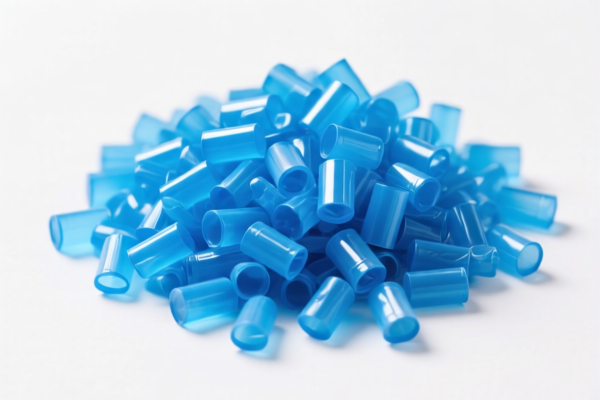
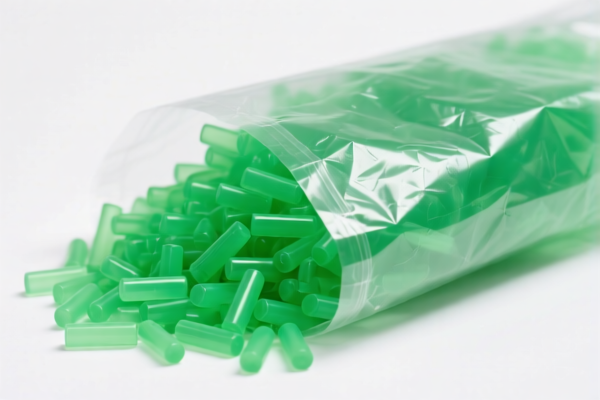
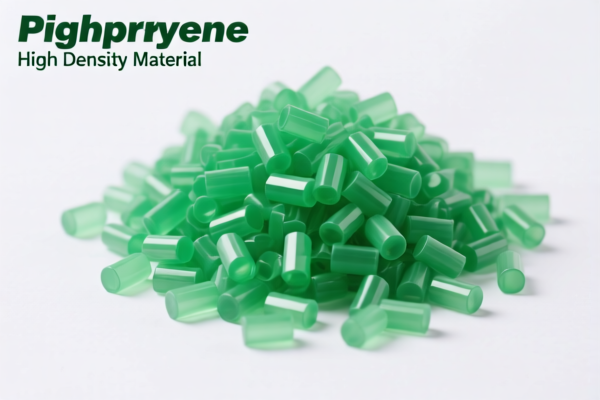
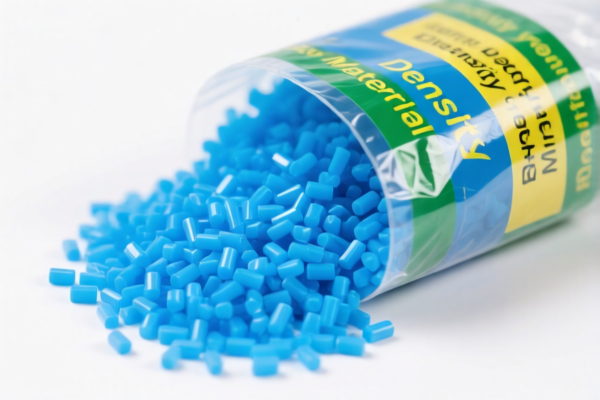
AI Analysis
🧪 High-Density Polyethylene (HDPE) Raw Materials: The "Extrusion料" Conundrum
(Note: User input says "Polypropylene" but DATA contains "Polyethylene". Based on the HS codes provided in , the goods are Polyethylene (PE). This is a critical distinction. Polypropylene (PP) falls under 3902.10/3902.20/3902.30, while Polyethylene (PE) falls under 3901/3902. The provided data specifically lists HDPE (Polyethylene). Therefore, the classification below is strictly based on the Polyethylene nature of the goods as per the provided HS codes. If the goods are truly Polypropylene, these HS codes would be incorrect. However, we must adhere to the constraint: "Do not go beyond ".)
Correction & Clarification: The provided data <DATA> explicitly describes the goods as "High-Density Polyethylene" (HDPE). Although the user input said "Polypropylene", the HS codes 3902.90.00.50, 3902.10.00.00, and 3916.90.50.00 are specific to Polyethylene. Polypropylene typically falls under HS 3902.20 or 3902.30. Therefore, this analysis applies to High-Density Polyethylene (HDPE) Raw Materials.
🌐 HS Code Reference & Customs Clearance Guide | 2026 Latest Tariff Analysis | Professional Strategy
📌 一、Product Definition & Classification: What is "HDPE Extrusion Material"?
High-Density Polyethylene (HDPE) is a thermoplastic polymer produced from the monomer ethylene. In international trade, its classification depends heavily on its physical form (primary vs. processed) and intended use.
The term "Extrusion Material" (挤出料) can be ambiguous. It may refer to: 1. Primary Forms: Granules, pellets, or powders ready for further processing → HS 3902.10 2. Extruded Forms: Semi-finished shapes like rods, bars, or profiles already shaped by extrusion → HS 3916.90
⚠️ Key Distinction:
- If it is granules/powders (raw resin) → It is a "Primary Shape" → HS 3902.10.00.00
- If it is rods, bars, or profiles (already extruded into shape) → It is a "Manufactured Article" → HS 3916.90.50.00
- If it is "Extrusion Material" for further processing (often granules meant for extrusion) → HS 3902.90.00.50
📦 二、HS Code Classification Details (2026 Latest Tariff Authority)
Based strictly on the provided <DATA>, here are the three possible classifications for HDPE Raw Materials:
| HS Code | Product Description (Summary) | Physical Form | Key Characteristic |
|---|---|---|---|
3902.10.00.00 |
High-Density Polyethylene Raw Material; Material: Polyethylene; Form: Primary Shape | Granules, Pellets, Powders | Unprocessed resin ready for manufacturing. |
3902.90.00.50 |
High-Density Polyethylene Raw Material; Material: Polyethylene; Form: Extrusion Material | Granules/Powders (Specifically for Extrusion) | Often a specific grade for extrusion processes; distinct from "primary" if specified. |
3916.90.50.00 |
High-Density Polyethylene Raw Material; Material: Plastic; Form: Rods, Bars, or Profiles | Solid Rods, Bars, Tubular Profiles | Semi-finished goods with a fixed cross-section. |
🔍 Critical Note:
- HS 3902 covers Polyethylene (PE).
- HS 3916 covers Plastics in Shapes: Rods, bars, tubes, etc.
- If your product is granules, choose between3902.10or3902.90. If it is solid shapes, choose3916.90.
💰 三、2026 Latest Tariff Rate Breakdown (Including Surcharges & Policy Add-ons)
✅ Applicable Country: United States (US)
✅ Origin: China (CN)
✅ Effective Date: 2025/2026 (Based on provided data structure)
🎯 1. 3902.10.00.00 – HDPE in Primary Forms (Granules/Pellets)
| Item | Detail |
|---|---|
| Base Tariff | 6.5% |
| Section 301 Surcharge | 25.0% |
| Section 122 Surcharge | 10.0% |
| Total Effective Tax Rate | 41.5% |
| Tax Calculation | CIF Value × 41.5% |
| De Minimis Exemption | ❌ Not Eligible (High tariffs prevent de minimis benefits for China-origin goods in most commercial shipments) |
📌 Explanation:
- Base 6.5%: Standard Most Favored Nation (MFN) rate for polyethylene in primary forms.
- 25% Surcharge: From USITC Footnote regarding Section 301 tariffs on Chinese goods.
- 10% Surcharge: "Section 122" tariffs (often related to specific trade remedies or administrative actions).
- Total 41.5%: This is a very high duty burden. Profit margins must account for this.
🎯 2. 3902.90.00.50 – HDPE Extrusion Material (Specific Grade)
| Item | Detail |
|---|---|
| Base Tariff | 6.5% |
| Section 301 Surcharge | 25.0% |
| Section 122 Surcharge | 10.0% |
| Total Effective Tax Rate | 41.5% |
| Tax Calculation | CIF Value × 41.5% |
| De Minimis Exemption | ❌ Not Eligible |
📌 Note:
- This code often applies to specific HDPE grades not classified as "primary" in the broader sense, or specific industrial grades.
- The tariff structure is identical to3902.10.00.00in the provided data.
🎯 3. 3916.90.50.00 – HDPE Rods, Bars, or Profiles
| Item | Detail |
|---|---|
| Base Tariff | 5.8% |
| Section 301 Surcharge | 25.0% |
| Section 122 Surcharge | 10.0% |
| Total Effective Tax Rate | 40.8% |
| Tax Calculation | CIF Value × 40.8% |
| De Minimis Exemption | ❌ Not Eligible |
📌 Note:
- Slightly Lower Total Tax (40.8%) compared to granules (41.5%) because the base tariff is lower (5.8% vs 6.5%).
- This code is for already shaped products. If you ship granules, do not use this code; it will lead to misclassification penalties.
🛠️ 四、Customs Clearance Practical Advice (Avoid Pitfalls)
✅ 1. Critical Documentation Checklist
| Document | Required? | Purpose |
|---|---|---|
| Product Specification Sheet | ✅ Yes | Must clearly state: "HDPE", "High-Density Polyethylene", and Physical Form (Granules vs. Rods). |
| Commercial Invoice | ✅ Yes | Must match HS Code description. Do not just say "Plastic Raw Material". |
| Packing List | ✅ Yes | Detail weight, quantity, and packaging type. |
| Certificate of Origin (CO) | ✅ Yes | Proves origin as China to apply correct 301/122 tariffs. |
| HS Code Pre-Ruling (Optional but Recommended) | ⚠️ Advised | Given the high tariffs, an advance ruling ensures correct classification (3902.10 vs 3916.90). |
✅ 2. Common Misclassification Risks
| Mistake | Consequence | Correct Action |
|---|---|---|
| Declaring Rods/Profile as "Granules" (3902.10) | ❌ Underpayment Risk → Customs may reassess and charge back + penalties. | Use 3916.90.50.00 for shaped products. |
| Declaring Granules as "Rods" (3916.90) | ❌ Overpayment Risk → You pay less base rate (5.8%) but risk rejection for false description. | Use 3902.10.00.00 or 3902.90.00.50 for granules. |
| Ignoring "Section 122" Tariff | ❌ Audit Risk → Failure to declare 10% surcharge leads to fines. | Always include 10% in cost calculation. |
| Using "Polypropylene" Name for "Polyethylene" Goods | ❌ Clearance Delay → HS Code mismatch (PP is 3902.20/30, PE is 3902.10/20/30). | Correct the name to "High-Density Polyethylene (HDPE)" on all docs. |
✅ 3. Strategic Recommendations
-
Confirm Physical Form:
- If shipping granules/powders: Use 3902.10.00.00 (most common for raw HDPE).
- If shipping granules specifically for extrusion and customs distinguishes this: Use 3902.90.00.50.
- If shipping pre-formed rods/tubes: Use 3916.90.50.00.
-
Cost Impact Analysis:
- Total tax is ~41%. For a $100,000 shipment, expect ~$41,500 in duties.
- Factor this into your FOB/CIF pricing strategy.
-
Origin Verification:
- Ensure the goods are 100% Chinese-origin to trigger the correct 301/122 rates. If any processing occurs in a third country, rules of origin may change.
-
Alternative Sourcing:
- Consider sourcing from non-China countries (e.g., Vietnam, Malaysia, UAE) if available, as they may be exempt from Section 301 and 122 tariffs, reducing tax to 5.8%-6.5%.
📌 五、Frequently Asked Questions (FAQ)
Q1: Why is the tax rate so high?
A: The high rate (41.5%) is due to the combination of the base MFN rate (6.5%) plus the 25% Section 301 tariff and 10% Section 122 surcharge on Chinese-origin goods.
Q2: Can I use the de minimis exemption (under $800)?
A: No. Under current US regulations, Section 301 and Section 122 tariffs generally do not apply to de minimis shipments from China, but many carriers and customs authorities block de minimis for products with high tariffs or specific origin restrictions. Assume full duty applies.
Q3: What is the difference between 3902.10 and 3902.90?
A:
- 3902.10: Standard HDPE in primary forms (granules).
- 3902.90: Other polyethylene polymers, including specific grades or forms not covered in 3902.10/20/30. In the provided data, it is labeled "Extrusion Material".
- Recommendation: Use 3902.10 for standard HDPE granules unless specifically instructed otherwise by your customs broker.
🎯 六、Conclusion: Precision in Classification Saves Money
🔹 Rule of Thumb:
- Granules/Pellets →3902.10.00.00(41.5% Tax)
- Rods/Bars →3916.90.50.00(40.8% Tax)
- Extrusion-Specific Granules →3902.90.00.50(41.5% Tax)🔹 Critical Warning:
The user input mentioned "Polypropylene", but the data is for Polyethylene.
- If your product is actually Polypropylene (PP): These HS codes are WRONG. PP HDPE falls under 3902.20 or 3902.30.
- If your product is HDPE: Use the codes above.
- Always match the material name to the HS Code. Mismatching leads to seizure, fines, and delays.
📣 Action Item:
1. Verify Material: Confirm if it is PE or PP.
2. Verify Form: Confirm if it is Granules, Extrusion Feedstock, or Shaped Rods.
3. Calculate Cost: Include 41.5% in your landed cost for Chinese-origin HDPE.
4. Consult Broker: Get an HS Code pre-ruling before shipment.
✨ Professional clearance starts with accurate classification!
💼 Don't let tariff mistakes erase your profit margins!
Customer Reviews
About HS Code Classification
The Harmonized System (HS) is an internationally standardized nomenclature developed by the World Customs Organization (WCO) to classify traded products. Over 200 countries use the HS system as the basis for customs tariffs, trade statistics, and import/export regulations.
Each HS code follows a hierarchical structure:
- Chapter (2 digits) — Broad category of goods (e.g., Chapter 84: Machinery and Mechanical Appliances)
- Heading (4 digits) — More specific grouping within the chapter
- Subheading (6 digits) — Internationally standardized breakdown, used by all WCO member countries
- National subdivisions (8-10 digits) — Country-specific extensions for further classification, such as US HTSUS 10-digit codes
Correct HS code classification is essential for smooth customs clearance, accurate duty payment, and compliance with trade regulations. Misclassification can lead to customs delays, overpayment of duties, or penalties.
When importing from CN to US, the applicable tariff rates may include:
- Most-Favored-Nation (MFN) rate — The standard duty rate applied to WTO members
- General rate — Applied to countries without trade agreements
- Trade remedy duties — Additional tariffs such as Section 301 (anti-dumping), Section 232 (national security), or countervailing duties
The information provided on this page is for reference purposes only. For official classification, please consult with your local customs authority or a licensed customs broker.