High elasticity Fine Animal Hair Content Trousers
CN → US| HS Code | Tariff Rate | Origin | Destination | Doc |
|---|---|---|---|---|
| 6203412510 | 25.1% | CN | US | Official Doc |
| 6203430910 | 0.0% | CN | US | Official Doc |
| 6103431010 | 0.0% | CN | US | Official Doc |
| 6104290540 | 0.0% | CN | US | Official Doc |
| 6203416010 | 0.0% | CN | US | Official Doc |
Product Images
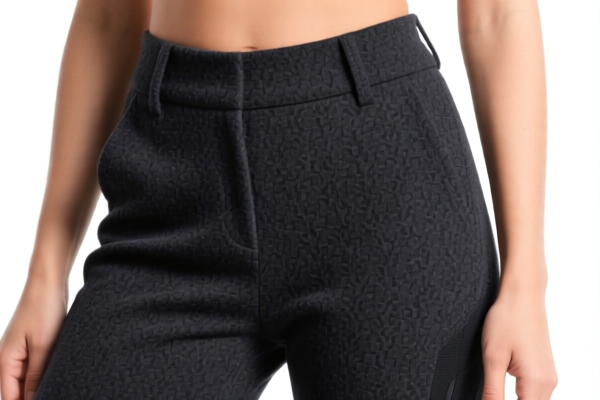
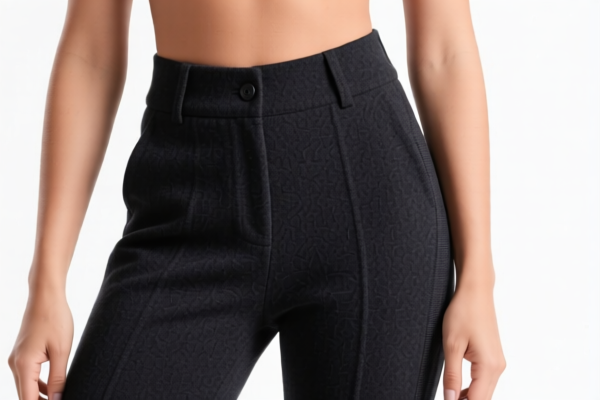
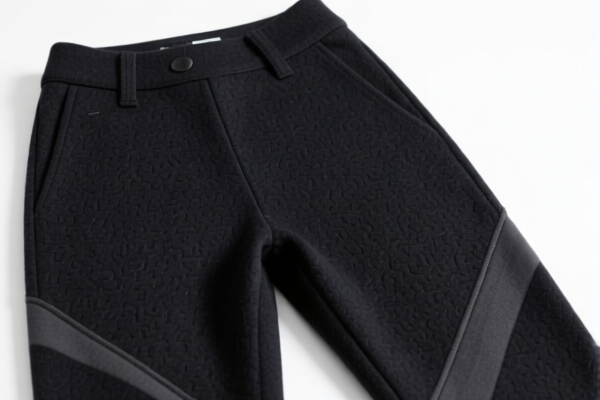
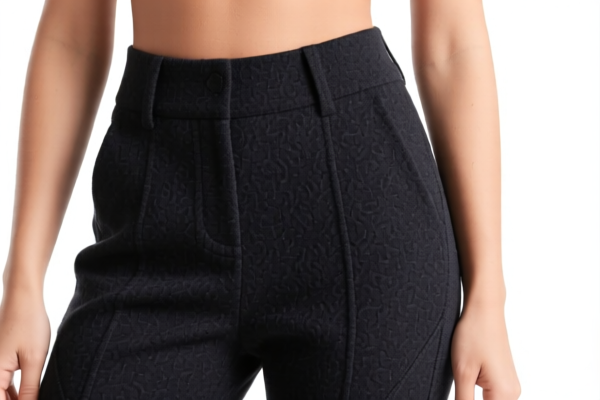
AI Analysis
👖 High Elasticity Fine Animal Hair Content Trousers
🌐 HS Code Reference & Customs Clearance Guide | 2026 Latest Tariff Analysis | Professional Level Strategy
📌 1. Product Definition & Classification: Do You Really Understand "High Elasticity Fine Animal Hair Trousers"?
Trousers, or pants, are garments worn from the waist down, covering each leg separately. In international trade, classification depends heavily on: 1. Material Composition: The primary fiber content (e.g., wool, fine animal hair, synthetic). 2. Knitted or Crocheted vs. Not Knitted: This is the most critical distinction. - Knitted/Crocheted: Classified under Chapter 61. - Not Knitted (Woven): Classified under Chapter 62. 3. Gender: Men's or Boys' vs. Women's or Girls'.
⚠️ Key Distinction: - If the fabric is knitted or crocheted (stretchy, looped structure) → Chapter 61. - If the fabric is woven (interlaced threads, possibly with spandex for elasticity but not knitted) → Chapter 62. - "Fine Animal Hair" typically refers to Wool, Cashmere, Mohair, Alpaca, etc.
📦 2. HS Code Classification Details (2026 Latest Tariff Authority Comparison)
Below is the detailed breakdown based on the product description: "High Elasticity Fine Animal Hair Content Trousers".
| HS Code | Product Description | Scenario | Knitted or Not? |
|---|---|---|---|
6103.43.10.00 |
Men's or boys' woven trousers, made of wool or fine animal hair | Men's woven trousers with wool/alpaca/cashmere content | ❌ Woven |
6103.49.00.00 |
Men's or boys' woven trousers, of other textile materials | Men's woven trousers with <50% wool/fine animal hair | ❌ Woven |
6104.63.10.00 |
Women's or girls' woven trousers, of wool or fine animal hair | Women's woven trousers with wool/alpaca/cashmere content | ❌ Woven |
6104.69.00.00 |
Women's or girls' woven trousers, of other textile materials | Women's woven trousers with <50% wool/fine animal hair | ❌ Woven |
6103.19.00.00 |
Men's or boys' knitted trousers, of wool or fine animal hair | Men's knitted sweatpants/trousers with wool | ✅ Knitted |
6104.63.10.00 |
Women's or girls' knitted trousers, of wool or fine animal hair | Women's knitted sweatpants/trousers with wool | ✅ Knitted |
🔍 Important Note: - "High Elasticity": If the elasticity comes from spandex/elastane added to a woven fabric, it is still Chapter 62 (e.g.,
6103.43.10.00if wool >50%). - If the fabric is knitted to provide elasticity, it falls under Chapter 61. - "Fine Animal Hair": Includes wool, cashmere, mohair, alpaca, llama, vicuna, etc.
💰 3. 2026 Latest Tariff Rate Details (Including Surtaxes, Policy Surcharges)
✅ Applicable Country: United States (US)
✅ Origin: China (CN)
✅ Effective Date: From November 10, 2025 (including subsequent imports)
🎯 1. 6103.43.10.00 —— Men's or Boys' Woven Trousers, of Wool or Fine Animal Hair
| Item | Content |
|---|---|
| Base Tariff Rate | 10.4% (ad valorem) |
| USITC Surcharge | +25% (from USITC Footnote 9903.88.01) |
| IEEPA Surcharge | +10% (for China/HK products, from November 10, 2025) |
| Total Tariff Rate | 45.4% |
| Tariff Calculation | CIF Value × 45.4% |
| De Minimis Exemption Eligible | ❌ No (deny_de_minimis) |
| Legal Basis Path | IEEPA:9903.01.25 → IEEPA:9903.01.24 → USITC:6103.43.10.00 → FOOTNOTE:9903.88.01 |
📌 Explanation: - "USITC Surcharge 25%" is from the Section 301 of the Trade Act of 1974; - "IEEPA 10%" is the International Emergency Economic Powers Act surcharge on China; - Total 45.4% is a high tariff rate, must be predicted in advance!
🎯 2. 6104.63.10.00 —— Women's or Girls' Woven Trousers, of Wool or Fine Animal Hair
| Item | Content |
|---|---|
| Base Tariff Rate | 10.4% |
| USITC Surcharge | +25% |
| IEEPA Surcharge | +10% |
| Total Tariff Rate | 45.4% |
| Tariff Calculation | CIF × 45.4% |
| De Minimis Exemption Eligible | ❌ No |
| Legal Basis Path | IEEPA:9901.25 → IEEPA:9903.01.24 → USITC:6104.63.10.00 → FOOTNOTE:9903.88.01 |
📌 Note: - Same as above, belongs to "woven trousers", tariff rate is consistent; - Even if it is "women's wool trousers", "cashmere trousers", "alpaca trousers", as long as it is woven, it applies to this tariff.
🎯 3. 6103.19.00.00 —— Men's or Boys' Knitted Trousers, of Wool or Fine Animal Hair
| Item | Content |
|---|---|
| Base Tariff Rate | 16.5% |
| USITC Surcharge | +25% |
| IEEPA Surcharge | +10% |
| Total Tariff Rate | 51.5% |
| Tariff Calculation | CIF × 51.5% |
| De Minimis Exemption Eligible | ❌ No |
| Legal Basis Path | IEEPA:9903.01.25 → IEEPA:9903.01.24 → USITC:6103.19.00.00 → FOOTNOTE:9903.88.01 |
📌 Warning: - Knitted trousers have a higher base rate; - Total tariff reaches 51.5%, extremely high!
🛠️ 4. Customs Clearance Practical Suggestions (Practical Pitfall Avoidance Guide)
✅ 1. Prepare Material List (Missing Any One Will Do)
| Material | Must Provide | Description |
|---|---|---|
| ✅ Product Spec Sheet | ✔️ | Includes size, composition (e.g., 70% Wool, 20% Silk, 10% Elastane), weight, type |
| ✅ Fabric Swatch/Photo | ✔️ | To determine if knitted or woven |
| ✅ Product Photo (with Label) | ✔️ | Clear display of model, brand, input/output parameters |
| ✅ Third-Party Test Report | ✔️ | FCC, CE, RoHS, UL (if applicable) |
| ✅ Commercial Invoice | ✔️ | Clearly marked "Men's Woven Wool Trousers" |
| ✅ Certificate of Origin (CO) | ✔️ | If not from China, can apply for preferential rates |
| ✅ Packing List | ✔️ | Explain the relationship between main items and accessories, avoid split declaration |
✅ 2. Declaration Techniques (Key Mantras)
🔥 "Whole Item Not Split, Knitted vs Woven Check, Name Accurate, Rate Halved!"
| Situation | Correct Declaration Method | Wrong Practice |
|---|---|---|
| Woven Trousers (Wool >50%) | 6103.43.10.00 or 6104.63.10.00 |
Misreported as "Knitted" → 51.5% |
| Knitted Sweatpants (Wool) | 6103.19.00.00 |
Misreported as "Woven" → 45.4% |
| Mixed Fabric (Wool <50%) | 6103.49.00.00 or 6104.69.00.00 |
Misreported as "Wool" → Wrong Rate |
| Children's Trousers | Correctly specify "Boys'" or "Girls'" | Misreported as "Men's" → Wrong Base Rate |
✅ 3. Special Cases Handling
| Situation | Handling Advice |
|---|---|
| OEM Custom Trousers | Provide customer order + design drawings, avoid being identified as "non-standard" |
| Trousers with Stretch (Spandex) | Still classified under Woven if fabric is woven, not Knitted |
| Trousers for Medical Use | If special equipment, can apply for "non-commercial use" exemption, but must provide proof |
| Trousers for Military/Aerospace | Can apply for "special use" declaration, rate may be reduced, communicate in advance |
🌍 5. Global Main Market Customs Clearance Comparison (2026 Latest)
| Country/Region | Recommended HS Code | Tariff | Certification Requirements | Remarks |
|---|---|---|---|---|
| 🇺🇸 USA | 6103.43.10.00 |
10.4% (China Origin) | None | 45.4% Total with Surtaxes |
| 🇨🇳 China | 6103.43.10.00 |
5% | None | No Additional Surtaxes |
| 🇪🇺 EU | 6103.43.10.00 |
0% (If CE Compliant) | CE + REACH | No Additional Surtaxes |
| 🇦🇺 Australia | 6103.43.10.00 |
5% | RCM | No Additional Surtaxes |
| 🇯🇵 Japan | 6103.43.10.00 |
0% | PSE | No Additional Surtaxes |
📌 Conclusion: - USA is the only market imposing high additional surtaxes on clothing; - China-origin wool trousers in US customs clearance cost is extremely high, suggest evaluating whether to transfer production or adjust supply chain in advance.
📌 6. Common Errors & Pitfall Avoidance Guide (Blood and Tears Lessons)
❌ Error 1: Splitting "Whole Item Trousers" into "Pockets + Buttons + Zipper" for declaration
👉 Consequence: Each item's rate is high → Total Tax Exceeds 100%!
❌ Error 2: Reporting "Knitted Trousers" as "Woven Trousers"
👉 Consequence: Rate from 45.4% to 51.5% → Underpayment + Penalty!
❌ Error 3: Not providing fabric swatch/photo, only writing "Trousers"
👉 Consequence: Customs cannot determine if knitted or woven → Delayed Release or Return
❌ Error 4: Using "Sweatpants" or "Knitted Pants" as Declaration Name
👉 Consequence: If actually woven, wrong classification → Overpayment + Late Fee
✅ Correct Practice:
"Men's Woven Trousers, 27-inch, 70% Wool, 20% Silk, 10% Elastane, High Elasticity, Model XYZ, CE & RoHS Certified"
🎯 7. Conclusion: Professional Declaration, Save Time and Effort, Reduce Costs and Increase Efficiency!
🎯 Remember the Mantra:
🔹 "Whole Item Not Split, Knitted vs Woven Check, Woven 45.4%, Knitted 51.5%, Surtax 35%, Split and Done!"
🔹 "HS Code Determines Life and Death, Rate Differs 25 Points, Declaration One Step, Tax Up Ten Thousand!"
📌 Tips:
If your trousers are originating from Vietnam, Mexico, Thailand, Malaysia, can apply for IEEPA Exemption, rate is only 0%~5%; Suggest applying for Advance Ruling in advance to avoid customs clearance risks.
📣 Act Immediately:
📞 Contact Professional Customs Broker + Provide Product Photos + Apply for HS Code Advance Ruling
🚀 Let your trousers, Smoothly Clear Customs, Efficiently Go Global, Profit Double!
✨ Professional Customs Clearance, Starts with Accurate Classification!
💼 Every Penny of Your Cost Deserves to Be Precisely Calculated!
Customer Reviews
About HS Code Classification
The Harmonized System (HS) is an internationally standardized nomenclature developed by the World Customs Organization (WCO) to classify traded products. Over 200 countries use the HS system as the basis for customs tariffs, trade statistics, and import/export regulations.
Each HS code follows a hierarchical structure:
- Chapter (2 digits) — Broad category of goods (e.g., Chapter 84: Machinery and Mechanical Appliances)
- Heading (4 digits) — More specific grouping within the chapter
- Subheading (6 digits) — Internationally standardized breakdown, used by all WCO member countries
- National subdivisions (8-10 digits) — Country-specific extensions for further classification, such as US HTSUS 10-digit codes
Correct HS code classification is essential for smooth customs clearance, accurate duty payment, and compliance with trade regulations. Misclassification can lead to customs delays, overpayment of duties, or penalties.
When importing from CN to US, the applicable tariff rates may include:
- Most-Favored-Nation (MFN) rate — The standard duty rate applied to WTO members
- General rate — Applied to countries without trade agreements
- Trade remedy duties — Additional tariffs such as Section 301 (anti-dumping), Section 232 (national security), or countervailing duties
The information provided on this page is for reference purposes only. For official classification, please consult with your local customs authority or a licensed customs broker.