High end Plastic Wall Cloth
CN → US| HS Code | Tariff Rate | Origin | Destination | Doc |
|---|---|---|---|---|
| 5903102090 | 35.0% | CN | US | Official Doc |
| 3926904800 | 13.4% | CN | US | Official Doc |
| 3926903500 | 24.0% | CN | US | Official Doc |
| 5903102010 | 35.0% | CN | US | Official Doc |
Product Images
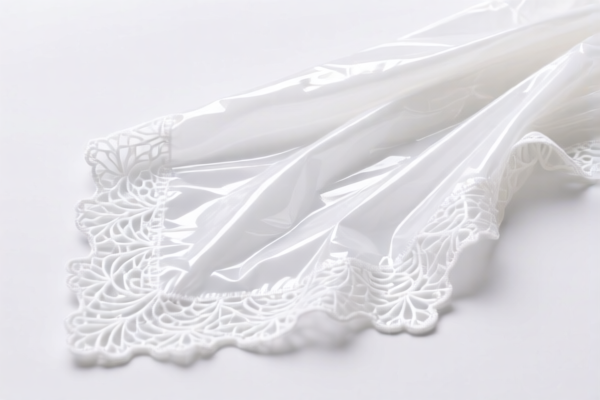
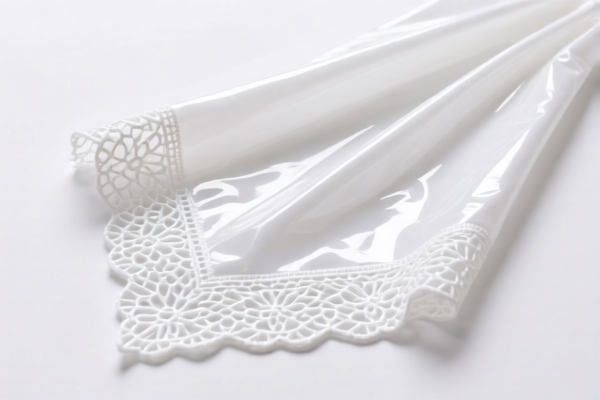
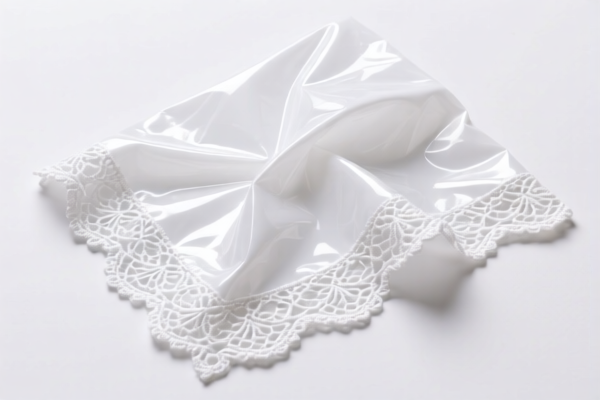
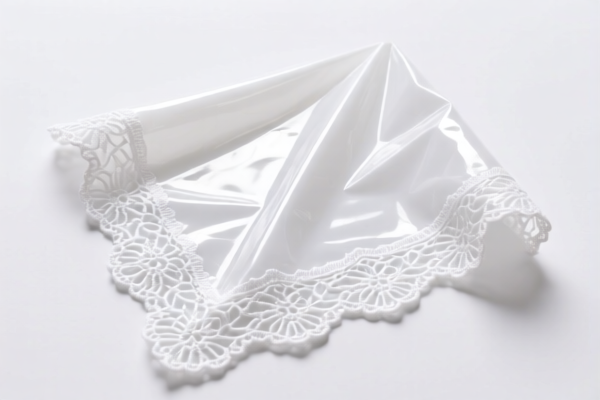
AI Analysis
🧱 High-End Plastic Wall Cloth (Decorative Wall Panels)
🌐 HS Code Reference & Customs Clearance Guide | 2026 Latest Tariff Analysis | Professional Clearance Strategy
📌 I. Product Definition & Classification: Do You Really Understand "High-End Plastic Wall Cloth"?
High-End Plastic Wall Cloth is a premium interior decoration material used for wall finishing. In international trade, its classification depends strictly on its manufacturing process and material composition. It is generally categorized into two main groups:
- Textile-Based Composite Fabrics (Textile Subject): Fabric that has been impregnated, coated, or laminated with plastic. The textile structure remains the primary carrier.
- Plastic Products (Plastic Subject): Pure plastic sheets or articles shaped for wall decoration, without a significant textile backing or considered as general plastic articles.
⚠️ Key Distinction Point:
- If the product is a textile fabric treated with plastic (impregnated/coated/laminated) →归入 Chapter 59 (Impregnated, Coated, Covered or Laminated Textile Fabrics).
- If the product is a pure plastic sheet/article not classified elsewhere →归入 Chapter 39 (Plastics and Articles Thereof).
- The presence of a "textile base" vs. "pure plastic structure" determines whether the duty rate is 35% or as low as 13.4%.
📦 II. HS Code Classification Details (2026 Latest Tariff Authority Comparison)
Based on the provided data, here are the four potential HS Codes for "High-End Plastic Wall Cloth," ranked by tax efficiency:
| HS Code | Product Description | Scenario / Structure | Total Tax Rate (China to US) |
|---|---|---|---|
3926.90.48.00 |
Plastic Wall Cloth (Plastic Article) | Pure plastic material; wall decoration made of plastic, not elsewhere specified. | 13.4% ⭐ (Most Favorable) |
3926.90.35.00 |
Other Plastic Articles | Plastic items not beads, tubes, or sequins; generic plastic wall decor without specific textile basis. | 24.0% |
5903.10.20.10 |
Textile-Based Wall Cloth (Semi-finished) | Textile fabric impregnated/coated; classified as a semi-finished good or decorative textile. | 35.0% |
5903.10.20.90 |
Textile-Based Wall Cloth (Finished Composite) | High plastic content composite fabric; textile impregnated/coated/laminated. | 35.0% |
🔍 Key Reminder:
- The lowest tax rate (13.4%) applies if the product can be classified as a general Plastic Article (3926.90.48.00). This requires proving it is primarily a plastic product without significant textile integration. - If the product has a visible fabric base that has been coated/laminated, it falls under Chapter 59, incurring a 35% total tax rate. - Misclassification from3926.90.48.00to5903.10.20.90results in a 21.6% increase in total tariff burden.
💰 III. 2026 Latest Tariff Rate Breakdown (Including Surcharge & Policy Add-ons)
✅ Applicable Country: United States (US)
✅ Origin: China (CN)
✅ Effective Time: From November 10, 2025 (including subsequent imports)
🎯 1. 3926.90.48.00 —— Plastic Wall Cloth (Plastic Article) – BEST OPTION
| Item | Detail |
|---|---|
| Base Tariff | 3.4% |
| USITC Surcharge (Section 301) | 0.0% |
| IEEPA Surcharge (122 Clause) | +10.0% |
| Total Tax Rate | 13.4% |
| Tax Calculation | CIF Value × 13.4% |
| De Minimis Exemption? | ❌ Not Applicable (High value commodity) |
| Legal Path | IEEPA:9903.01.24 (10% clause) → USITC:3926.90.48.00 |
📌 Explanation:
- The Base Tariff is low (3.4%). - Crucially, Section 301 (USITC) surcharge is 0%, significantly lowering the cost compared to other classifications. - Only the 122 Clause (10%) applies. - Total: 13.4%. This is the optimal classification if the product structure allows.
🎯 2. 3926.90.35.00 —— Other Plastic Articles
| Item | Detail |
|---|---|
| Base Tariff | 6.5% |
| USITC Surcharge (Section 301) | +7.5% |
| IEEPA Surcharge (122 Clause) | +10.0% |
| Total Tax Rate | 24.0% |
| Tax Calculation | CIF Value × 24.0% |
| De Minimis Exemption? | ❌ Not Applicable |
| Legal Path | IEEPA:9903.01.24 → USITC:3926.90.35.00 + Footnote |
📌 Note:
- Higher base tariff (6.5%) and a small Section 301 surcharge (7.5%) lead to a moderate total of 24%. - Use this if the product is a plastic item but doesn't fit48.00exactly.
🎯 3. 5903.10.20.10 & 5903.10.20.90 —— Textile-Based Wall Cloth
| Item | Detail |
|---|---|
| Base Tariff | 0.0% |
| USITC Surcharge (Section 301) | +25.0% |
| IEEPA Surcharge (122 Clause) | +10.0% |
| Total Tax Rate | 35.0% |
| Tax Calculation | CIF Value × 35.0% |
| De Minimis Exemption? | ❌ Not Applicable |
| Legal Path | IEEPA:9903.01.24 → USITC:5903.10.20.xx + Footnote 9903.88.01 |
📌 Critical Warning:
- Even though the Base Tariff is 0%, the Section 301 surcharge is heavy at 25%. - Combined with the 122 Clause (10%), the total hits 35%. - This is a 21.6% higher cost than the3926.90.48.00classification. - Applies to both10(semi-finished) and90(finished composite) sub-headings.
🛠️ IV. Customs Clearance Practical Advice (Combat Pitfall Guide)
✅ 1. Documentation Checklist (All Must Be Provided)
| Document | Required | Purpose |
|---|---|---|
| ✅ Product Specification Sheet | ✔️ | Must specify material composition: % Plastic vs. % Textile. |
| ✅ Cross-Section Micrograph | ✔️ | Critical: Prove whether it is a "plastic sheet" or "textile coated with plastic". |
| ✅ Product Photos | ✔️ | Clear images of edges and surface to show layer structure. |
| ✅ Commercial Invoice | ✔️ | Describe as "Plastic Wall Decor Panel" if aiming for 3926, or "Impregnated Textile" if 5903. |
| ✅ Packing List | ✔️ | Standard packaging details. |
| ✅ Certificate of Origin | ✔️ | To prove CN origin for surcharge calculation. |
✅ 2. Declaration Strategy (Key Mantra)
🔥 “Structure Determines Code, Code Determines Cost!”
| Scenario | Correct HS Code | Cost Impact | Error Consequence |
|---|---|---|---|
| Pure Plastic Sheet/Panel (No fabric base) | 3926.90.48.00 |
13.4% ✅ | None |
| Plastic Article (Generic, no fabric) | 3926.90.35.00 |
24.0% | Moderate overpayment |
| Fabric Coated/Laminated with Plastic | 5903.10.20.90 |
35.0% ❌ | High cost (21.6% more) |
| Textile Semi-Finished | 5903.10.20.10 |
35.0% ❌ | High cost (21.6% more) |
💡 Pro Tip:
If your product is a non-woven fabric heavily saturated with plastic, customs may still view it as Chapter 59. To qualify for Chapter 39 (3926.90.48.00), you must demonstrate that the plastic content is dominant and the textile structure is not the primary functional carrier. Microscopic evidence is key.
✅ 3. Special Cases
| Case | Handling Advice |
|---|---|
| Non-Woven Fabric Base | Risk of Chapter 59. Provide data showing plastic > textile by weight. |
| Embossed/Textured Plastic | Usually 3926.90.48.00 if no textile. |
| Roll vs. Sheet | Form factor does not change classification, but description must match. |
| Pre-cut Panels | Still same HS, but "finished good" status reinforces Chapter 39 if no textile. |
🌍 V. Global Market Comparison (2026 Latest)
| Country/Region | Recommended HS Code | Tax Rate (China Origin) | Notes |
|---|---|---|---|
| 🇺🇸 USA | 3926.90.48.00 |
13.4% | Best case. Avoid 5903 (35%). |
| 🇺🇸 USA | 5903.10.20.90 |
35.0% | Worst case. Heavy Section 301. |
| 🇪🇺 EU | 3926.90 |
~6% + VAT | No Section 301. |
| 🇨🇳 China | 3926.90 |
6.5% | Base tariff only. |
📌 Conclusion:
- The US market is extremely sensitive to Chapter 59 vs. Chapter 39 due to the 25% Section 301 surcharge. - Optimization Goal: Classify as3926.90.48.00to save 21.6% in duties.
📌 VI. Common Errors & Pitfalls (Lessons Learned)
❌ Error 1: Declaring "Plastic Wall Cloth" as 5903.10.20.90 when it is a pure plastic sheet.
👉 Consequence: Pay 35% instead of 13.4%. Overpaid 21.6% on CIF value.
❌ Error 2: Declaring a textile-based wall cloth as 3926.90.48.00.
👉 Consequence: Customs audit will reclassify to Chapter 59. Back taxes + penalties + storage fees.
❌ Error 3: Ignoring the "122 Clause".
👉 Consequence: All Chinese-origin goods face an additional 10% IEEPA surcharge. Do not forget to include this in cost models.
✅ Correct Declaration Example:
"Decorative Wall Panel, Plastic Composition, Non-Woven Structure, Embossed Surface, Model XYZ. HS: 3926.90.48.00."
🎯 VII. Conclusion: Precision Classification Saves Money!
🎯 Remember the Mantra:
🔹 "Pure Plastic = 13.4%, Textile Base = 35%. Choose Chapter 39 if possible!"
🔹 "25% Section 301 hits Textiles Hard. Don't let fabric base kill your margin."
📌 Action Item:
📞 Submit a Pre-Ruling Request with cross-section images to CBP.
📦 Verify Material Composition: Is it >50% plastic by weight? Does it have a woven fabric base?
🚀 Optimize Logistics: If Class 59 is unavoidable, factor the 35% tax into pricing immediately.
✨ Professional Clearance Starts with Accurate Classification!
💼 Every 1% of Tax Saved is Pure Profit!
Customer Reviews
About HS Code Classification
The Harmonized System (HS) is an internationally standardized nomenclature developed by the World Customs Organization (WCO) to classify traded products. Over 200 countries use the HS system as the basis for customs tariffs, trade statistics, and import/export regulations.
Each HS code follows a hierarchical structure:
- Chapter (2 digits) — Broad category of goods (e.g., Chapter 84: Machinery and Mechanical Appliances)
- Heading (4 digits) — More specific grouping within the chapter
- Subheading (6 digits) — Internationally standardized breakdown, used by all WCO member countries
- National subdivisions (8-10 digits) — Country-specific extensions for further classification, such as US HTSUS 10-digit codes
Correct HS code classification is essential for smooth customs clearance, accurate duty payment, and compliance with trade regulations. Misclassification can lead to customs delays, overpayment of duties, or penalties.
When importing from CN to US, the applicable tariff rates may include:
- Most-Favored-Nation (MFN) rate — The standard duty rate applied to WTO members
- General rate — Applied to countries without trade agreements
- Trade remedy duties — Additional tariffs such as Section 301 (anti-dumping), Section 232 (national security), or countervailing duties
The information provided on this page is for reference purposes only. For official classification, please consult with your local customs authority or a licensed customs broker.